Machine learning augmented diagnostic testing to identify sources of variability in test performance
Christopher Jon Banks, Aeron Sanchez, Vicki Stewart, Kate Bowen, Thomas Doherty, Oliver Tearne, Graham Smith, Rowland R. Kao

TL;DR
This paper shows how machine learning can improve diagnostic testing for bovine tuberculosis, helping detect more infected herds without increasing false positives.
Contribution
The novel use of machine learning to augment diagnostic testing for bovine tuberculosis, improving detection rates without compromising specificity.
Findings
Machine learning improved detection of infected herds by over 5 percentage points, equivalent to 240 additional herds per year.
The model can reduce unnecessary restrictions on over 5,000 uninfected herds when tuned for specificity.
Simulation models suggest the approach could reduce infected animals and outbreaks in high-risk areas over time.
Abstract
Diagnostic tests that can detect pre-clinical or sub-clinical infection, are one of the most powerful tools in our armoury of weapons to control infectious diseases. Considerable effort has been paid to improving diagnostic testing for human, plant and animal diseases, including strategies for targeting the use of diagnostic tests towards individuals who are more likely to be infected. We use machine learning to assess the surrounding risk landscape under which a diagnostic test is applied to augment its interpretation. We develop this to predict the occurrence of bovine tuberculosis incidents in cattle herds, exploiting the availability of exceptionally detailed testing records. We show that, without compromising test specificity, test sensitivity can be improved so that the proportion of infected herds detected improves by over 5 percentage points, or 240 additional infected herds…
Genes, proteins, chemicals, diseases, species, mutations and cell lines named across the full text — each resolved to its canonical identifier and authoritative record.
Click any figure to enlarge with its caption.
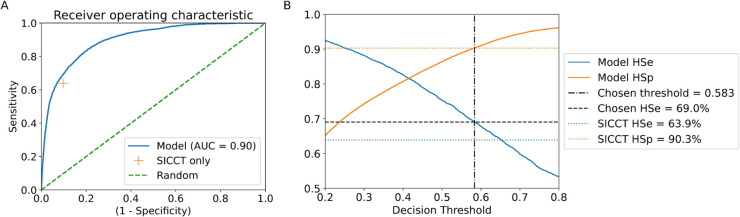 Figure 1
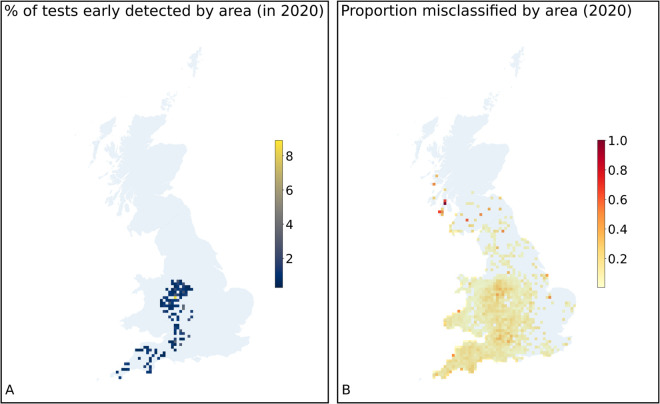 Figure 2
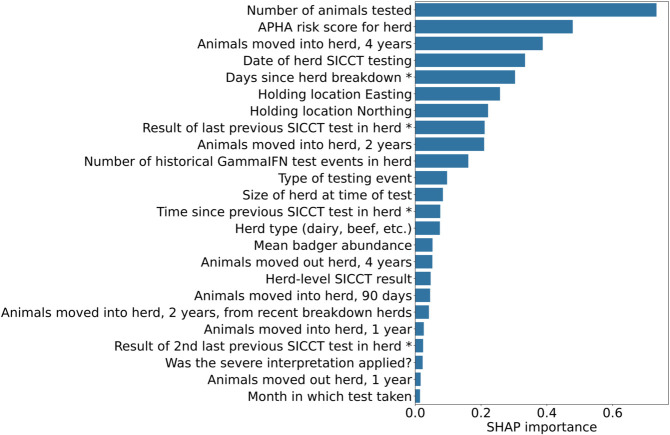 Figure 3
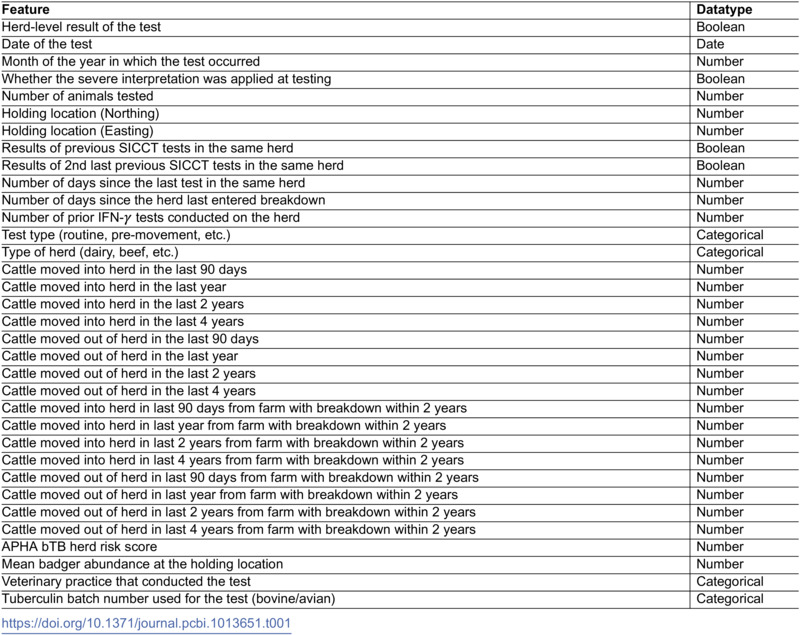 Figure 4
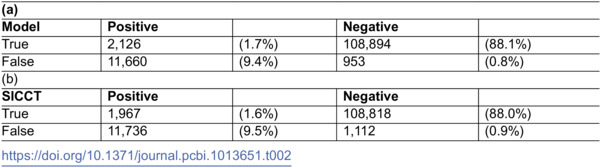 Figure 5
 Figure 6
Peer Reviews
No public reviews on file for this paper yet. If you reviewed it on a platform where reviews are public (OpenReview, ICLR, NeurIPS, ICML), you can paste yours below so the community can read it here.
Videos
No videos yet. Explain this paper in a talk, walkthrough, or lecture? Add one.
Taxonomy
TopicsAnimal Disease Management and Epidemiology · Data-Driven Disease Surveillance · Zoonotic diseases and public health