Evolution of the HIV-1 integration site landscape and inducible reservoir in early-treated people
Tine Struyve, Marion Pardons, Jozefien De Clercq, Liesbet Termote, Laurens Lambrechts, Ytse Noppe, Mathias Lichterfeld, Sofie Rutsaert, Linos Vandekerckhove, Mary Kearney, Richard Koup, Richard Koup

TL;DR
This study shows that HIV persists in infected cells even with early treatment, and the virus becomes enriched in inactive parts of the genome over time.
Contribution
The study reveals post-integration selection mechanisms and detects the inducible reservoir in early-treated individuals for the first time.
Findings
Clonal expansion contributes to reservoir persistence even in early-treated individuals.
Proviruses in heterochromatin regions become enriched after five years on ART.
A new method detects the inducible reservoir in individuals with small reservoir sizes.
Abstract
Persistence of the HIV-1 reservoir is the major barrier to a cure. Little is known about the dynamics of the proviral integration site landscape and inducibility of the viral reservoir in early-treated individuals. Here, we perform a longitudinal analysis of the viral reservoir in individuals who started treatment during acute infection and compare these findings to chronically-treated individuals. Even in early-treated individuals, clonal expansion contributes to reservoir persistence. Integration site analysis reveals similar distributions after one year of antiretroviral therapy (ART), irrespective of treatment initiation timing. Notably, proviruses integrated in heterochromatin regions are already detected in early-treated individuals after one year on ART and are progressively enriched after five years on ART, suggesting post-integration selection mechanisms. Using a lipid…
Genes, proteins, chemicals, diseases, species, mutations and cell lines named across the full text — each resolved to its canonical identifier and authoritative record.
Click any figure to enlarge with its caption.
 Figure 1
 Figure 2
 Figure 3
 Figure 4
 Figure 5
 Figure 6
 Figure 7
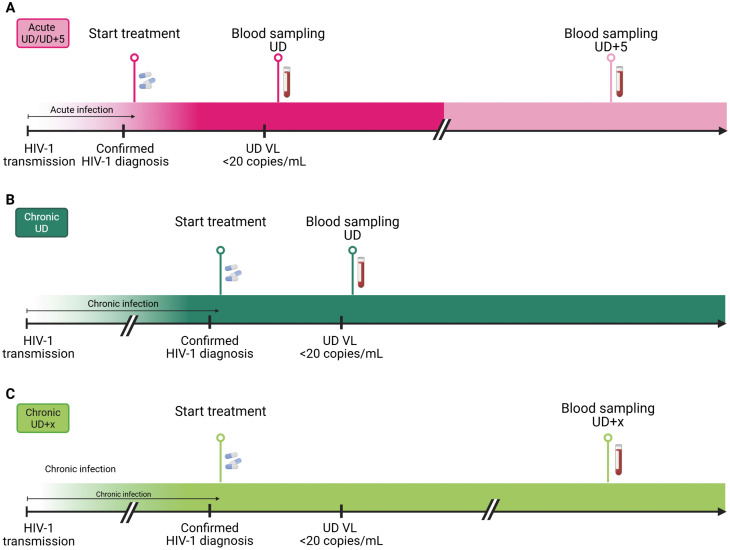 Figure 8
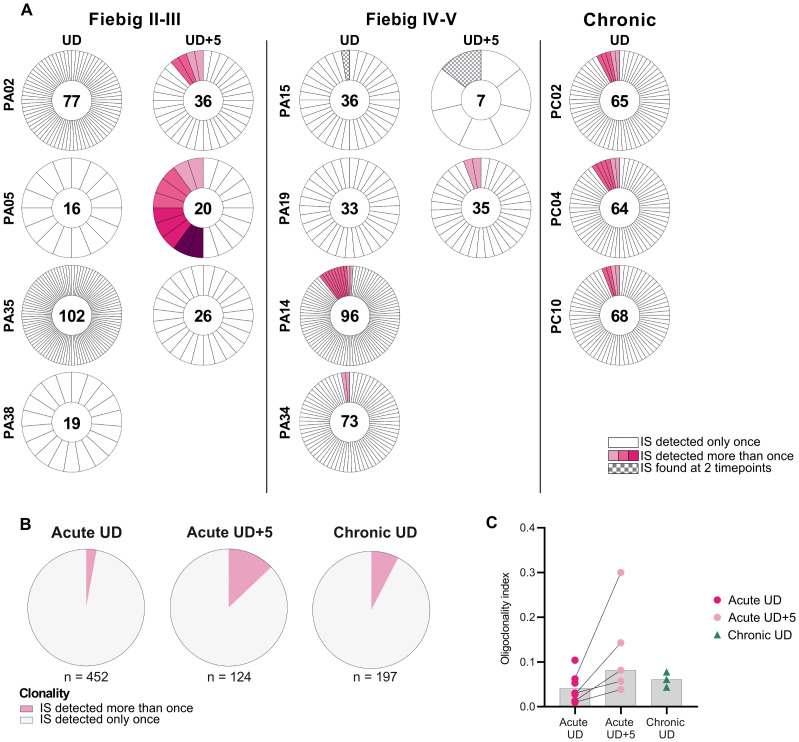 Figure 9
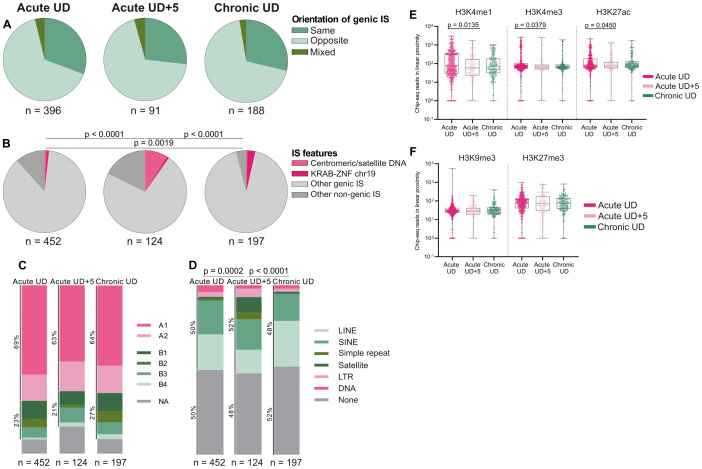 Figure 10
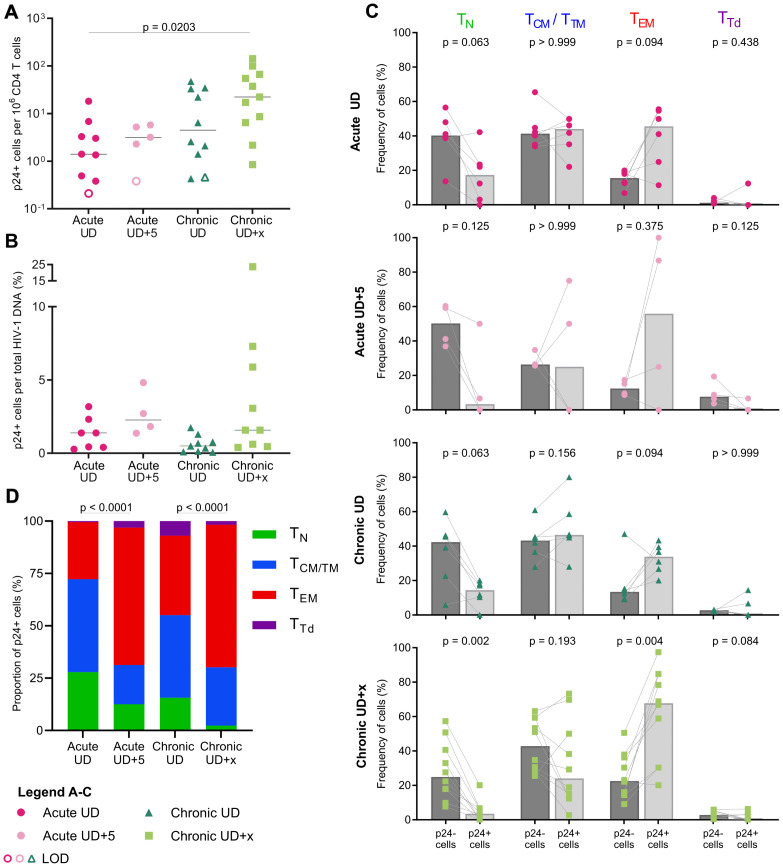 Figure 11
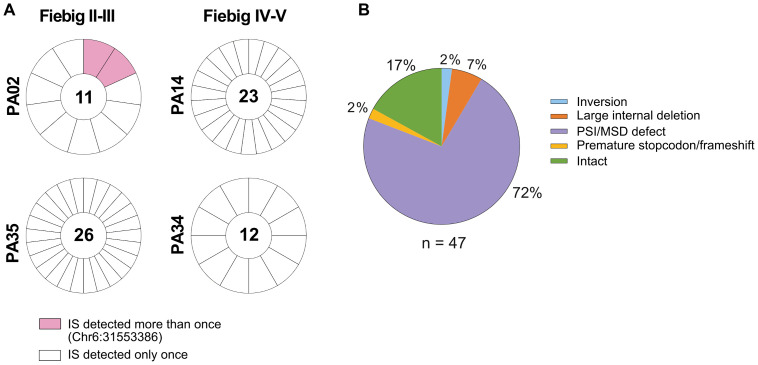 Figure 12
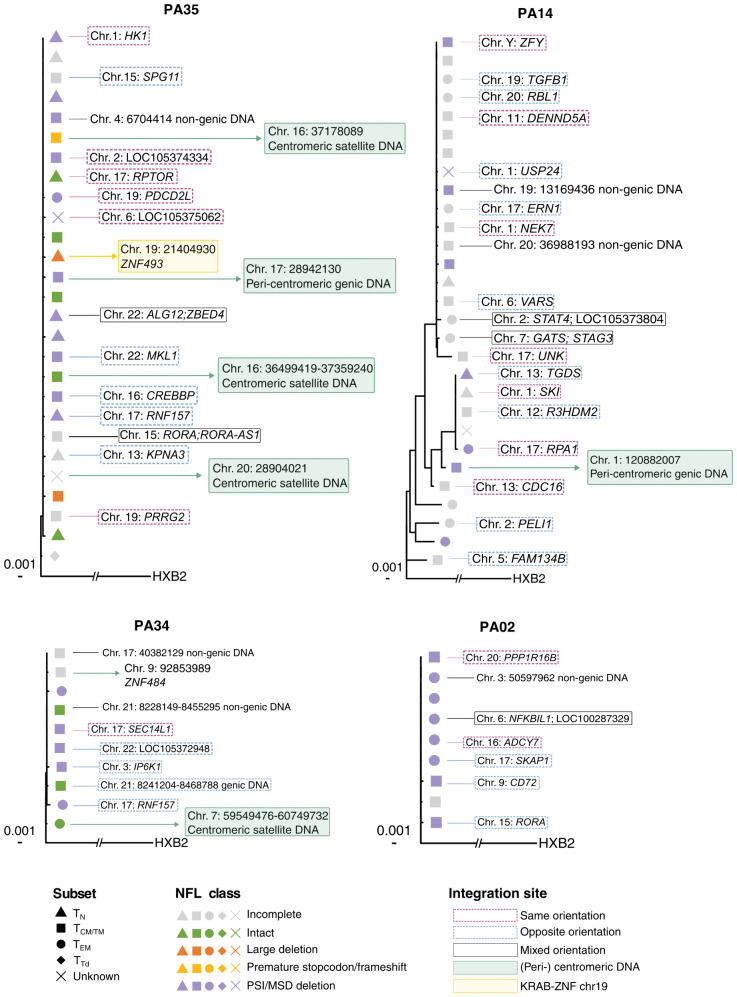 Figure 13
Peer Reviews
No public reviews on file for this paper yet. If you reviewed it on a platform where reviews are public (OpenReview, ICLR, NeurIPS, ICML), you can paste yours below so the community can read it here.
Videos
No videos yet. Explain this paper in a talk, walkthrough, or lecture? Add one.
Taxonomy
TopicsHIV Research and Treatment · HIV/AIDS drug development and treatment · HIV-related health complications and treatments