Associations Between Dermatoglyphic Patterns and Oral Diseases in Children: A Systematic Review and Meta-Analysis
Chhavi Jain, Azhar Uddin, Nilima Sharma, Swati Verma, Arun Pandey, Prasad Mandava, Gowri Sankar Singaraju

Abstract
Dermatoglyphics - the scientific study of epidermal ridge patterns - develops during the same embryonic period as the oral-craniofacial complex and remains unchanged throughout life. Because of this developmental parallelism, dermatoglyphic traits have been explored as potential non-invasive associations of oral diseases in children. This systematic review and meta-analysis, conducted according to the Preferred Reporting Items for Systematic Reviews and Meta-Analyses (PRISMA) 2020 guidelines (PROSPERO ID: CRD42022322563), evaluated associations between dermatoglyphic features and three pediatric oral conditions: dental caries, malocclusion, and nonsyndromic cleft lip and/or palate (NSCL/P). Electronic searches across Medline, Ovid, Cochrane CENTRAL, and Google Scholar (January 1990-August 2025) identified cross-sectional and case-control studies with ≥ 200 participants assessing…
Genes, proteins, chemicals, diseases, species, mutations and cell lines named across the full text — each resolved to its canonical identifier and authoritative record.
Click any figure to enlarge with its caption.
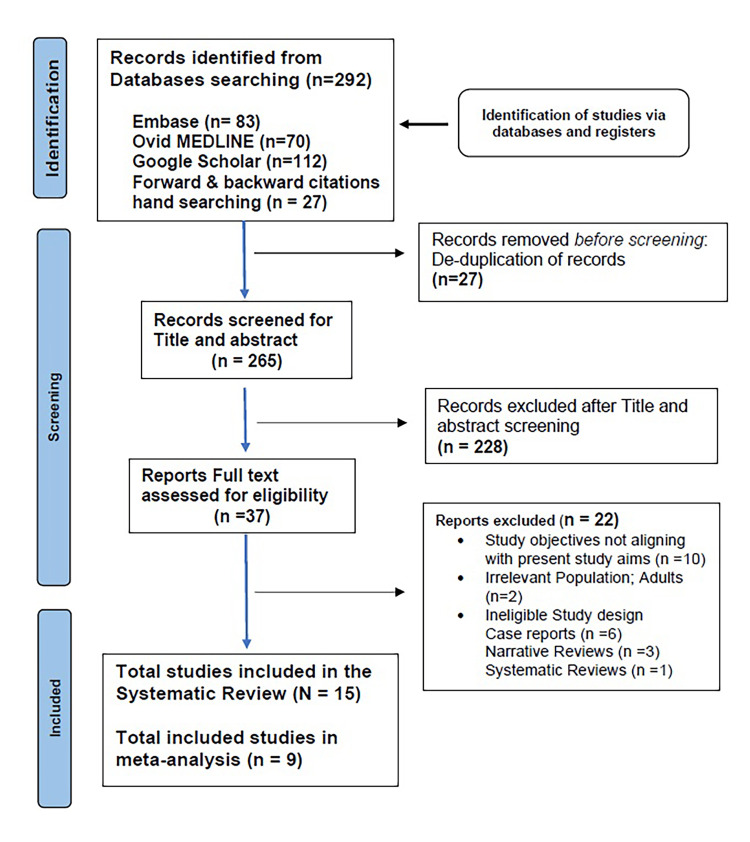 Figure 1
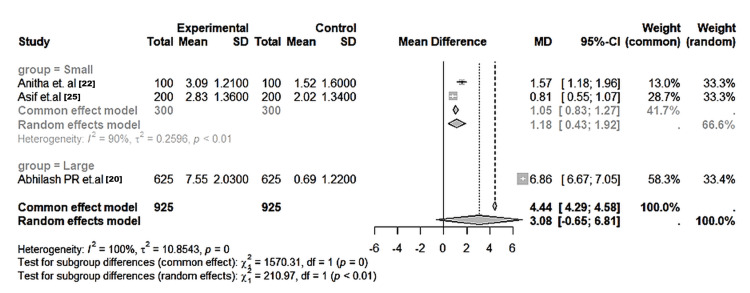 Figure 2
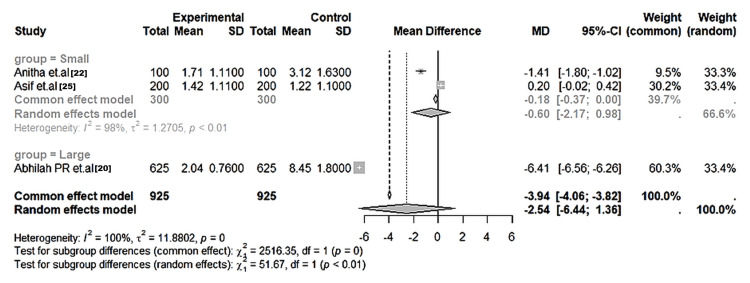 Figure 3
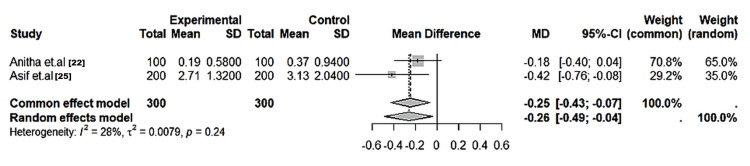 Figure 4
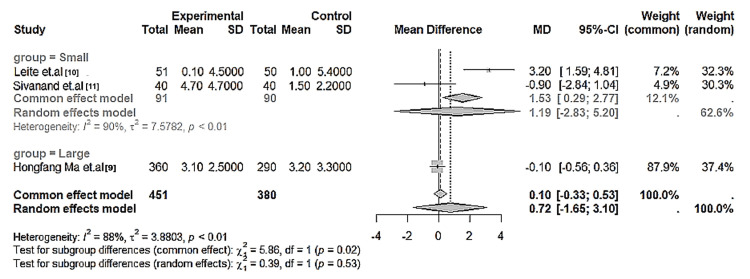 Figure 5
Peer Reviews
No public reviews on file for this paper yet. If you reviewed it on a platform where reviews are public (OpenReview, ICLR, NeurIPS, ICML), you can paste yours below so the community can read it here.
Videos
No videos yet. Explain this paper in a talk, walkthrough, or lecture? Add one.
Taxonomy
TopicsDermatoglyphics and Human Traits