Two exceptionally preserved biotas from North Dakota reveal cryptic Ordovician shelf ecologies
Giovanni Mussini, Nicholas J. Butterfield

TL;DR
Fossils from North Dakota reveal that modern-style ecosystems existed in well-oxygenated Ordovician seas, challenging previous assumptions based on marginal environment fossils.
Contribution
The study presents exceptionally preserved fossils from typical Ordovician shelf environments, showing a more diverse and modern biosphere than previously known.
Findings
Fossils from North Dakota show high-quality preservation of Cambrian-Tremadocian and Darriwilian age biotas.
The fossils reveal cryptic, modern-style animals and feeding adaptations not seen in coeval macrofossils.
These findings suggest that classic Ordovician exceptional biotas are unrepresentative of the broader biosphere.
Abstract
The Ordovician is one of the most important periods in Earth history, witnessing the elaboration of modern-style ecosystems after the “Cambrian Explosion” of animals. However, exceptional fossils from this period are mostly confined to marginal environments, obscuring the most widespread and habitable ecosystems of their day. We describe Ordovician exceptional fossils from shallow-water, well-oxygenated habitats, representative of the widespread continental seas of the time. These fossils suggest that classic Ordovician exceptional biotas record relative evolutionary “backwaters”: The rest of the biosphere may have been dominated by extinct skeletonized taxa and cryptic, modern-style animals. The Ordovician saw one of the greatest evolutionary radiations in the Earth’s history, precipitating the assembly of modern animal-dominated ecologies in the aftermath of the Cambrian Explosion.…
Genes, proteins, chemicals, diseases, species, mutations and cell lines named across the full text — each resolved to its canonical identifier and authoritative record.
Click any figure to enlarge with its caption.
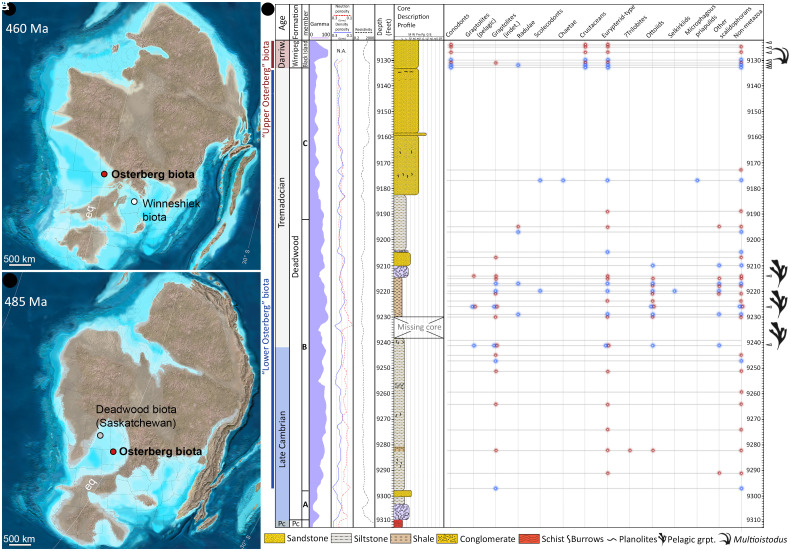 Figure 1
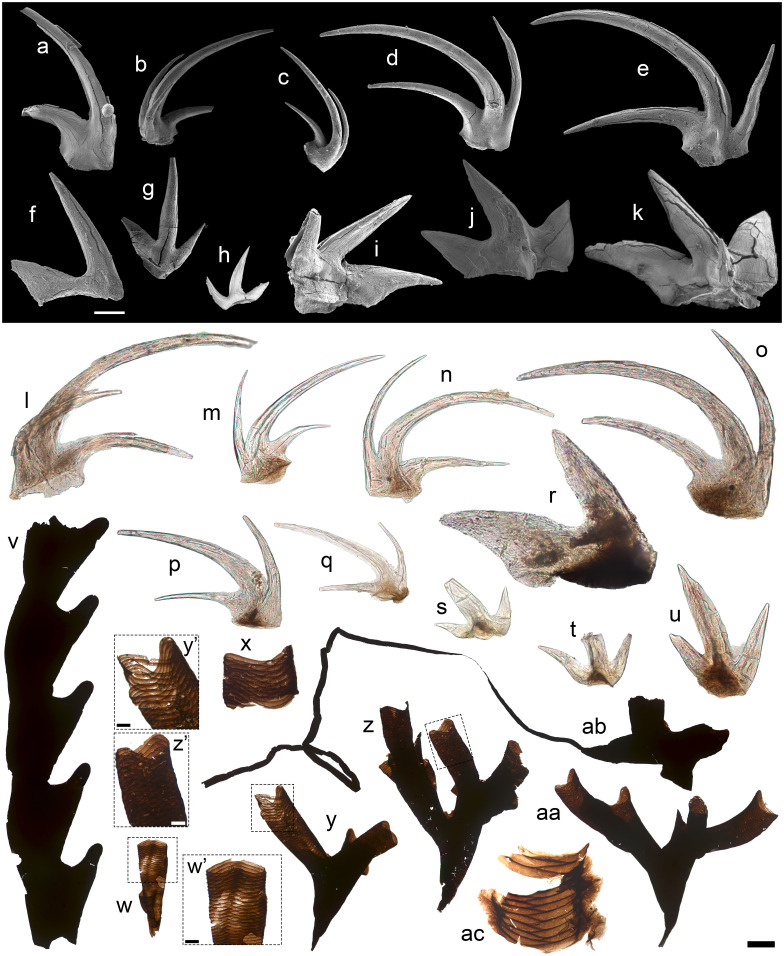 Figure 2
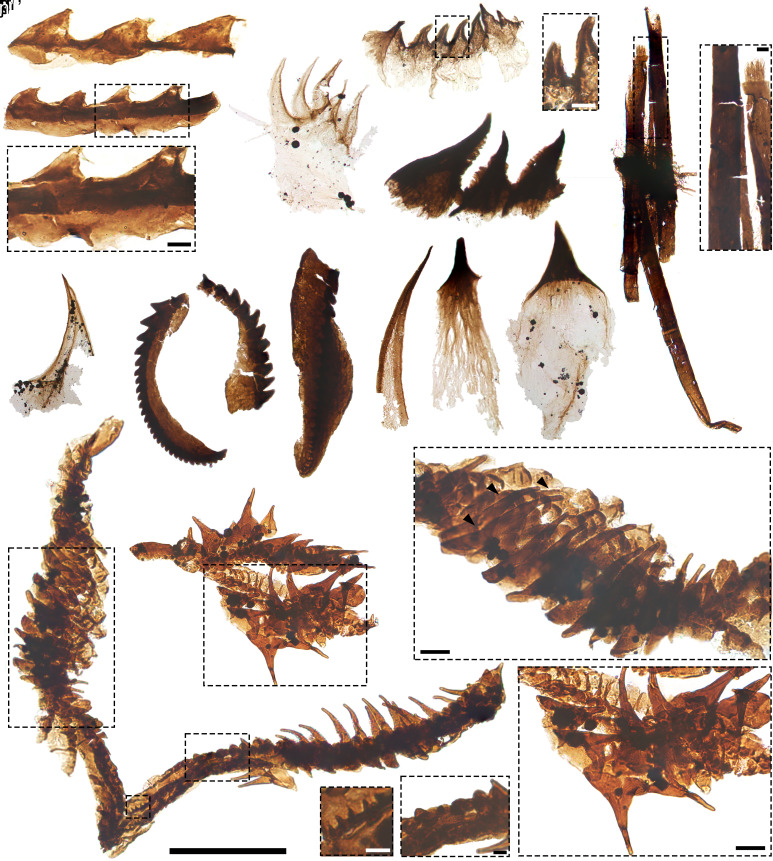 Figure 3
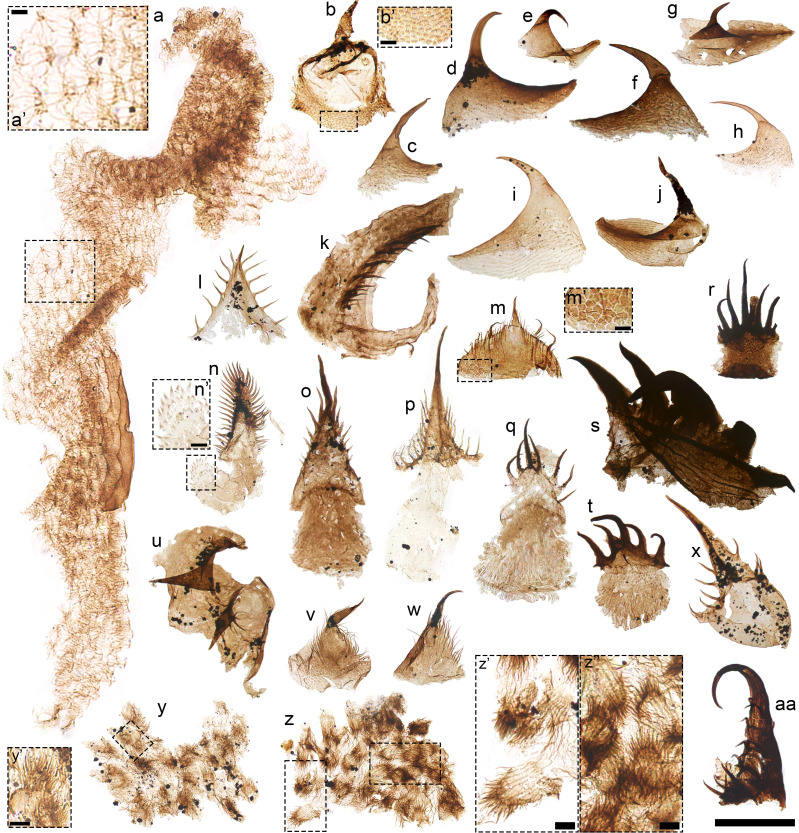 Figure 4
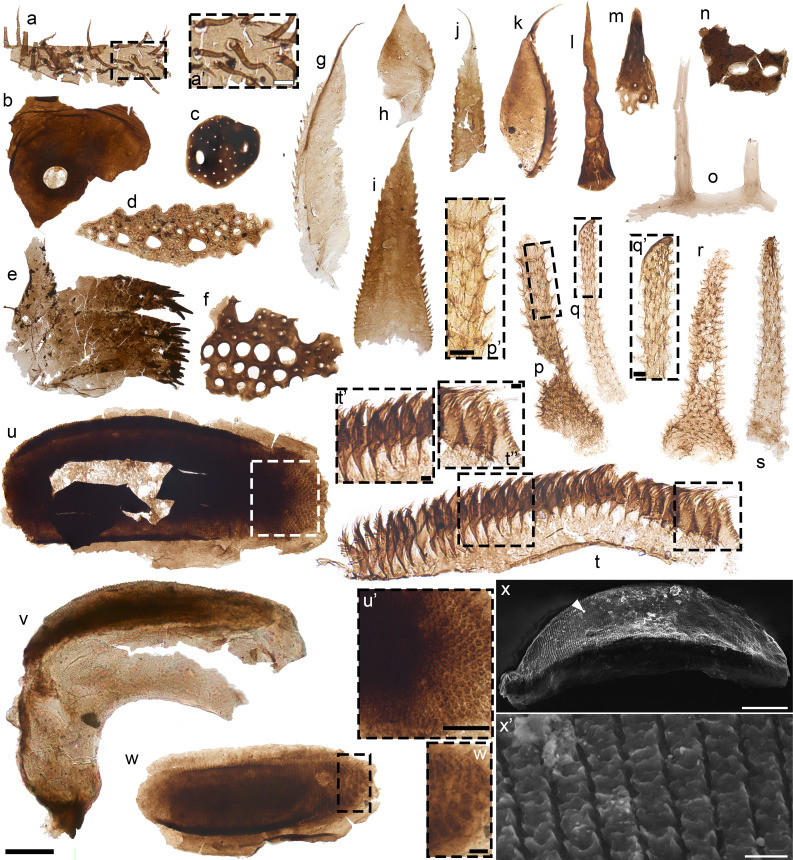 Figure 5
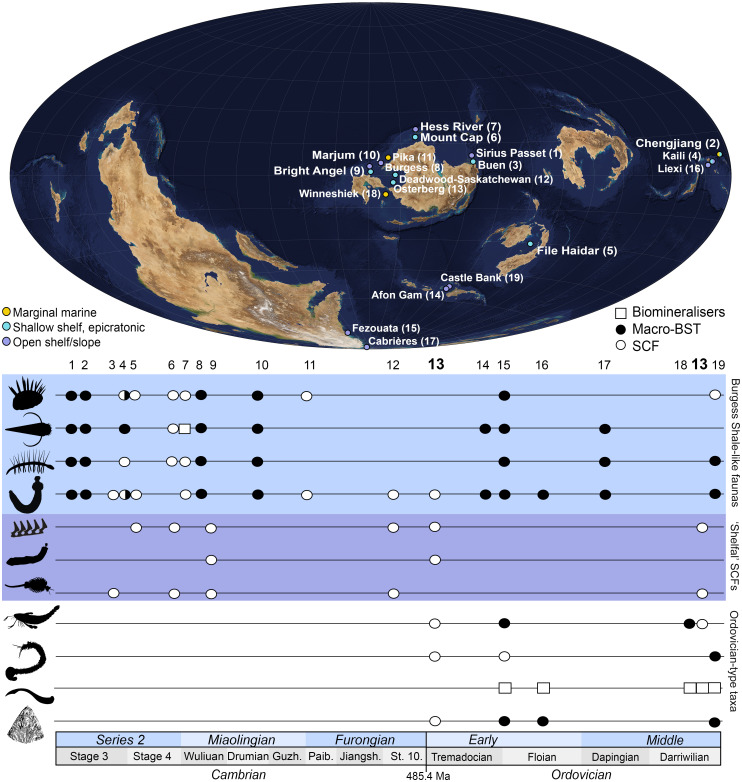 Figure 6
Peer Reviews
No public reviews on file for this paper yet. If you reviewed it on a platform where reviews are public (OpenReview, ICLR, NeurIPS, ICML), you can paste yours below so the community can read it here.
Videos
No videos yet. Explain this paper in a talk, walkthrough, or lecture? Add one.
Taxonomy
TopicsPaleontology and Stratigraphy of Fossils · Paleontology and Evolutionary Biology · Geological formations and processes