β2 and β3a regulatory subunits can coassemble in the same BK channels
Yu Zhou, Vivian Gonzalez-Perez, Xiao-Ming Xia, Gopal S. Kallure, Sandipan Chowdhury, Christopher J. Lingle

TL;DR
This study shows that β2 and β3a regulatory subunits can coassemble in the same BK potassium channel complexes.
Contribution
The paper provides the first direct evidence that β2 and β3a subunits can coassemble in BK channels, supporting a trinomial model of subunit mixing.
Findings
Single-channel recordings confirm coassembly of β2 and β3a subunits in the same channels.
Biochemical analysis reveals the formation of β2:β3a:α ternary complexes.
Results support a model of random, independent assembly of β2 and β3a subunits in BK channels.
Abstract
Zhou et al. ask whether distinct β subunit isoforms coassemble in BK channel complexes or segregate into different complexes. Taking advantage of differences in β2- and β3a-mediated inactivation, macroscopic currents, single channels, and biochemical tests unambiguously show that ternary β2:β3:α subunit ternary complexes form, consistent with a trinomial model of random mixing of β subunits. Ca2+- and voltage-activated BK-type K+ channels are influenced profoundly by associated regulatory subunits, including β subunits (Kcnmb1–4; β1–β4). Although overlap in expression of different BK β subunits occurs in native tissues, whether they can coassemble in the same channel complex is not known. We coexpress β2 and β3a subunits together with BK α and, through a combination of macroscopic and single-channel recordings, along with quantitative pull-down of tagged subunits, test whether…
Genes, proteins, chemicals, diseases, species, mutations and cell lines named across the full text — each resolved to its canonical identifier and authoritative record.
Click any figure to enlarge with its caption.
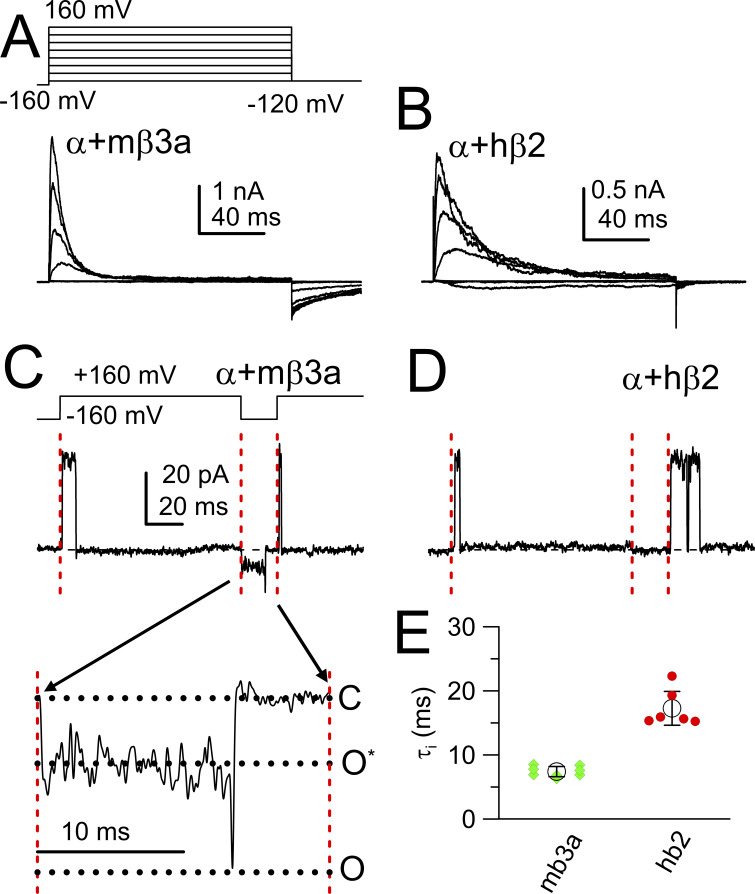 Figure 1
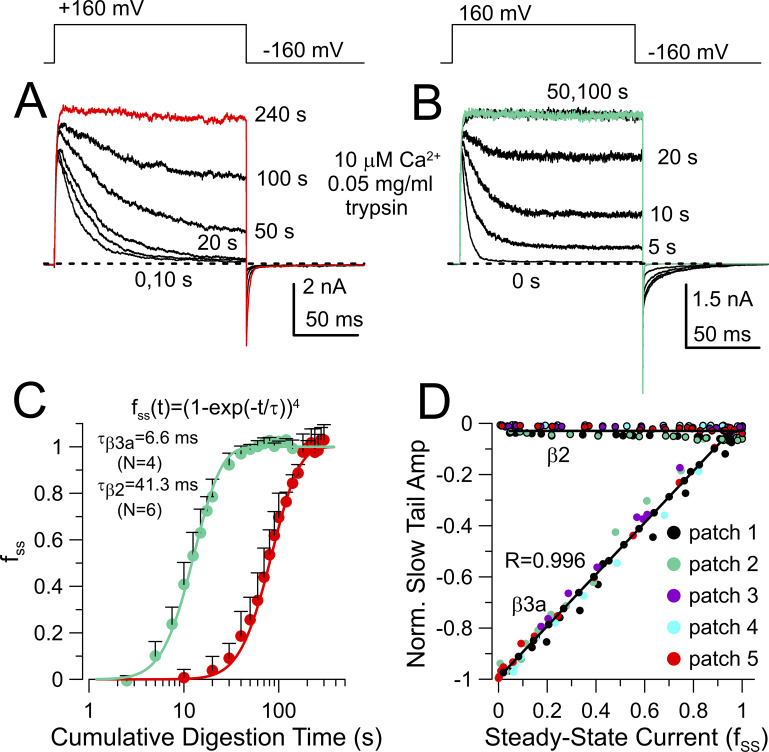 Figure 2
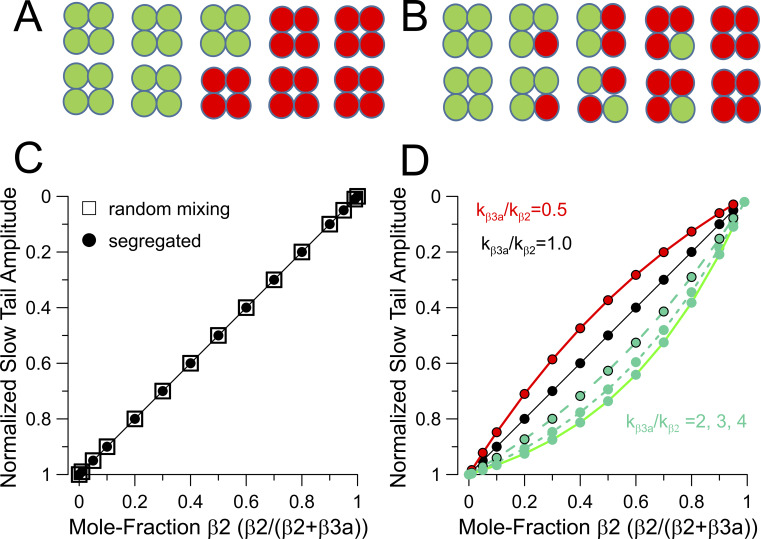 Figure 3
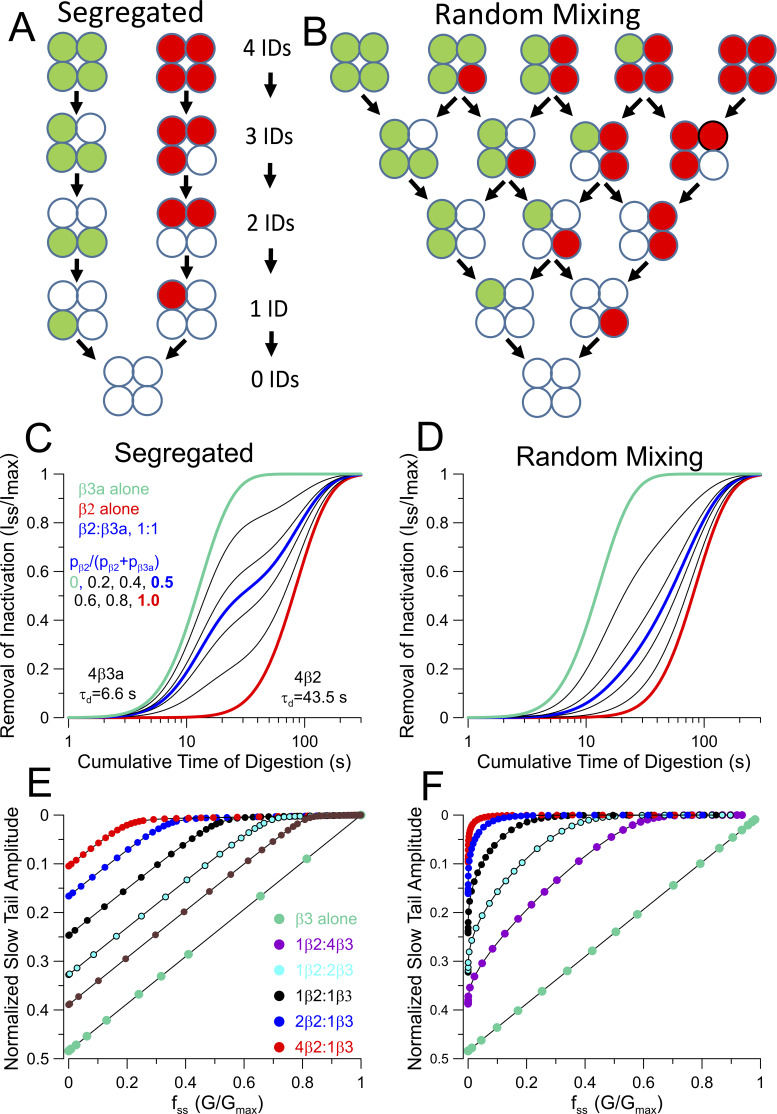 Figure 4
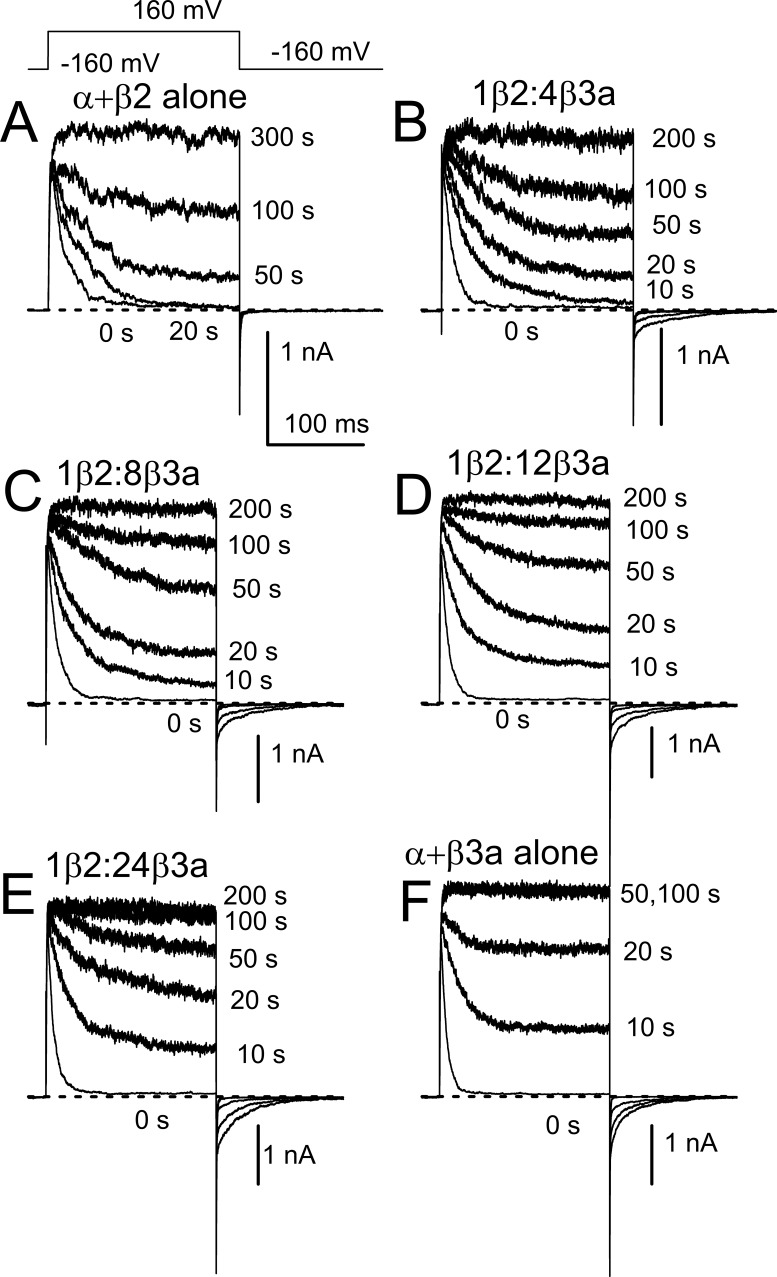 Figure 5
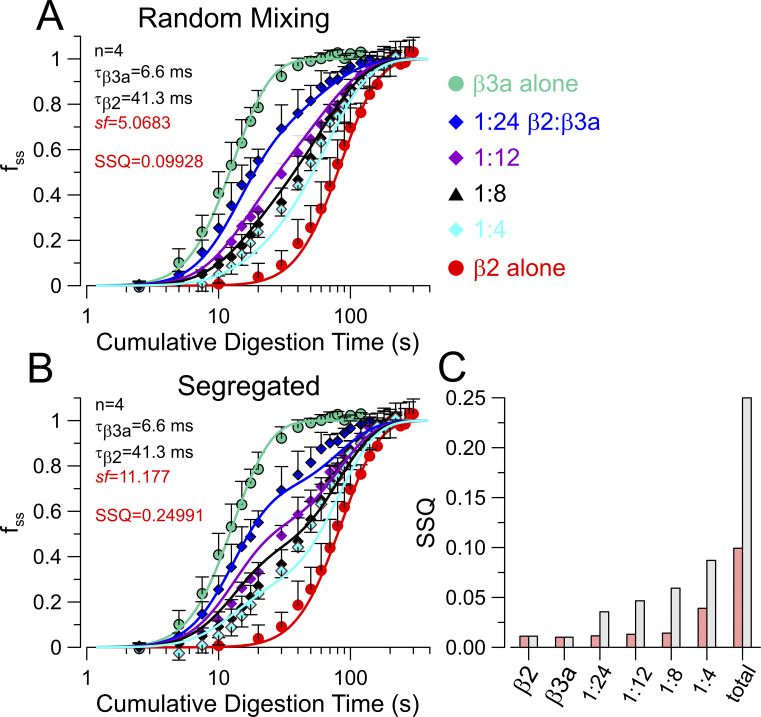 Figure 6
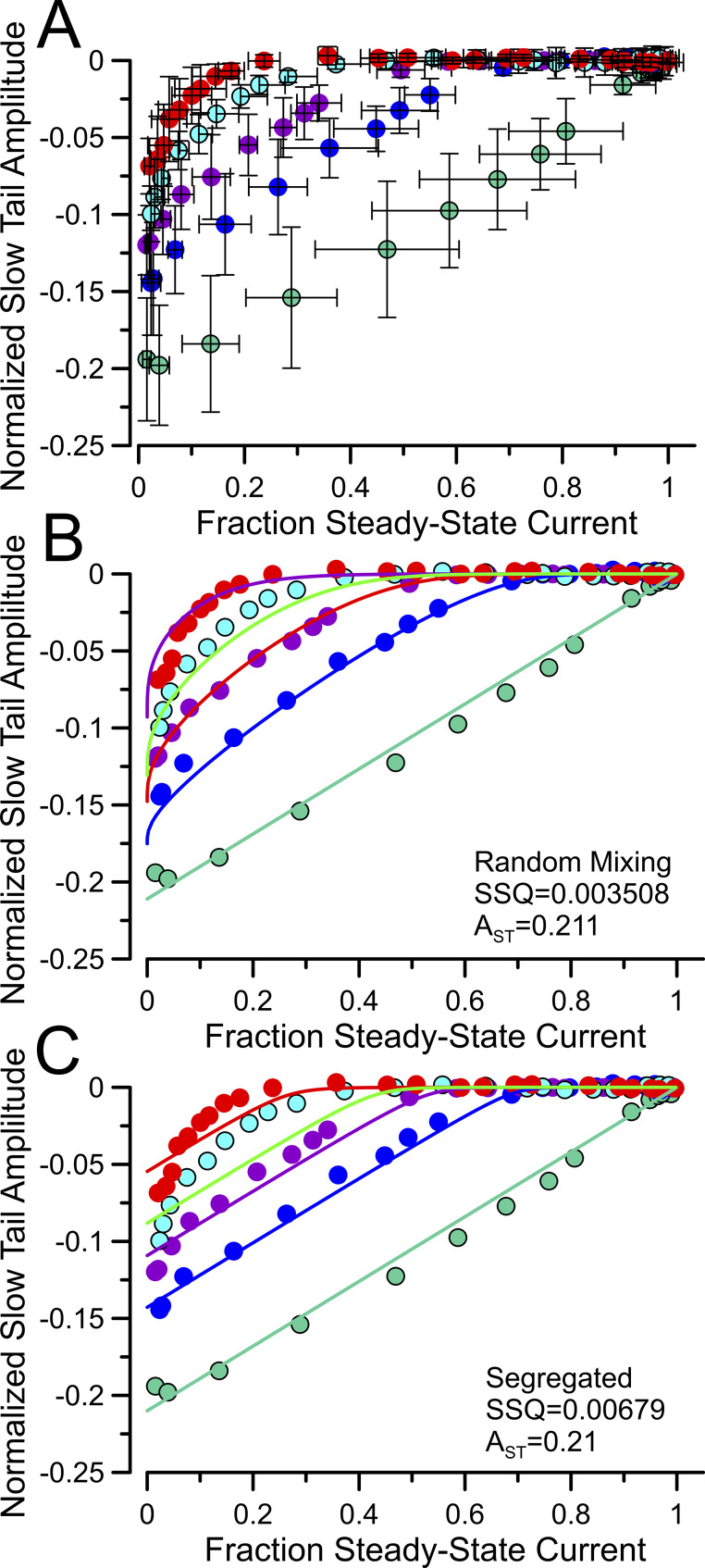 Figure 7
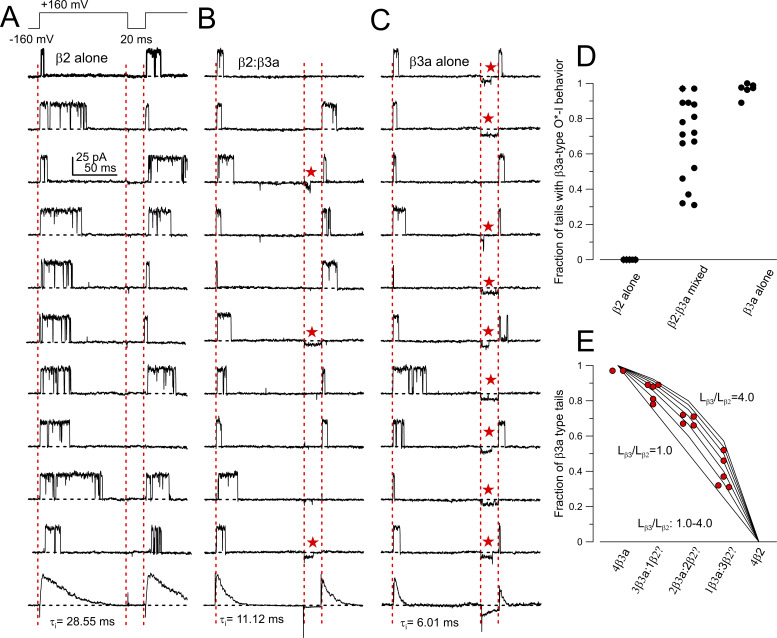 Figure 8
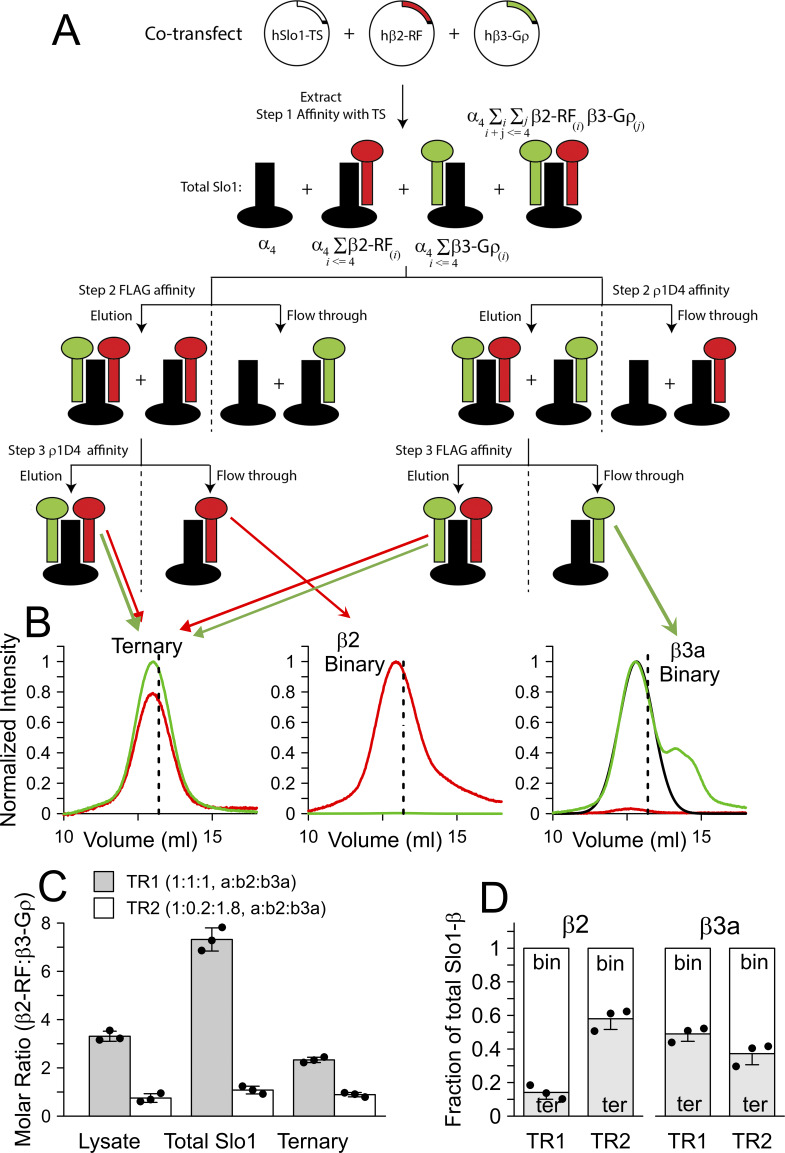 Figure 9
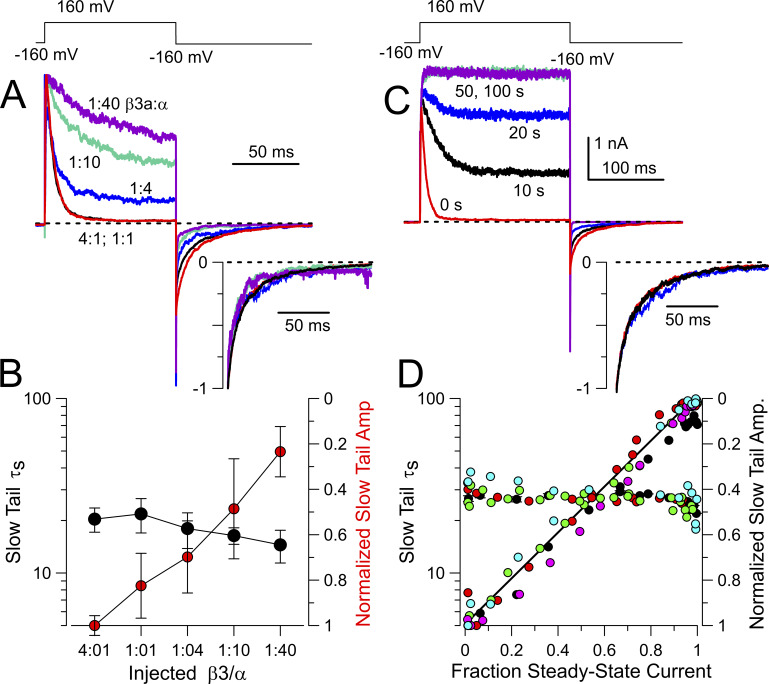 Figure 10
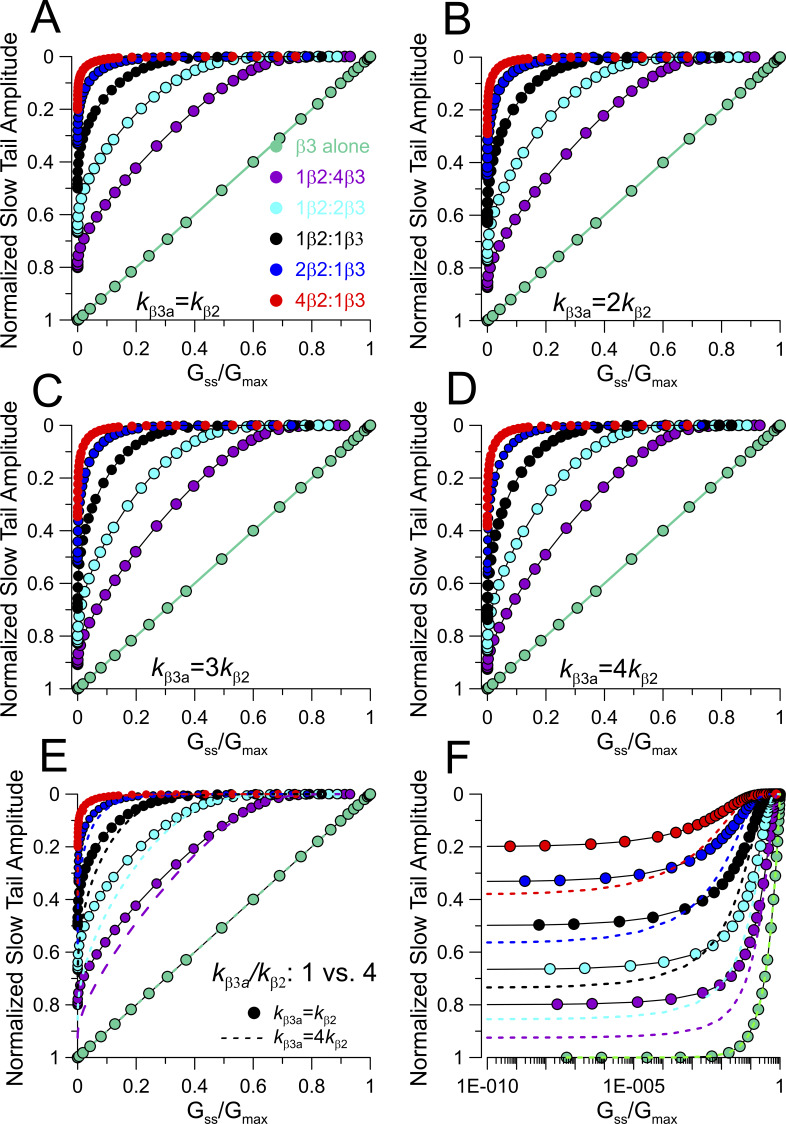 Figure 11
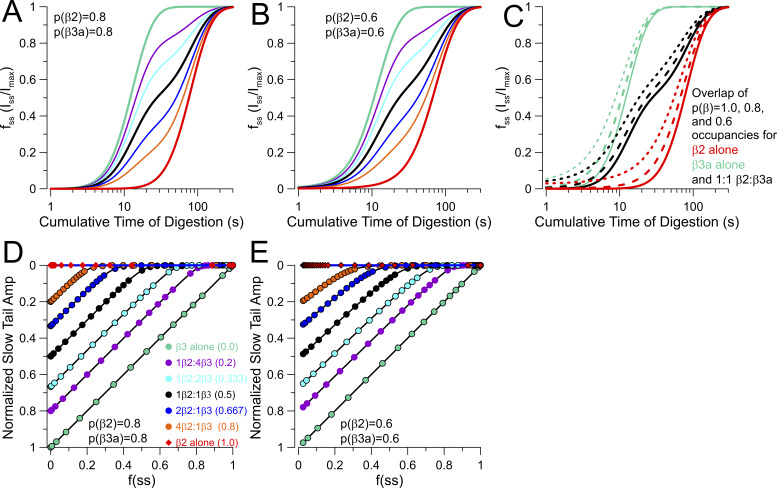 Figure 12
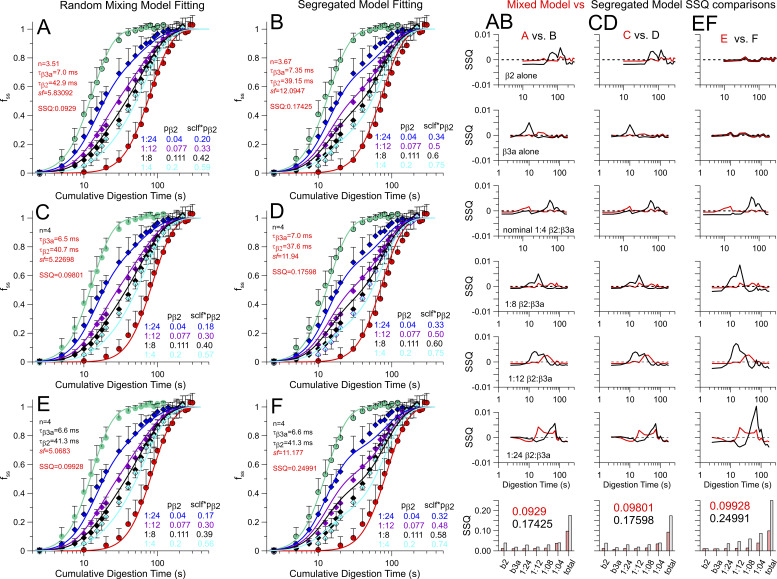 Figure 13
Peer Reviews
No public reviews on file for this paper yet. If you reviewed it on a platform where reviews are public (OpenReview, ICLR, NeurIPS, ICML), you can paste yours below so the community can read it here.
Videos
No videos yet. Explain this paper in a talk, walkthrough, or lecture? Add one.
Taxonomy
TopicsIon channel regulation and function · Ion Channels and Receptors · Cardiac electrophysiology and arrhythmias