Wǔhàn sharpbelly bornavirus infects and persists in cypriniform cells
Mirette I. Y. Eshak, Angele Breithaupt, Birke A. Tews, Christine Luttermann, Kati Franzke, Marion Scheibe, Sören Woelke, Martin Beer, Dennis Rubbenstroth, Florian Pfaff

TL;DR
This study shows that Wuhan sharpbelly bornavirus infects and persists in cypriniform fish cells, with limited replication in other species and insights into its immune evasion and transcription strategies.
Contribution
The study experimentally validates in silico predictions about WhSBV and reveals its host range, persistence mechanisms, and transcriptional features.
Findings
WhSBV efficiently replicates and persists in cypriniform fish cells with time-dependent viral RNA increase.
The virus evades early immune detection and triggers antiviral responses only at later stages of infection.
Polycistronic mRNAs and RNA splicing were identified, confirming computational predictions of viral transcription.
Abstract
Our recent study using in silico data mining identified novel culterviruses (family: Bornaviridae) in fish, including a variant of Wuhan sharpbelly bornavirus (WhSBV) in grass carp kidney and liver cell lines. Here, metagenomic sequencing of different fish cell lines revealed WhSBV in two cell lines from grass carp (Ctenopharyngodon idella; order: Cypriniformes). Using these cell lines, we investigated the ability of WhSBV to infect and establish persistent infection in other cell lines from bony fish (Cypriniformes, Chichliformes, Salmoniformes, Centrarchiformes, and Spariformes), reptiles (Testudines and Squamata), birds (Galliformes), and mammals (Primates and Rodentia). WhSBV showed efficient replication and a time-dependent increase in viral RNA levels in cypriniform cells, whereas replication was limited, confined to single cells, and lacked a clear time-dependent increase in…
Genes, proteins, chemicals, diseases, species, mutations and cell lines named across the full text — each resolved to its canonical identifier and authoritative record.
Click any figure to enlarge with its caption.
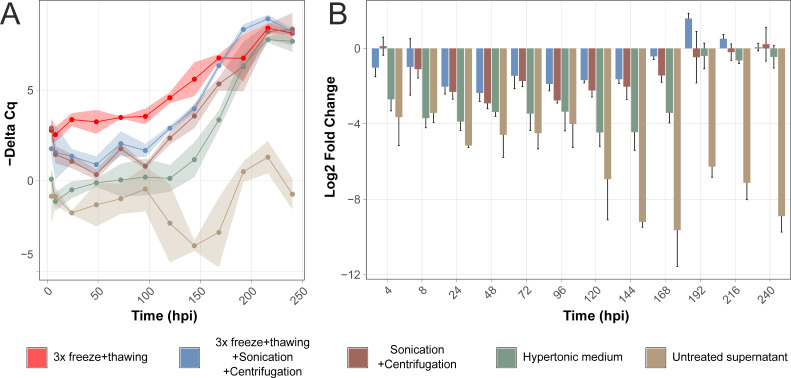 Figure 1
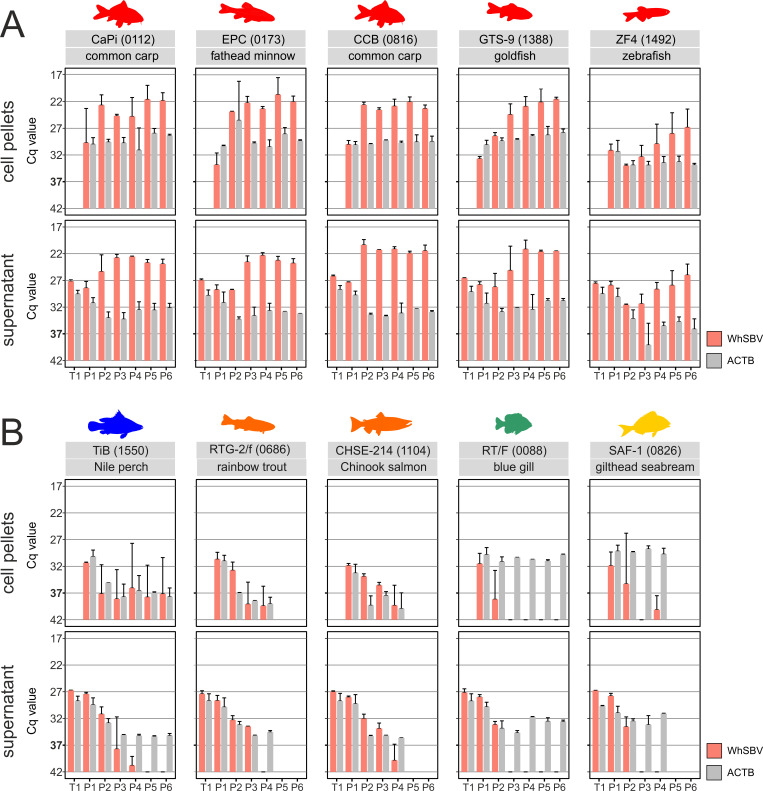 Figure 2
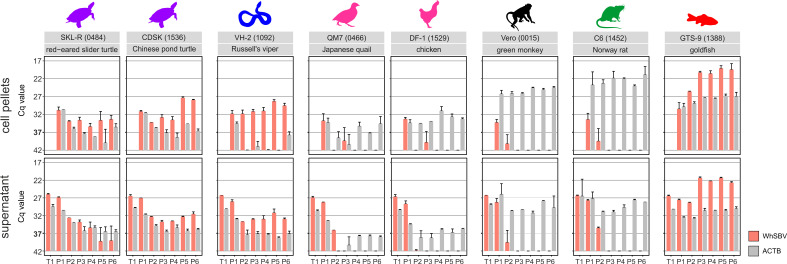 Figure 3
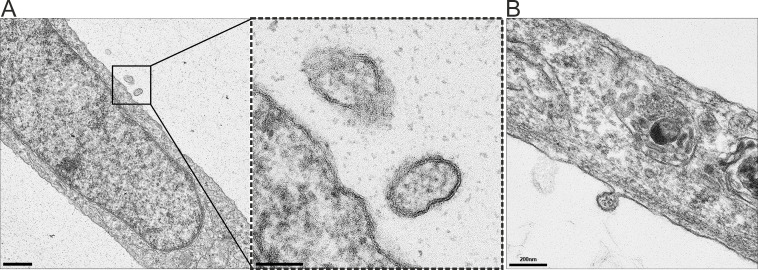 Figure 4
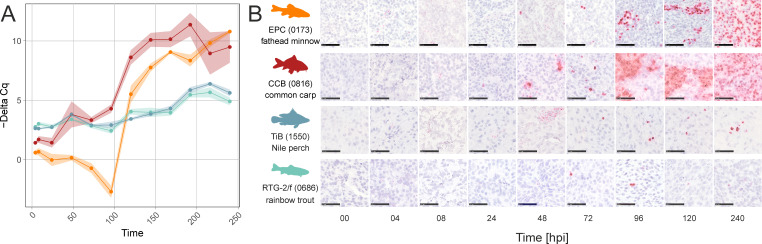 Figure 5
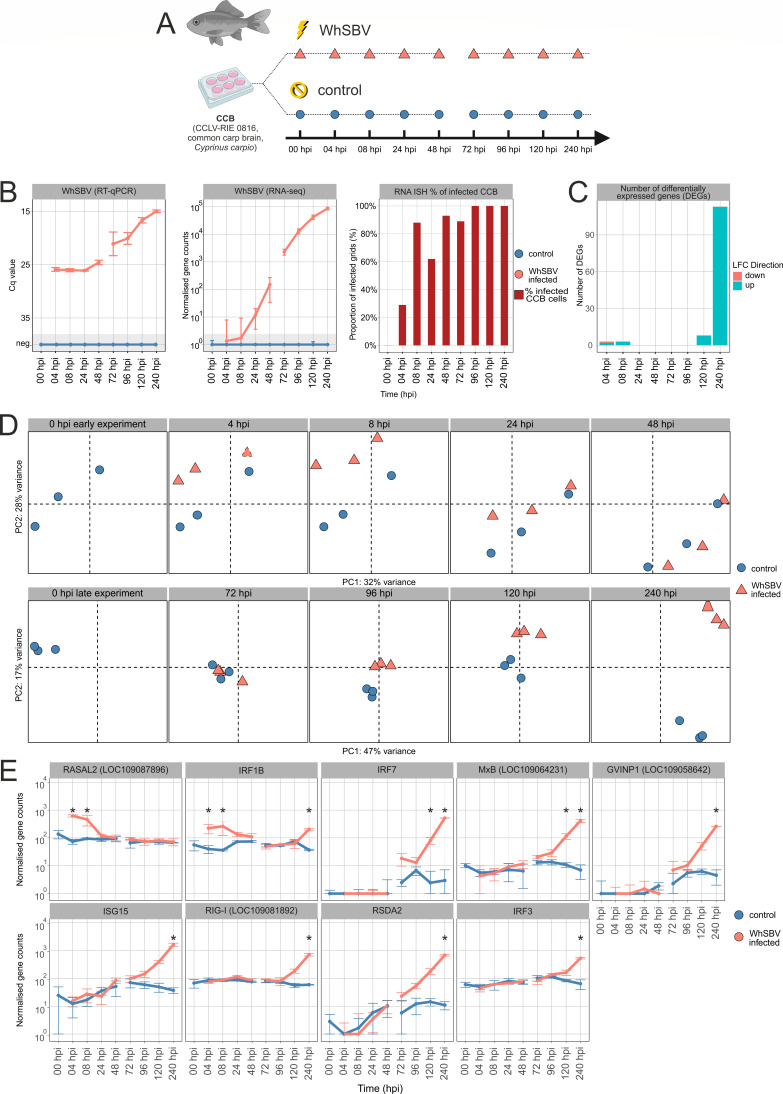 Figure 6
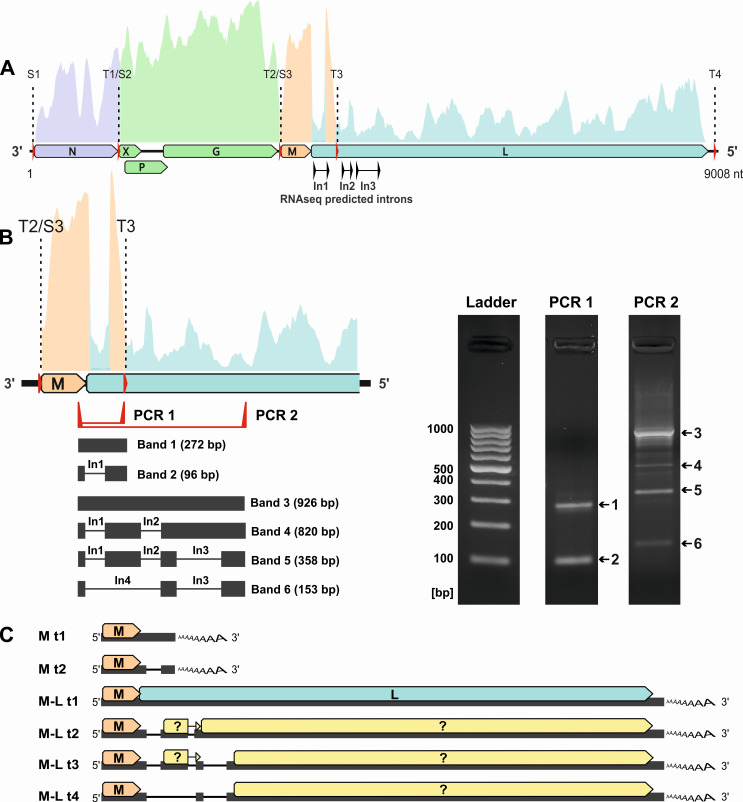 Figure 7
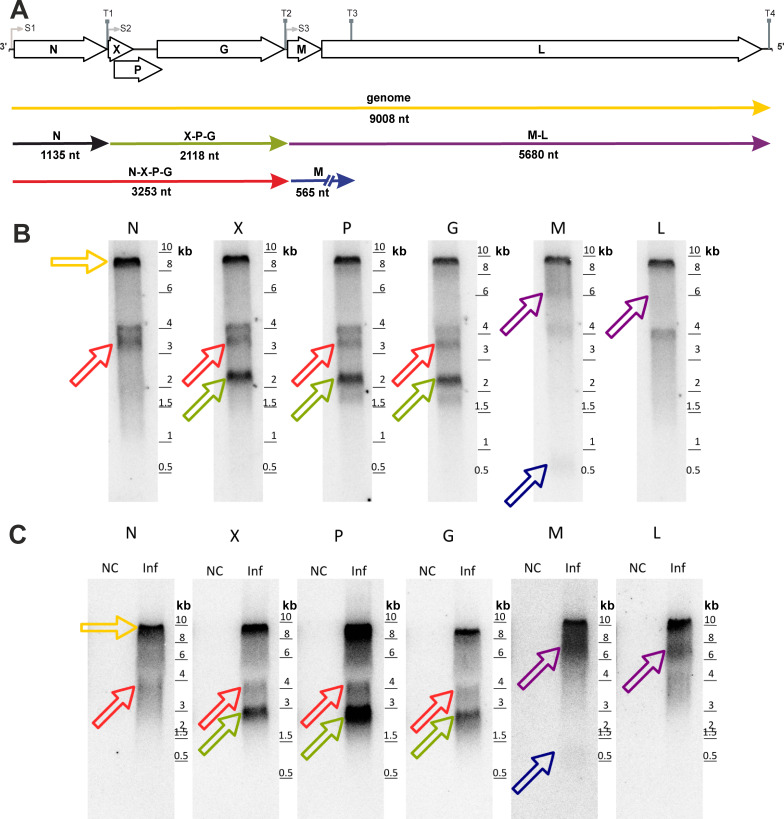 Figure 8
 Figure 9
Peer Reviews
No public reviews on file for this paper yet. If you reviewed it on a platform where reviews are public (OpenReview, ICLR, NeurIPS, ICML), you can paste yours below so the community can read it here.
Videos
No videos yet. Explain this paper in a talk, walkthrough, or lecture? Add one.
Taxonomy
TopicsAquaculture disease management and microbiota · Invertebrate Immune Response Mechanisms · Virology and Viral Diseases