Transient lung eosinophilia during breakthrough influenza infection in vaccinated mice is associated with protective and balanced Type 1/2 immune responses
Lauren A. Chang, Stephen T. Yeung, Prajakta Warang, Moataz Noureddine, Gagandeep Singh, Brett T. Webb, Eleanor Burgess, Michael Schotsaert

TL;DR
The study shows that during influenza breakthrough infection in vaccinated mice, lung eosinophils are part of a balanced immune response that helps clear the virus without causing severe damage.
Contribution
The study reveals that eosinophil infiltration during breakthrough influenza infection is non-pathological and distinct from allergic or primary infections.
Findings
Eosinophils in vaccinated mice during breakthrough infection peak at 7–10 days without causing severe inflammation or lung damage.
Breakthrough infection is associated with Siglec-Fhi eosinophils and preserved alveolar macrophages, distinguishing it from allergic or primary infections.
Extracellular traps from neutrophils and eosinophils are absent in breakthrough infection, suggesting a balanced immune response.
Abstract
Eosinophils are versatile cells that participate in a multitude of homeostatic and inflammatory responses in the lung, ranging from allergic asthma to antiviral defense against respiratory viral infection. In the context of vaccination followed by viral infection, such as breakthrough infection, eosinophils have been linked to aberrant Th2 responses like vaccine-enhanced respiratory disease. Here, we demonstrate that the lung immune cell composition, cytokine and chemokine repertoire, histopathological profile, and systemic humoral response of breakthrough influenza infection in mice are distinct from those of primary influenza infection or allergic sensitization, canonical Type 1 and 2 immune responses, respectively. Longitudinal comparison of breakthrough infection with allergic sensitization and primary influenza infection demonstrated major differences in lung immunity between…
Genes, proteins, chemicals, diseases, species, mutations and cell lines named across the full text — each resolved to its canonical identifier and authoritative record.
Click any figure to enlarge with its caption.
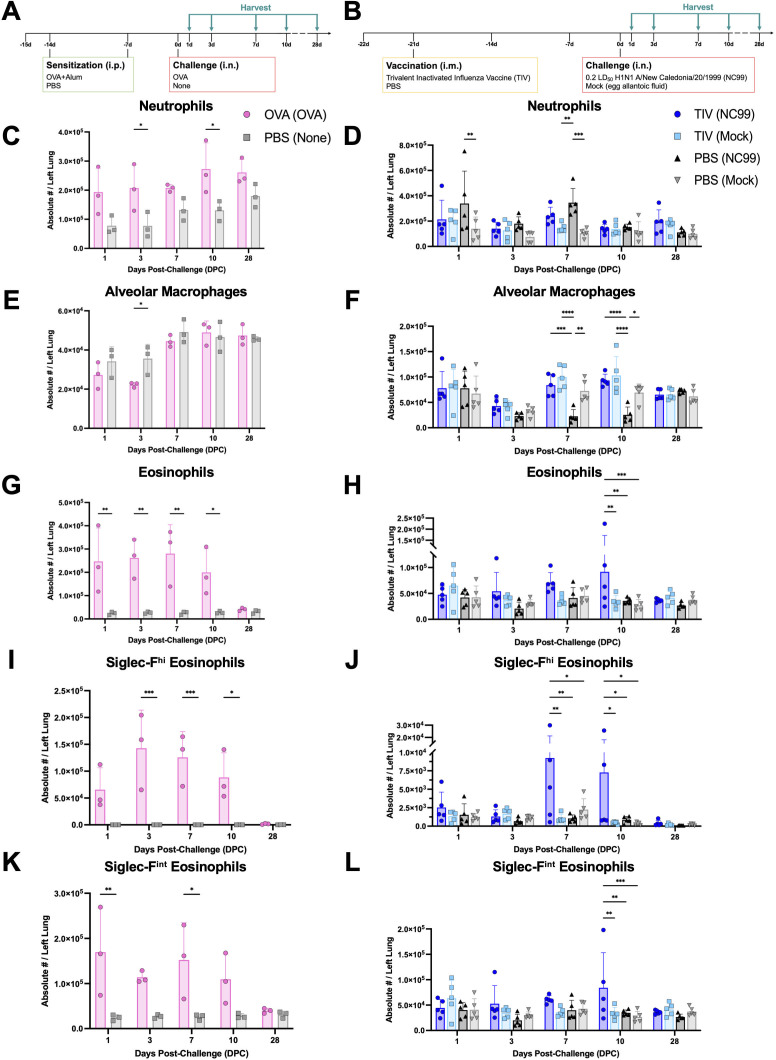 Figure 1
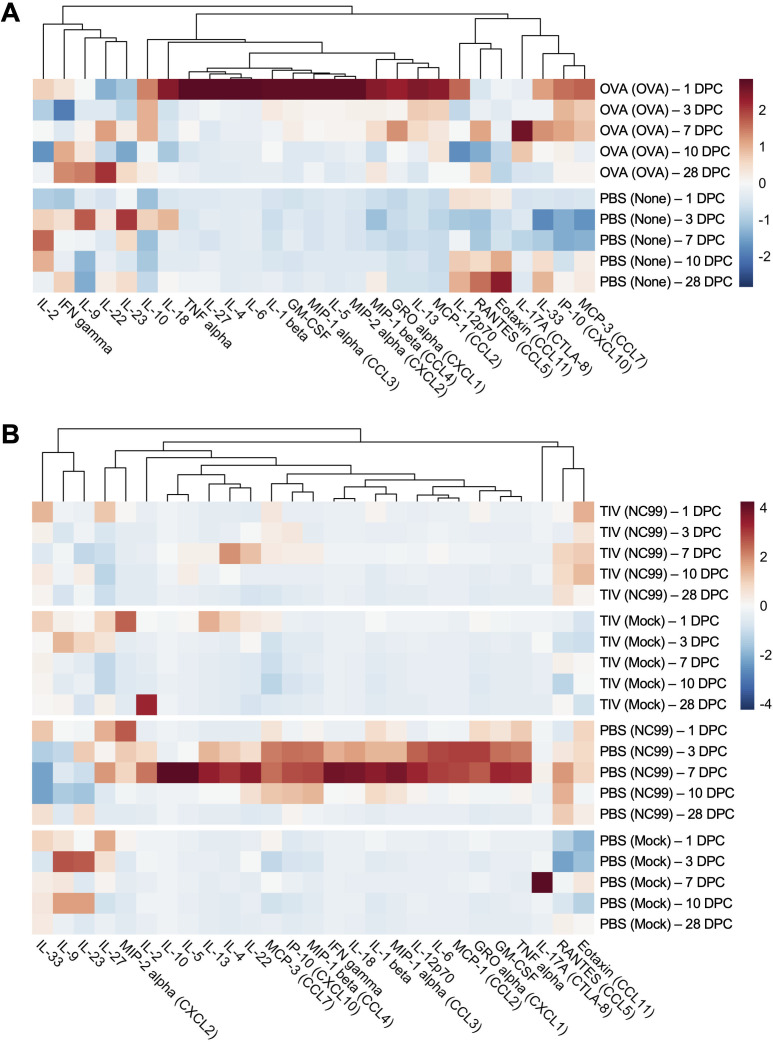 Figure 2
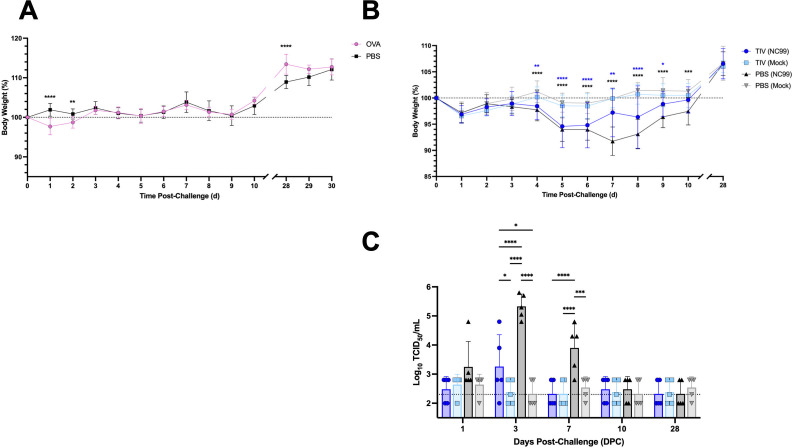 Figure 3
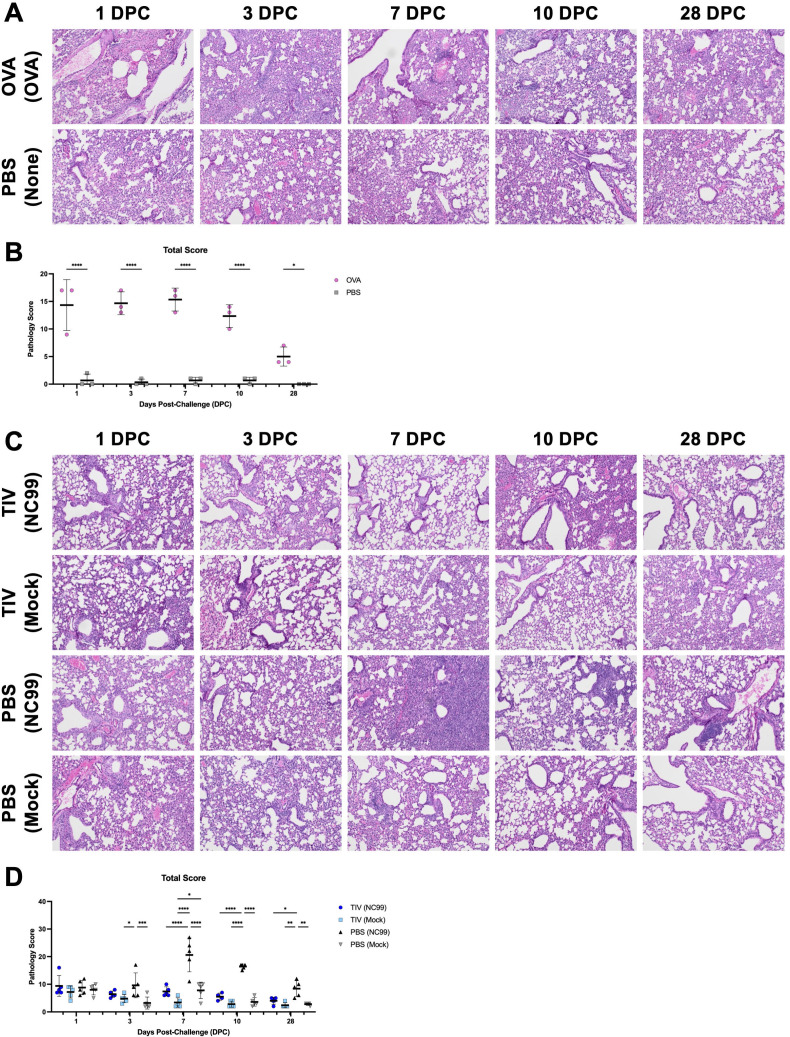 Figure 4
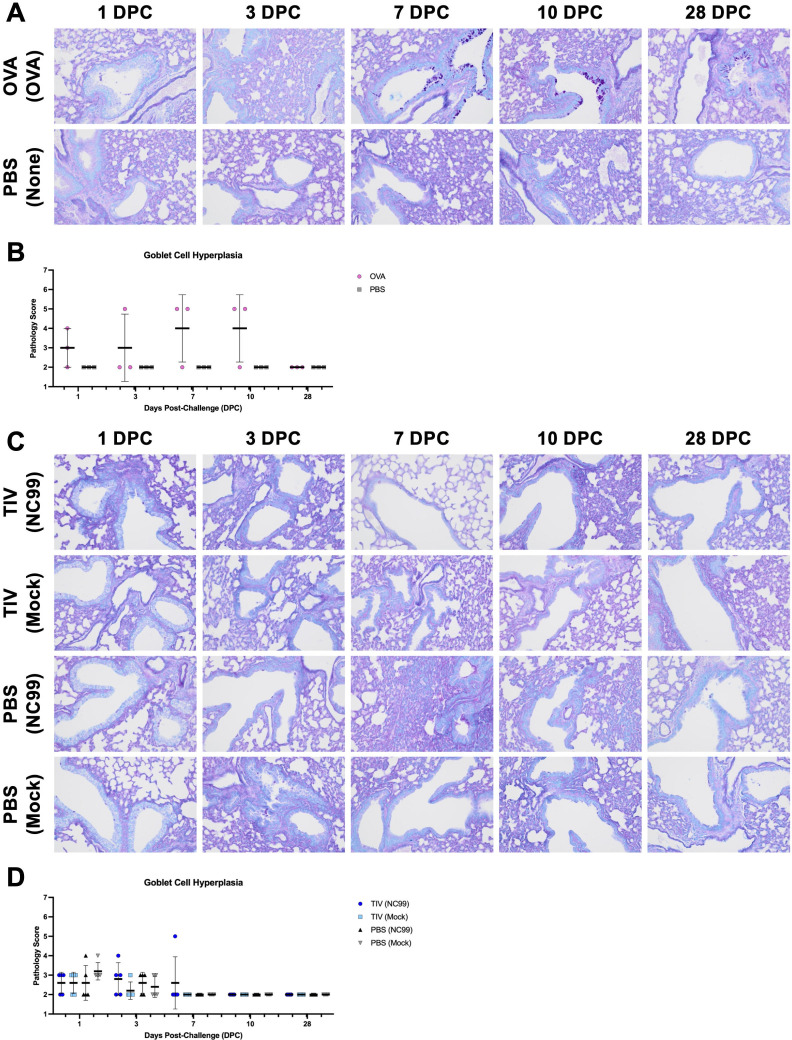 Figure 5
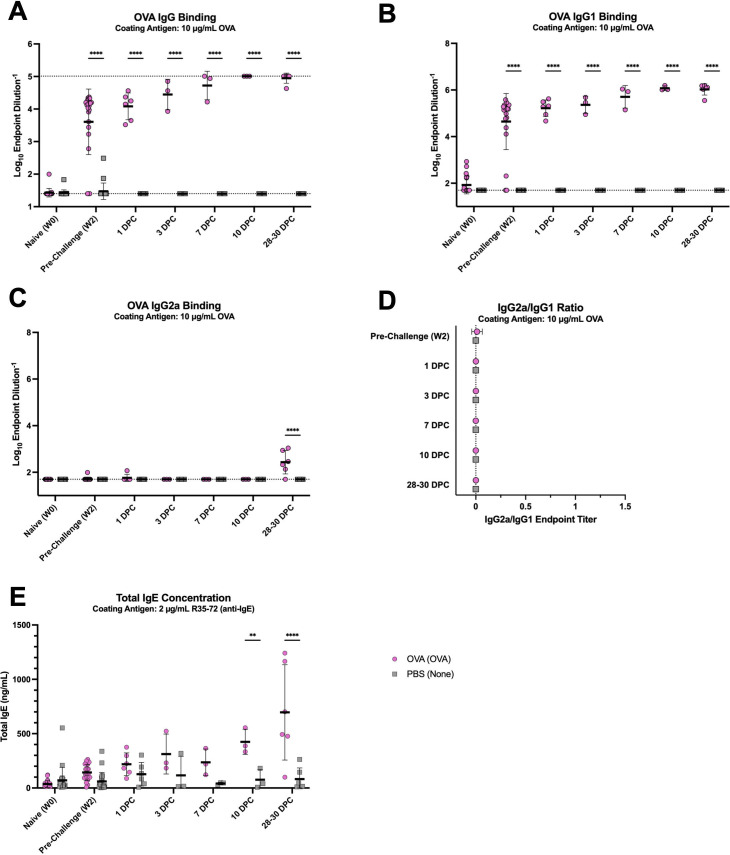 Figure 6
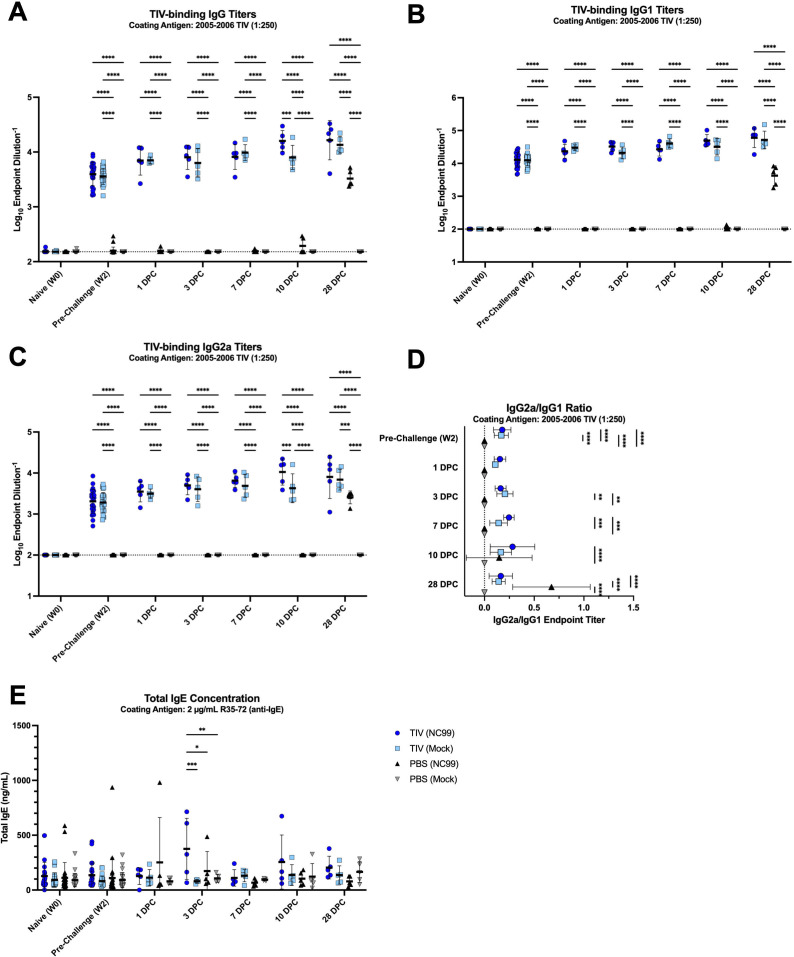 Figure 7
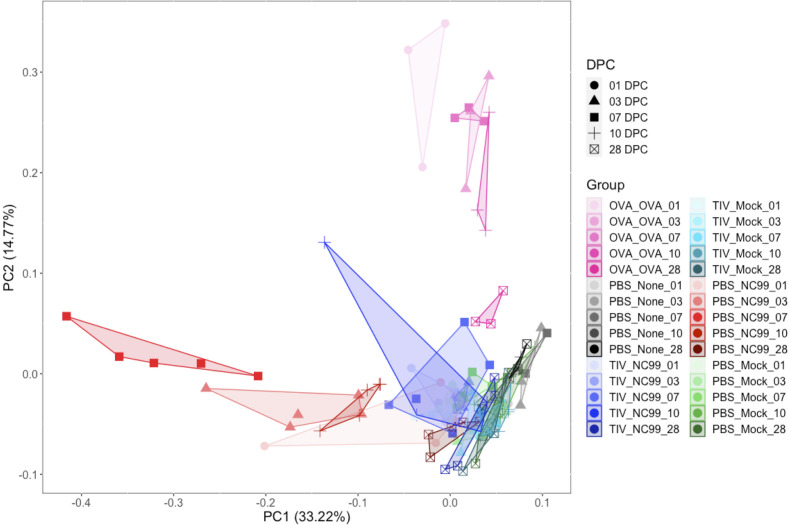 Figure 8
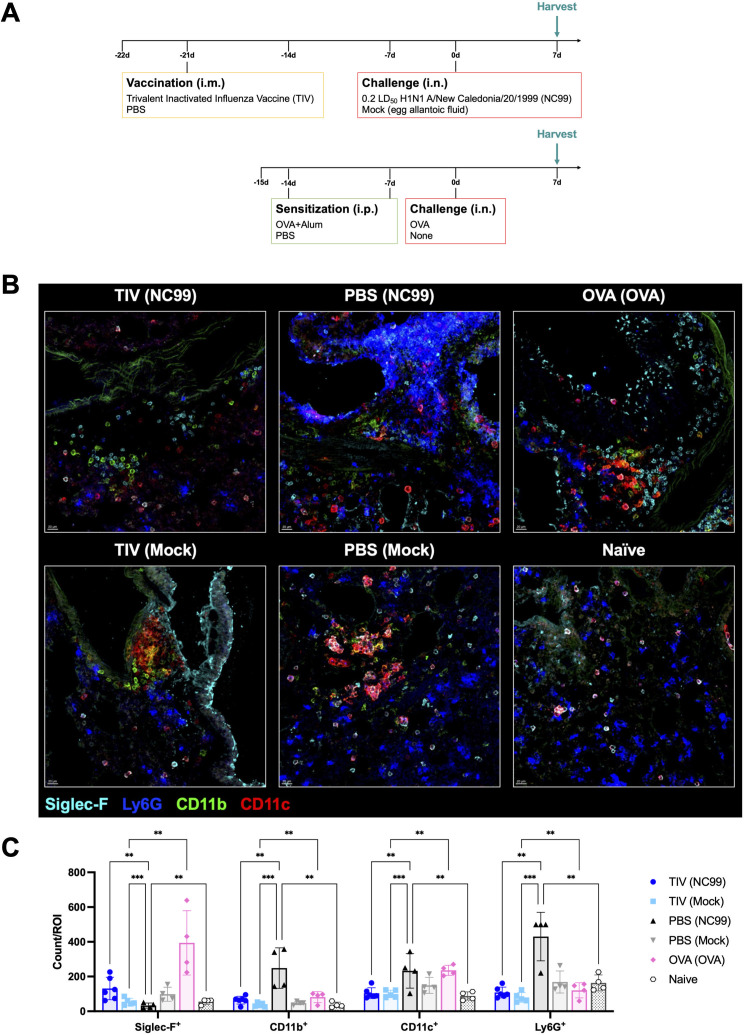 Figure 9
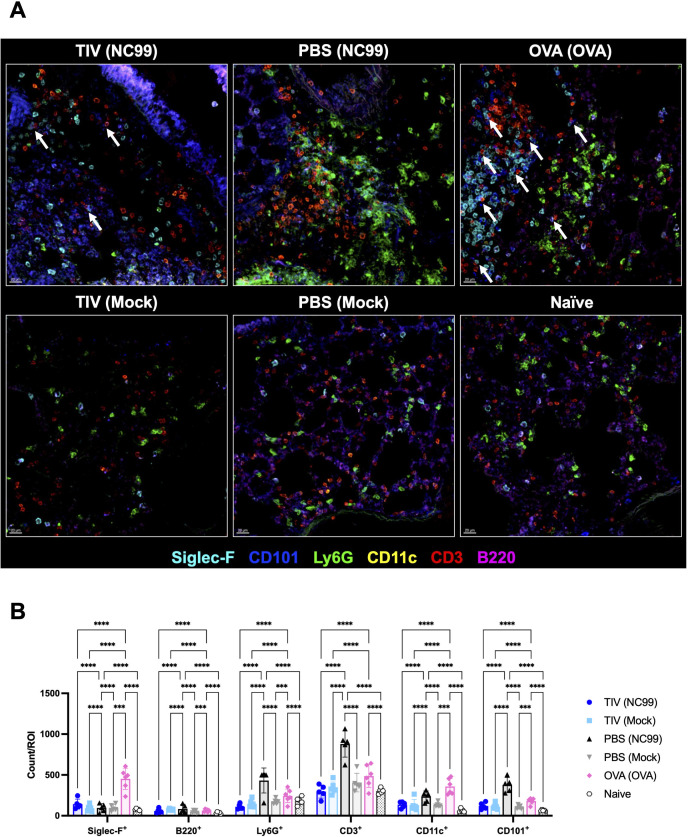 Figure 10
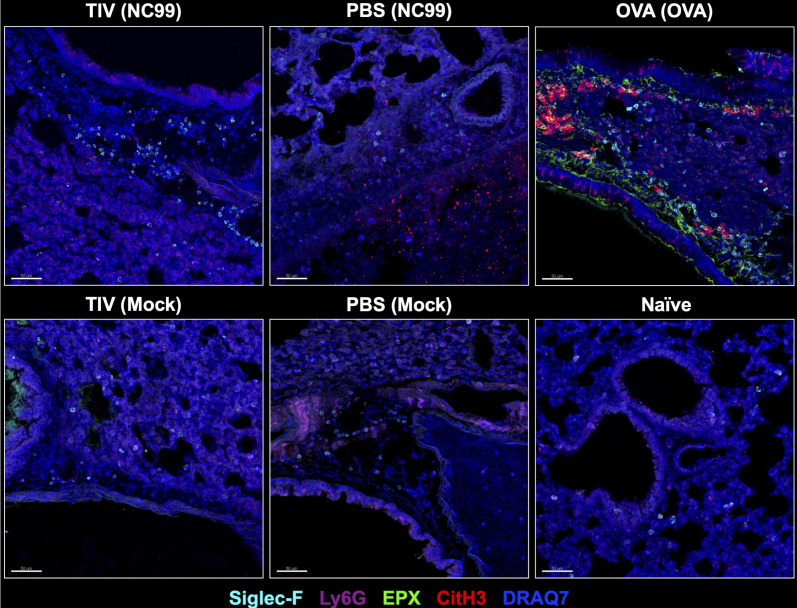 Figure 11
Peer Reviews
No public reviews on file for this paper yet. If you reviewed it on a platform where reviews are public (OpenReview, ICLR, NeurIPS, ICML), you can paste yours below so the community can read it here.
Videos
No videos yet. Explain this paper in a talk, walkthrough, or lecture? Add one.
Taxonomy
TopicsInfluenza Virus Research Studies · Asthma and respiratory diseases · Respiratory viral infections research