A 3D Fusarium keratitis model reveals isolate-specific adhesion and invasion properties in the Fusarium solani species complex
Anna Zimmermann, Johanna Theuersbacher, Hong Han, Léonie Herzog, Benedikt Schrenker, Christian Lotz, Christian Stigloher, Jost Hillenkamp, Kerstin Hünniger-Ast, Grit Walther, Daniel Kampik, Oliver Kurzai, Ronny Martin

TL;DR
A new 3D model of eye infection shows that different Fusarium species cause varying levels of damage, with F. keratoplasticum being the most harmful.
Contribution
A newly established 3D human cornea model reveals isolate-specific adhesion and invasion properties of Fusarium species.
Findings
F. keratoplasticum showed the highest virulence with extensive invasion and host cell damage.
F. falciforme adhered strongly but had limited invasion and damage.
The 3D model showed deeper corneal penetration by Fusarium species compared to C. albicans.
Abstract
Members of the Fusarium solani species complex (FSSC) are major causes of keratitis in humans. The underlying mechanisms leading to this disease are not well understood, partially due to the absence of more complex in vitro infection models. Here, we compared the pathogenicity of keratitis-causing FSSC members F. falciforme, F. keratoplasticum, and F. petroliphilum in a 2D monolayer infection model using a human corneal epithelial cell line and a newly established 3D human cornea infection model which comprises the multilayer epithelium and the stroma. In both models, F. keratoplasticum emerged as the most virulent species, showing extensive invasion and host cell damage and, in rare cases, even inducing the formation of transcellular tunnels. While F. falciforme exhibited strong adhesion to corneal epithelial cells, its capacity for invasion and damage was limited. F. petroliphilum was…
Genes, proteins, chemicals, diseases, species, mutations and cell lines named across the full text — each resolved to its canonical identifier and authoritative record.
Click any figure to enlarge with its caption.
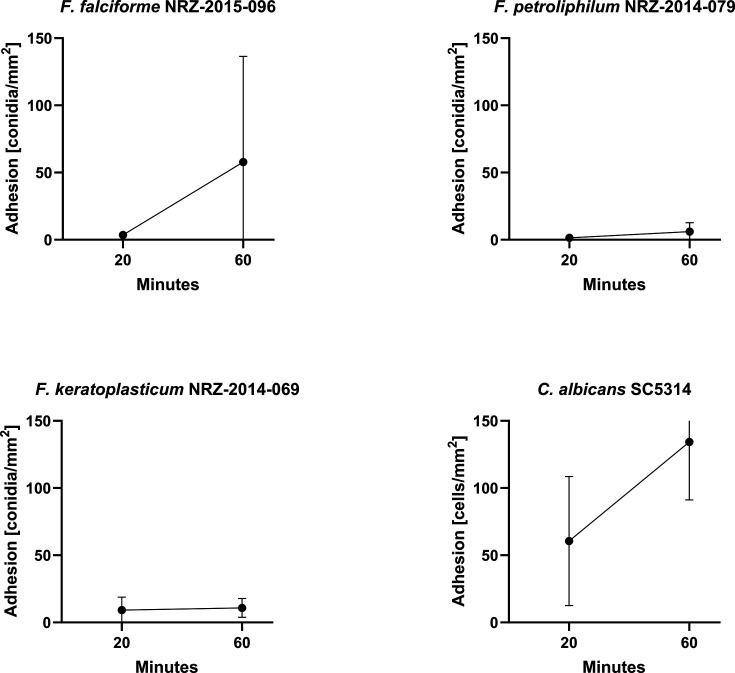 Figure 1
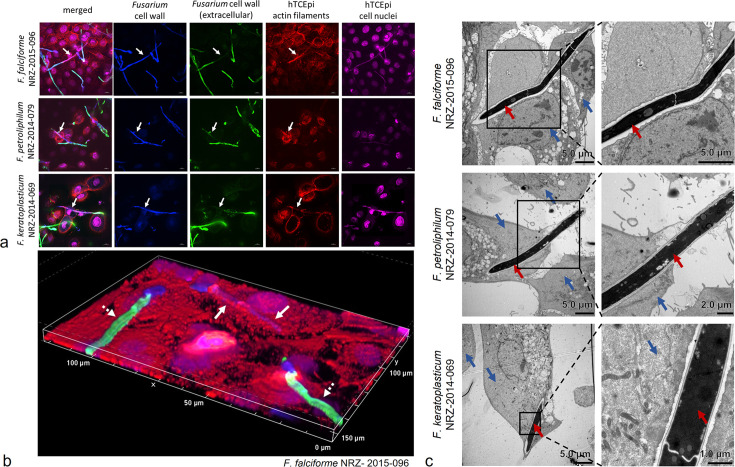 Figure 2
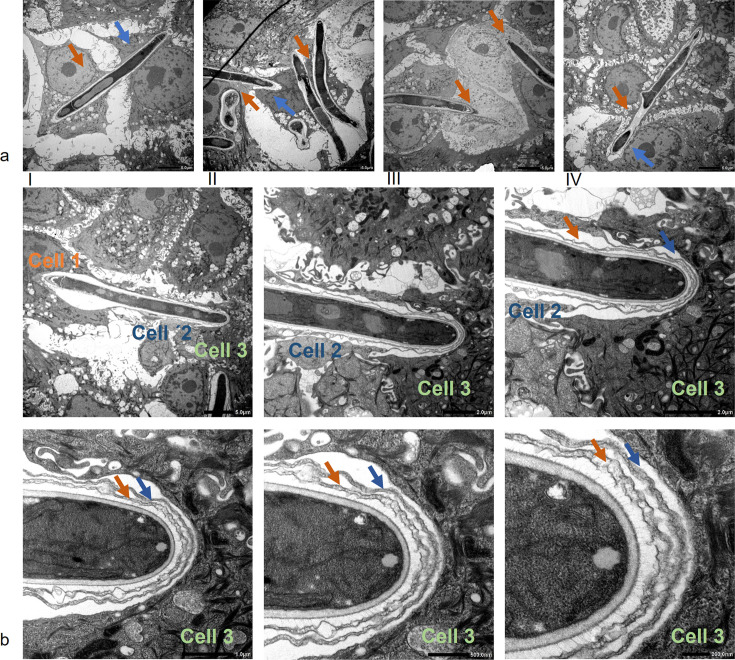 Figure 3
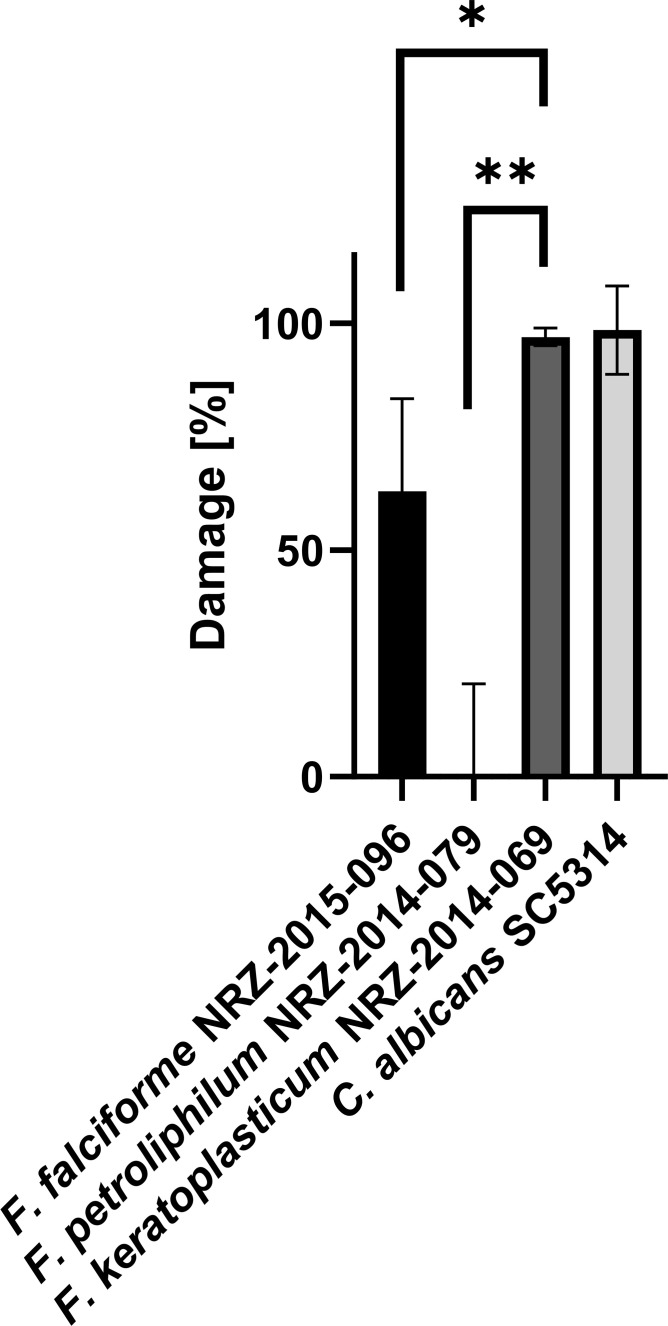 Figure 4
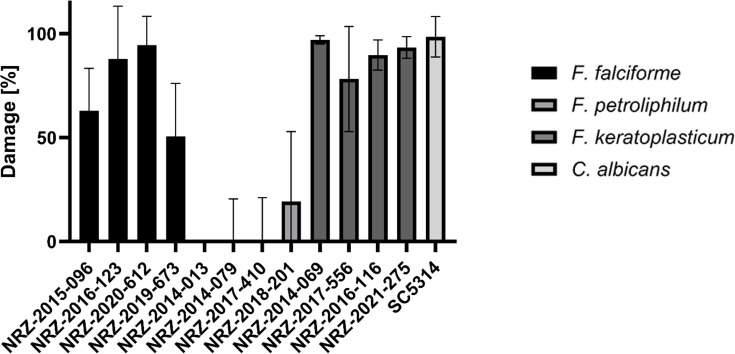 Figure 5
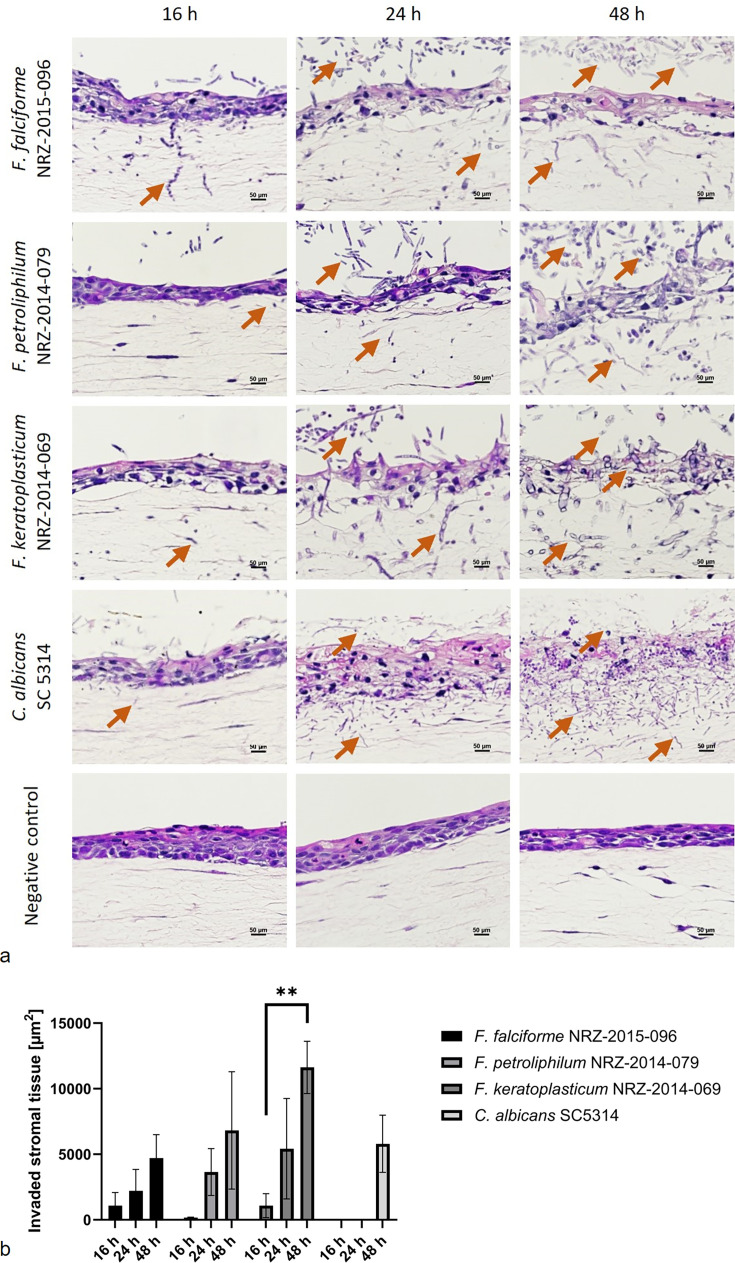 Figure 6
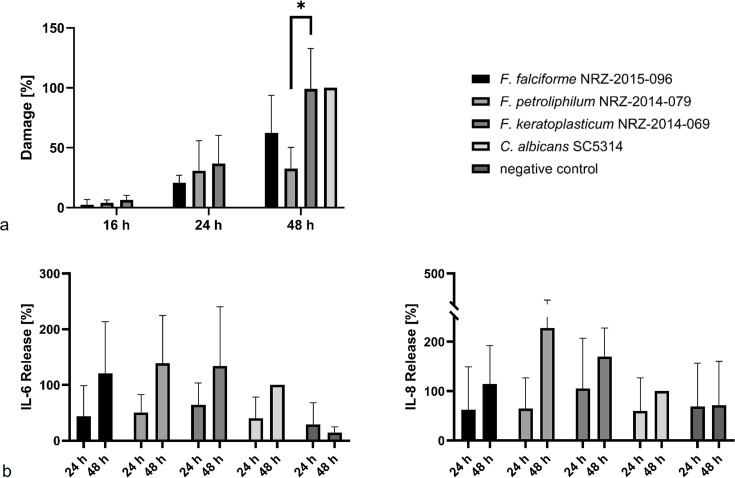 Figure 7
Peer Reviews
No public reviews on file for this paper yet. If you reviewed it on a platform where reviews are public (OpenReview, ICLR, NeurIPS, ICML), you can paste yours below so the community can read it here.
Videos
No videos yet. Explain this paper in a talk, walkthrough, or lecture? Add one.
Taxonomy
TopicsOcular Infections and Treatments · Antifungal resistance and susceptibility · Corneal surgery and disorders