Optimization of VE607 to generate analogs with improved neutralization activities against SARS-CoV-2 variants
Shilei Ding, Derek Yang, Irfan Ullah, Ling Niu, Matthew Unger, Marco A. Díaz-Salinas, Monika Chandravanshi, Fei Zhou, Guillaume Beaudoin-Bussières, Mehdi Benlarbi, William D. Tolbert, Keon-Woong Yoon, Ruixue Xu, Geneviève Laroche, Fleur Gaudette, Abraham J. Morton

TL;DR
Researchers improved a drug called VE607 to better fight new SARS-CoV-2 variants, including KP.3.1.1 and XEC, and found a promising analog that works well in mice.
Contribution
The study introduces VE607 analogs with enhanced neutralization against emerging SARS-CoV-2 variants.
Findings
VE607 analogs showed improved potency against SARS-CoV-2 variants KP.3.1.1 and XEC.
DY-III-281 reduced viral burden and delayed death in transgenic mice infected with SARS-CoV-2.
Combining DY-III-281 with a modified antibody had an additive effect in reducing disease burden in mice.
Abstract
Severe acute respiratory syndrome coronavirus 2 (SARS-CoV-2) infection remains a threat to human health, particularly among immunocompromised and elderly individuals, given their heightened vulnerability to coronavirus disease 2019 (COVID-19)-associated morbidity and mortality. Recently, omicron subvariants such as KP.3.1.1 and XEC have emerged with an enhanced ability to evade humoral immunity. The development of new strategies against these variants of concern remains an intense area of research. The small molecule VE607 is an entry inhibitor that targets the Spike glycoprotein and delays virus spread in vivo. To improve the potency of this new class of SARS-CoV-2 entry inhibitors, we generated and characterized VE607 analogs and identified candidates with enhanced activity against variants, including KP.3.1.1 and XEC. Promising analogs exhibited higher inhibitory potency than the…
Genes, proteins, chemicals, diseases, species, mutations and cell lines named across the full text — each resolved to its canonical identifier and authoritative record.
Click any figure to enlarge with its caption.
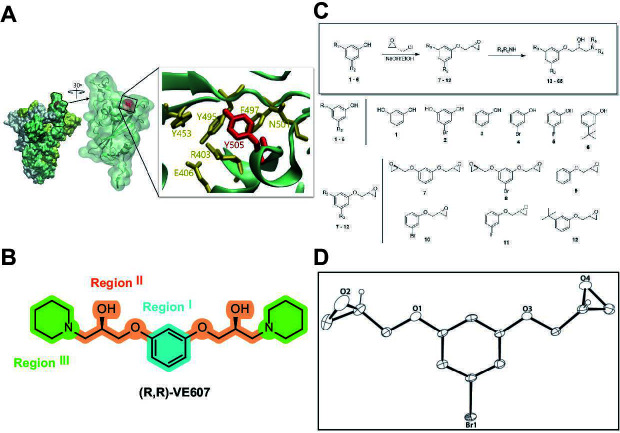 Figure 1
 Figure 2
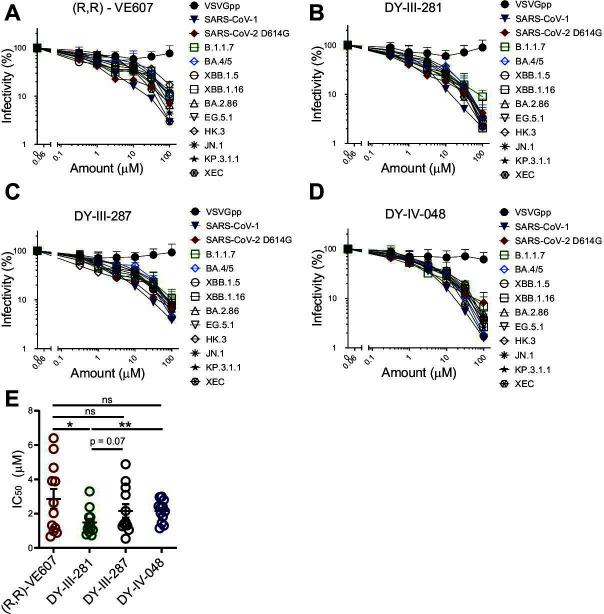 Figure 3
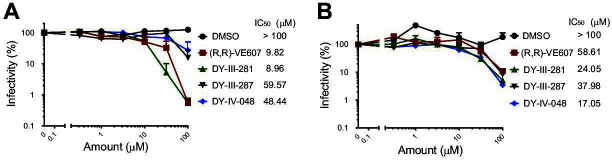 Figure 4
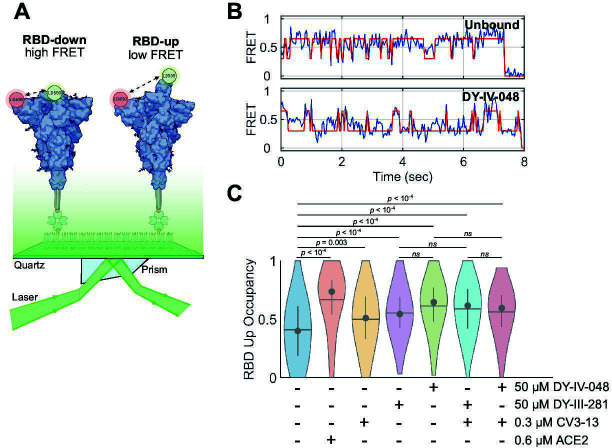 Figure 5
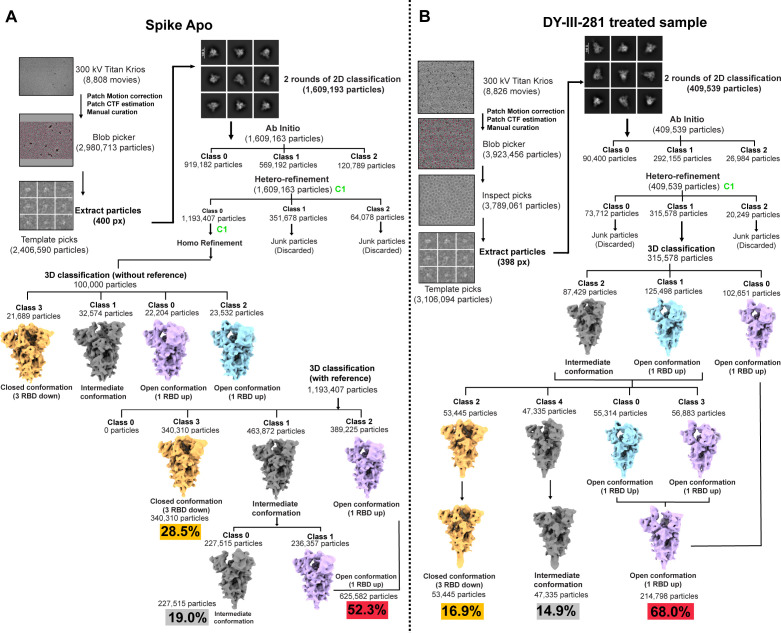 Figure 6
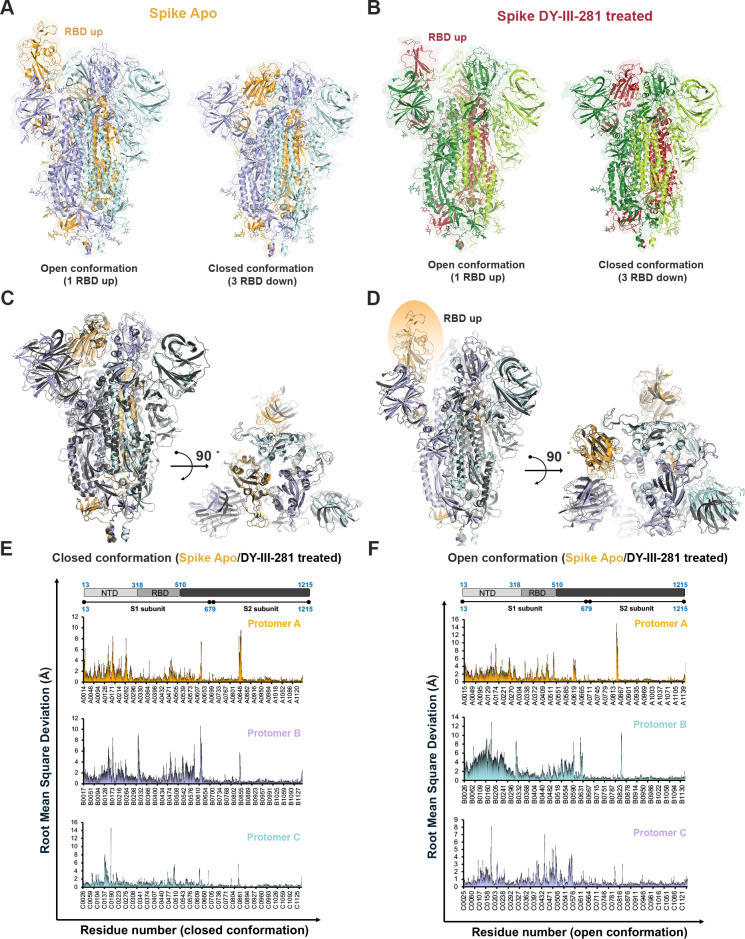 Figure 7
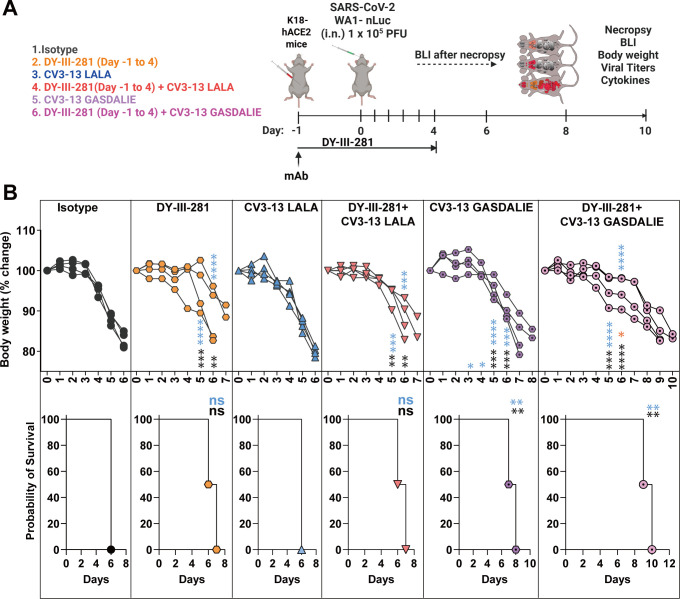 Figure 8
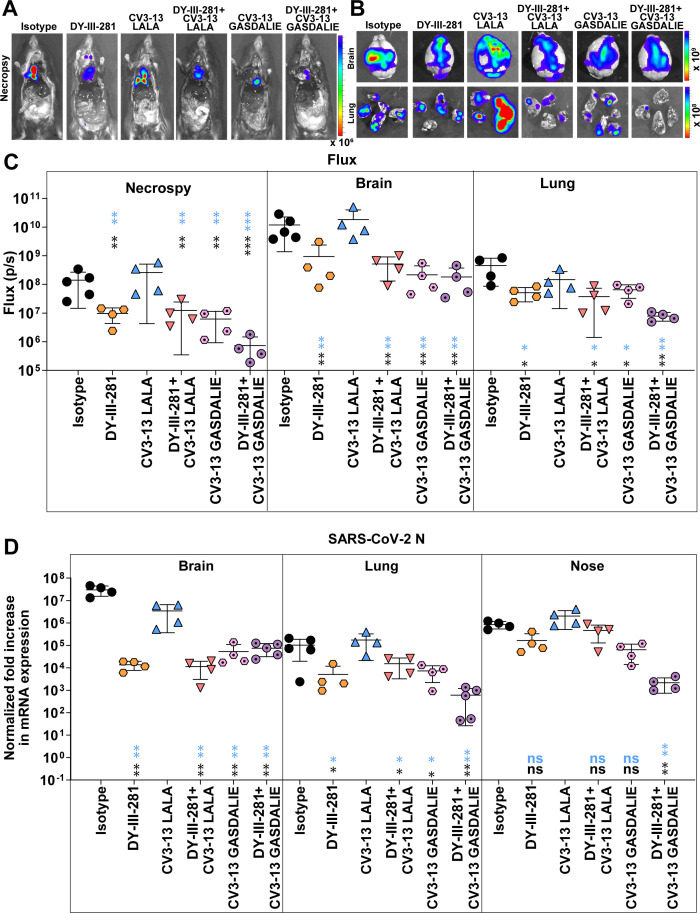 Figure 9
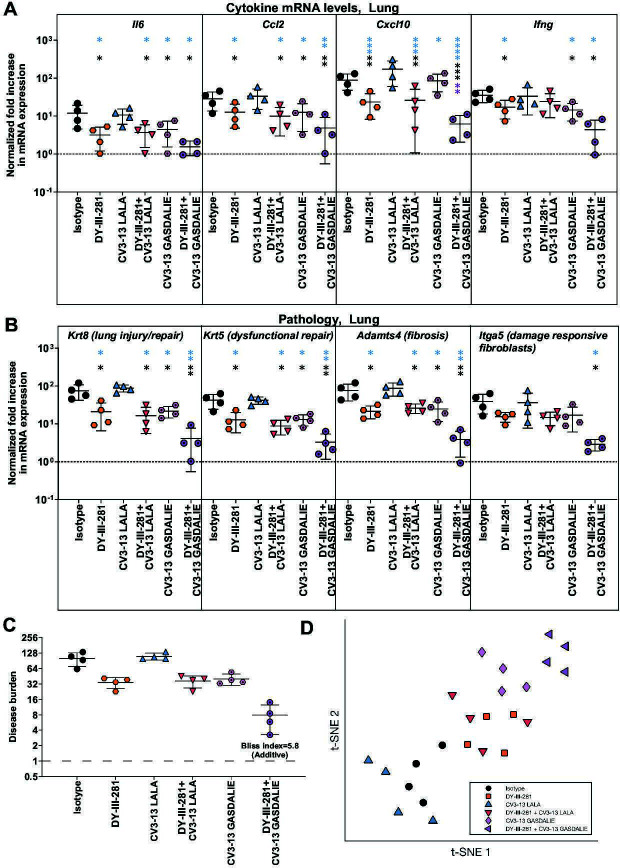 Figure 10
 Figure 11
 Figure 12
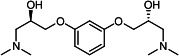 Figure 13
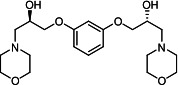 Figure 14
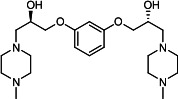 Figure 15
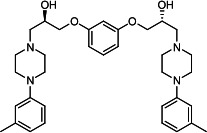 Figure 16
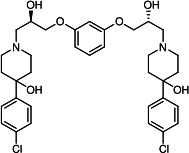 Figure 17
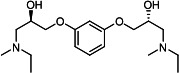 Figure 18
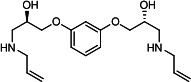 Figure 19
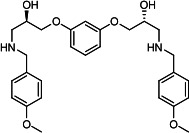 Figure 20
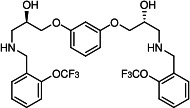 Figure 21
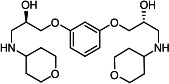 Figure 22
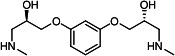 Figure 23
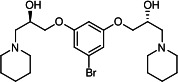 Figure 24
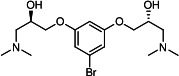 Figure 25
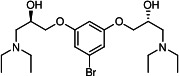 Figure 26
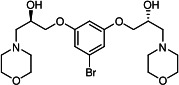 Figure 27
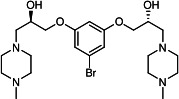 Figure 28
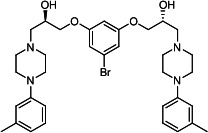 Figure 29
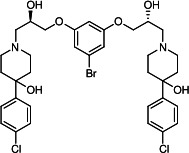 Figure 30
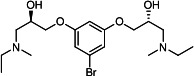 Figure 31
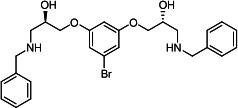 Figure 32
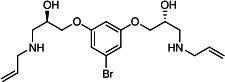 Figure 33
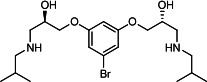 Figure 34
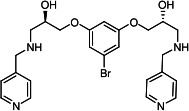 Figure 35
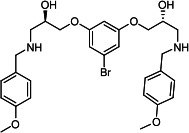 Figure 36
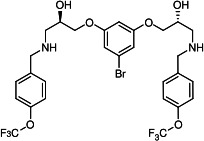 Figure 37
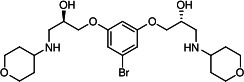 Figure 38
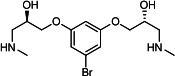 Figure 39
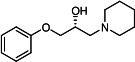 Figure 40
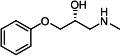 Figure 41
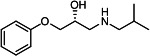 Figure 42
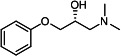 Figure 43
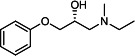 Figure 44
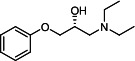 Figure 45
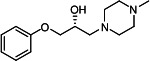 Figure 46
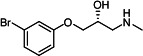 Figure 47
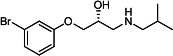 Figure 48
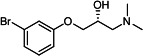 Figure 49
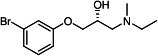 Figure 50
Peer Reviews
No public reviews on file for this paper yet. If you reviewed it on a platform where reviews are public (OpenReview, ICLR, NeurIPS, ICML), you can paste yours below so the community can read it here.
Videos
No videos yet. Explain this paper in a talk, walkthrough, or lecture? Add one.
Taxonomy
TopicsSARS-CoV-2 and COVID-19 Research · vaccines and immunoinformatics approaches · Monoclonal and Polyclonal Antibodies Research