Niacin, an active form of vitamin B3, exerts antiviral function by recruiting β-arrestin through GPR109A to activate the phosphorylation of ERK and STAT1 axis
Shunran Li, Jin Zhao, Ziwen Song, Xinyu Zhang, Bing Lang, Congcong Wang, Huanle Luo, Jun Qian, Caijun Sun

TL;DR
Niacin, a form of vitamin B3, can act as an antiviral by activating a cell signaling pathway through GPR109A, potentially offering a new treatment option.
Contribution
Niacin is shown to act as an antiviral agent by recruiting β-arrestin via GPR109A to activate ERK-STAT phosphorylation.
Findings
Niacin binds to GPR109A and recruits β-arrestin to promote ERK-STAT phosphorylation.
Niacin activates interferon signaling, enhancing the host's antiviral response.
Niacin's antiviral potential suggests repurposing for therapeutic use.
Abstract
The emergence of viral infectious diseases poses a significant threat to public health, and thus the development of effective and safe antiviral drugs is becoming an urgent priority in the pandemic era. Niacin is an active form of vitamin B3 and has been used for hyperlipidemia treatment for decades, with well-established safety and pharmacological profiles. In this study, niacin was found to be a promising antiviral agent with both nutritional and therapeutic benefits. Further data showed that niacin could bind to its receptor GPR109A and then recruit β-arrestin to promote the ERK-STAT phosphorylation axis, subsequently leading to the activation of interferon signaling. Therefore, these findings provided evidence for repurposing this well-established drug as an antiviral agent and also highlighted the potential of GPR109A as a novel target in antiviral therapy. The frequent emergence…
Genes, proteins, chemicals, diseases, species, mutations and cell lines named across the full text — each resolved to its canonical identifier and authoritative record.
Click any figure to enlarge with its caption.
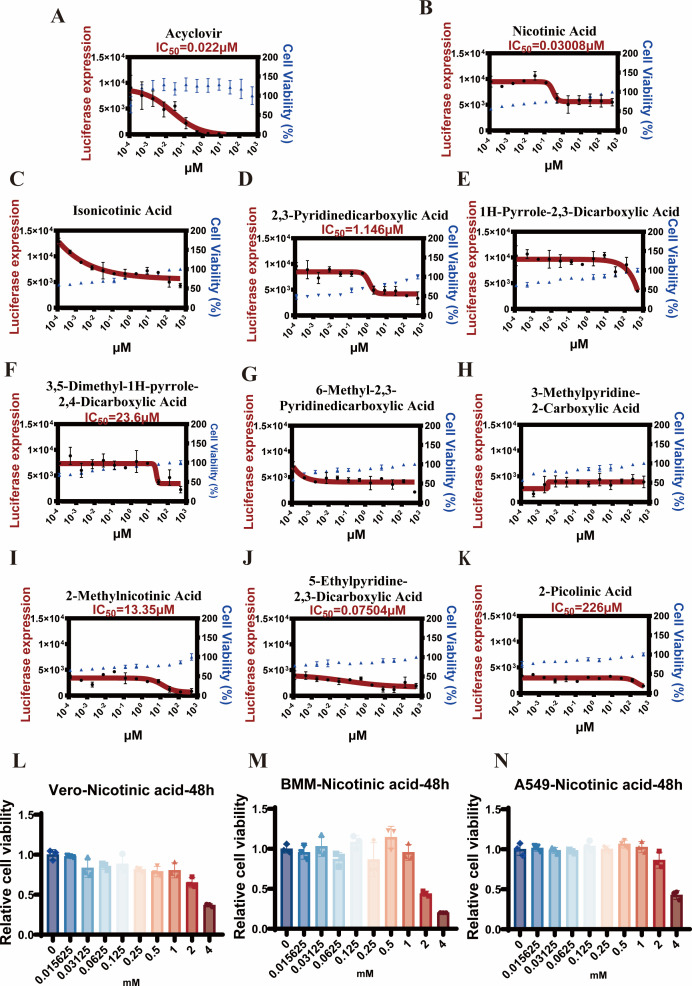 Figure 1
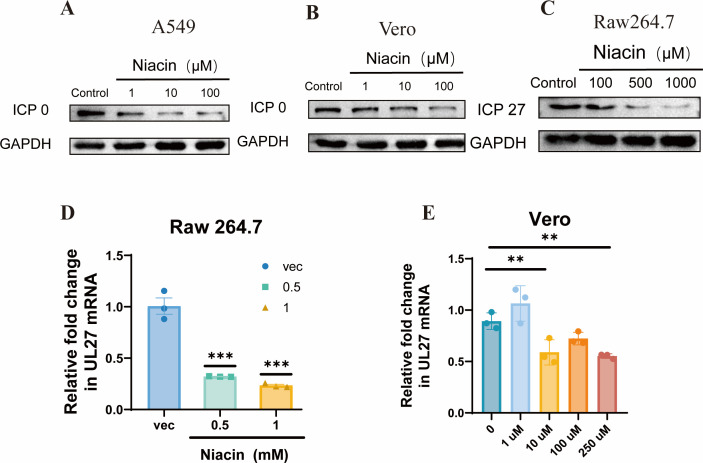 Figure 2
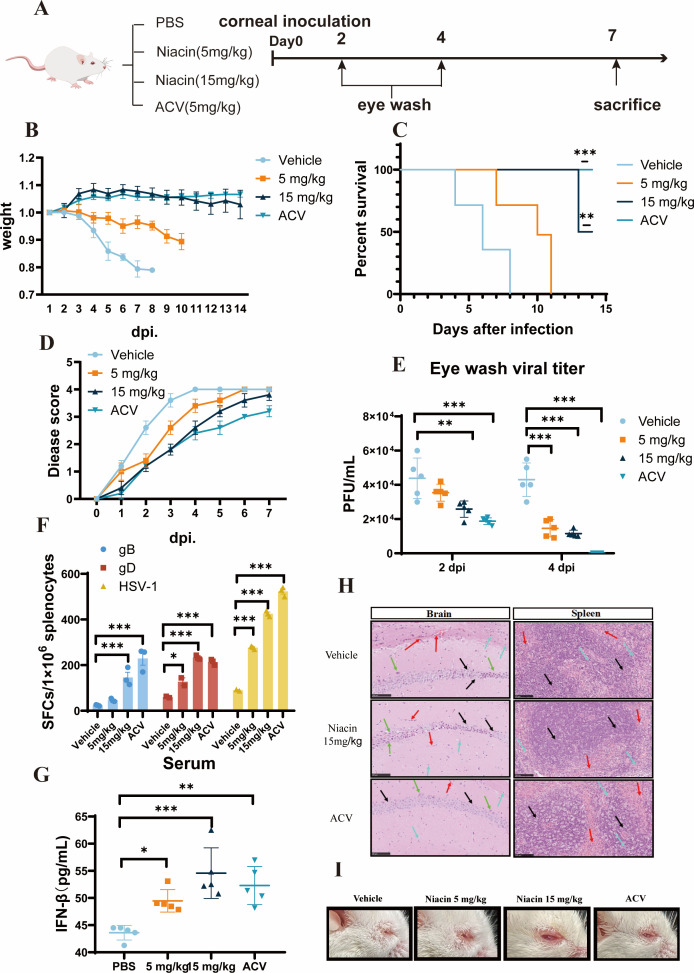 Figure 3
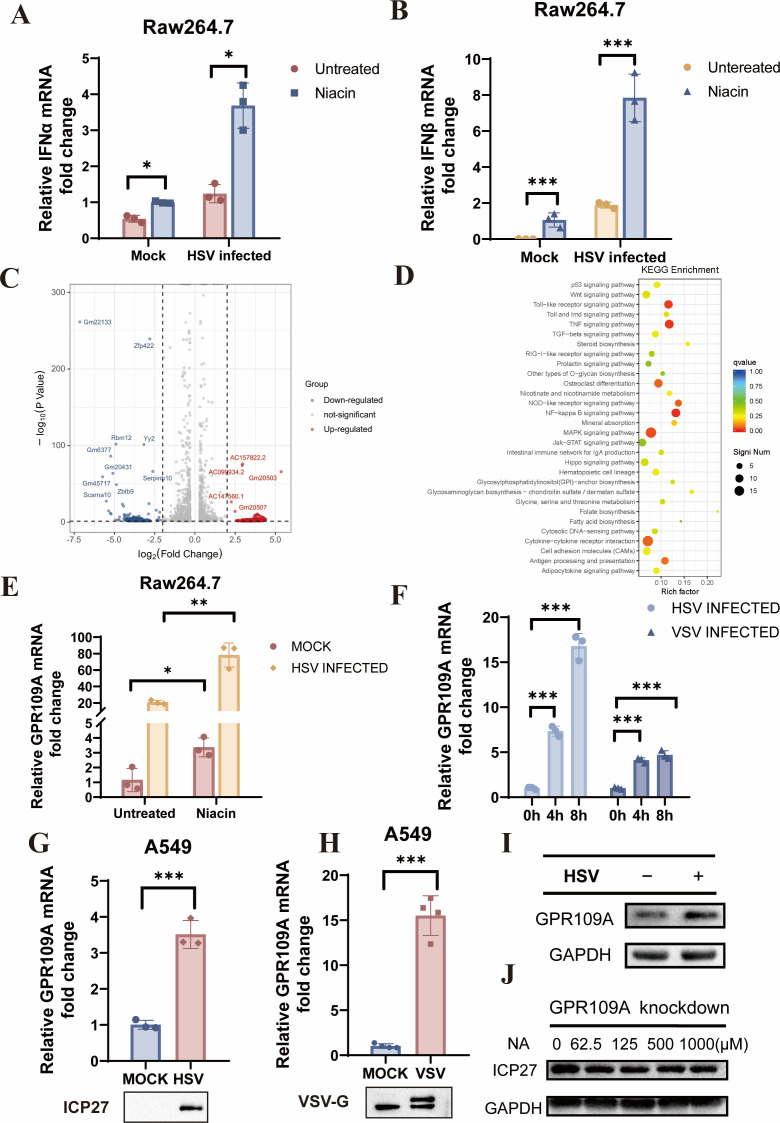 Figure 4
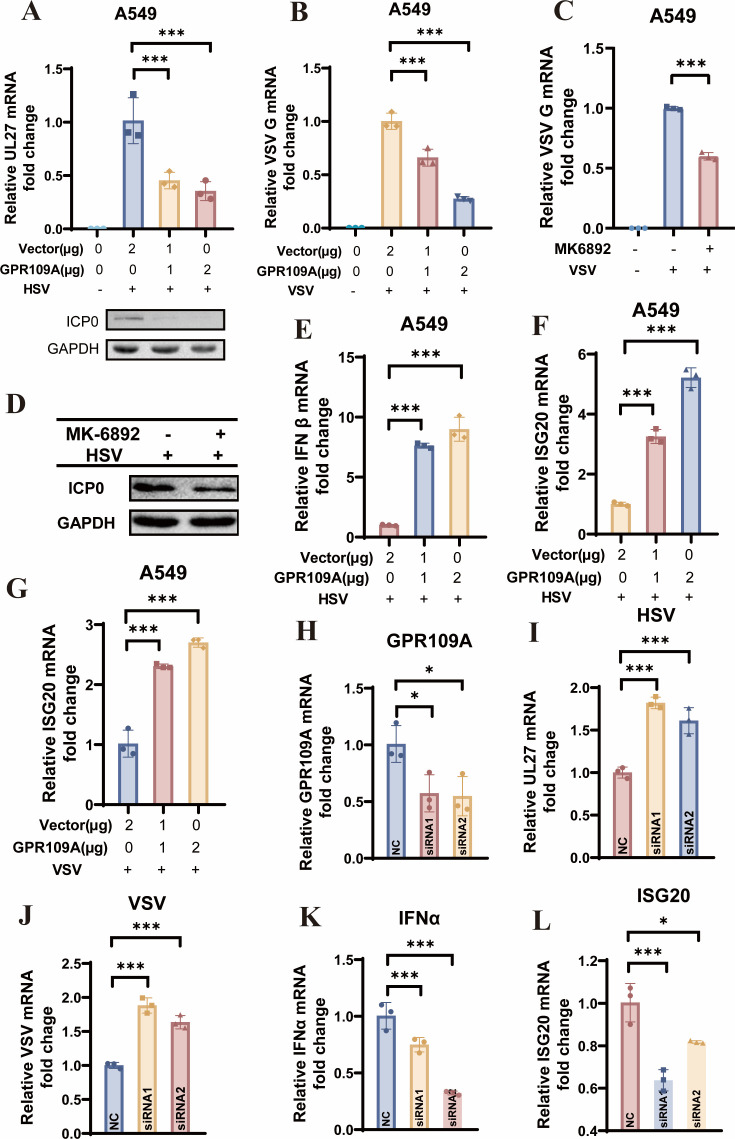 Figure 5
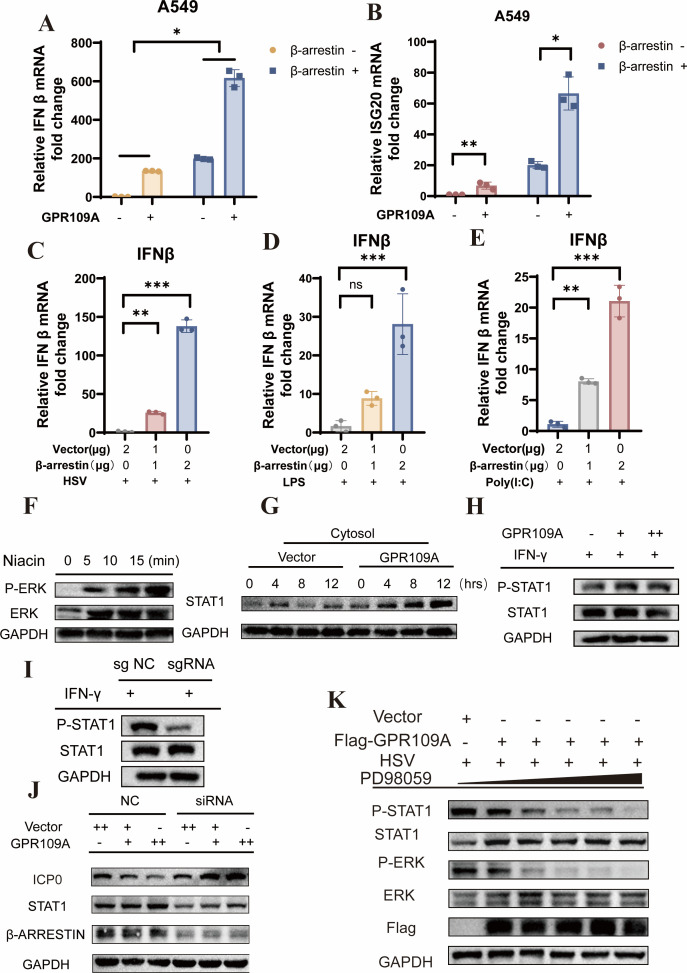 Figure 6
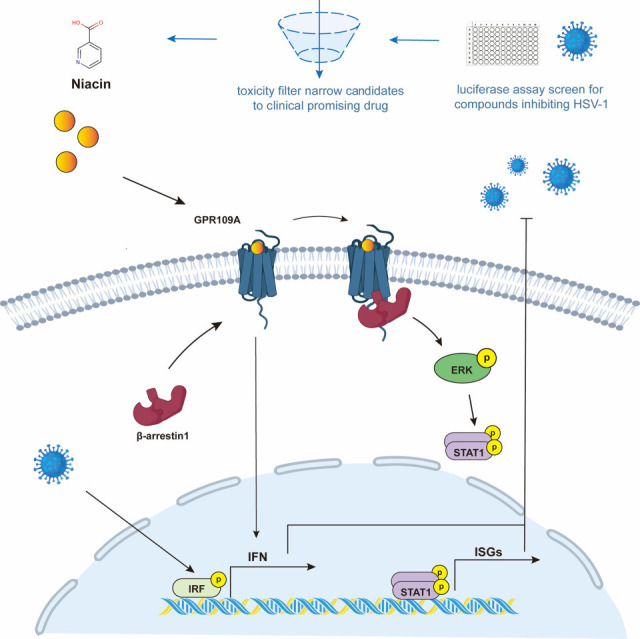 Figure 7
Peer Reviews
No public reviews on file for this paper yet. If you reviewed it on a platform where reviews are public (OpenReview, ICLR, NeurIPS, ICML), you can paste yours below so the community can read it here.
Videos
No videos yet. Explain this paper in a talk, walkthrough, or lecture? Add one.
Taxonomy
TopicsSirtuins and Resveratrol in Medicine · Lipoproteins and Cardiovascular Health · Receptor Mechanisms and Signaling