Human organoids for Risk Group 4 virus research: a new frontier in investigating Nipah virus infection of the central nervous system
Gabriella Worwa, Shuǐqìng Yú, Amanda M. W. Hischak, Julie P. Tran, Jeremy J. Bearss, John Bernbaum, Daniel B. Woodburn, Bapi Pahar, Jillian Geiger, Louis M. Huzella, Santiago Vidal Freire, Ian Crozier, César Muñoz-Fontela, Gustavo Palacios, Nicole C. Kleinstreuer

TL;DR
Human brain organoids are used to study Nipah virus infection and could reduce the need for animal testing in virus research.
Contribution
The study introduces cerebral organoids as a novel model to investigate Nipah virus replication and brain pathology.
Findings
Cerebral organoids can model Nipah virus replication dynamics and brain lesions seen in human patients.
Organoids offer a potential alternative to animal studies for developing medical countermeasures against high-risk viruses.
The use of organoids may enhance understanding of neurotropic virus pathogenesis and persistence.
Abstract
New approach methodologies, such as high-complexity in vitro systems, are increasingly prioritized in biomedical research as potential alternatives to animal experimentation. We show that cerebral organoids derived from human induced pluripotent stem cells can be leveraged to (i) investigate isolate-specific replication dynamics of Nipah virus and (ii) model key histopathological lesions found in the brain tissue of infected human patients. Furthermore, we discuss the importance of organoid models for the study of Risk Group 4 viruses. Advanced development of medical countermeasures against Risk Group 4 viruses, such as the Nipah virus, historically required testing in mammals under the FDA Animal Rule and translation of data to inform clinical trials in humans. Because the application of human organoids in research on viruses pathogenic for humans is conspecific, it bears the…
Genes, proteins, chemicals, diseases, species, mutations and cell lines named across the full text — each resolved to its canonical identifier and authoritative record.
Click any figure to enlarge with its caption.
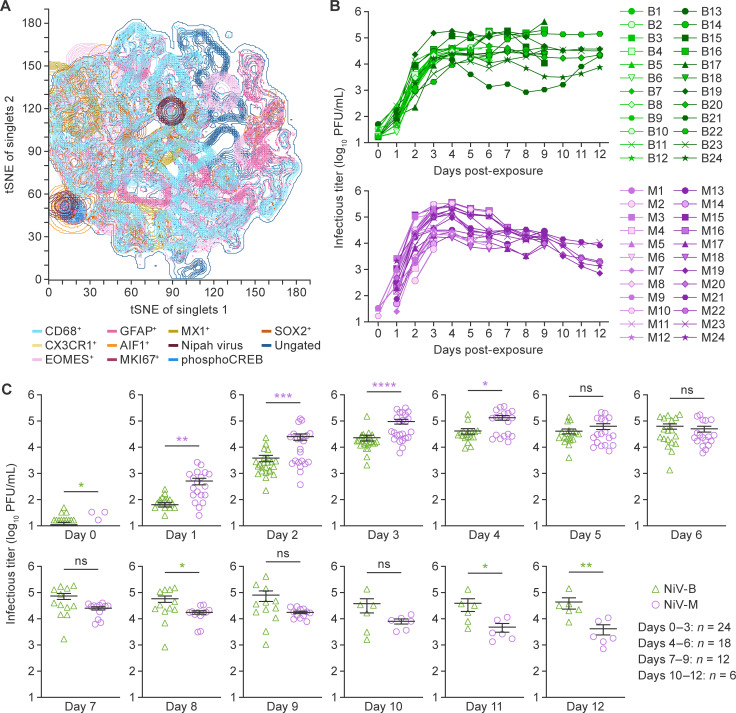 Figure 1
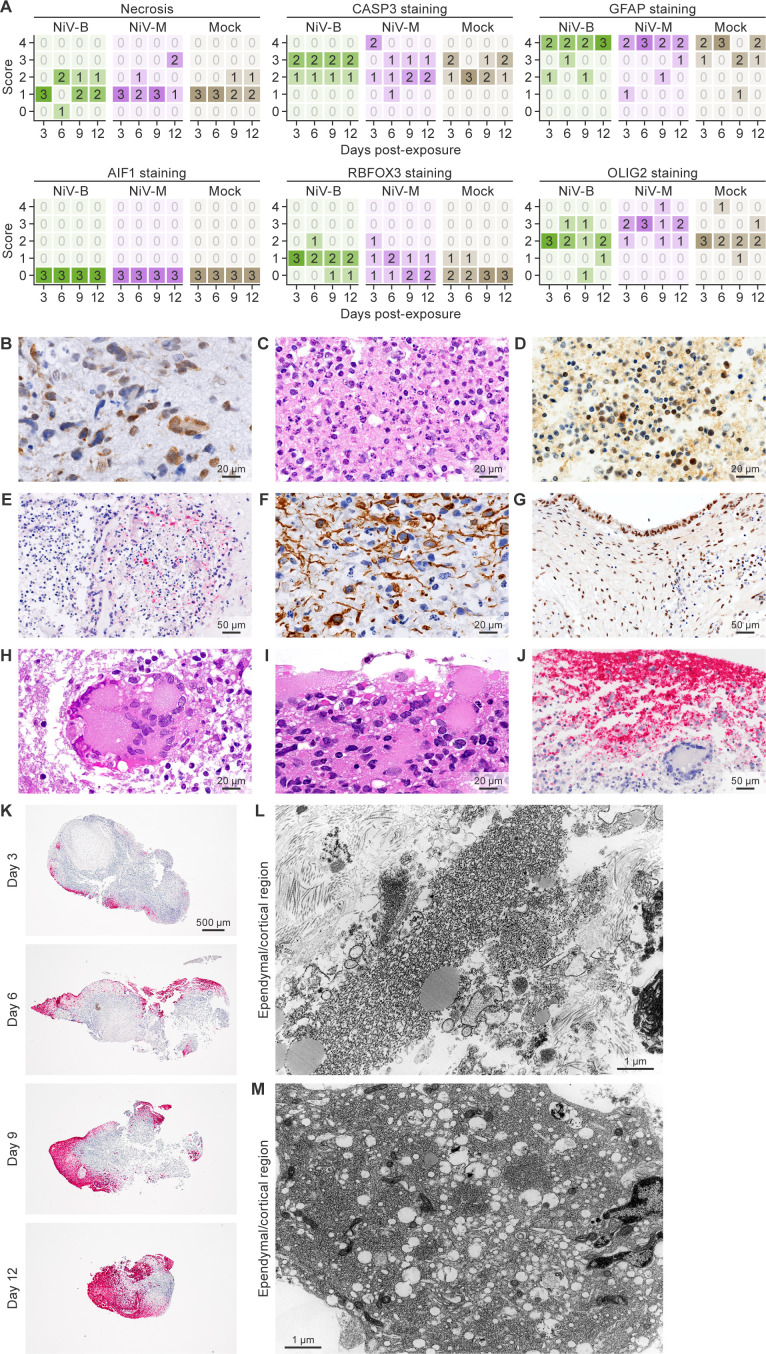 Figure 2
Peer Reviews
No public reviews on file for this paper yet. If you reviewed it on a platform where reviews are public (OpenReview, ICLR, NeurIPS, ICML), you can paste yours below so the community can read it here.
Videos
No videos yet. Explain this paper in a talk, walkthrough, or lecture? Add one.
Taxonomy
TopicsVirology and Viral Diseases · Poxvirus research and outbreaks · Immune responses and vaccinations