Priority research questions in microbiome-integrated urban design
Richard Beckett, Lorraine Archer, Alexia Barrable, Michael Bogdan-Margineanu, Sean Bradley, Sarah Hawes, Christianne Herr, Mira Housen, Alexandra Lacatusu, Olli Laitinen, Marja Roslund, Heather Rumble, William Scott, Aki Sinkkonen, Xin Sun, Jake M. Robinson

TL;DR
This paper outlines key research questions for integrating microbiomes into urban design to create sustainable, healthy cities.
Contribution
The paper introduces a set of 40 priority research questions identified through interdisciplinary collaboration to guide microbiome-integrated urban design.
Findings
Eight core themes and 40 priority research questions were identified through a global interdisciplinary workshop.
Strong consensus was found on top-ranked questions related to science communication, success metrics, and microbiome interventions.
The research emphasizes the need for interdisciplinary collaboration and ethical considerations in microbiome-integrated urban planning.
Abstract
Urbanization is accelerating at an unprecedented pace, with 70% of the global population projected to live in cities by 2050. This shift presents significant challenges and opportunities for fostering sustainable urban ecosystems aligned with the United Nations Sustainable Development Goals. Microbiomes—the diverse communities of microorganisms that underpin ecosystem function—are increasingly recognized for their vital role in nutrient cycling, climate regulation, biodiversity support, and human well-being. However, their consideration and integration in urban design remain underexplored, often limited to disease mitigation. The emerging field of microbiome-integrated urban design seeks to leverage microbial activity to enhance urban health and resilience through a multispecies framework. To address critical gaps, the Probiotic Cities Working Group convened a global interdisciplinary…
Genes, proteins, chemicals, diseases, species, mutations and cell lines named across the full text — each resolved to its canonical identifier and authoritative record.
Click any figure to enlarge with its caption.
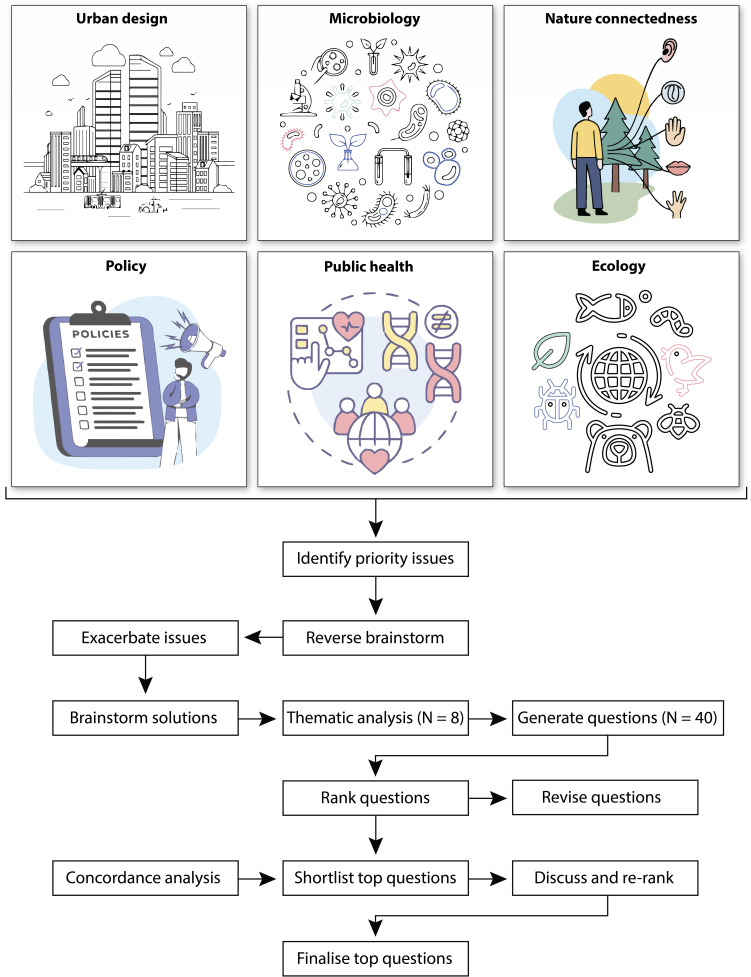 Figure 1
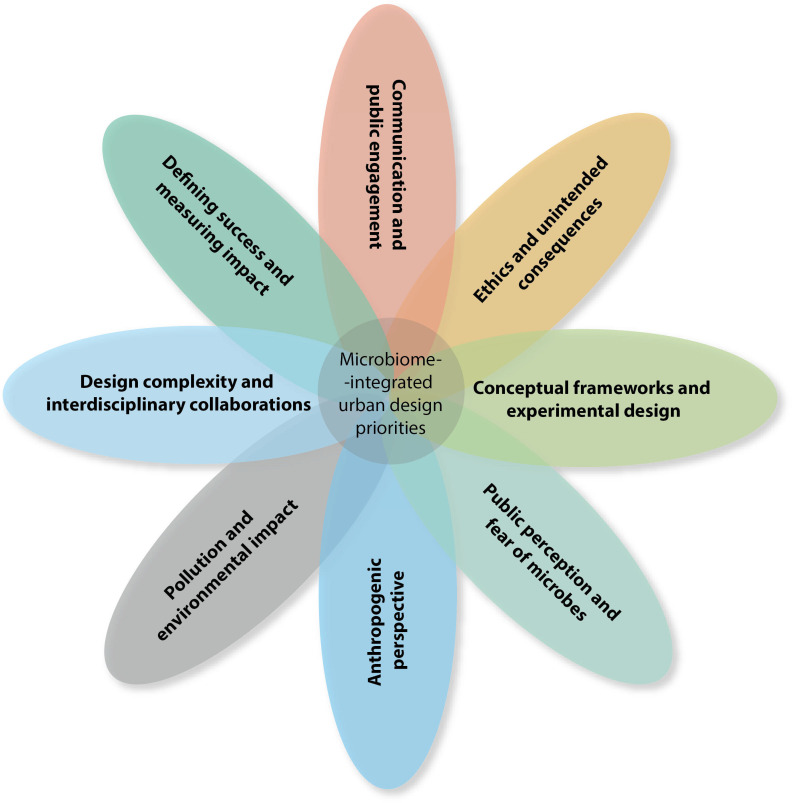 Figure 2
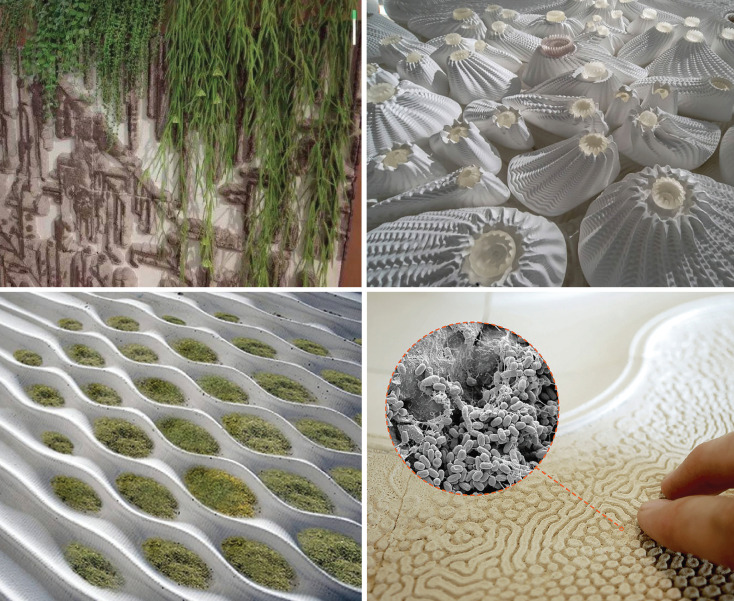 Figure 3
Peer Reviews
No public reviews on file for this paper yet. If you reviewed it on a platform where reviews are public (OpenReview, ICLR, NeurIPS, ICML), you can paste yours below so the community can read it here.
Videos
No videos yet. Explain this paper in a talk, walkthrough, or lecture? Add one.
Taxonomy
TopicsGut microbiota and health · Human-Animal Interaction Studies