Tissue tropism and functional adaptation of the SARS-CoV-2 spike protein in a fatal case of COVID-19
Katherine E. E. Johnson, Sydney Stein, Rita Afriyie Boateng, Shilpi Jain, Sabrina C. Ramelli, Trevor Stantliff, Shelly Curran, Marcos J. Ramos-Benítez, Andrew P. Platt, Stephanie Banakis, Wei Wang, Stephen M. Hewitt, Christa Zerbe, Steven M. Holland, Elizabeth M. Kang

TL;DR
This study shows how SARS-CoV-2 evolves in different tissues of a patient with a weak immune system, leading to new virus variants.
Contribution
The study reveals tissue-specific viral mutations and adaptations in the spike protein linked to increased stability and host cell binding.
Findings
SARS-CoV-2 mutations in the spike protein's receptor-binding domain increase protein stability and host cell binding.
Tissue-specific virus genotypes coexist in some organs, indicating compartmentalized viral evolution.
Immunocompromised individuals may host SARS-CoV-2 tissue reservoirs that drive viral diversification.
Abstract
Systemic spread of severe acute respiratory syndrome coronavirus 2 (SARS-CoV-2) to extrapulmonary tissues has been observed following acute infections. Autopsy studies further indicate tissue-specific virus diversity, including in immune-privileged sites. Questions remain on the viral dynamics leading to the tissue tropism of SARS-CoV-2, including evolutionary trajectories and functional adaptations that could impact persistence and transmission. In this study, we characterized SARS-CoV-2 genomes from 27 distinct tissues collected from an autopsy case where the patient had a primary immune deficiency. We identified tissue-specific virus genotypes, in some instances coexisting within the same sites, with mutations primarily in the receptor-binding domain of the spike protein. Protein simulations and isolation of infectious virus indicate combinations of spike substitutions that would…
Genes, proteins, chemicals, diseases, species, mutations and cell lines named across the full text — each resolved to its canonical identifier and authoritative record.
Click any figure to enlarge with its caption.
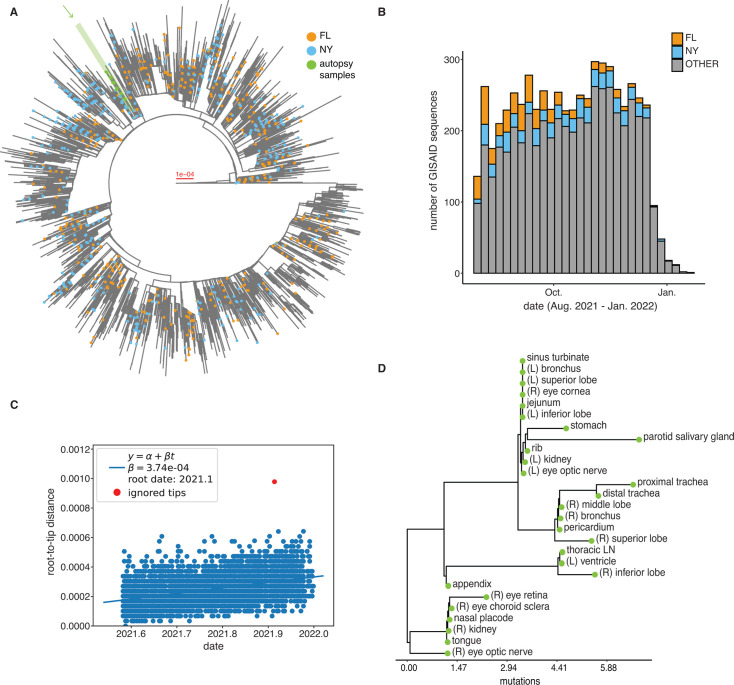 Figure 1
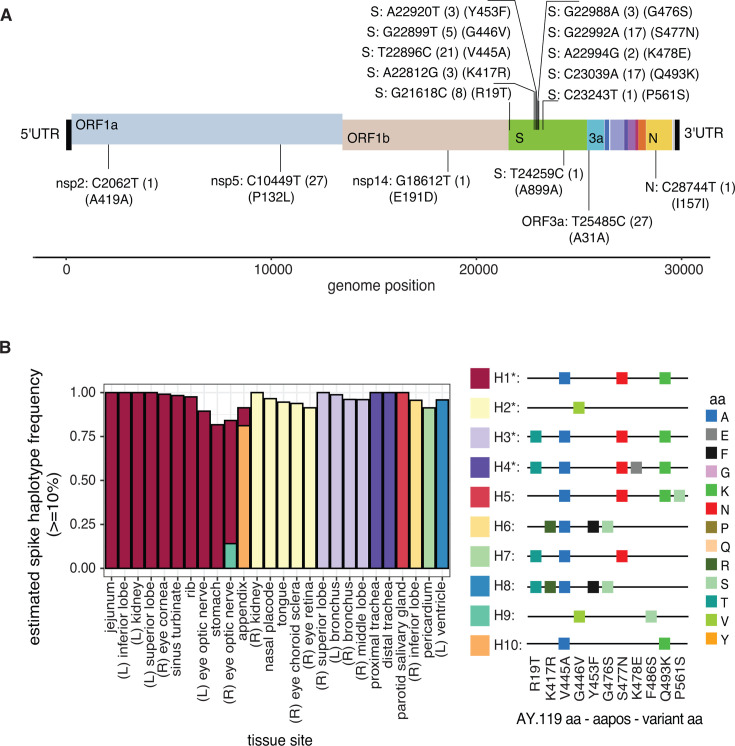 Figure 2
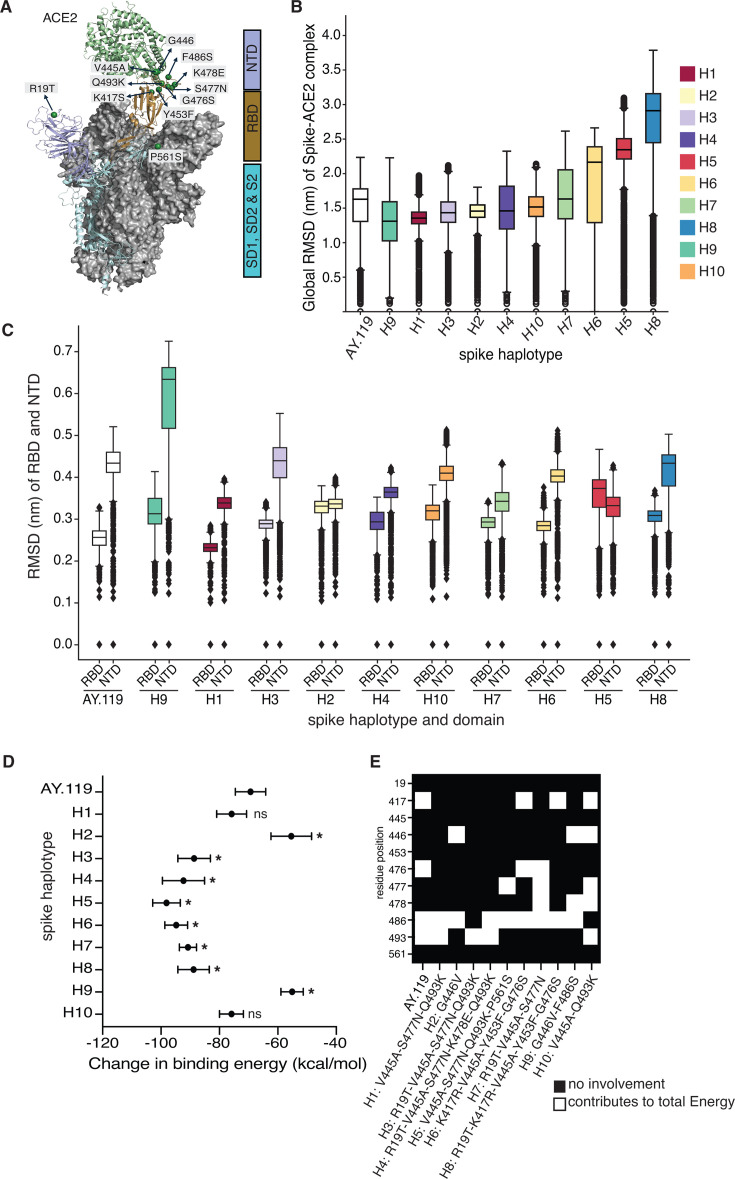 Figure 3
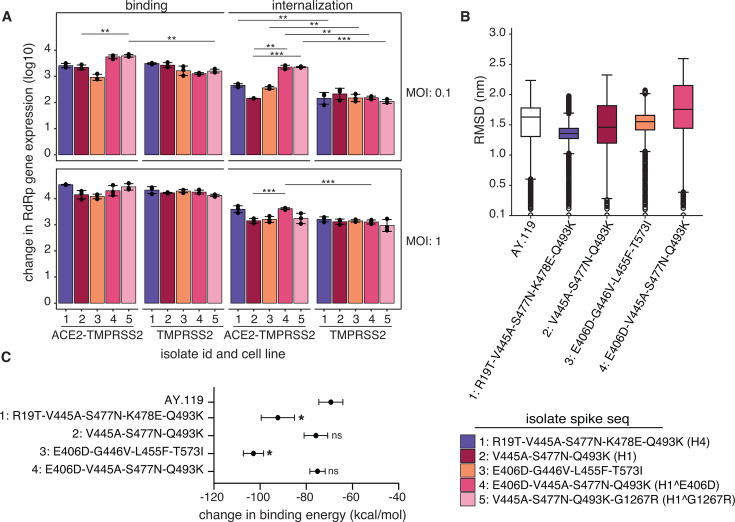 Figure 4
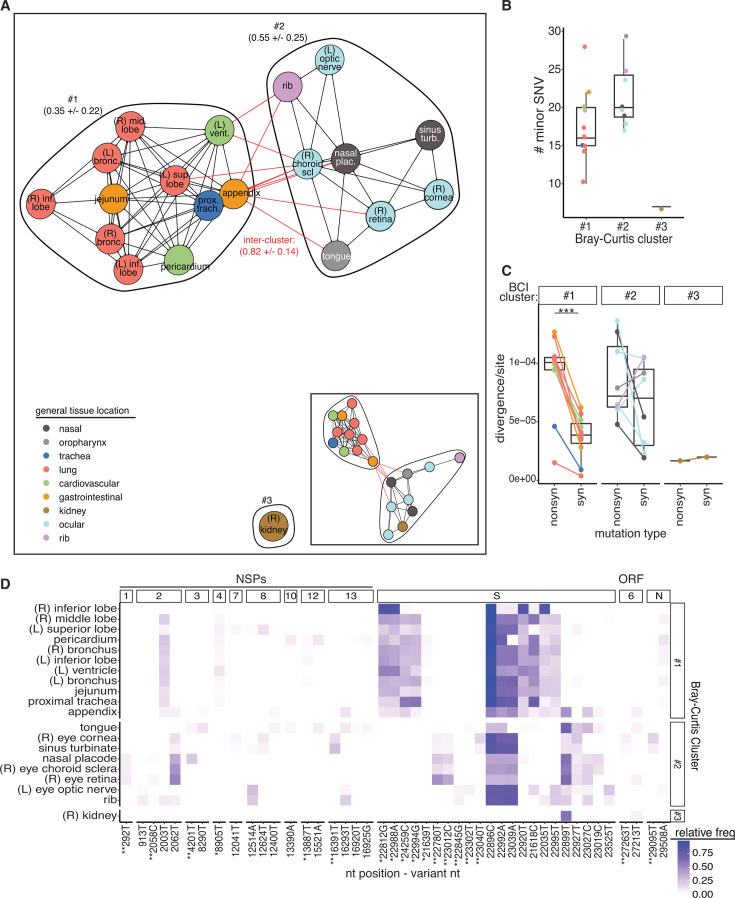 Figure 5
 Figure 6
 Figure 7
Peer Reviews
No public reviews on file for this paper yet. If you reviewed it on a platform where reviews are public (OpenReview, ICLR, NeurIPS, ICML), you can paste yours below so the community can read it here.
Videos
No videos yet. Explain this paper in a talk, walkthrough, or lecture? Add one.
Taxonomy
TopicsSARS-CoV-2 and COVID-19 Research · COVID-19 Clinical Research Studies · Long-Term Effects of COVID-19