Viral RNA pUGylation promotes antiviral immunity in C. elegans
David D. Lowe, Aditi Shukla, Scott G. Kennedy

TL;DR
C. elegans uses a process called pUGylation to defend against viruses by marking viral RNA for destruction.
Contribution
The study reveals that pUGylation is a novel mechanism for antiviral immunity in C. elegans.
Findings
RDE-3 adds pUG tails to viral RNAs during Orsay virus infection, enabling antiviral siRNA production.
MUT-15 is essential for viral pUGylation by linking RDE-3 and RDE-8, ensuring efficient immunity.
pUGylation helps C. elegans neutralize both transposons and viruses, protecting genomic integrity.
Abstract
RNA interference (RNAi) is a component of the innate immune systems of many eukaryotes, including C. elegans. During RNAi in C. elegans, the nucleotidyltransferase RDE-3 modifies the 3′ termini of mRNAs with polyUG (pUG) tails, which recruit RNA-dependent RNA polymerase (RdRP) enzymes that drive gene silencing by synthesizing antisense small interfering (si)RNAs. During normal growth and development, RDE-3 pUGylates transposon RNAs to silence transposons and protect genomic integrity. How C. elegans identifies specific RNAs for pUGylation and whether the pUGylation system is used for other biological purposes are not yet known. Here, we show that pUGylation contributes to antiviral immunity in C. elegans: During infection of C. elegans with Orsay virus, RDE-3 adds pUG tails to viral RNAs, which converts these RNAs into templates for RdRP-based antiviral siRNA production, thereby…
Genes, proteins, chemicals, diseases, species, mutations and cell lines named across the full text — each resolved to its canonical identifier and authoritative record.
Click any figure to enlarge with its caption.
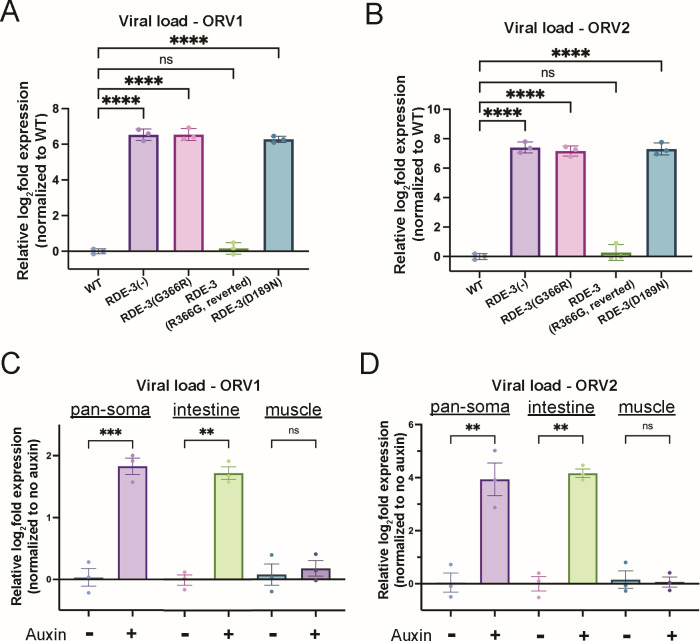 Figure 1
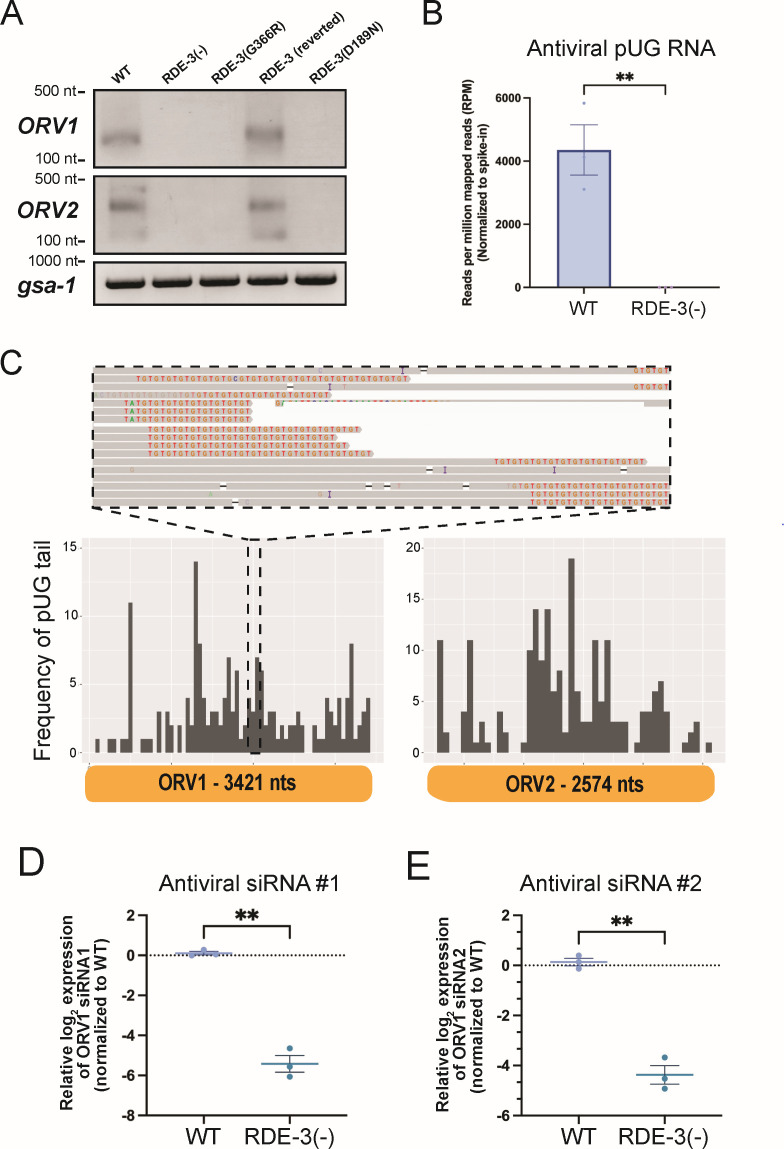 Figure 2
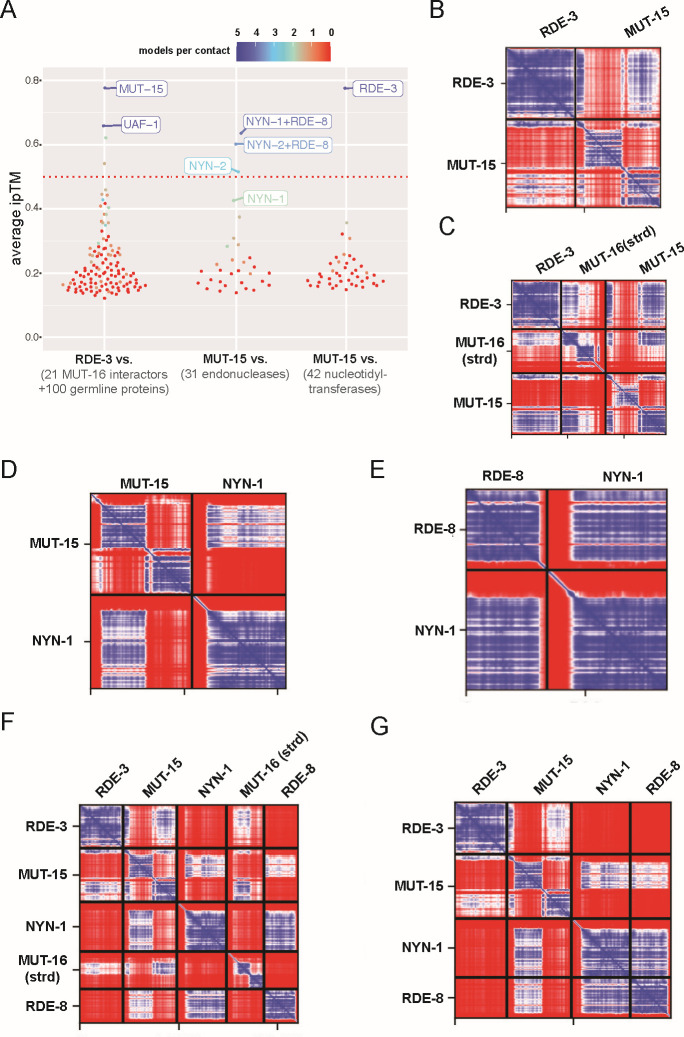 Figure 3
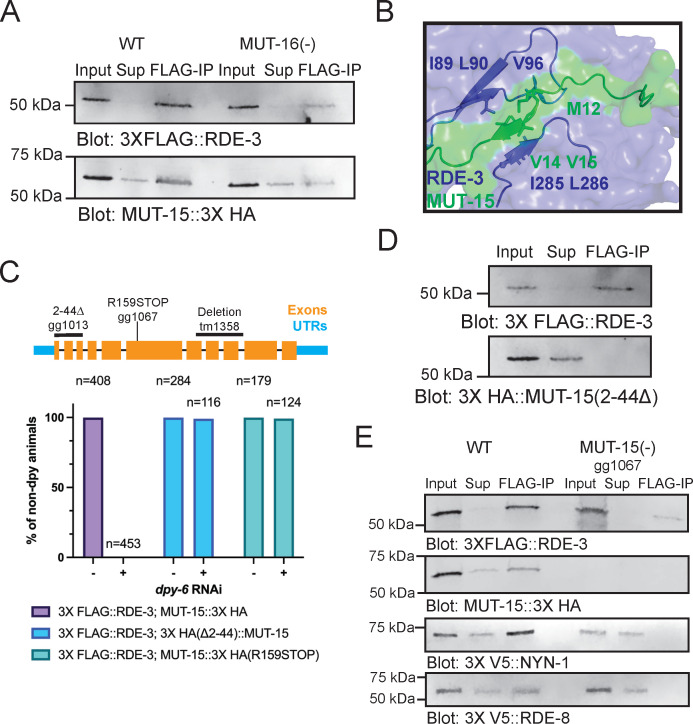 Figure 4
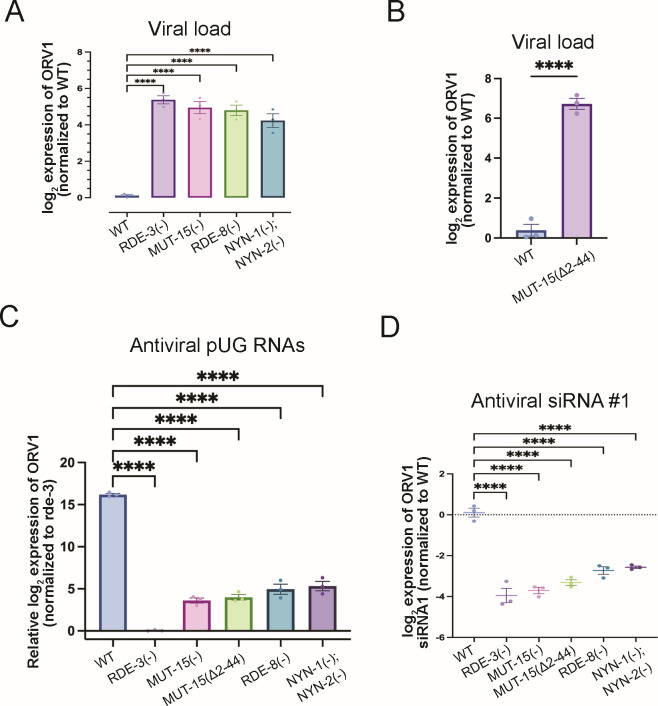 Figure 5
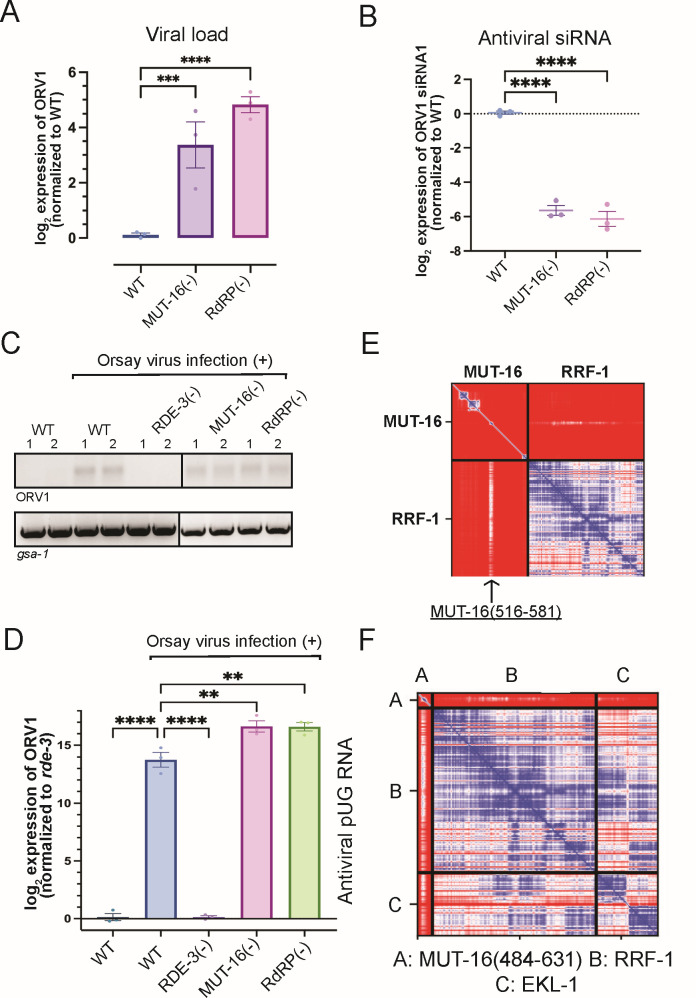 Figure 6
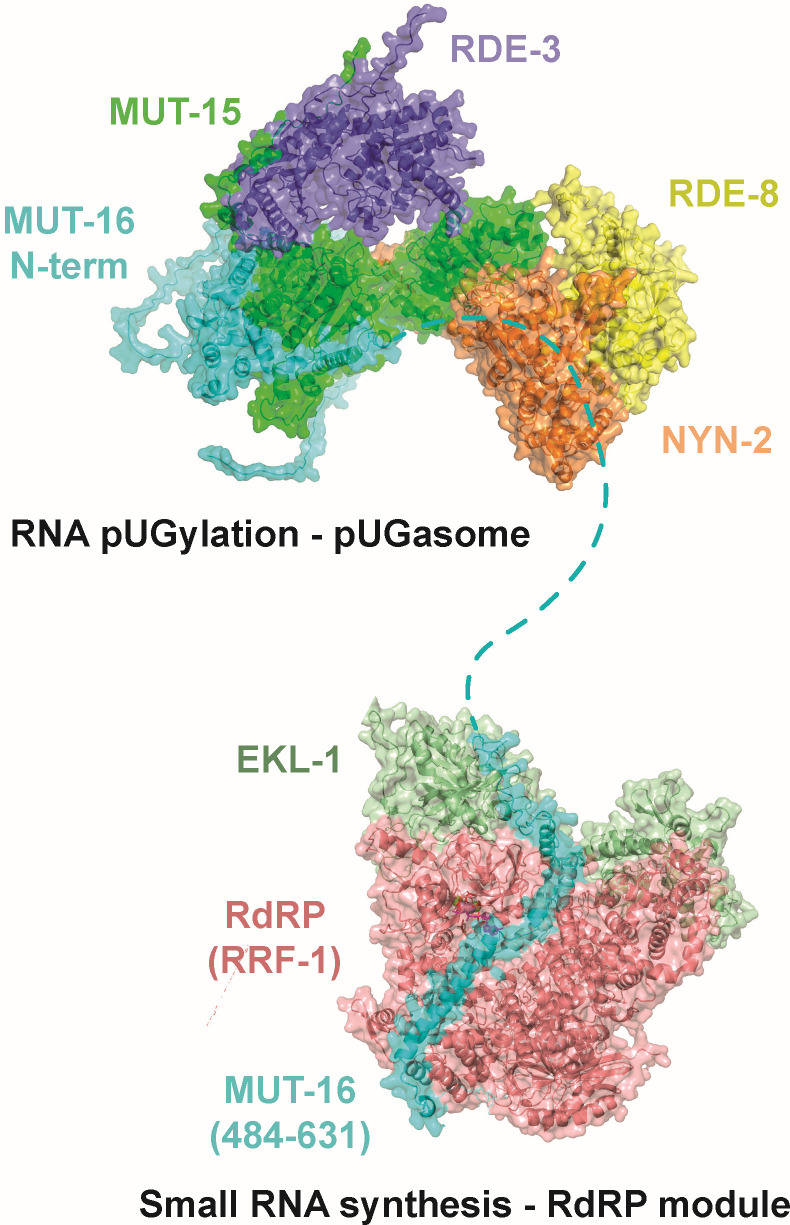 Figure 7
Peer Reviews
No public reviews on file for this paper yet. If you reviewed it on a platform where reviews are public (OpenReview, ICLR, NeurIPS, ICML), you can paste yours below so the community can read it here.
Videos
No videos yet. Explain this paper in a talk, walkthrough, or lecture? Add one.
Taxonomy
Topicsinterferon and immune responses · RNA Research and Splicing · RNA regulation and disease