Protein-S-nitrosylation of adenovirus-5 E1A and human papillomavirus 16 E7 limits their ability to inhibit STING activity
Justin B. Cox, Eain A. Murphy

TL;DR
Cells use protein-S-nitrosylation to limit the ability of viral proteins from adenovirus and HPV to block the STING anti-viral pathway.
Contribution
The study shows that protein-S-nitrosylation inhibits the function of adenovirus E1A and HPV E7 proteins, similar to its effect on HCMV proteins.
Findings
E1A and E7 are protein-S-nitrosylated at a conserved cysteine residue.
Nitrosylation reduces the ability of E1A and E7 to inhibit STING activity.
Mutant proteins lacking nitrosylation show stronger inhibition of IFN-β1 and IRF3 phosphorylation.
Abstract
All viruses that establish successful infections express proteins that inhibit innate anti-viral pathways such as the stimulator of interferon genes (STING) pathway. In response, cells have evolved mechanisms to limit viruses by modifying these viral proteins via post-translational modifications (PTMs). One potent PTM, protein-S-nitrosylation, inhibits the ability of human cytomegalovirus (HCMV) to undermine the establishment of an anti-viral state. The direct nitrosylation of HCMV tegument protein pp71 at a central cysteine within its pRB binding domain reduces pp71’s ability to limit the activity of STING. Two different proteins encoded by unrelated DNA viruses, adenovirus (AdV) E1A and human papillomavirus (HPV) E7, also contain a pRB binding domain and inhibit STING like pp71. Herein, we report that E1A and E7 are both protein-S-nitrosylated like pp71. Stable cell lines expressing a…
Genes, proteins, chemicals, diseases, species, mutations and cell lines named across the full text — each resolved to its canonical identifier and authoritative record.
Click any figure to enlarge with its caption.
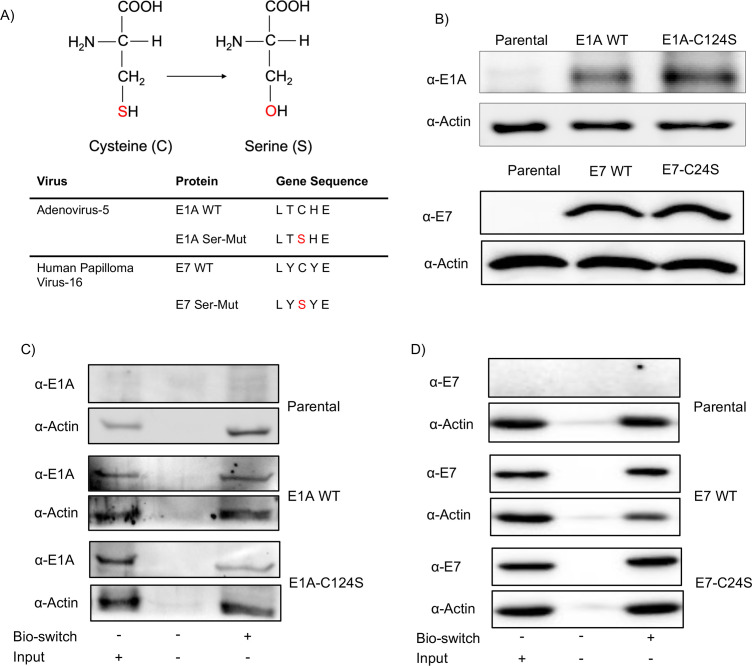 Figure 1
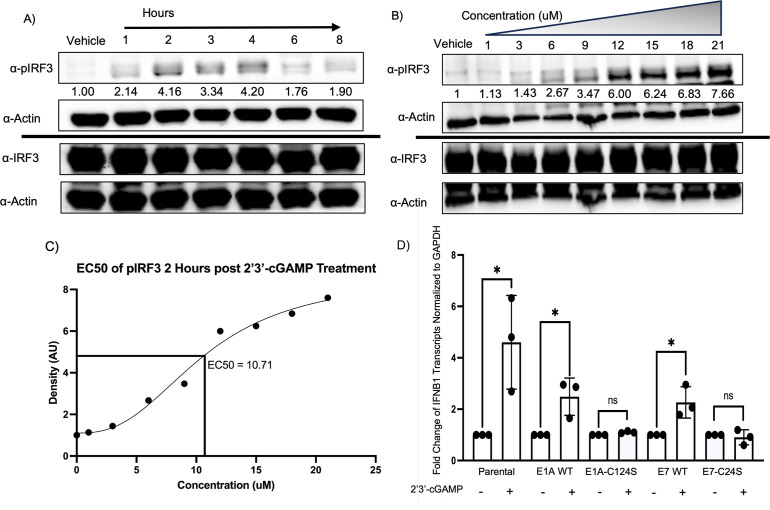 Figure 2
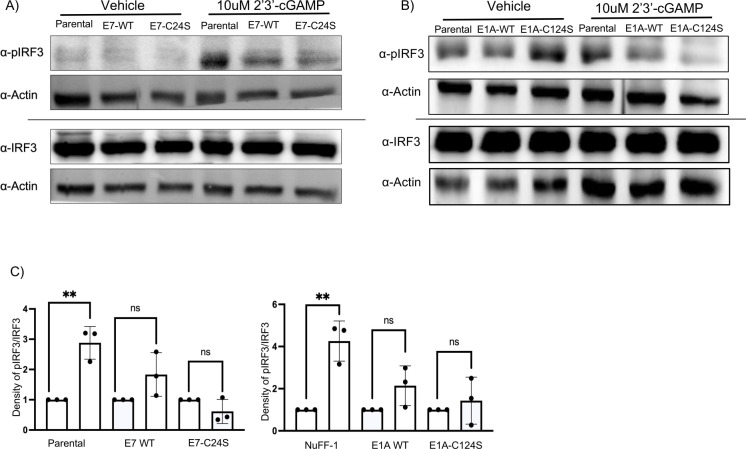 Figure 3
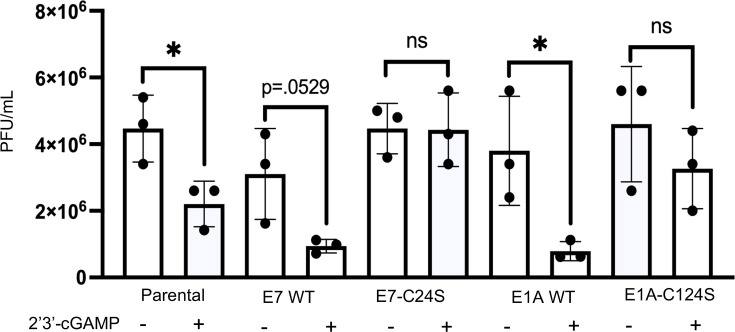 Figure 4
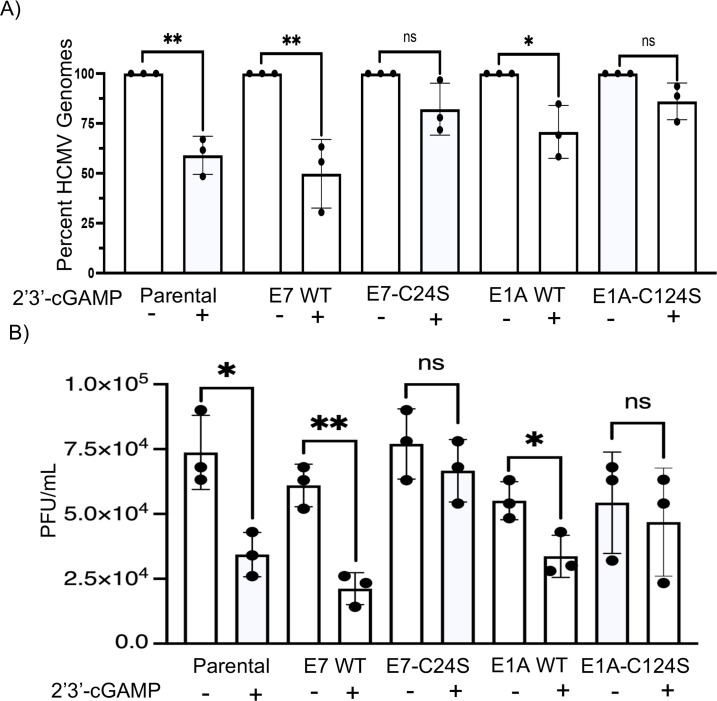 Figure 5
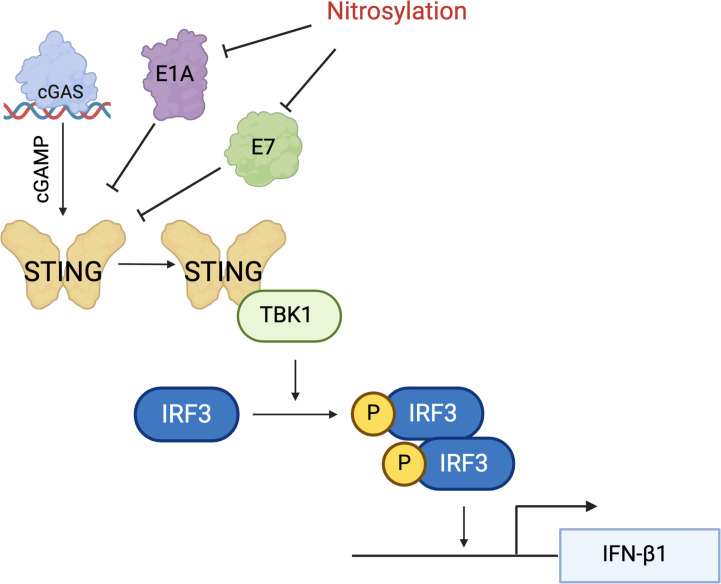 Figure 6
Peer Reviews
No public reviews on file for this paper yet. If you reviewed it on a platform where reviews are public (OpenReview, ICLR, NeurIPS, ICML), you can paste yours below so the community can read it here.
Videos
No videos yet. Explain this paper in a talk, walkthrough, or lecture? Add one.
Taxonomy
Topicsinterferon and immune responses · Viral Infections and Vectors · Herpesvirus Infections and Treatments