Mouse-adapted SARS-CoV-2 Omicron BA.5 infection induces post-acute lung fibrosis in BALB/c mice
John M. Powers, Sarah R. Leist, Naveenchandra Suryadevara, Seth J. Zost, Elad Binshtein, Anfal Abdelgadir, Michael L. Mallory, Caitlin E. Edwards, Kendra L. Gully, Miranda L. Hubbard, Mark R. Zweigart, Alexis B. Bailey, Timothy P. Sheahan, James E. Crowe, Stephanie A. Montgomery

TL;DR
Researchers created a mouse model for SARS-CoV-2 Omicron BA.5 that shows lung fibrosis and immune changes, helping study long-term effects of the virus.
Contribution
A novel mouse model of SARS-CoV-2 Omicron BA.5 that induces post-acute lung fibrosis and tertiary lymphoid structures.
Findings
Survivor mice developed subpleural fibrosis and tertiary lymphoid structures in the lungs.
BA.5-specific serum neutralization was potent but ineffective against newer variants like XBB.1.5.
Prophylactic monoclonal antibodies protected against BA.5-induced lung disease.
Abstract
Following severe acute respiratory syndrome coronavirus 2 (SARS-CoV-2) Omicron BA.1, subsequent Omicron sub-lineages have continued to emerge, challenging the development of intervention and prevention strategies, including monoclonal antibodies and vaccines. To better understand the pathogenic effects caused by Omicron BA.5 infection, we developed a mouse-adapted virus with overt disease burden in BALB/c mice. Acute disease was characterized by significant weight loss and lung dysfunction following high-dose challenges. In survivor animals that were followed through 107 days post-infection, subpleural fibrosis with associated tertiary lymphoid structures was noted. Serum from these mice demonstrated potent neutralization against BA.5, with substantially reduced neutralization titers against early epidemic, zoonotic, and more recent contemporary XBB.1.5 variants. Intervention with…
Genes, proteins, chemicals, diseases, species, mutations and cell lines named across the full text — each resolved to its canonical identifier and authoritative record.
Click any figure to enlarge with its caption.
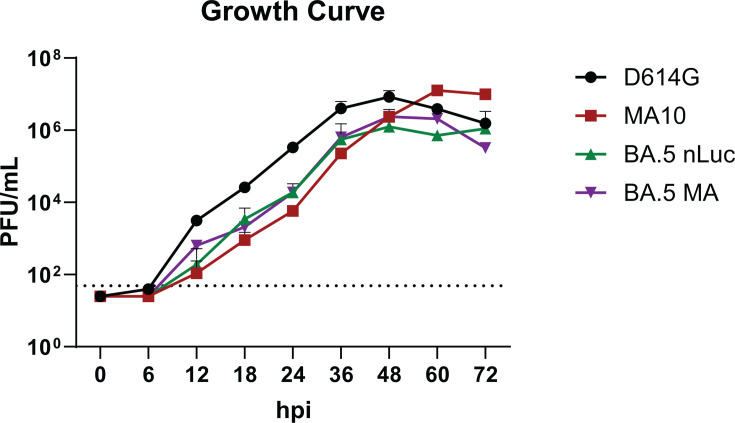 Figure 1
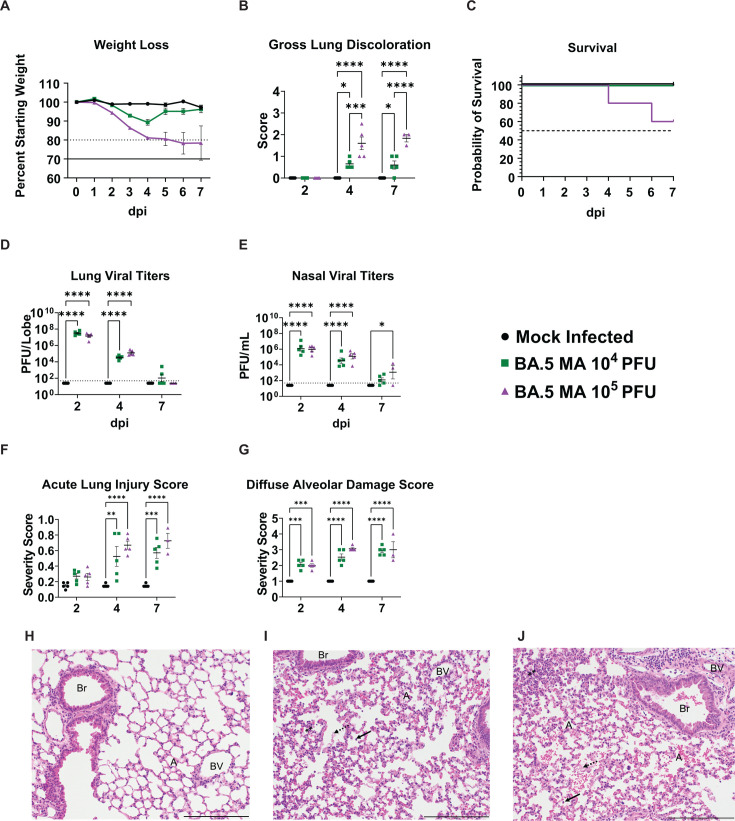 Figure 2
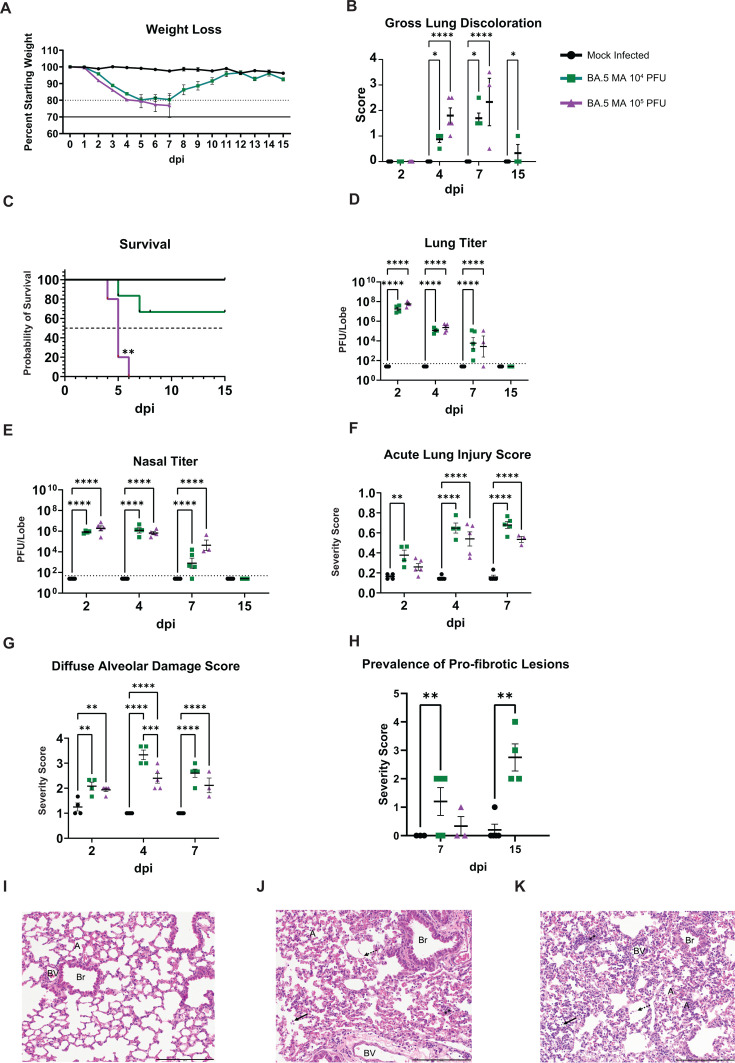 Figure 3
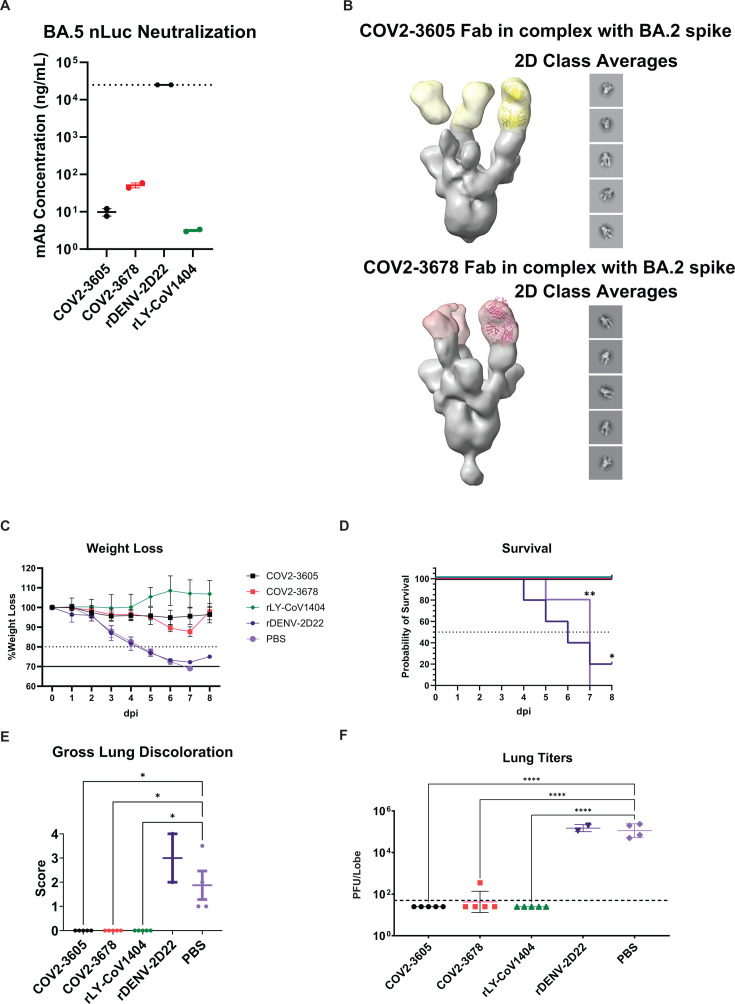 Figure 4
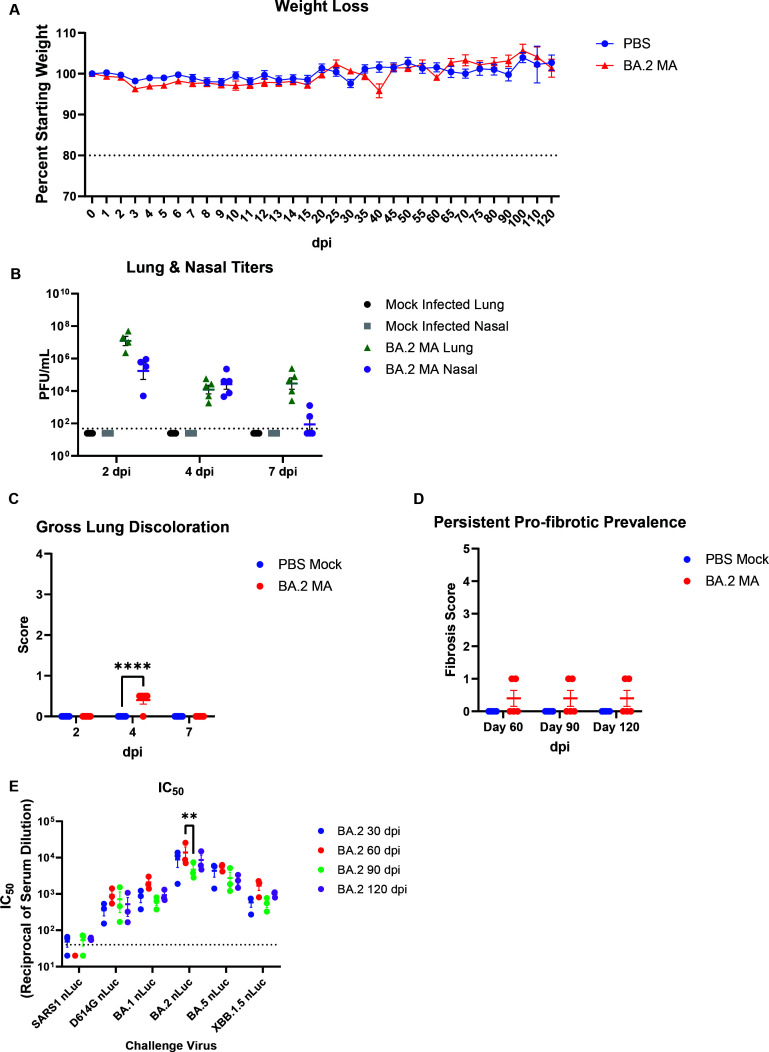 Figure 5
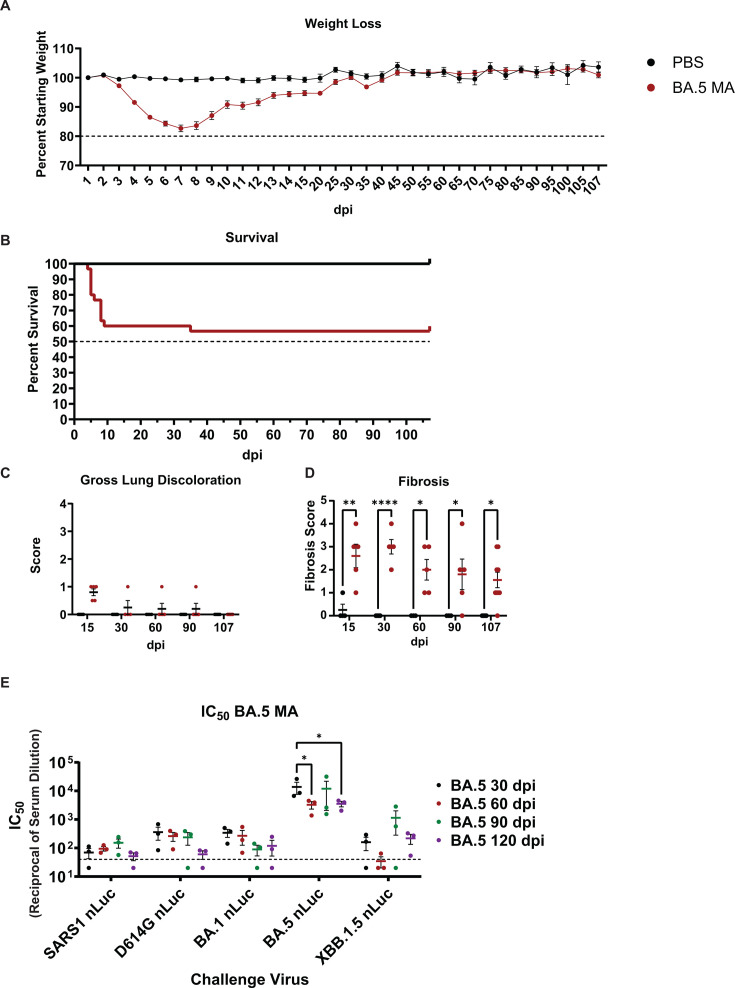 Figure 6
Peer Reviews
No public reviews on file for this paper yet. If you reviewed it on a platform where reviews are public (OpenReview, ICLR, NeurIPS, ICML), you can paste yours below so the community can read it here.
Videos
No videos yet. Explain this paper in a talk, walkthrough, or lecture? Add one.
Taxonomy
TopicsLong-Term Effects of COVID-19 · SARS-CoV-2 and COVID-19 Research · COVID-19 Clinical Research Studies