Cultured bacteria isolated from primary sclerosing cholangitis patient bile induce inflammation and cell death
Chelsea E. Powell, Megan D. McCurry, Silvia Fernanda Quevedo, Lindsay Ventura, Kumar Krishnan, Malav Dave, Shaikh Danish Mahmood, Katherine Specht, Raghav Bordia, Molly R. Sargen, Daniel S. Pratt, Joshua R. Korzenik, A. Sloan Devlin

TL;DR
Bacteria from PSC patient bile cause inflammation and cell death in liver and bile cells, suggesting a possible role in disease development.
Contribution
This study is the first to show that specific PSC-associated bacteria induce distinct disease-related cellular responses in human cells.
Findings
PSC bile bacteria reduced cell viability and increased inflammation in biliary and liver cells.
Enterococcus faecalis and Veillonella parvula affected epithelial permeability, while E. coli and others triggered cytokine production.
Non-PSC controls had no bacterial isolates, highlighting a PSC-specific microbial signature.
Abstract
Primary sclerosing cholangitis (PSC) is a chronic liver disease characterized by inflammation and progressive fibrosis of the biliary tree. PSC pathogenesis remains poorly understood, and there are no effective therapies. Previous studies have observed associations between colonic and biliary microbiome alterations and PSC. We aimed to determine whether bacterial isolates cultured from PSC patient bile induce disease-associated phenotypes in cells, specifically cell death, epithelial permeability, inflammation, and changes in host-protective pathways. Bile was collected from PSC patients by endoscopic retrograde cholangiography and from non-PSC controls undergoing cholecystectomies. Biliary bacteria were cultured anaerobically, and 50 colonies per sample were identified by 16S sequencing. No bacteria were isolated from non-PSC controls, while bacteria were cultured from most PSC…
Genes, proteins, chemicals, diseases, species, mutations and cell lines named across the full text — each resolved to its canonical identifier and authoritative record.
Click any figure to enlarge with its caption.
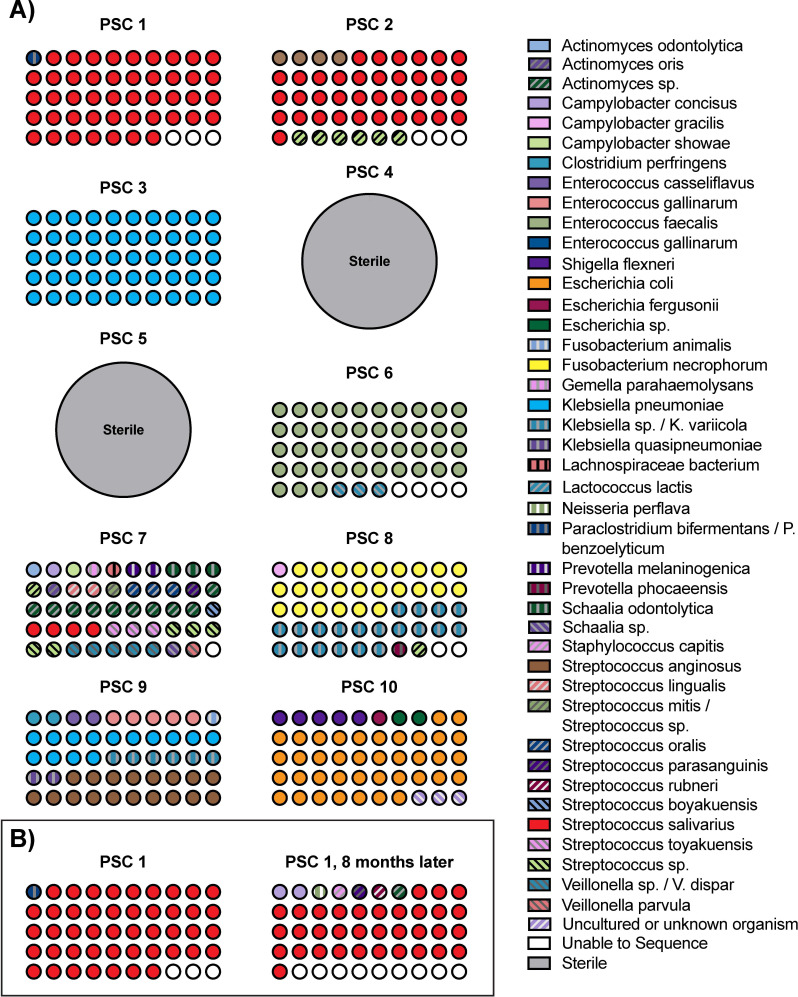 Figure 1
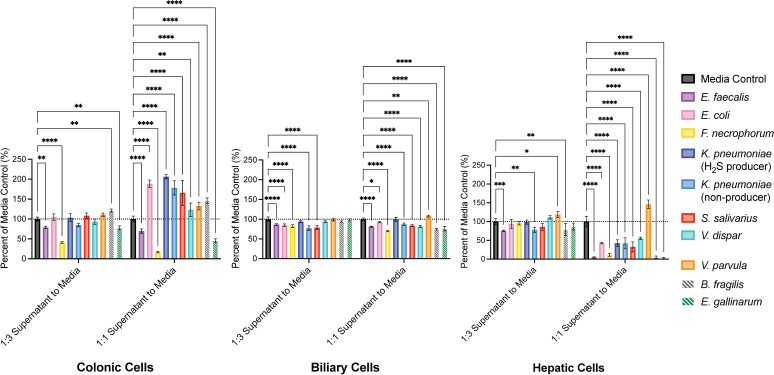 Figure 2
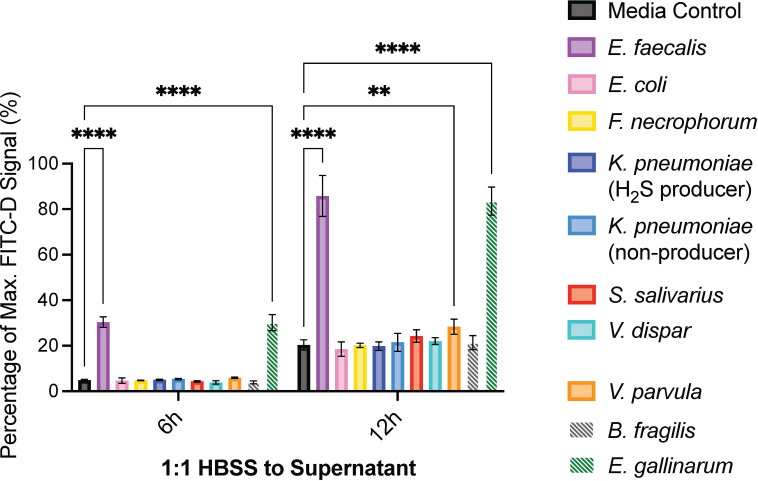 Figure 3
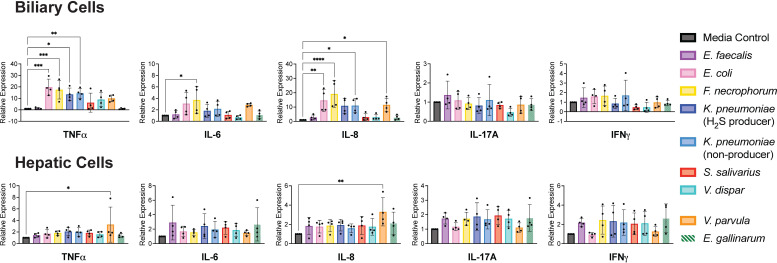 Figure 4
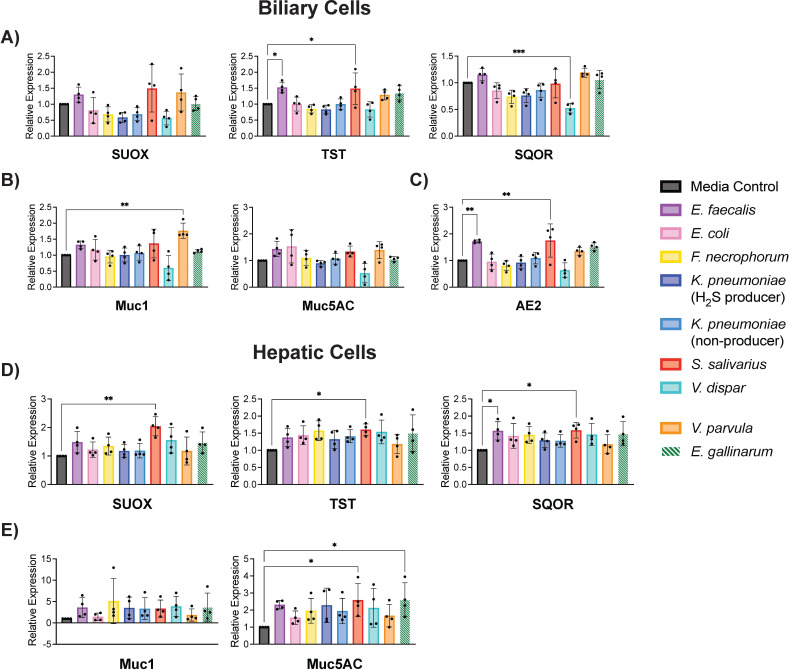 Figure 5
 Figure 6
Peer Reviews
No public reviews on file for this paper yet. If you reviewed it on a platform where reviews are public (OpenReview, ICLR, NeurIPS, ICML), you can paste yours below so the community can read it here.
Videos
No videos yet. Explain this paper in a talk, walkthrough, or lecture? Add one.
Taxonomy
TopicsLiver Diseases and Immunity · Gallbladder and Bile Duct Disorders · Pediatric Hepatobiliary Diseases and Treatments