Endosymbiosis in trypanosomatids: the bacterium regulates the intermediate and oxidative metabolism of the host cell
Azuil Barrinha, Ana Carolina Loyola-Machado, Marlon Dias Mariano dos Santos, Paulo Costa Carvalho, Wanderley de Souza, Ana Paula Valente, Antonio Galina, Maria Cristina Machado Motta

TL;DR
This study shows how a symbiotic bacterium in a protozoan helps regulate its host's metabolism, offering insights into the evolution of organelles and parasitism.
Contribution
The study reveals how a symbiotic bacterium optimizes oxidative metabolism in trypanosomatids, shedding light on metabolic coevolution and organelle origins.
Findings
Wild-type cells with symbionts use oxidative phosphorylation, while aposymbiotic cells rely on glycolysis and fermentation.
Proteomic analysis shows increased expression of glycolytic enzymes in aposymbiotic cells and oxidative enzymes in symbiont-harboring cells.
The symbiont enhances host cell proliferation and oxygen consumption under single carbon source conditions.
Abstract
Endosymbiosis in trypanosomatids involves a mutualistic association between a symbiotic bacterium and a host protozoan and represents an excellent model for studying metabolic coevolution and the origin of organelles. This work investigated the influence of the symbiont on the metabolism of Angomonas deanei by comparing wild-type and aposymbiotic strains under different nutritional conditions. The presence of the symbiont enhanced cell proliferation in the medium containing a single carbon source and increased O₂ consumption. Wild-type cells utilized oxidative phosphorylation to produce ATP, whereas aposymbiotic cells relied on substrate-level glycolysis, resulting in the excretion of greater amounts of fermentative products, such as acetate, succinate, and ethanol. Proteomic analysis revealed an increased expression of glycolytic and fermentative enzymes by the aposymbiotic strain and…
Genes, proteins, chemicals, diseases, species, mutations and cell lines named across the full text — each resolved to its canonical identifier and authoritative record.
Click any figure to enlarge with its caption.
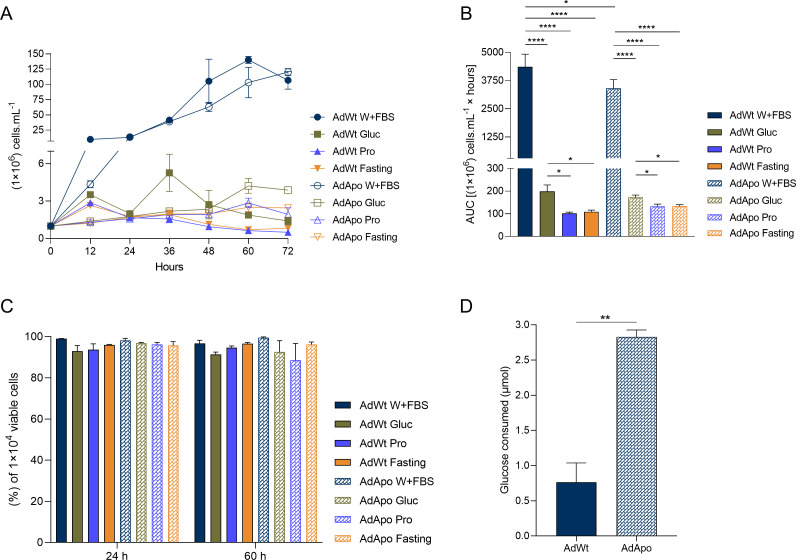 Figure 1
 Figure 2
 Figure 3
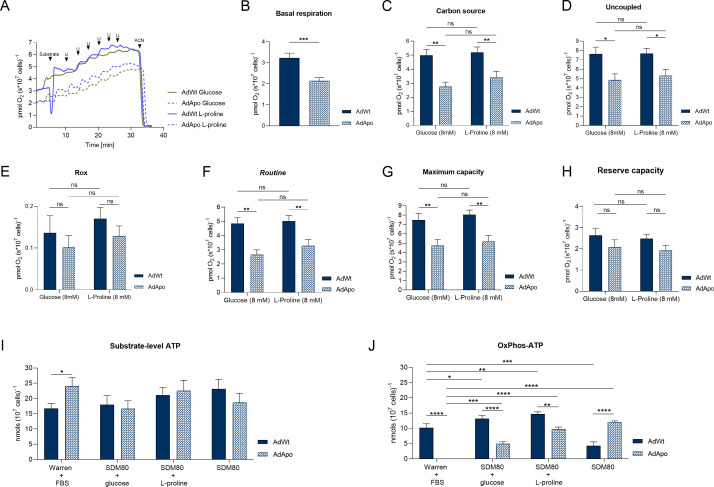 Figure 4
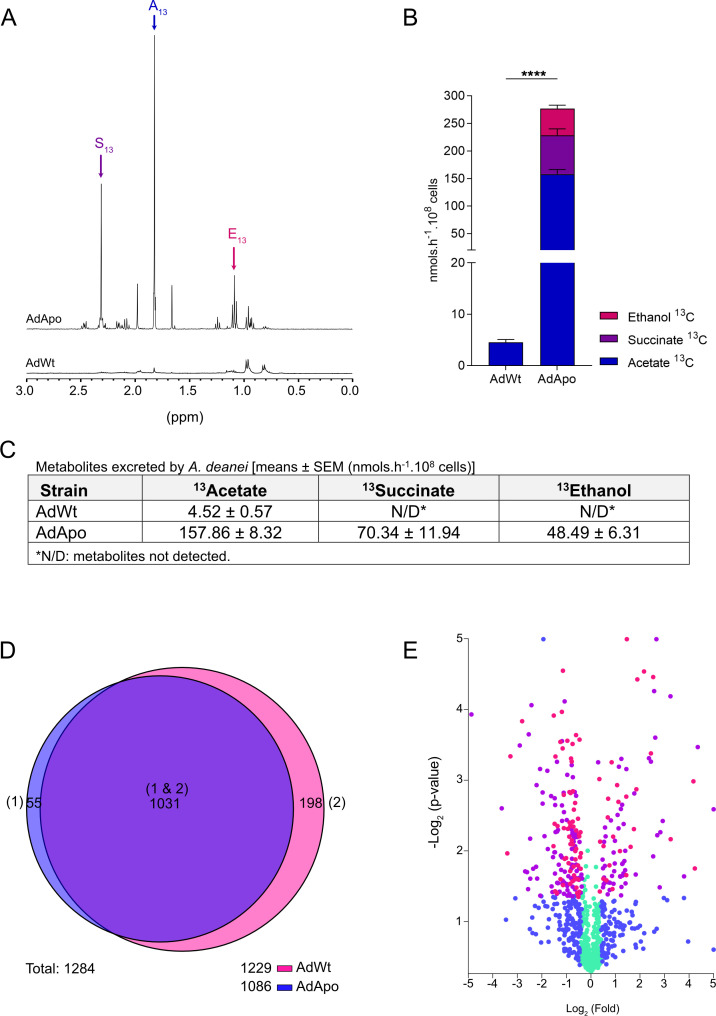 Figure 5
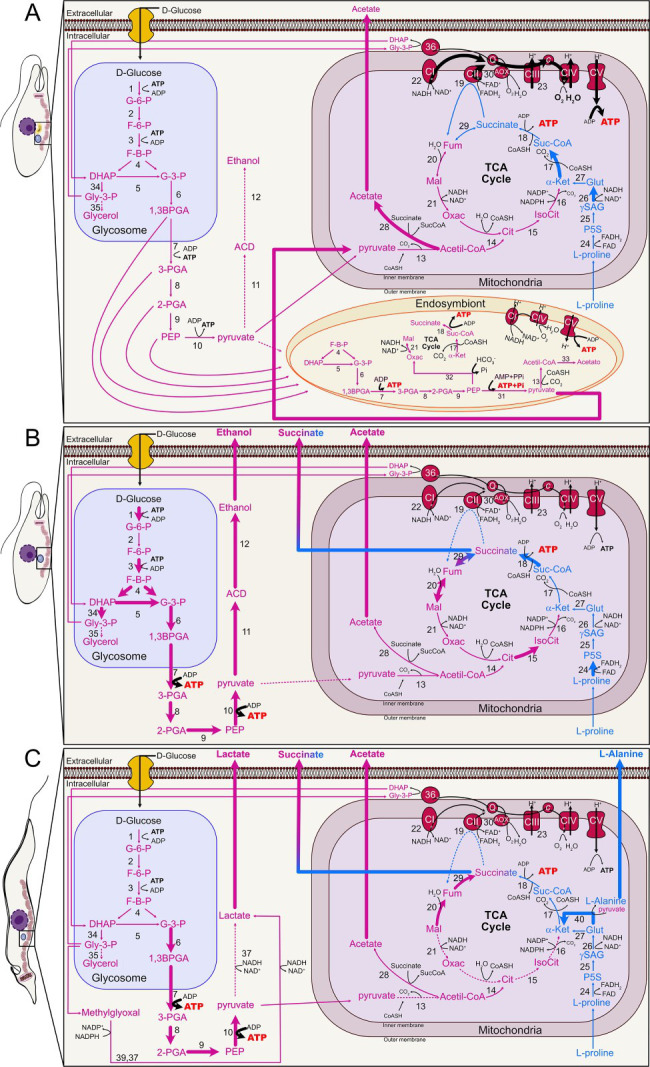 Figure 6
Peer Reviews
No public reviews on file for this paper yet. If you reviewed it on a platform where reviews are public (OpenReview, ICLR, NeurIPS, ICML), you can paste yours below so the community can read it here.
Videos
No videos yet. Explain this paper in a talk, walkthrough, or lecture? Add one.
Taxonomy
TopicsTrypanosoma species research and implications · Insect symbiosis and bacterial influences · Research on Leishmaniasis Studies