Why just fly?
Peter K. Dearden

TL;DR
The paper argues for using Drosophila research methods to study other insects, which could help ecosystems and food security.
Contribution
The paper advocates applying Drosophila genetic tools to other insect species to address ecological and agricultural challenges.
Findings
Drosophila tools are effective for insect research.
Studying other insects can help address the insect apocalypse.
Applying these methods may improve food production security.
Abstract
Drosophila melanogaster is an incredible model system, providing tools and technologies that allow careful, effective, and reproducible research. This experimental approach, and the genetic tools and techniques available in Drosophila are desperately needed for the study of other insects, a hugely diverse group of huge importance to natural and productive ecosystems. For those of you with the skills and ‘Drosophila mindset’, studying other insects may help us understand diversity, improve the security of food production, and help avoid the current, worrying, insect apocalypse.
Genes, proteins, chemicals, diseases, species, mutations and cell lines named across the full text — each resolved to its canonical identifier and authoritative record.
Click any figure to enlarge with its caption.
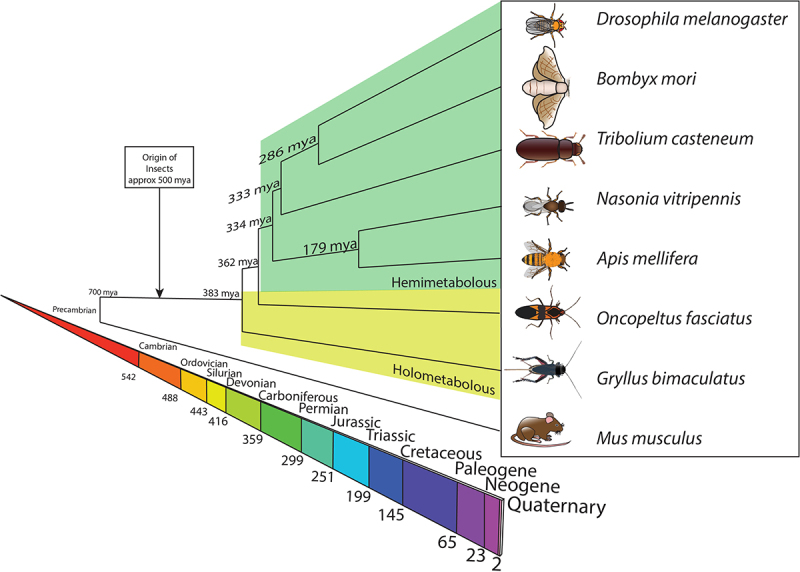 Figure 1
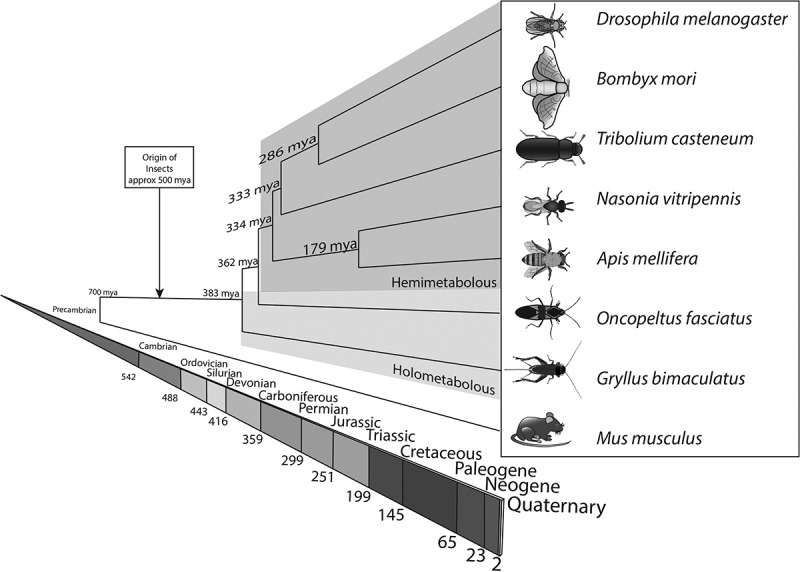 Figure 2
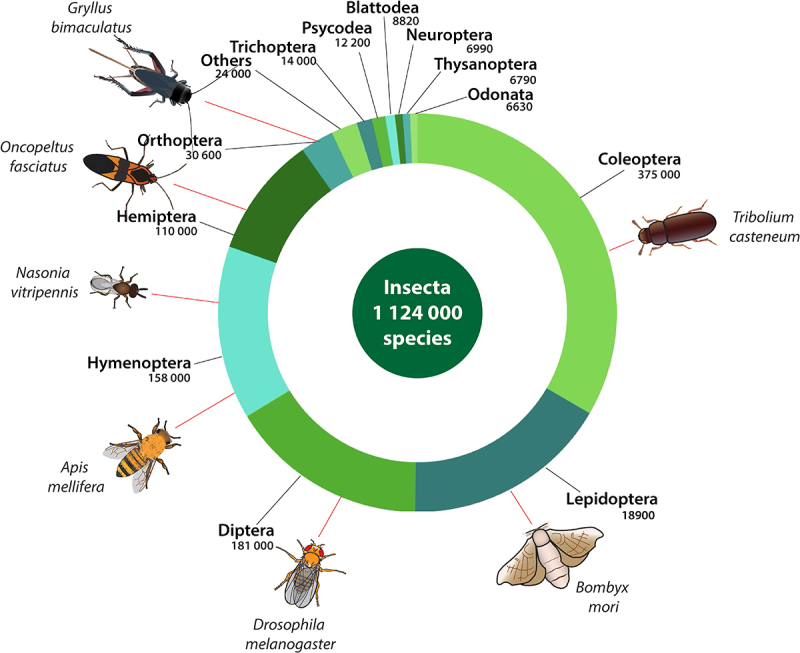 Figure 3
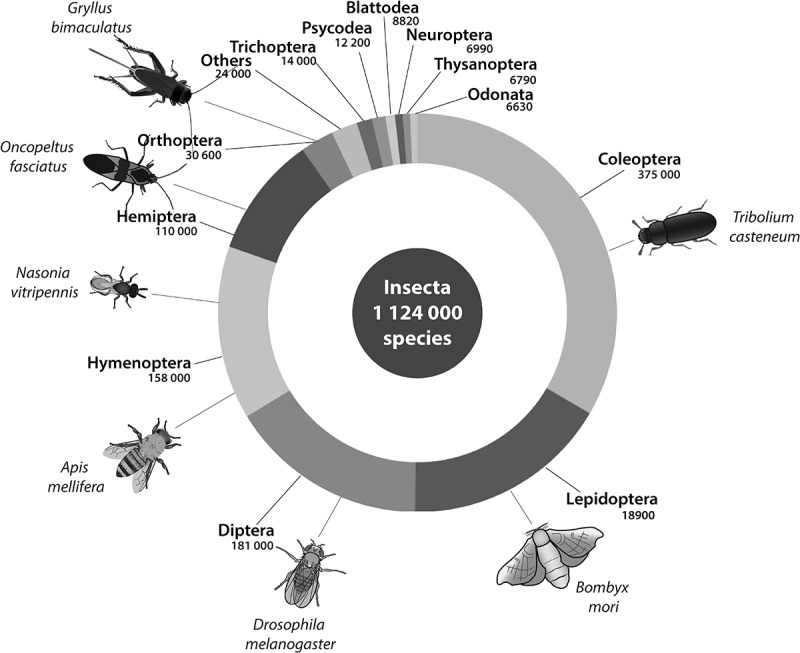 Figure 4
Peer Reviews
No public reviews on file for this paper yet. If you reviewed it on a platform where reviews are public (OpenReview, ICLR, NeurIPS, ICML), you can paste yours below so the community can read it here.
Videos
No videos yet. Explain this paper in a talk, walkthrough, or lecture? Add one.
Taxonomy
TopicsNeurobiology and Insect Physiology Research · Developmental Biology and Gene Regulation · Invertebrate Immune Response Mechanisms