Mss2 shapes the virulence of Candida albicans through reactive oxygen species (ROS) and calcium signaling, independent of direct transcriptional control
Cai-Ling Ke, Hsiao-Yen Tsai, Ajinkya Kulkarni, Richard J. Bennett, Ching-Hsuan Lin

TL;DR
This study shows that the protein Mss2 in Candida albicans affects its ability to cause disease by controlling calcium and reactive oxygen species, not through direct gene control.
Contribution
The study is the first to show that Mss2 regulates virulence via a calcium-ROS circuit, independent of transcriptional control.
Findings
Mss2 deletion impairs invasive growth on solid media but not hyphal formation in liquid media.
Mss2 regulates invasive growth through calcium and ROS homeostasis, confirmed by restoring phenotypes with exogenous ROS.
Mss2-regulated genes like UME6 and SAC1 are linked to calcium and ROS levels, and their deletion causes virulence defects.
Abstract
Mitochondrial function is essential for virulence in Candida albicans, yet the mechanism by which mitochondria influence pathogenesis remains largely undefined. Here, we reveal that the mitochondrial-associated factor Mss2 controls invasive growth through the regulation of calcium–reactive oxygen species (ROS) homeostasis. Deletion of MSS2 results in impaired invasive growth on solid media without affecting hyphal formation in liquid media, indicating that Mss2 controls contact-specific responses. We demonstrate that the regulation of these processes by Mss2 is linked to the regulation of cytosolic calcium levels and cellular ROS production. Furthermore, transcriptomic profiling identified MSS2-regulated genes, including UME6, SAC1, RIM8, and ORF19.1841, whose expression is dependent on calcium and ROS levels. Restoration of invasive phenotypes through exogenous ROS confirms the…
Genes, proteins, chemicals, diseases, species, mutations and cell lines named across the full text — each resolved to its canonical identifier and authoritative record.
Click any figure to enlarge with its caption.
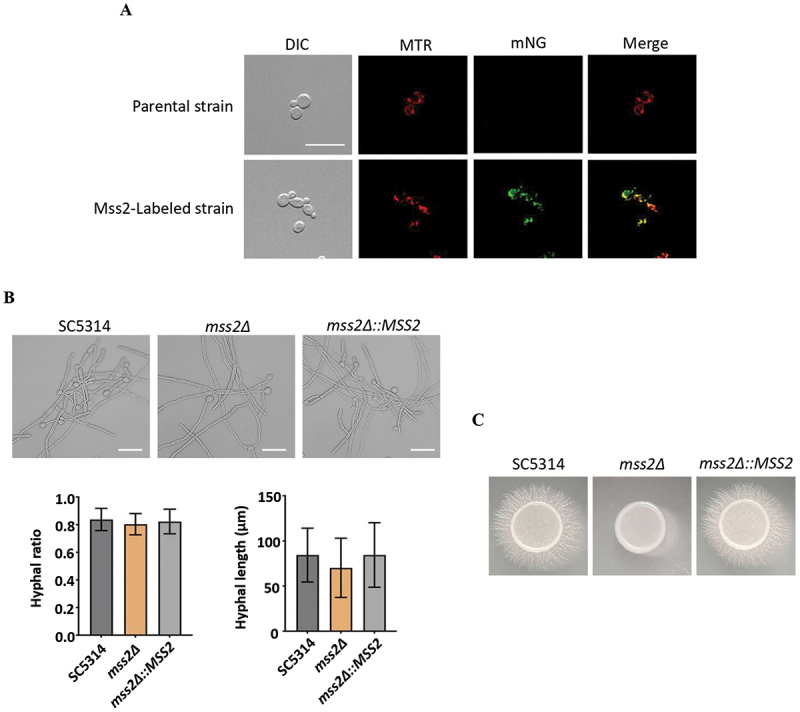 Figure 1
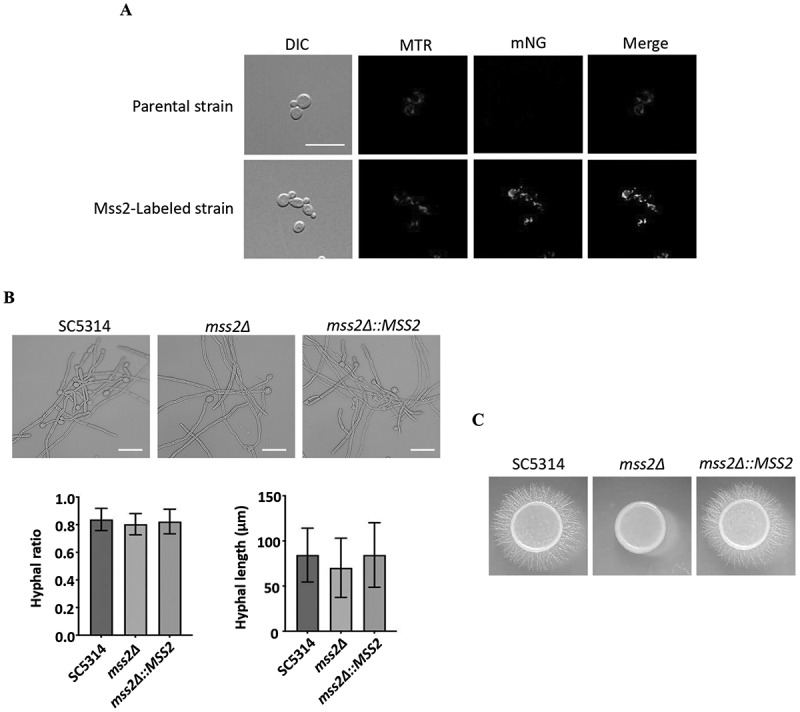 Figure 2
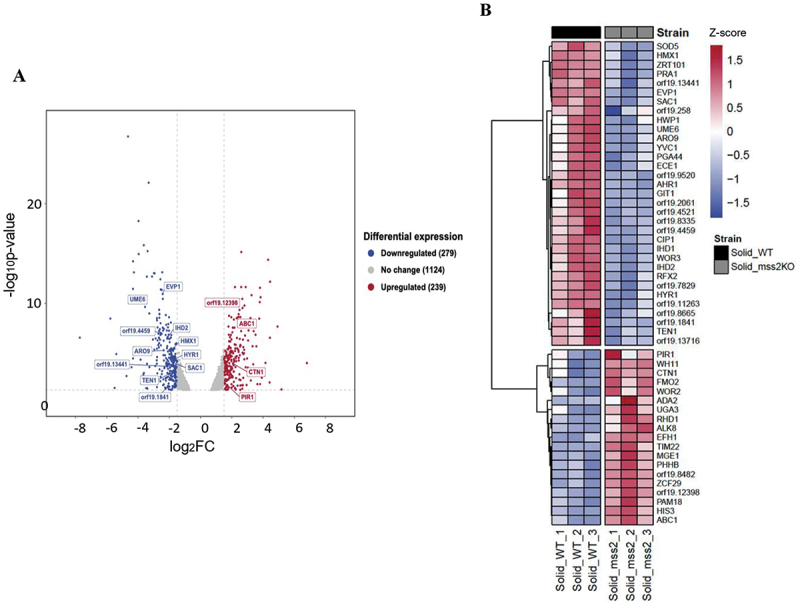 Figure 3
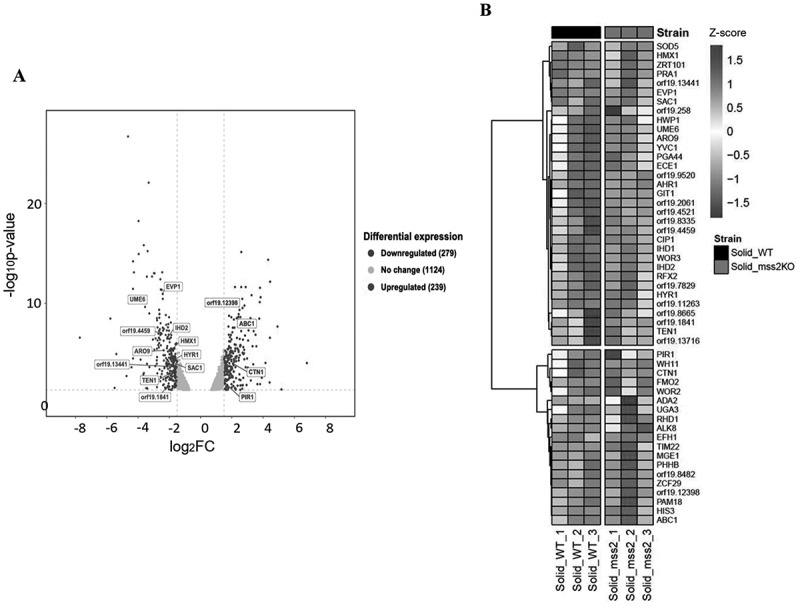 Figure 4
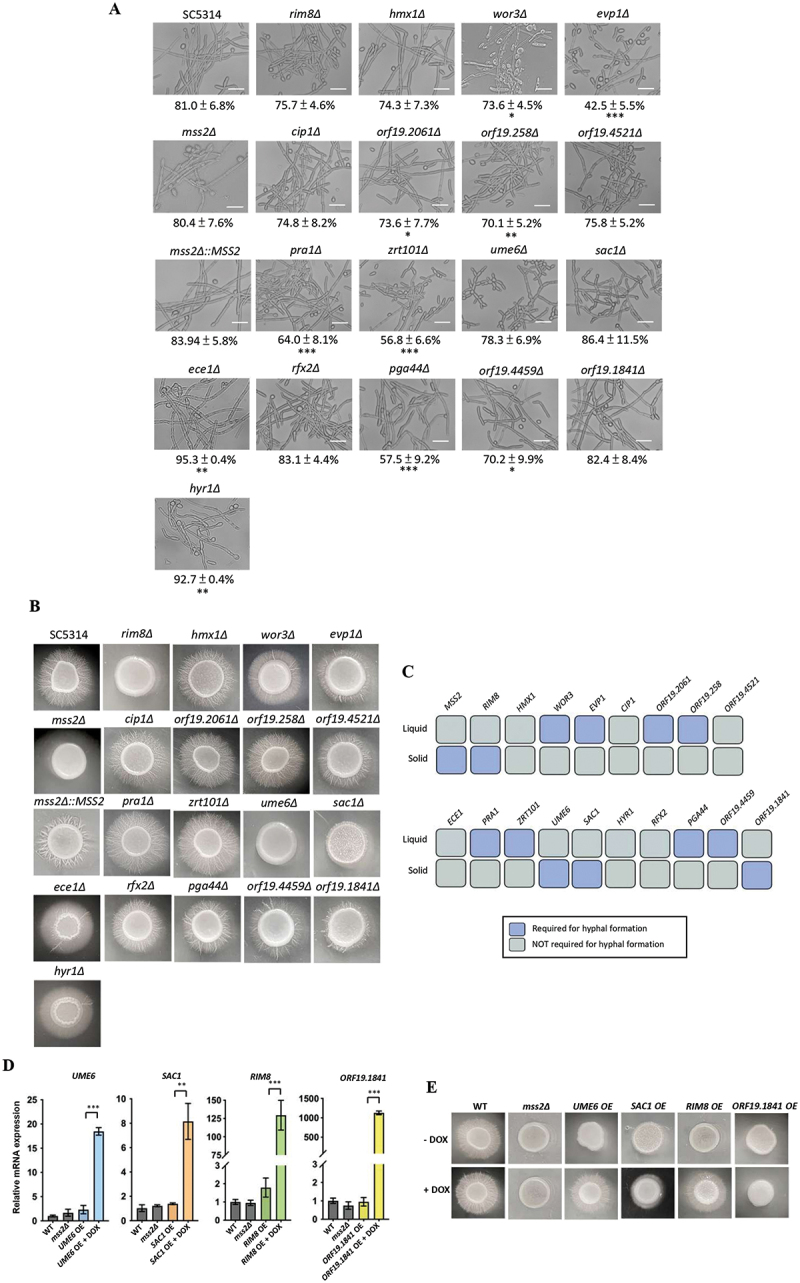 Figure 5
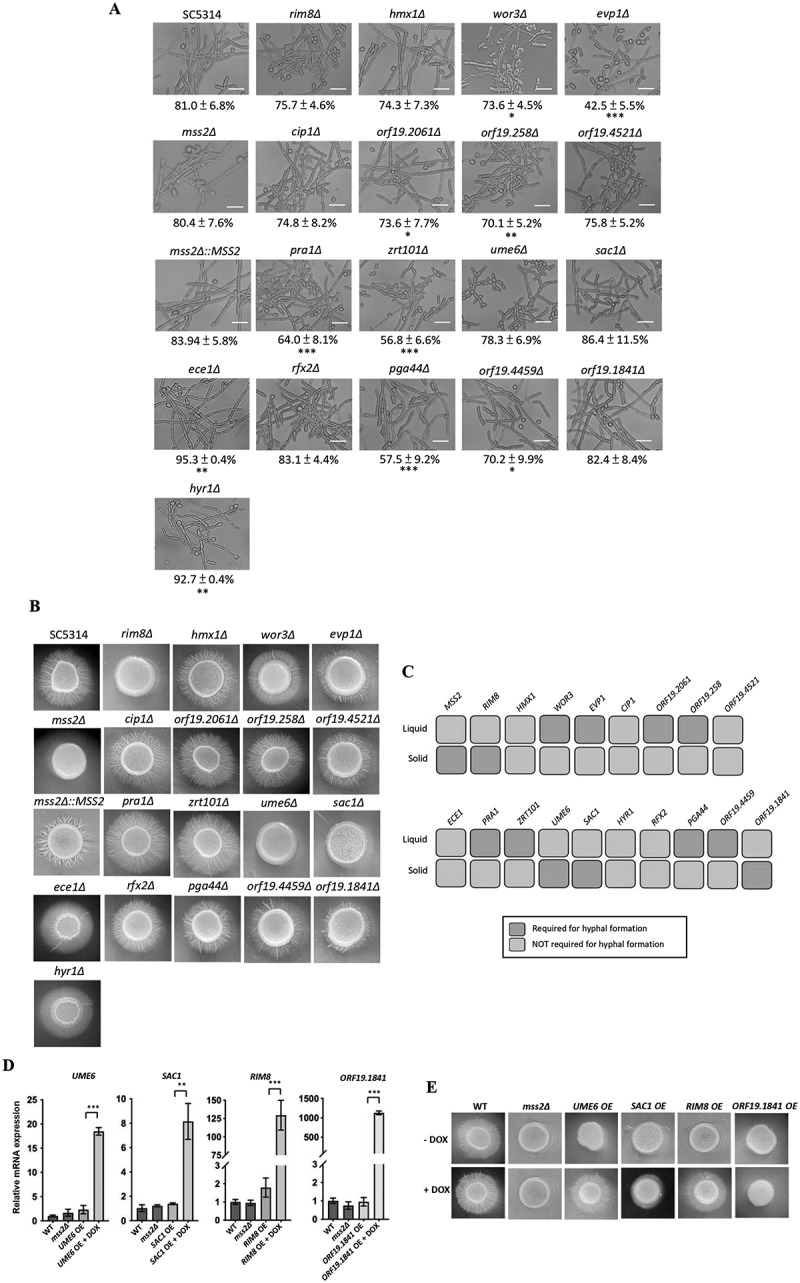 Figure 6
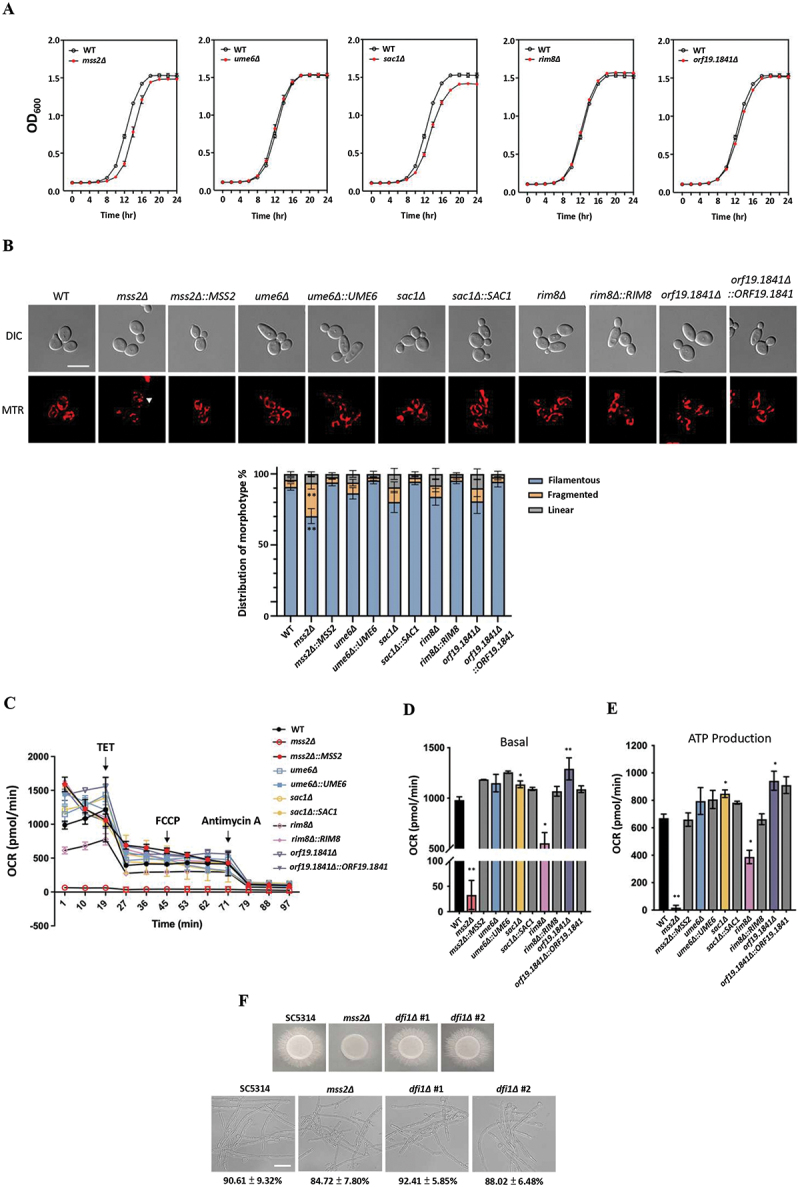 Figure 7
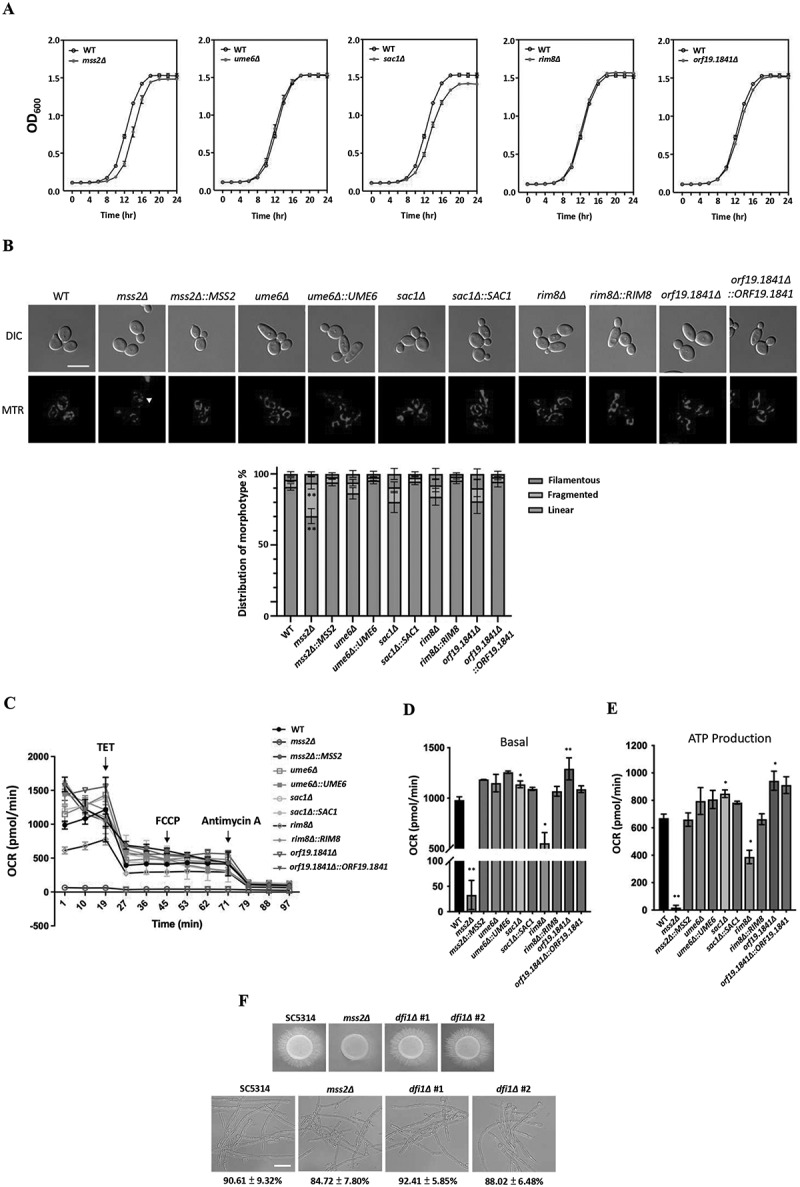 Figure 8
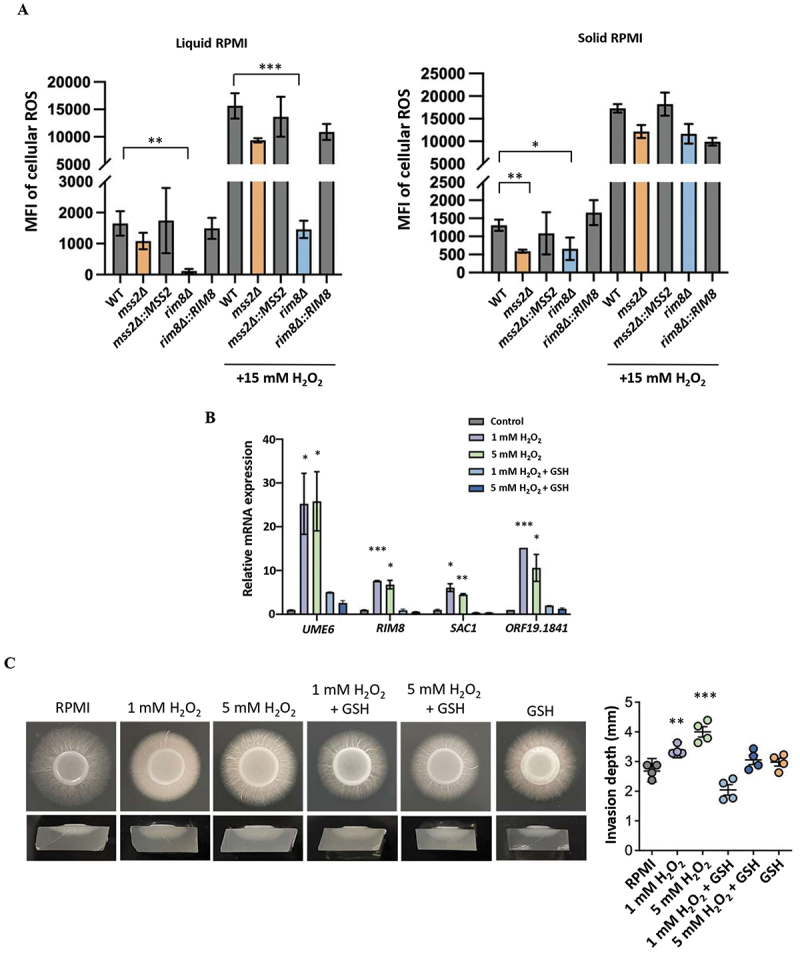 Figure 9
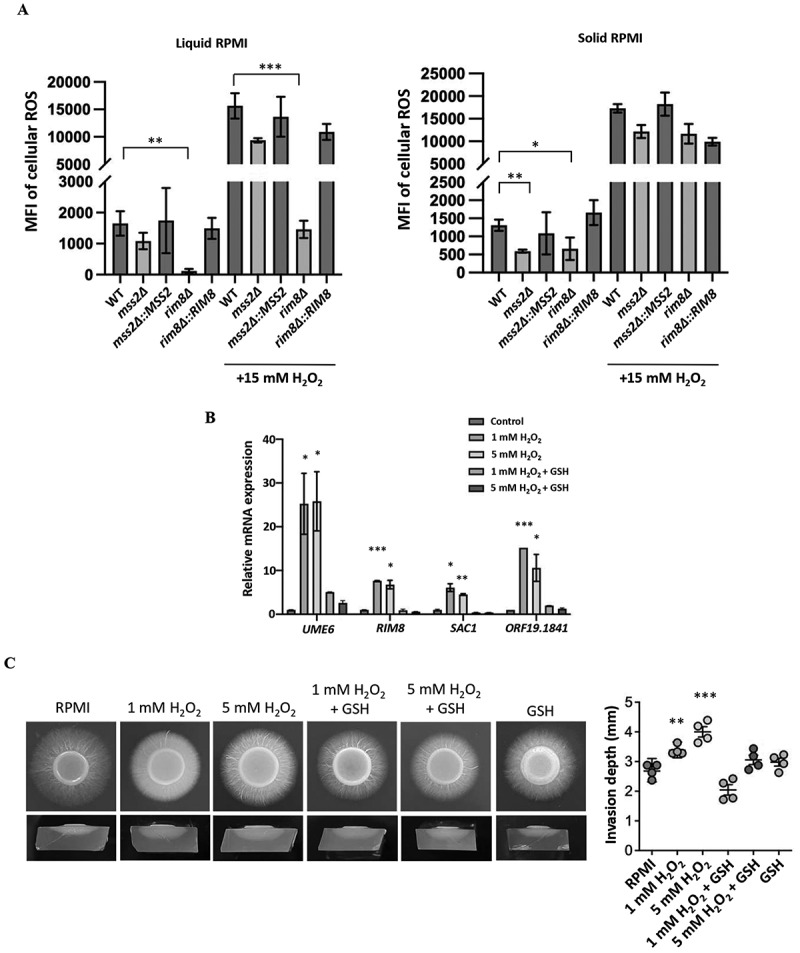 Figure 10
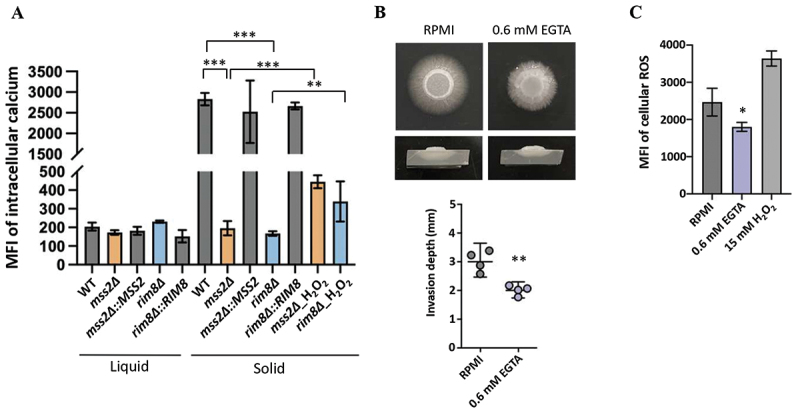 Figure 11
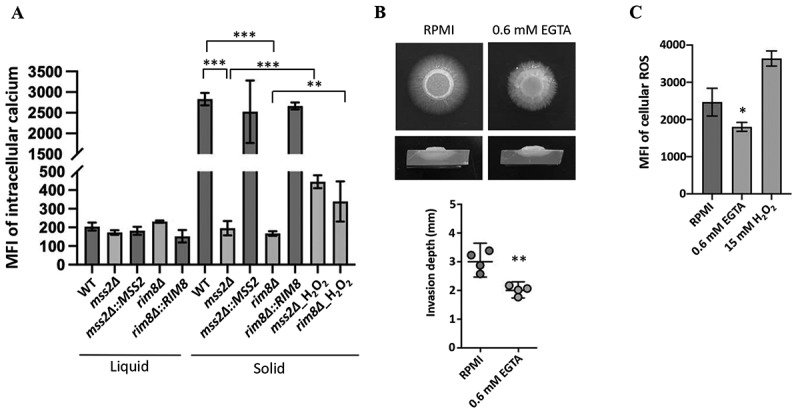 Figure 12
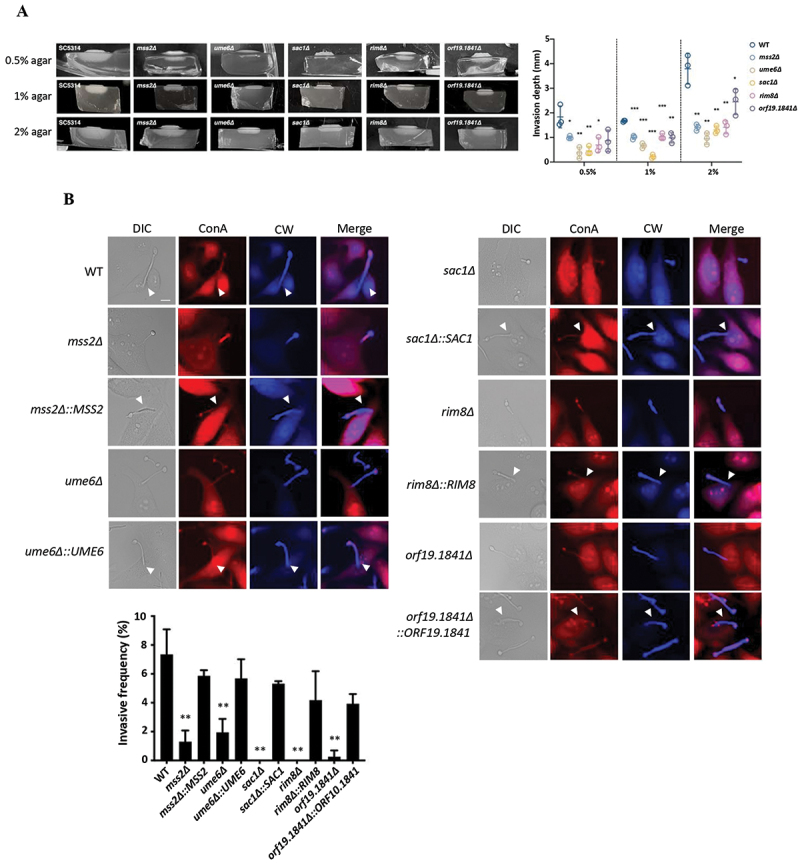 Figure 13
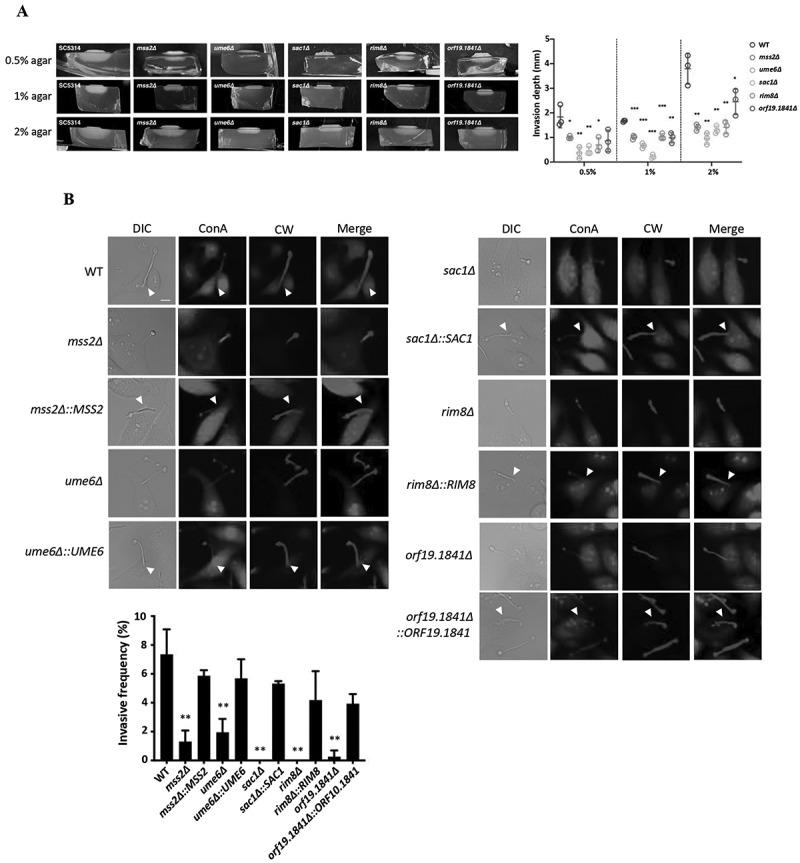 Figure 14
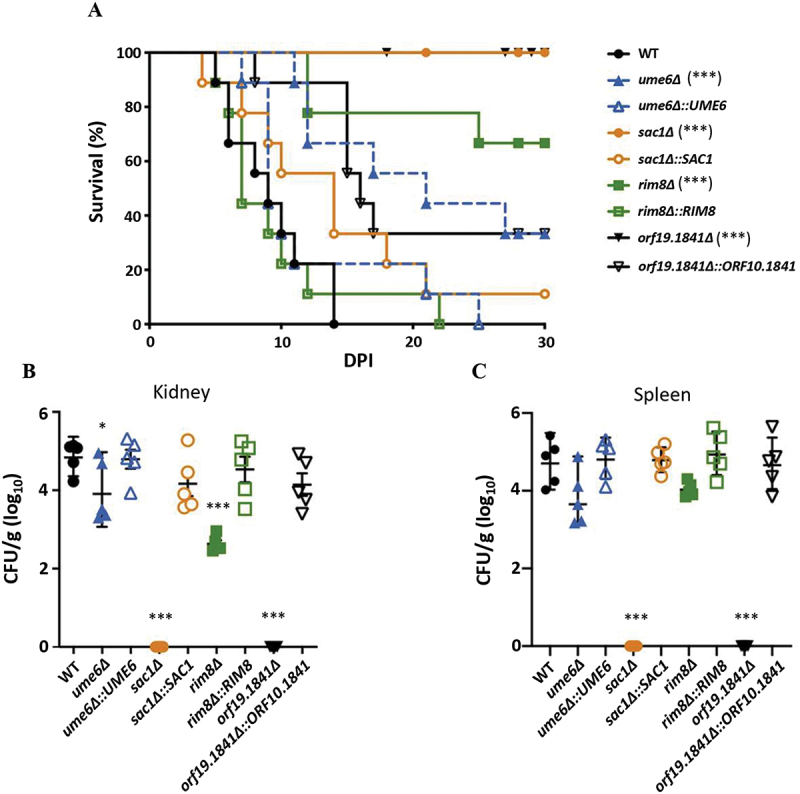 Figure 15
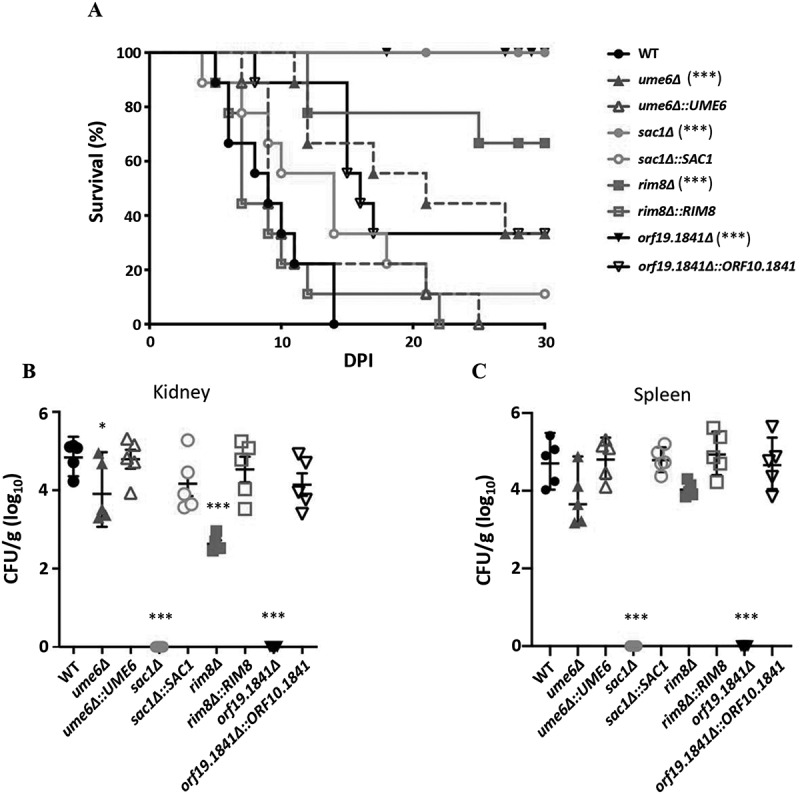 Figure 16
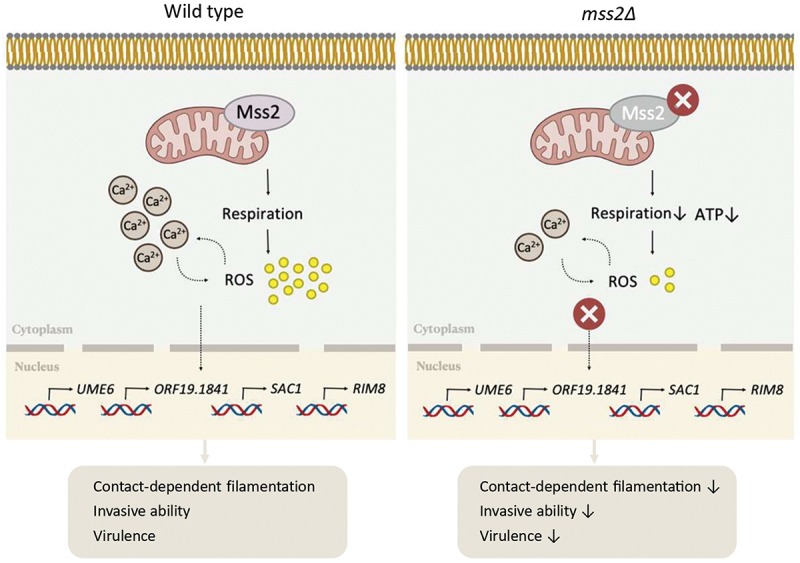 Figure 17
 Figure 18
Peer Reviews
No public reviews on file for this paper yet. If you reviewed it on a platform where reviews are public (OpenReview, ICLR, NeurIPS, ICML), you can paste yours below so the community can read it here.
Videos
No videos yet. Explain this paper in a talk, walkthrough, or lecture? Add one.
Taxonomy
TopicsAntifungal resistance and susceptibility · Fungal Infections and Studies · Mitochondrial Function and Pathology