Disruption of TcGNBP3 via RNA interference compromises antibacterial immunity in Tribolium castaneum
Jingxiu Bi, Qing Li, Pingxiang Liu, Jingjing Li, Rui Gao, Tong Zhao, Xuexia Yuan, Haining Hao, Yutao Wang, Bin Li

TL;DR
This study identifies TcGNBP3 as a key immune protein in red flour beetles, showing that disrupting it weakens their ability to fight bacterial infections.
Contribution
The study characterizes TcGNBP3, a novel GNBP in Tribolium castaneum, and demonstrates its role in antibacterial immunity through RNAi experiments.
Findings
TcGNBP3 binds to bacterial components like lipopolysaccharide and peptidoglycan.
RNA interference of TcGNBP3 reduces beetle survival after bacterial infection.
TcGNBP3 is highly expressed in immune-related tissues during key developmental stages.
Abstract
Gram-negative bacteria binding proteins (GNBPs) serve as essential pattern recognition receptors in insect innate immunity, detecting pathogen-associated molecular patterns to activate downstream immune responses. This molecular recognition mechanism presents a promising target for pest control strategies. However, the immunological functions of GNBP family members in Tribolium castaneum remain poorly characterized, particularly for those with typical structural features. In this study, we identified and characterized a novel GNBP3 (designated TcGNBP3) from the T. castaneum cDNA library. Structural analysis revealed that TcGNBP3 exhibits the typical domain architecture characteristic of the GNBP family, comprising an N-terminal carbohydrate-binding module 39 (CBM39) domain and a C-terminal glycoside hydrolase family 16 (GH16) domain. Spatiotemporal expression profiling demonstrated peak…
Genes, proteins, chemicals, diseases, species, mutations and cell lines named across the full text — each resolved to its canonical identifier and authoritative record.
Click any figure to enlarge with its caption.
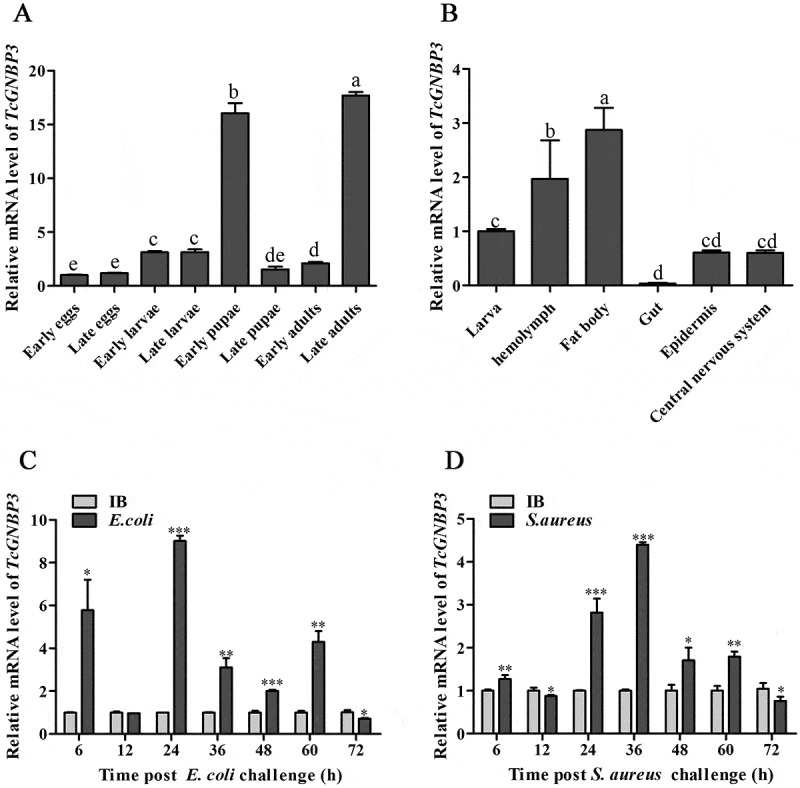 Figure 1
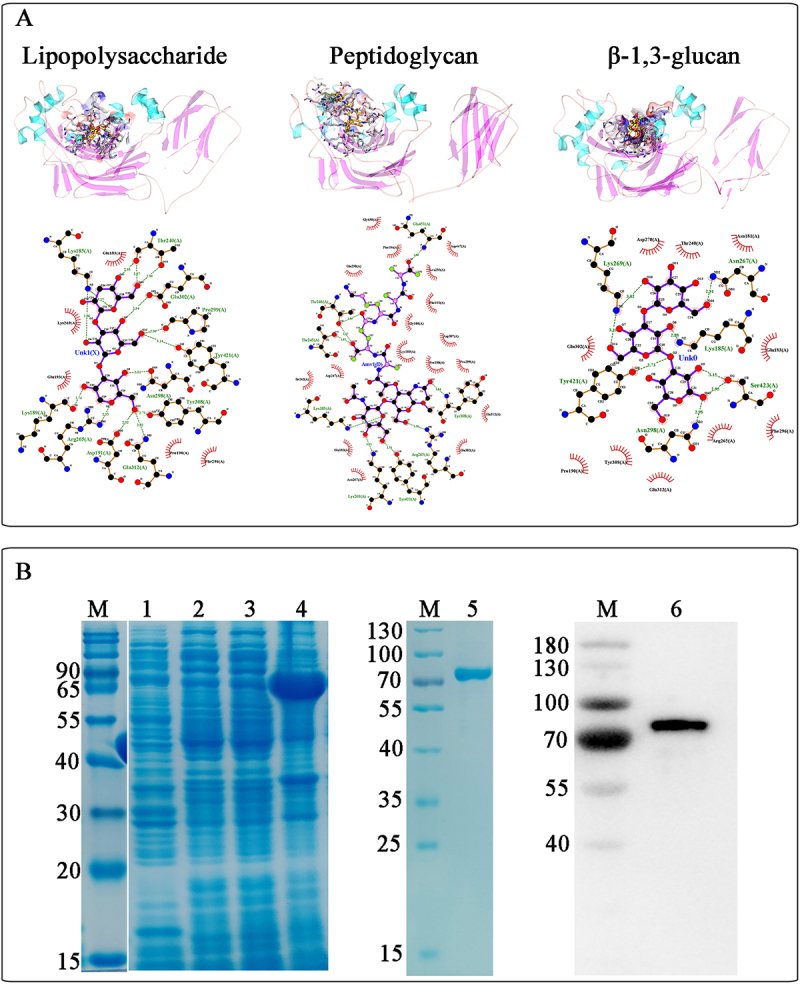 Figure 2
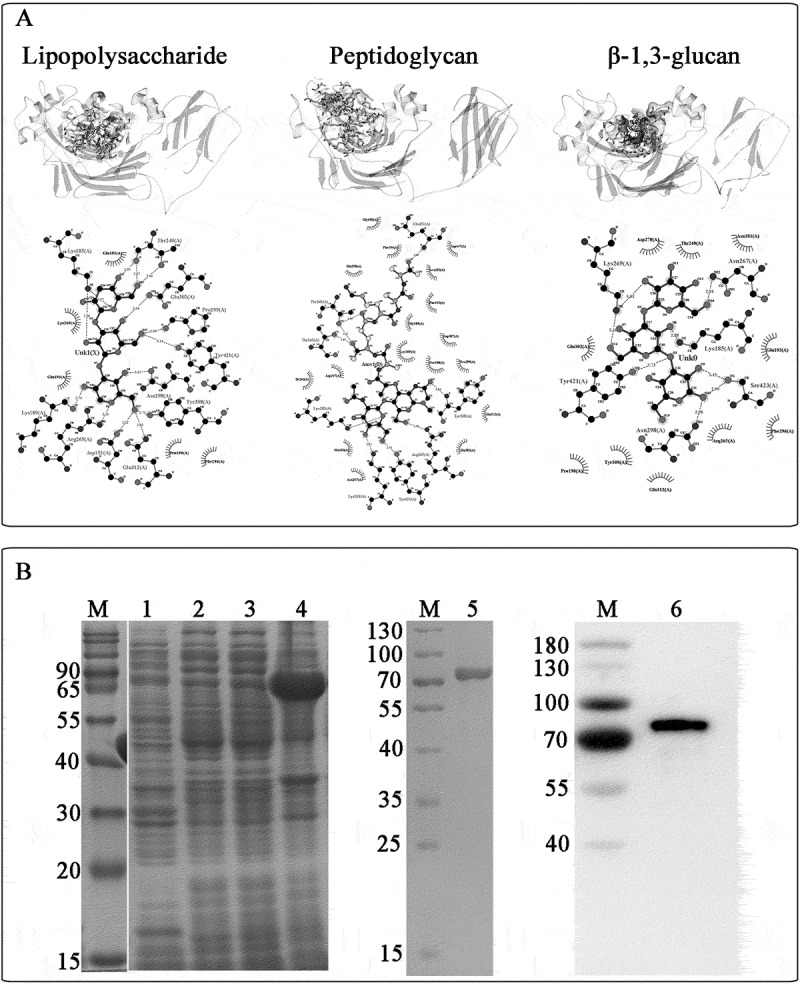 Figure 3
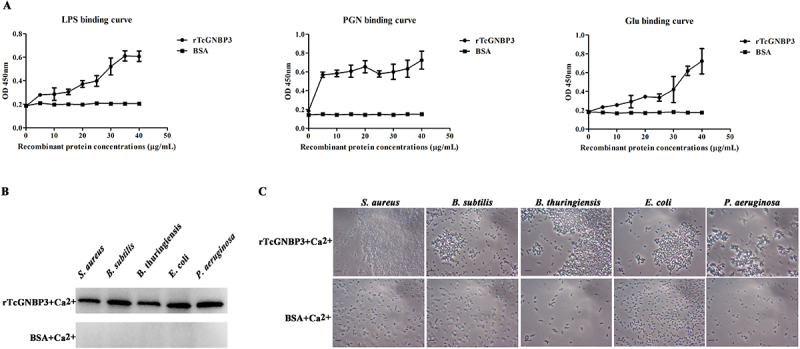 Figure 4
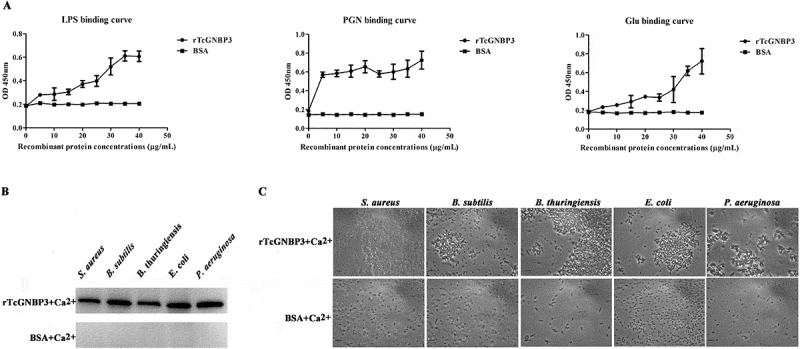 Figure 5
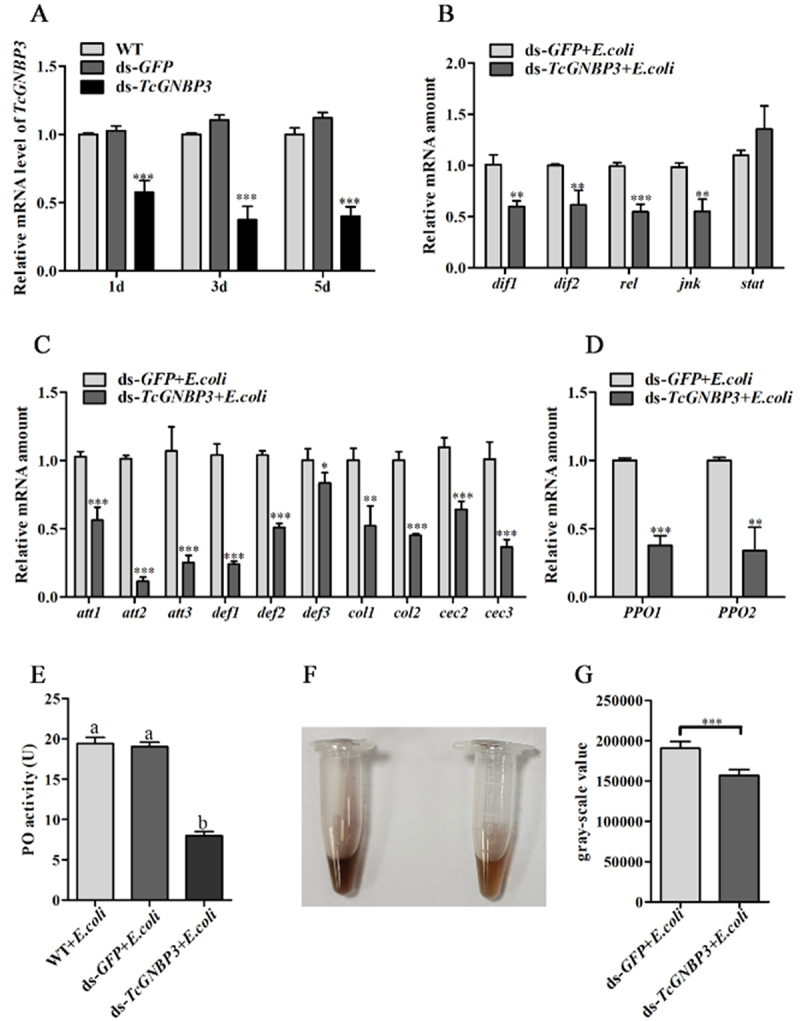 Figure 6
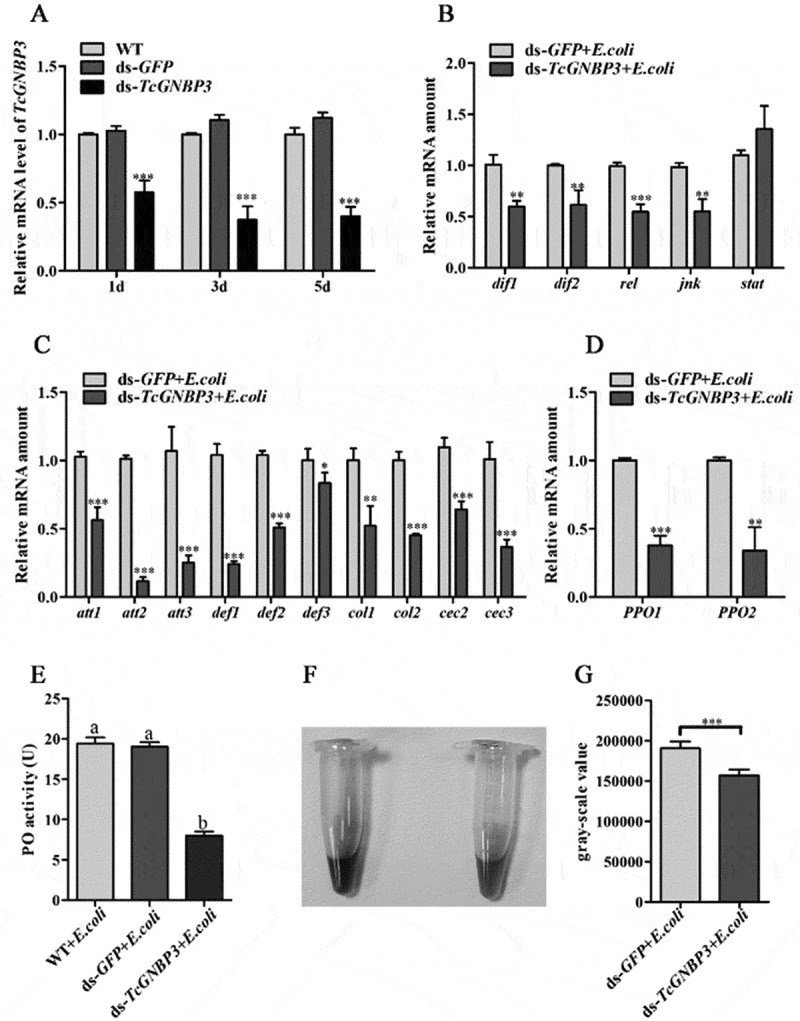 Figure 7
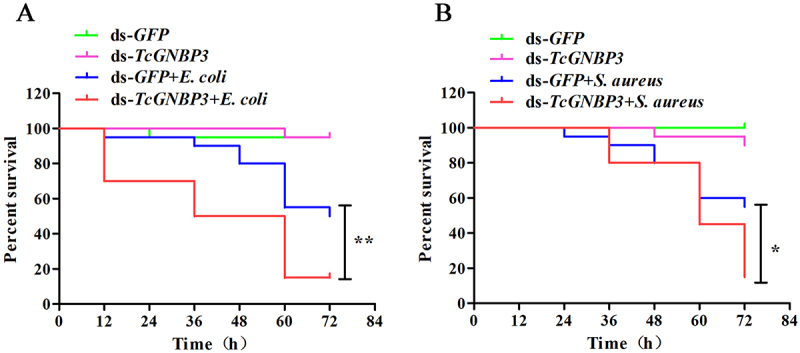 Figure 8
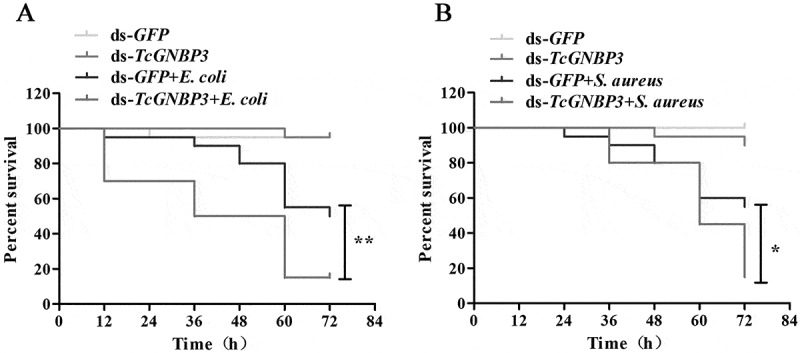 Figure 9
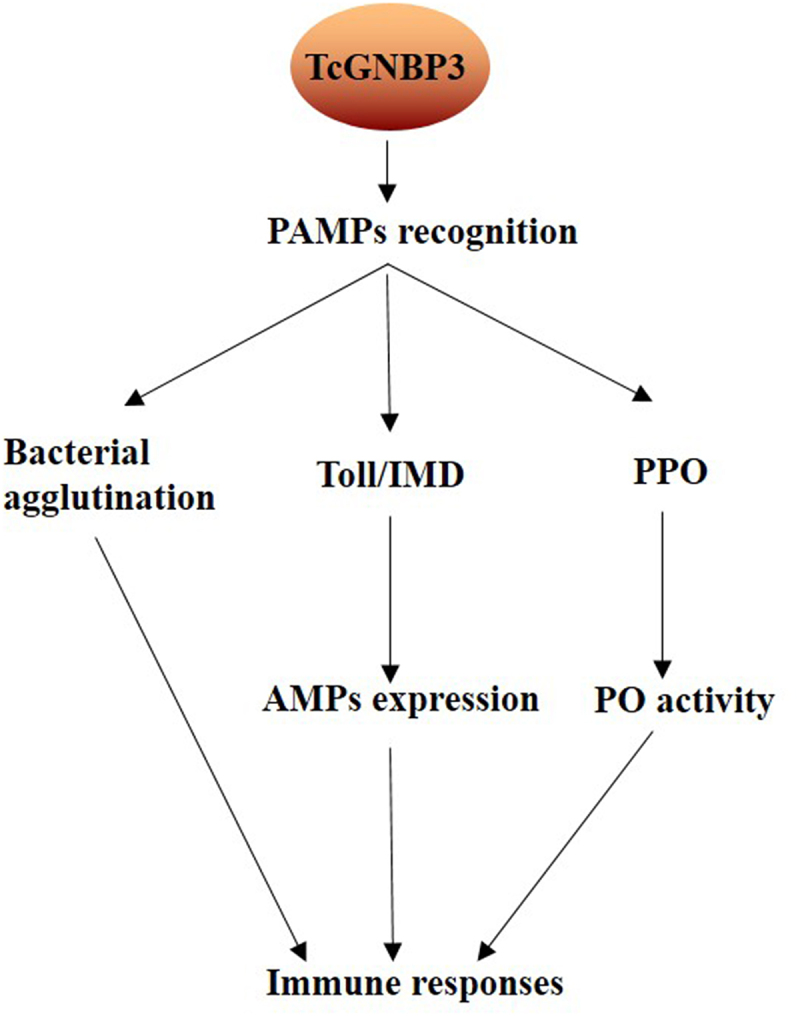 Figure 10
 Figure 11
Peer Reviews
No public reviews on file for this paper yet. If you reviewed it on a platform where reviews are public (OpenReview, ICLR, NeurIPS, ICML), you can paste yours below so the community can read it here.
Videos
No videos yet. Explain this paper in a talk, walkthrough, or lecture? Add one.
Taxonomy
TopicsInvertebrate Immune Response Mechanisms · Antimicrobial Peptides and Activities · Escherichia coli research studies