Genetic and genomic variability of Spiroplasma and Midichloria endosymbionts associated with the tick Ixodes frontalis
Sophie Melis, Leandro Gammuto, Michele Castelli, Tiago Nardi, Beatrice Bisaglia, Olivier Duron, Alessandra Cafiso, Julie Botman, Olivier Lambert, Emanuela Olivieri, Hein Sprong, Olivier Plantard, Davide Sassera

TL;DR
This study explores the genetic diversity and roles of two bacterial symbionts in Ixodes frontalis ticks, finding they are common in adults and may be passed from mother to offspring.
Contribution
The study provides new insights into the genomic variability and potential functions of Spiroplasma and Midichloria symbionts in Ixodes frontalis ticks.
Findings
Both Midichloria and Spiroplasma are highly prevalent in adult Ixodes frontalis ticks.
Genomic analysis suggests low genetic variability among symbionts and potential roles in nutrition and defense.
Vertical transmission of symbionts is supported by experimental analysis of larvae.
Abstract
Ixodes frontalis, an ornithophilic tick species, is widely distributed all over Europe exhibiting two genetically diverging haplogroups based on differences in the cytochrome c oxidase subunit 1 mitochondrial gene. Despite its broad distribution, little is known about the presence of symbiotic bacteria in I. frontalis, while symbionts are generally widespread in ixodid ticks and responsible for important effects on host fitness. We collected I. frontalis from France and Italy (n = 277) and assessed that the most prevalent haplogroup was A (73%). We then investigated the presence of the symbionts, Midichloria mitochondrii and Spiroplasma ixodetis. They were both found at a high prevalence in adult ticks (66% and 77% respectively), while the number of positive immature ticks was significantly lower (18% for both). The experimental analysis of larvae hatched from egg clutches obtained from…
Genes, proteins, chemicals, diseases, species, mutations and cell lines named across the full text — each resolved to its canonical identifier and authoritative record.
Click any figure to enlarge with its caption.
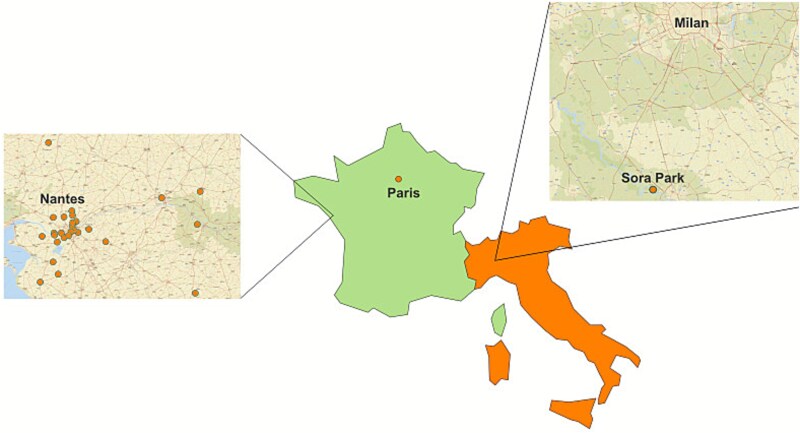 Figure 1
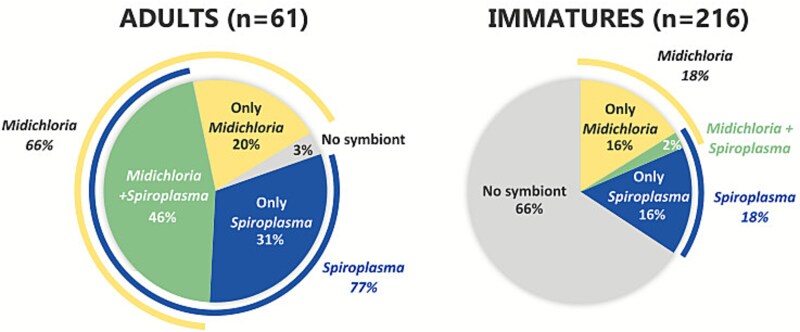 Figure 2
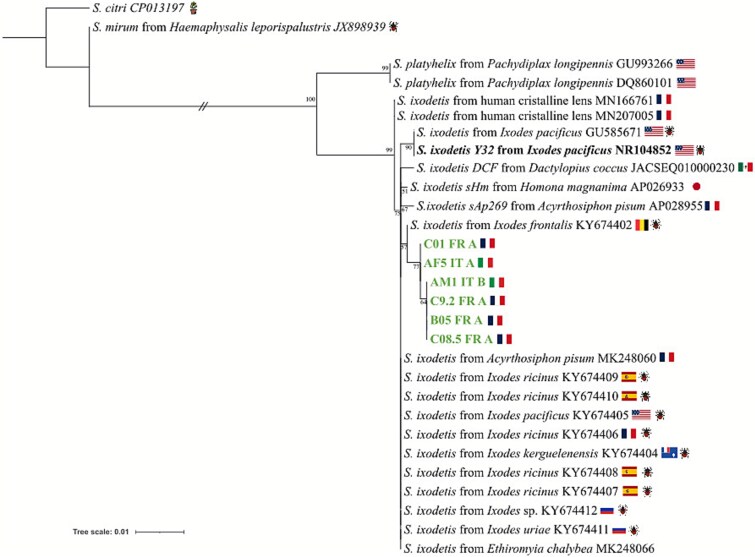 Figure 3
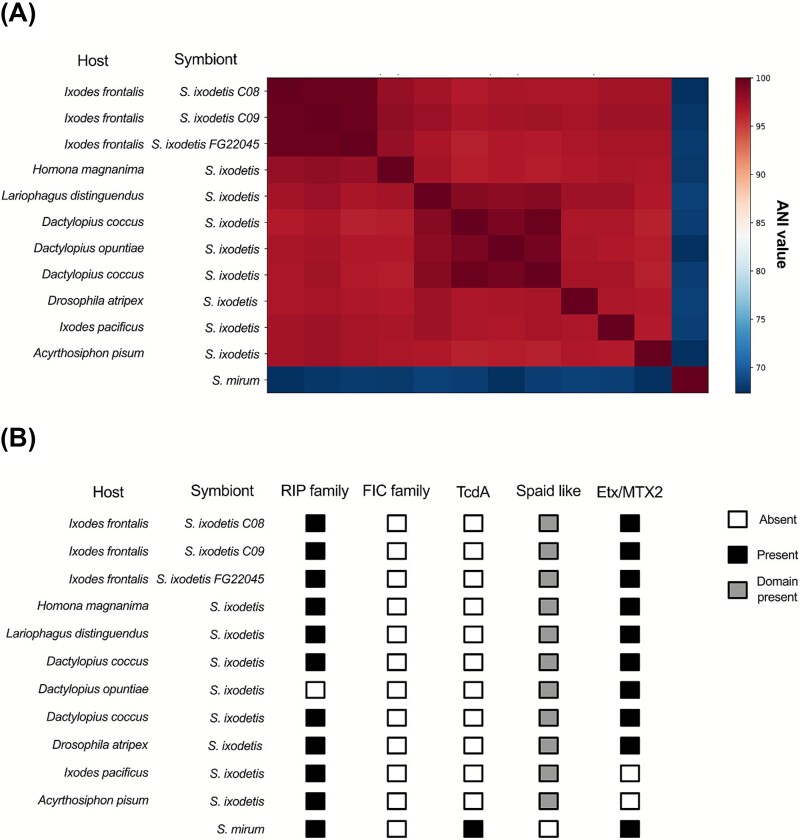 Figure 4
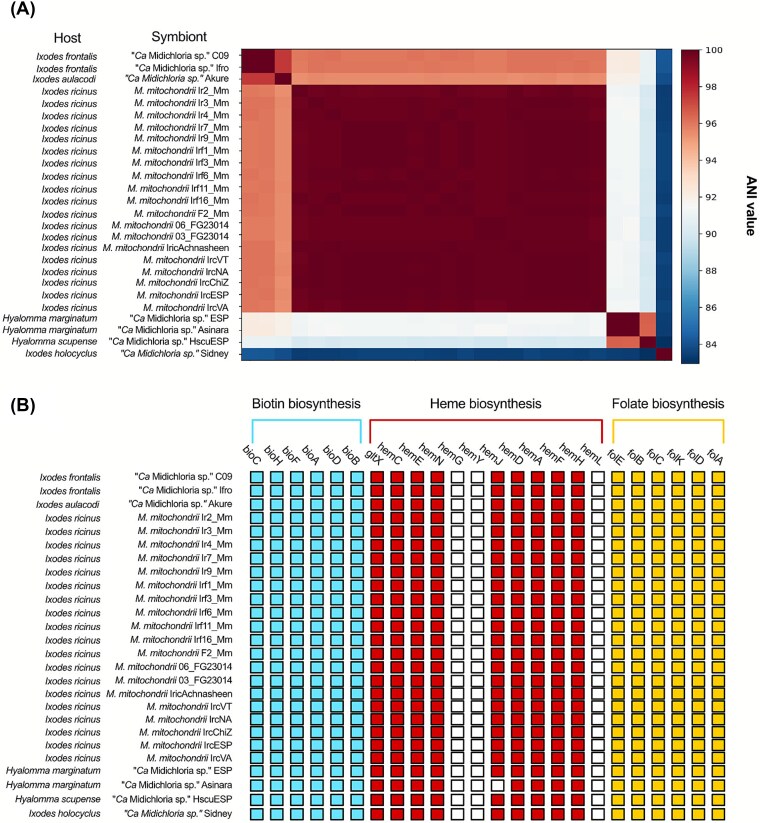 Figure 5
Peer Reviews
No public reviews on file for this paper yet. If you reviewed it on a platform where reviews are public (OpenReview, ICLR, NeurIPS, ICML), you can paste yours below so the community can read it here.
Videos
No videos yet. Explain this paper in a talk, walkthrough, or lecture? Add one.
Taxonomy
TopicsVector-borne infectious diseases · Bartonella species infections research · Bird parasitology and diseases