Information Revolutions and Information Transitions: Counting, Sealing, Writing in Iran 10,000–300 BC
Roger Matthews, Amy Richardson, Hassan Fazeli Nashli, Donna de Groene

TL;DR
This paper explores how ancient Iranian societies developed counting, sealing, and writing practices over 9000 years, showing how these were shaped by environmental and social factors.
Contribution
The study provides a systematic analysis of bureaucratic practices in ancient Iran, highlighting their unique development compared to Mesopotamia.
Findings
Iranian societies showed a hesitant and episodic engagement with sealing and writing compared to Mesopotamian neighbors.
Environmental factors and fragile agricultural systems influenced the development of bureaucratic practices in ancient Iran.
The study identifies deep-time diachronic trends in administrative practices through material residues.
Abstract
In this paper, we present a comprehensive analysis of counting, sealing, and writing practices in ancient Iran, spanning approximately 9000 years from the Neolithic to the Iron Age. The survival of clay (and occasionally stone or metal) media for administration in early Iran provides direct evidence for the development of bureaucratic practices. These materials reveal how such practices were situated within a broad range of socio-political, cultural, and environmental circumstances. Through systematic review and statistical analysis of the surviving material residues of Iranian bureaucracy, we identify distinctive deep-time diachronic trends and patterns. Our findings examine the ways in which Iranian societies exhibited a more hesitant and episodic engagement with sealing and writing compared to their Mesopotamian neighbours. We consider how these differences may be contingent on the…
Genes, proteins, chemicals, diseases, species, mutations and cell lines named across the full text — each resolved to its canonical identifier and authoritative record.
Click any figure to enlarge with its caption.
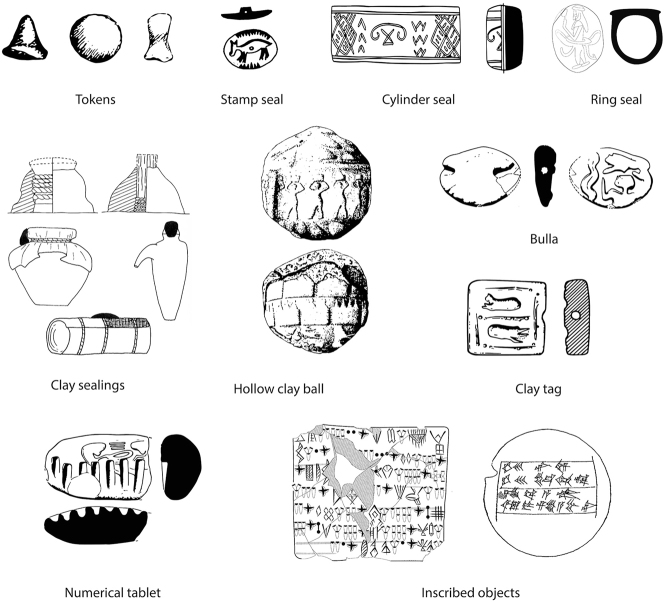 Figure 1
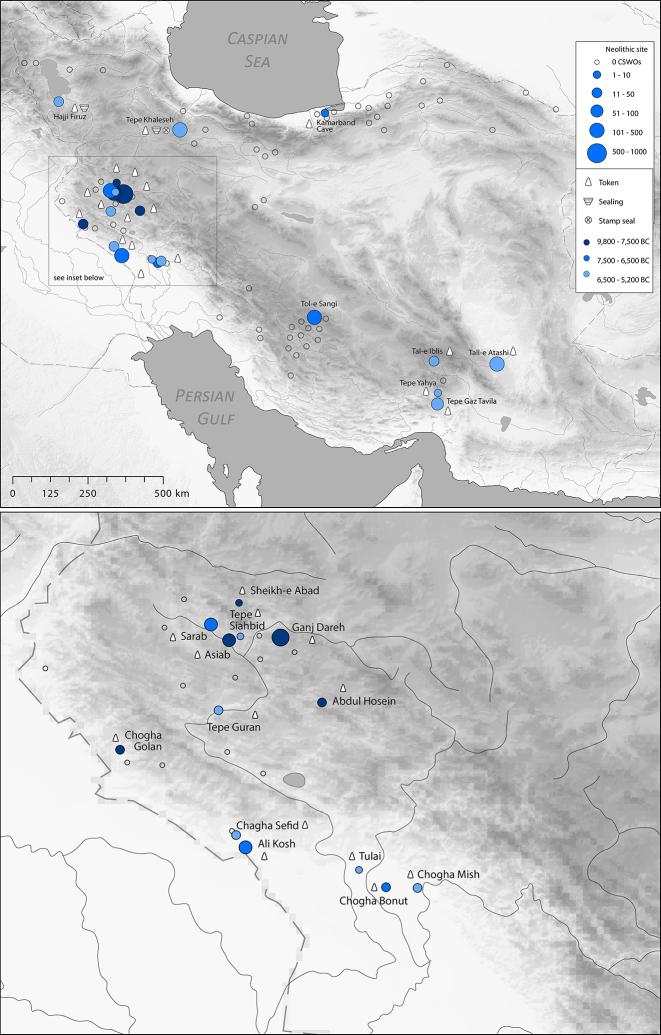 Figure 2
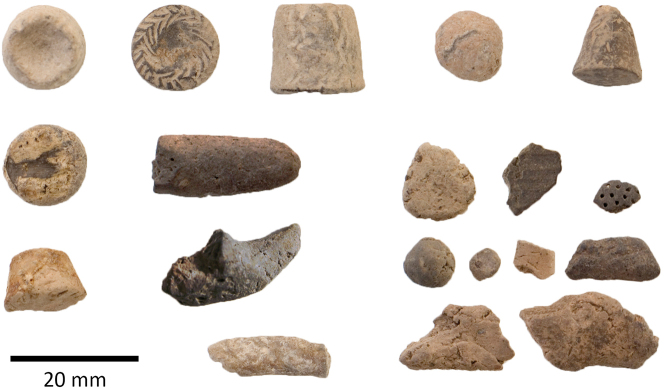 Figure 3
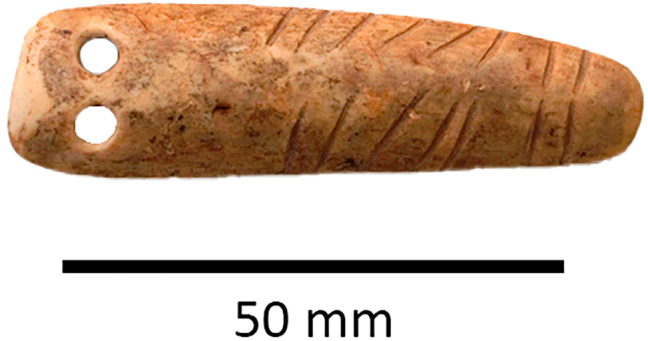 Figure 4
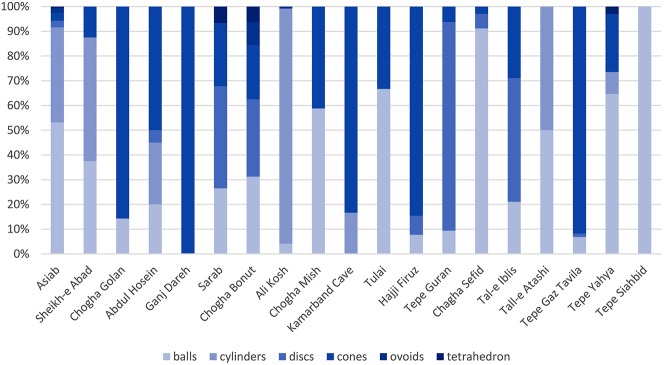 Figure 5
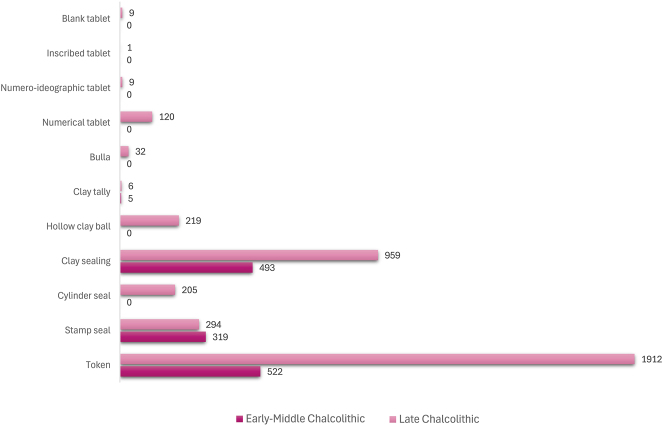 Figure 6
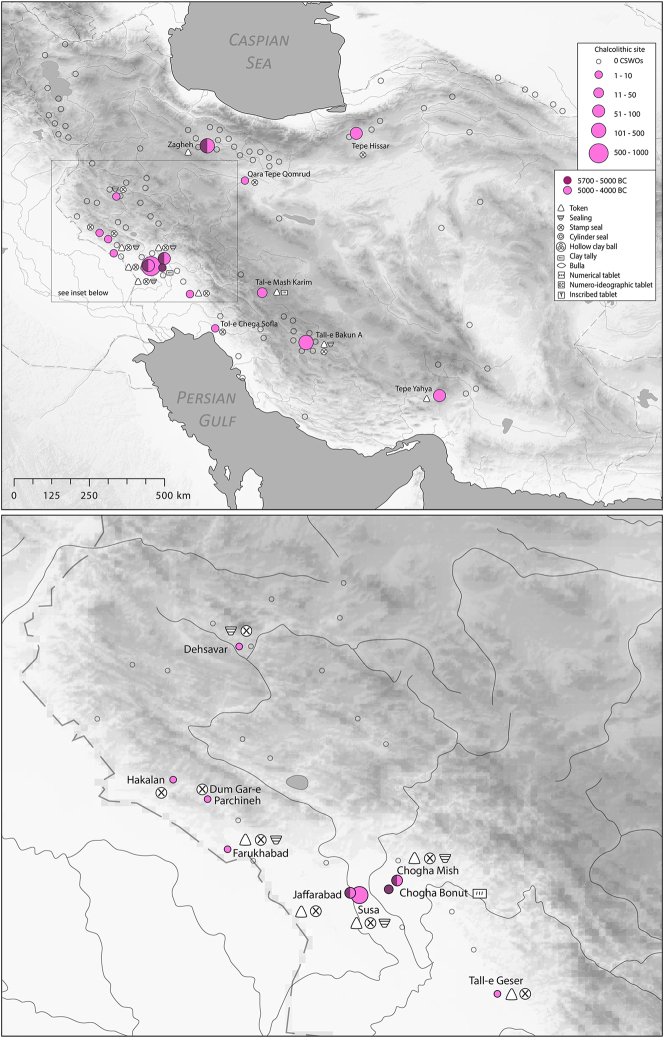 Figure 7
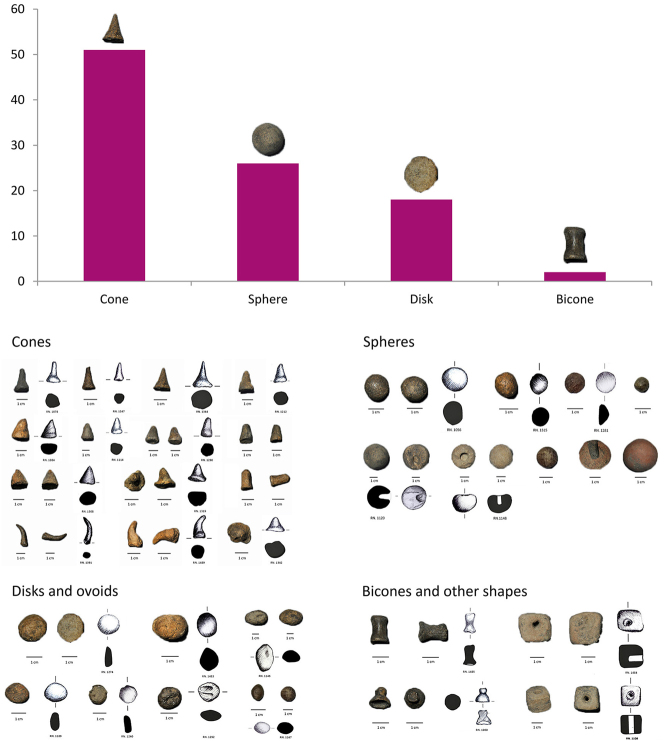 Figure 8
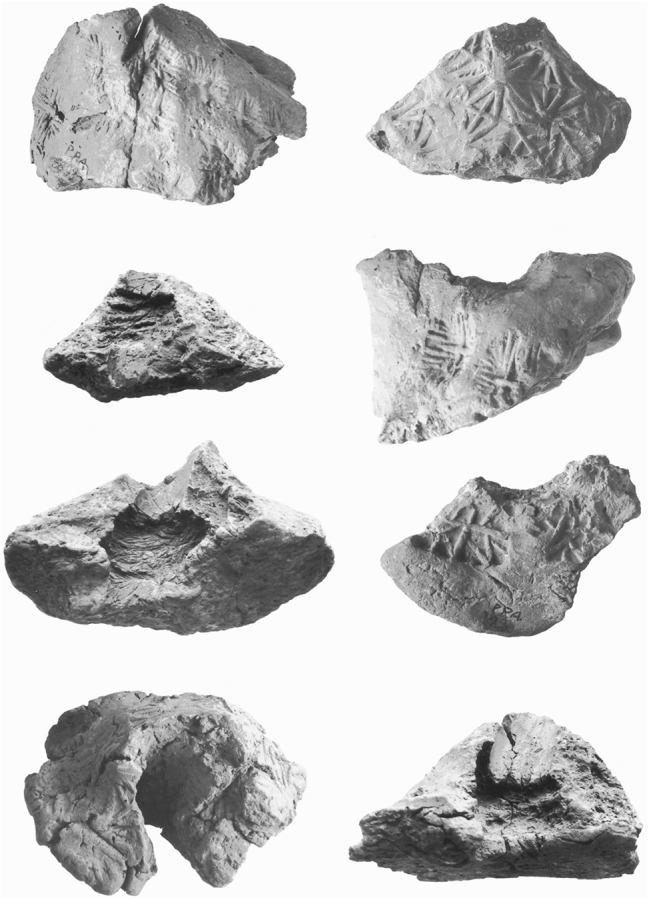 Figure 9
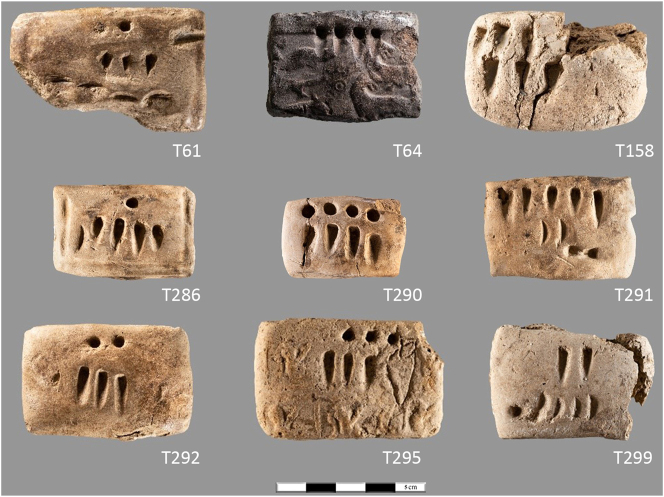 Figure 10
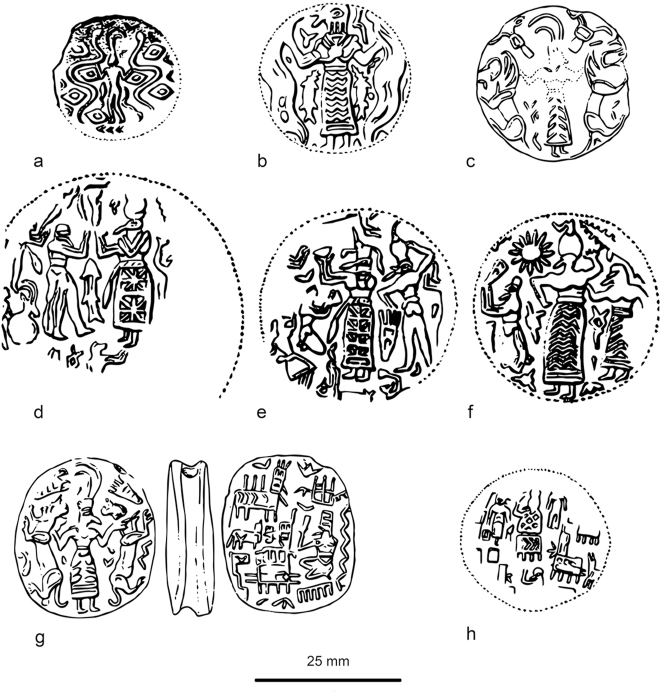 Figure 11
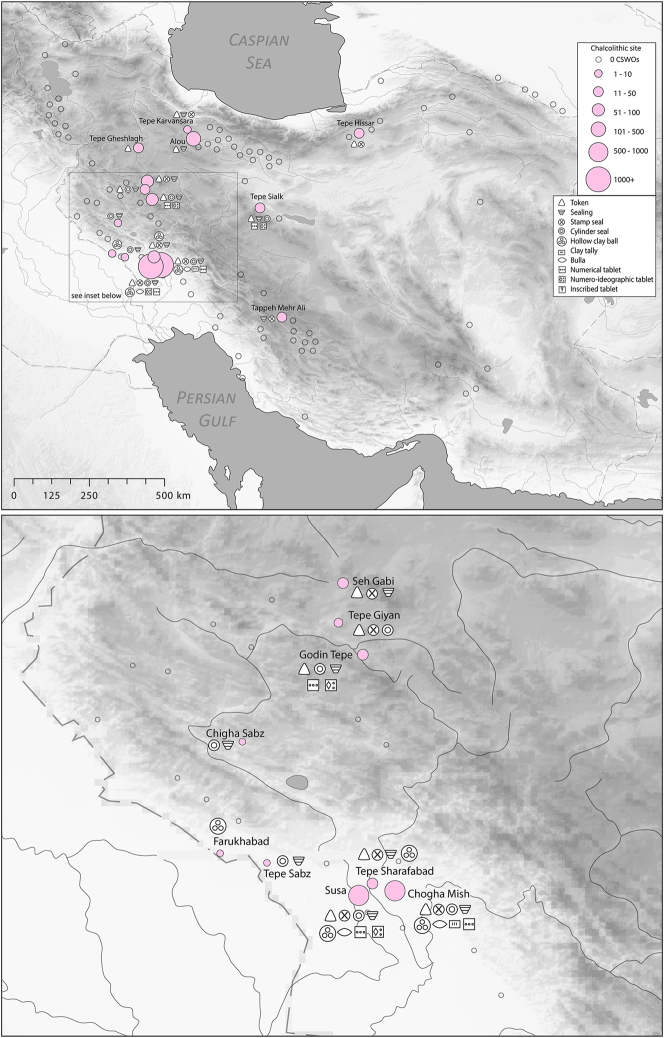 Figure 12
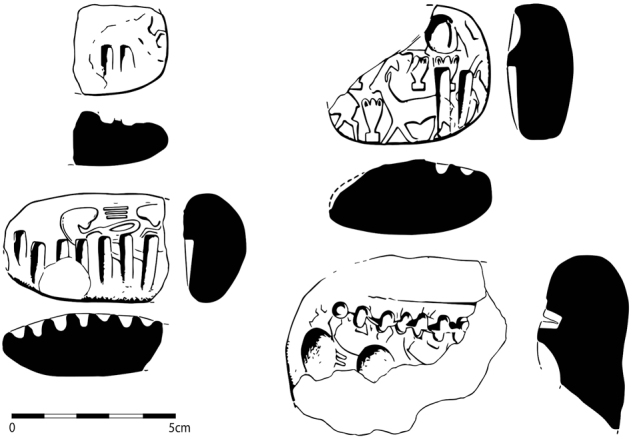 Figure 13
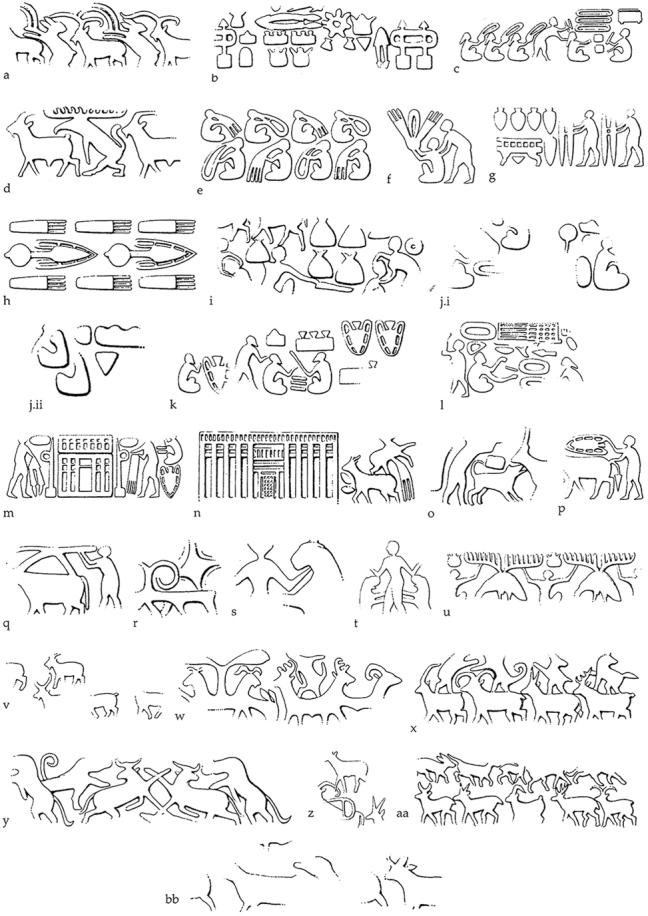 Figure 14
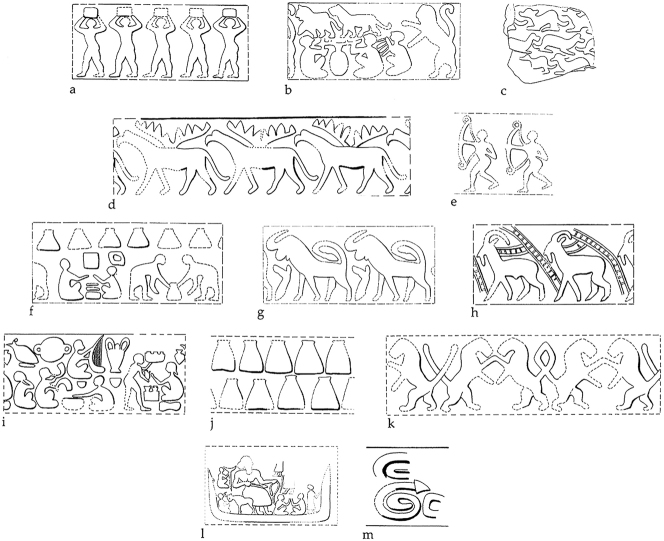 Figure 15
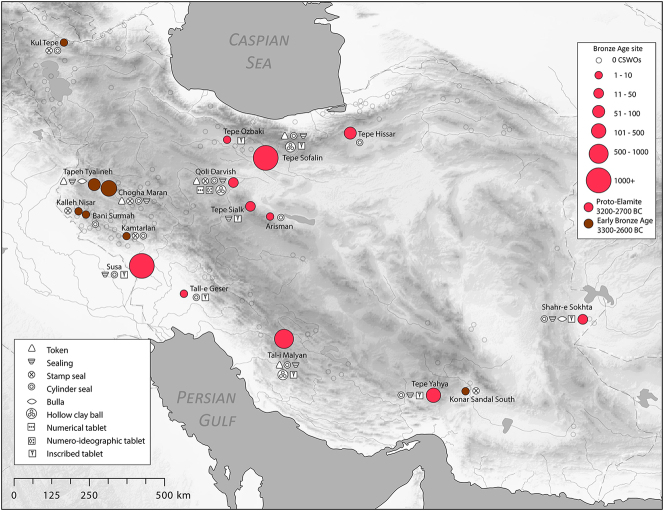 Figure 16
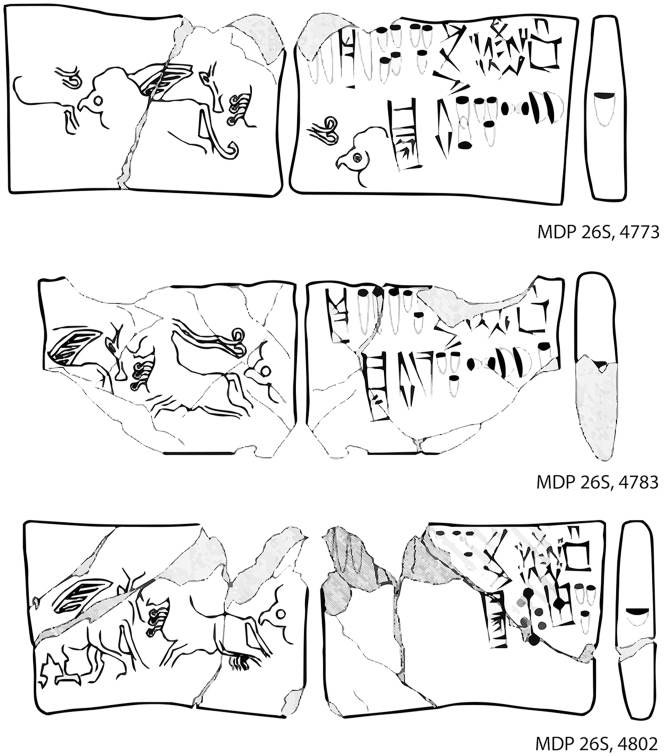 Figure 17
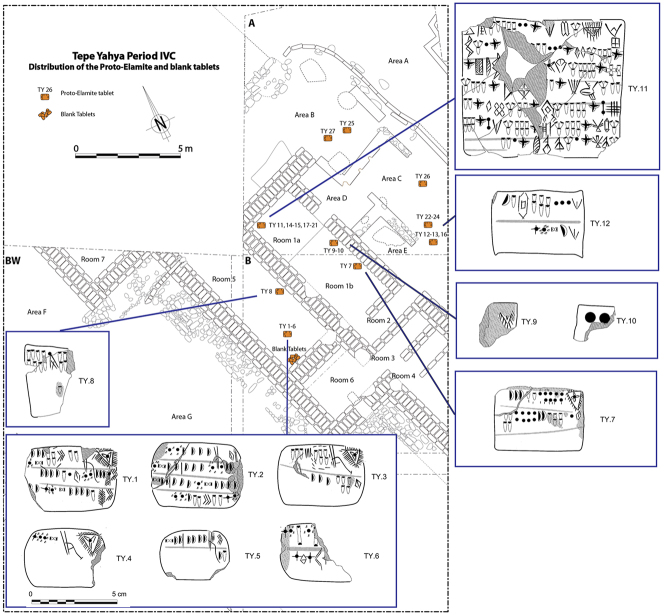 Figure 18
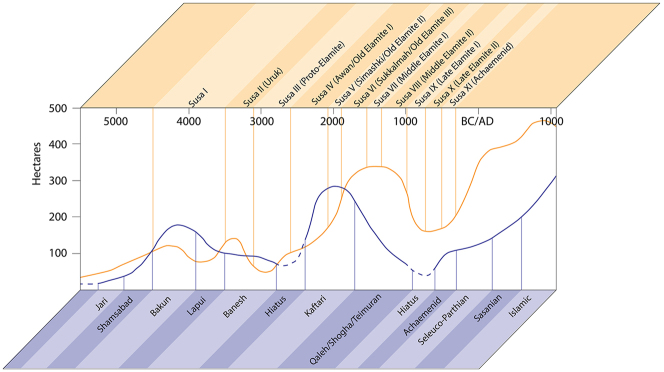 Figure 19
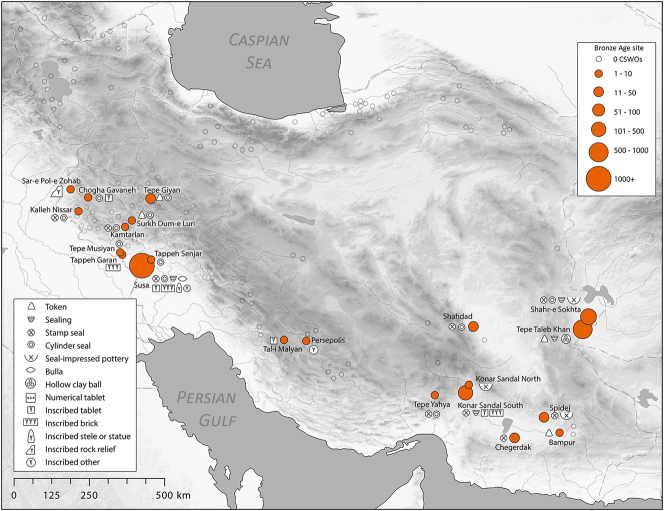 Figure 20
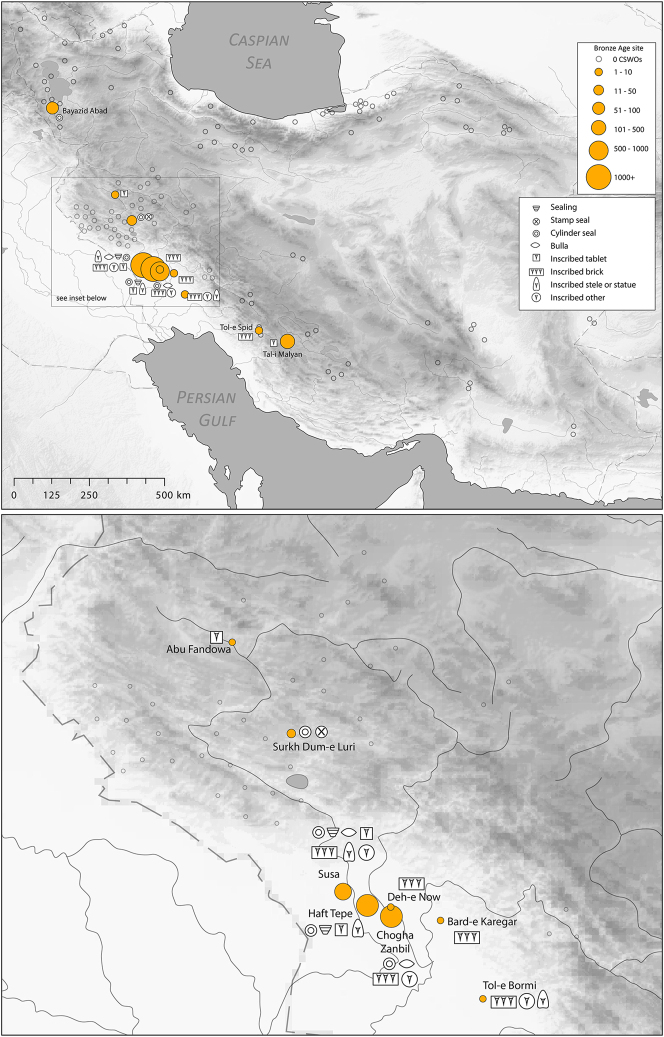 Figure 21
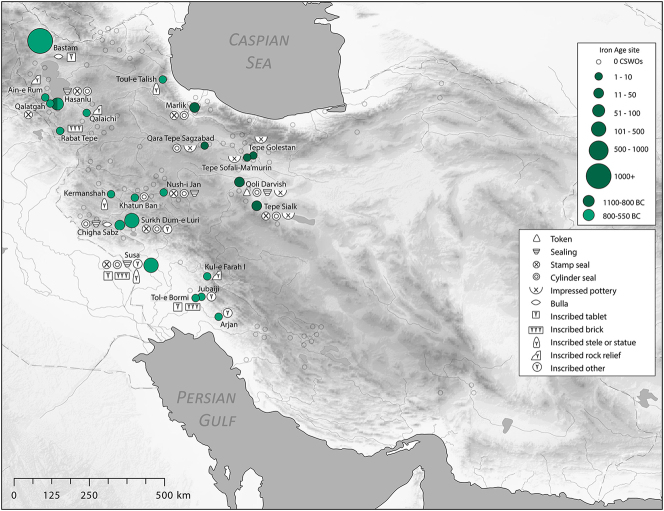 Figure 22
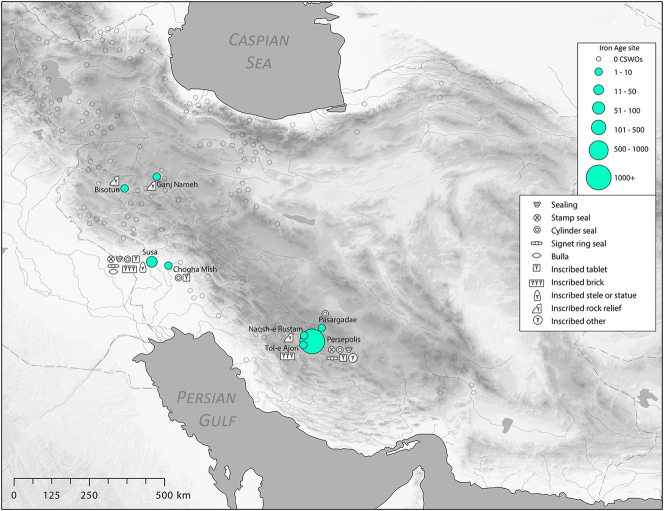 Figure 23
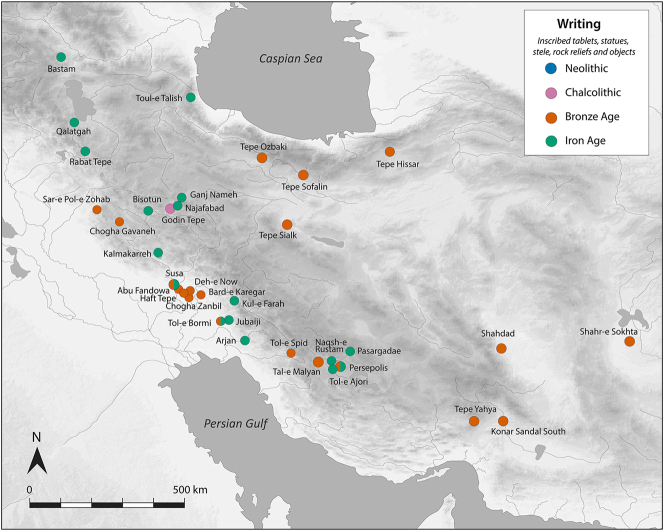 Figure 24
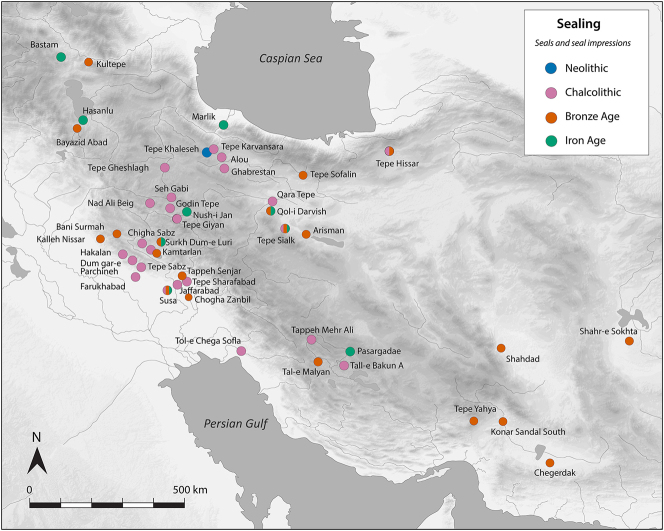 Figure 25
 Figure 26
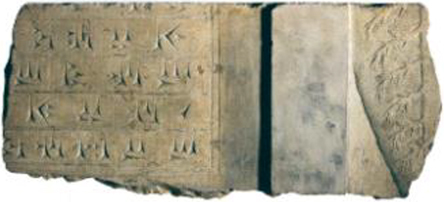 Figure 27
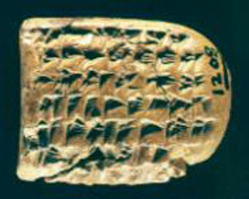 Figure 28
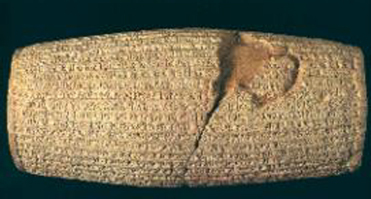 Figure 29
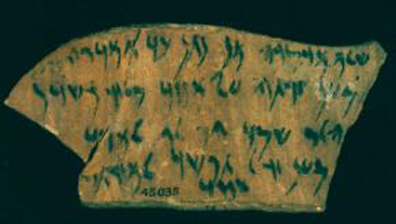 Figure 30
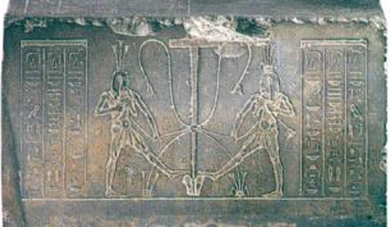 Figure 31
Peer Reviews
No public reviews on file for this paper yet. If you reviewed it on a platform where reviews are public (OpenReview, ICLR, NeurIPS, ICML), you can paste yours below so the community can read it here.
Videos
No videos yet. Explain this paper in a talk, walkthrough, or lecture? Add one.
Taxonomy
TopicsEurasian Exchange Networks · Historical, Religious, and Philosophical Studies