Pneumococcal carriage and disease in adults hospitalised with community-acquired pneumonia in Mongolia: prospective pneumonia surveillance program (2019–2022)
Tuya Mungun, Munkhchuluun Ulziibayar, Cattram D. Nguyen, Purevsuren Batsaikhan, Bujinlkham Suuri, Dashtseren Luvsantseren, Dorj Narangerel, Bilegtsaikhan Tsolmon, Lien Anh Ha Do, Darren Suryawijaya Ong, Belinda D. Ortika, Casey L. Pell, Laura K. Boelsen, Ashleigh C. Wee-Hee

TL;DR
This study examines pneumococcal carriage and disease in adults hospitalized with pneumonia in Mongolia, finding a significant decline during the pandemic and a shift toward non-PCV13 serotypes.
Contribution
The study provides novel data on pneumococcal serotype distribution and carriage in adults from Mongolia, highlighting the impact of the pandemic and gaps in adult vaccination.
Findings
Pneumococcal carriage prevalence dropped by 66% in the late-COVID-19 period compared to pre-pandemic.
Non-PCV13 serotypes were more prevalent in adult carriage and disease despite high childhood PCV13 coverage.
Pneumococcal pneumonia cases decreased by 82% during the late-COVID-19 period.
Abstract
Streptococcus pneumoniae is an important cause of pneumonia in older adults, however, serotyping and indirect impact information from low and middle-income countries is lacking. Mongolia has a childhood 13-valent pneumococcal conjugate vaccine (PCV13) program, but no adult pneumococcal vaccination program. We describe pneumococcal carriage rates, disease and serotype distribution among adults hospitalised with pneumonia, and explore changes over the COVID-19 pandemic period. Adults (≥ 18 years) hospitalised with clinical pneumonia were enrolled over 3 years (March 2019-February 2022) into a prospective pneumonia surveillance program. Nasopharyngeal swabs were tested to detect pneumococci using lytA qPCR and molecular serotyping by DNA microarray and metagenomics. Pneumococcal pneumonia was identified using serotype-specific urinary antigen detection and BinaxNOW® assays. Pneumococcal…
Genes, proteins, chemicals, diseases, species, mutations and cell lines named across the full text — each resolved to its canonical identifier and authoritative record.
Click any figure to enlarge with its caption.
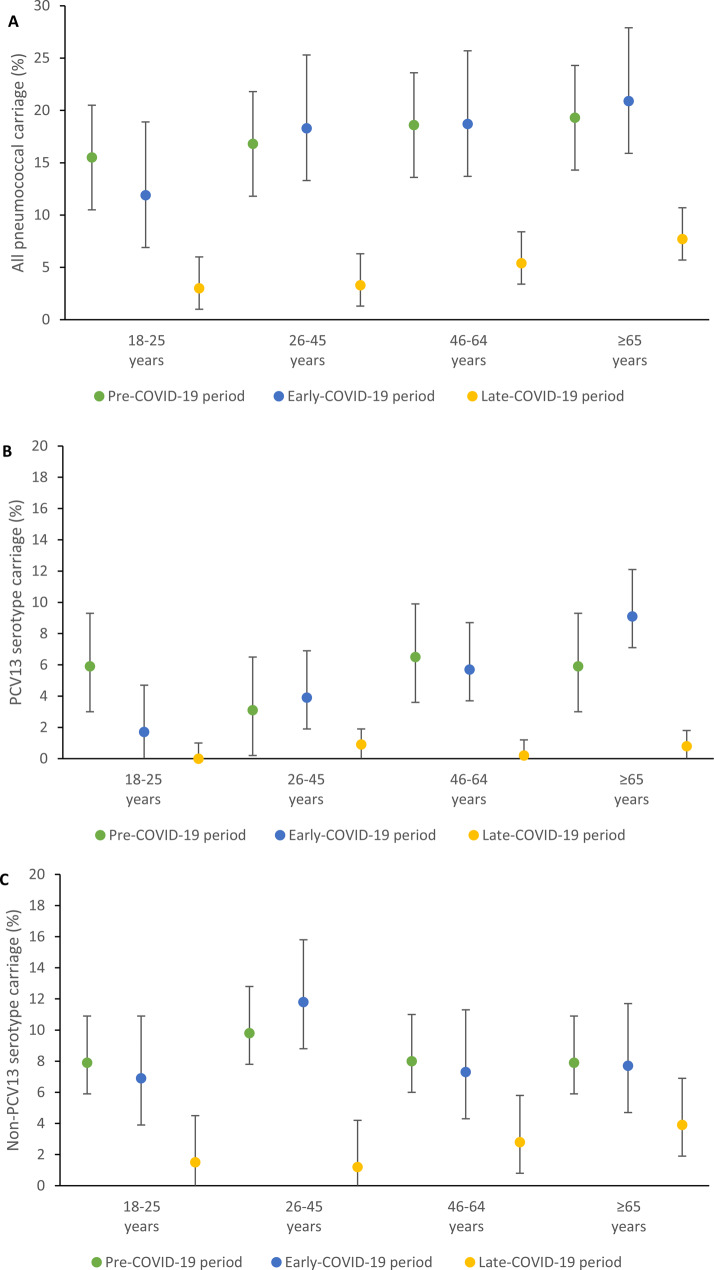 Figure 1
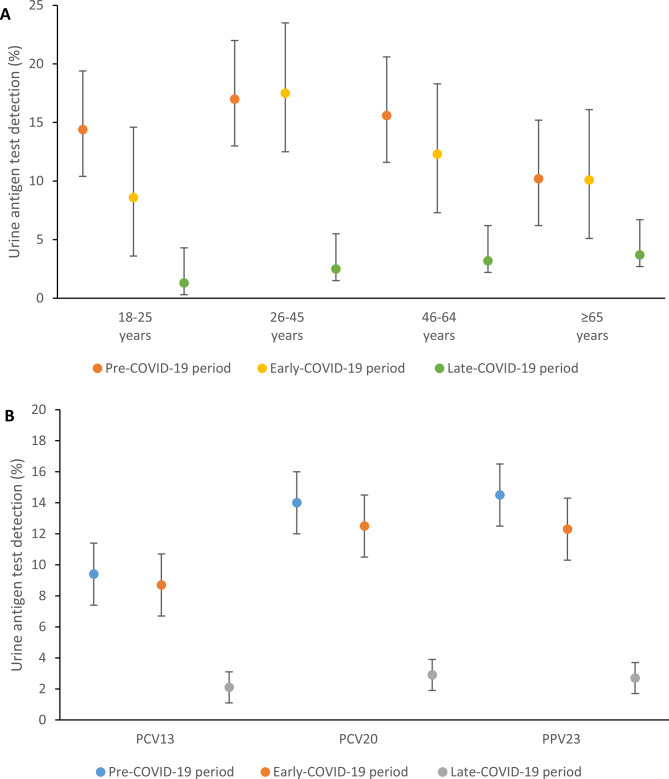 Figure 2
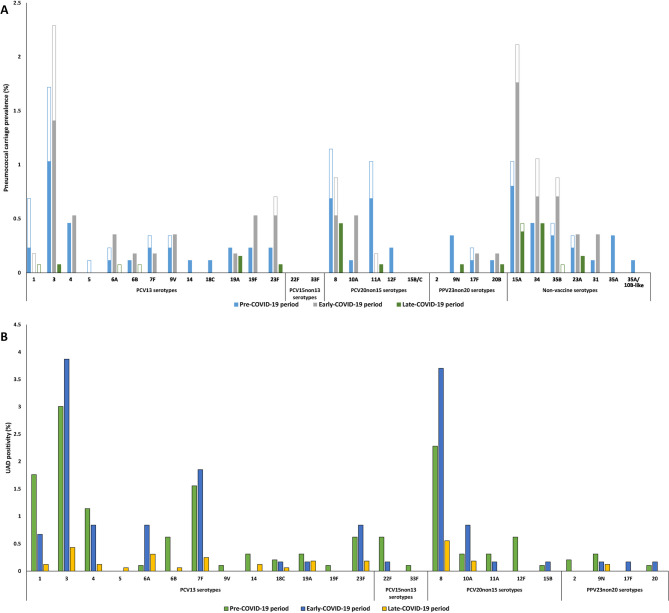 Figure 3
Peer Reviews
No public reviews on file for this paper yet. If you reviewed it on a platform where reviews are public (OpenReview, ICLR, NeurIPS, ICML), you can paste yours below so the community can read it here.
Videos
No videos yet. Explain this paper in a talk, walkthrough, or lecture? Add one.
Taxonomy
TopicsPneumonia and Respiratory Infections · Immune responses and vaccinations · Respiratory viral infections research