Development of a cancer metastasis-associated risk model via multi-machine-learning algorithms for prognostic risk evaluation and clinical application in oral squamous cell carcinoma
Xu Han, Tiantian Sun, Yuanyuan Dai, Ruohan Yun, Haiqiang Wang, Junru Jia, Xiangyuan Feng, Mengyun Jiao, Mengwen Hou, Man Yue, Shuo Jiang, Guosen Zhang, Yang An, Dayong Wang

TL;DR
This study creates a 13-gene model to predict survival and identify treatment options for oral cancer patients based on metastasis-related genes.
Contribution
The first machine-learning-based prognostic model integrating EMT, anoikis, and basement membrane remodeling genes for oral cancer.
Findings
A 13-gene model effectively stratifies patients into high- and low-risk groups with strong survival prediction.
High-risk patients show altered immune infiltration, higher tumor purity, and lower immunotherapy response.
Seven potential therapeutic candidates were identified through computational drug screening.
Abstract
Oral squamous cell carcinoma (OSCC) represents a highly malignant form of cancer characterized by molecular heterogeneity and unsatisfactory treatment outcomes, with approximately 50% of patients experiencing local recurrence and distant metastasis following therapy. Given that metastasis is the most critical determinant of OSCC prognosis, enhancing the precision of clinical interventions and identifying therapeutic targets are of paramount importance. In view of this, this study is the first to develop a machine-learning-based prognostic model integrating epithelial-mesenchymal transition (EMT), anoikis, and basement membrane remodeling genes. We systematically evaluated 78 algorithm and parameter combinations to identify a robust prognostic model, stratifying patients into High- and Low-risk groups. Kaplan-Meier survival curves and receiver operating characteristic (ROC) analyses…
Genes, proteins, chemicals, diseases, species, mutations and cell lines named across the full text — each resolved to its canonical identifier and authoritative record.
Click any figure to enlarge with its caption.
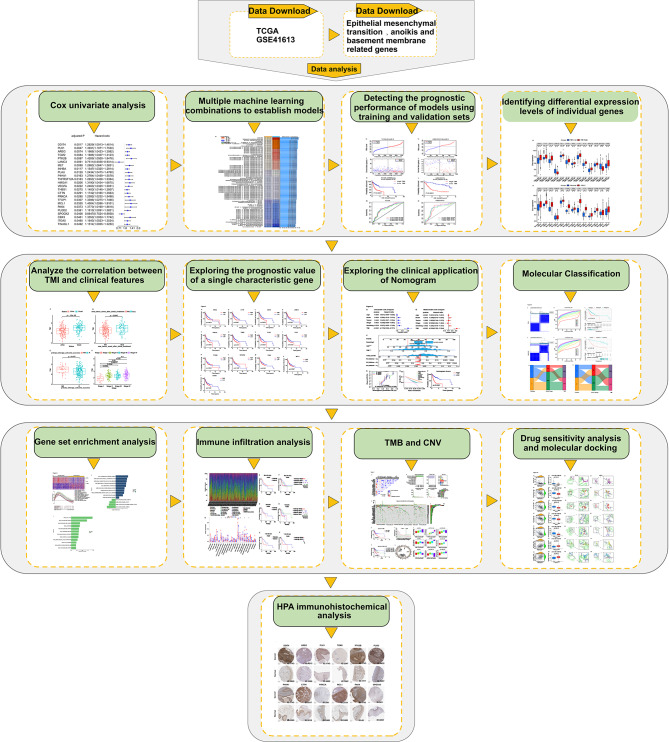 Figure 1
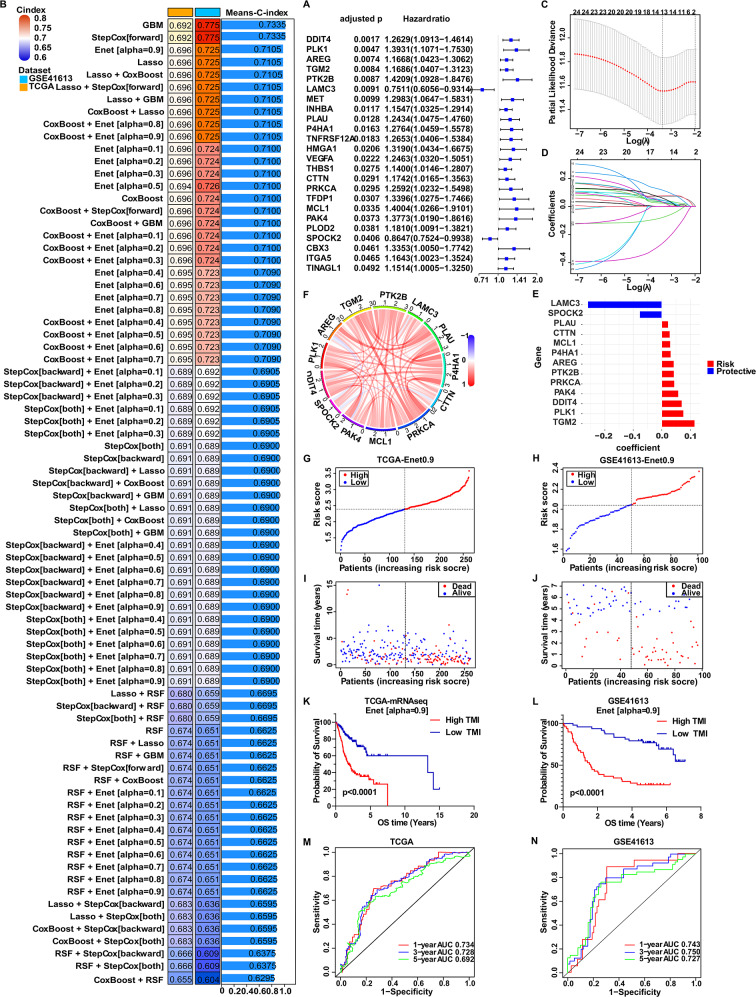 Figure 2
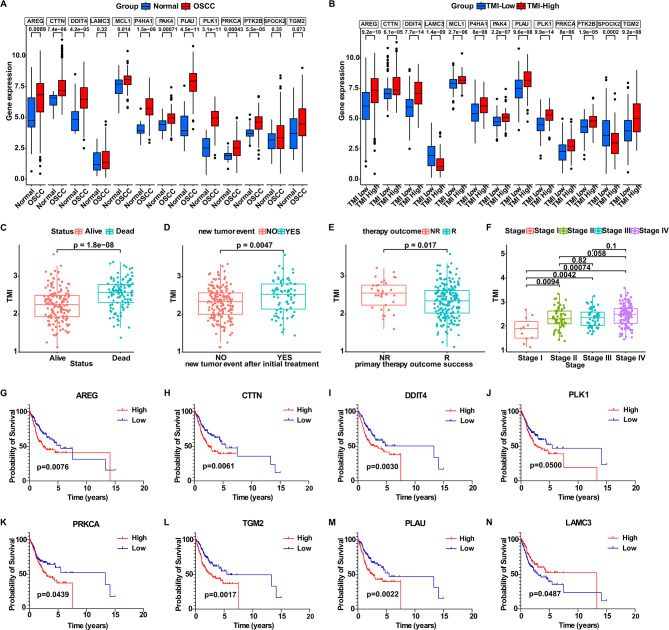 Figure 3
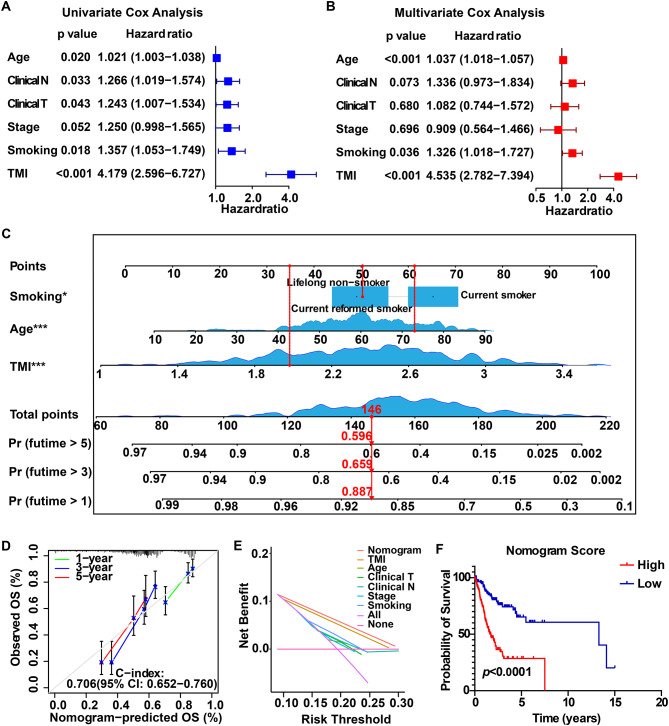 Figure 4
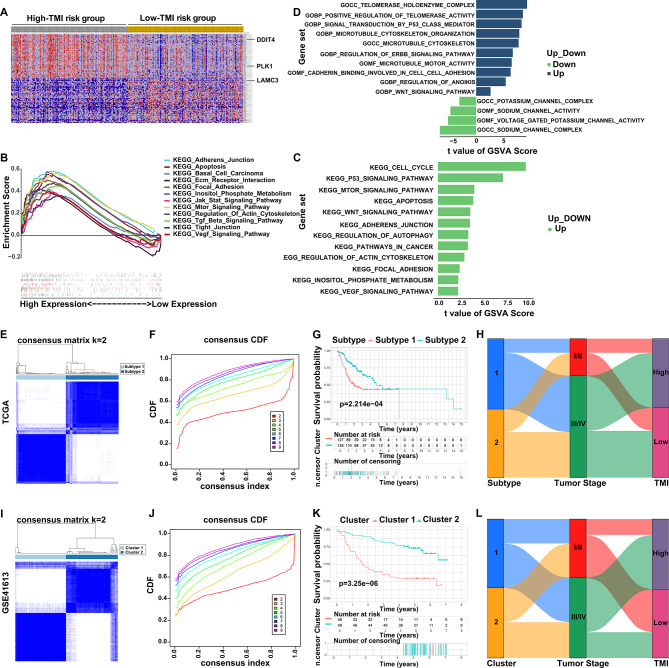 Figure 5
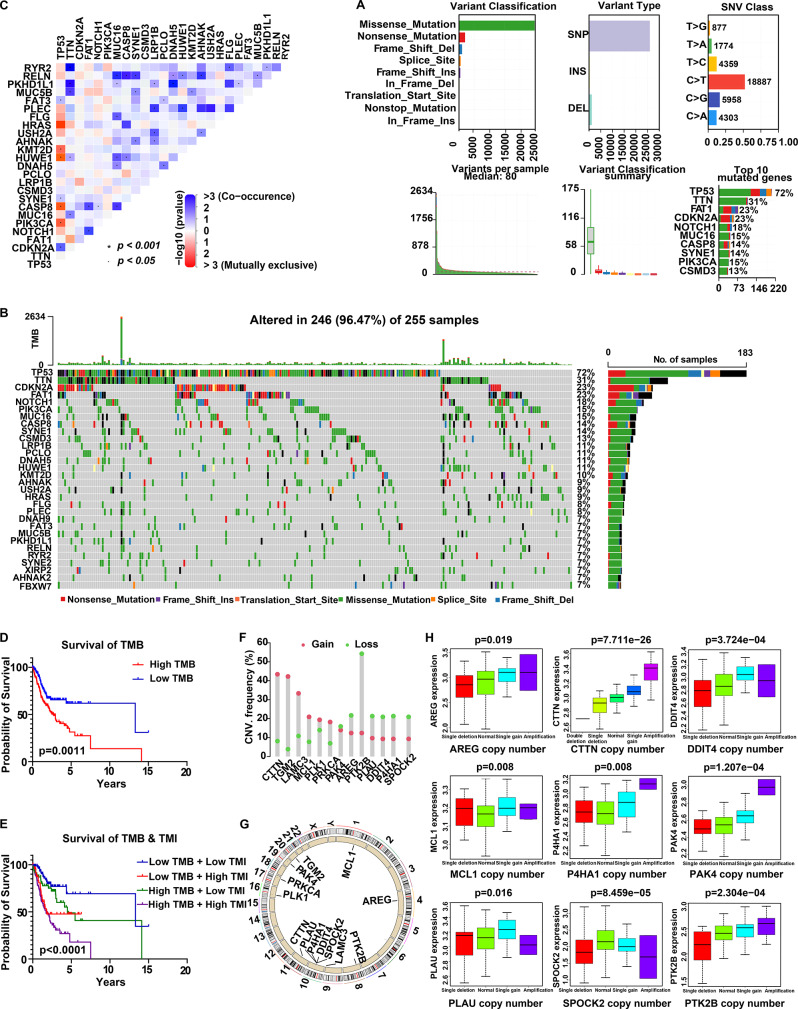 Figure 6
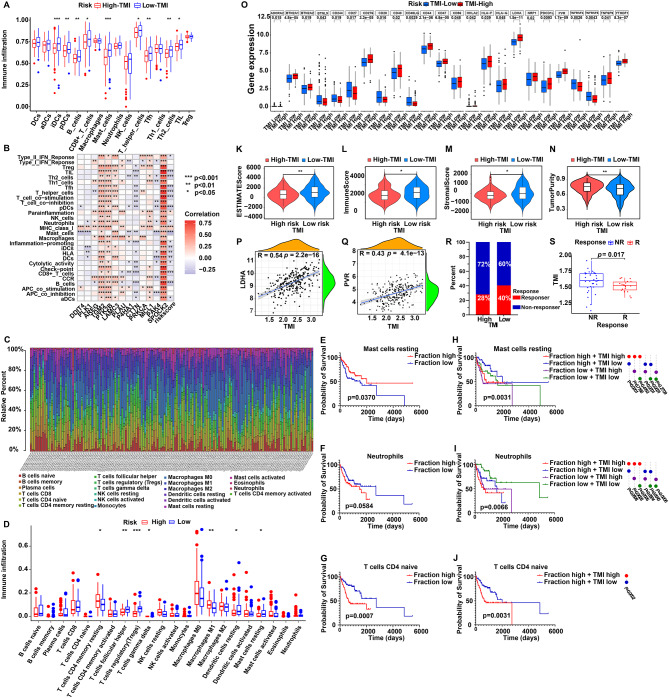 Figure 7
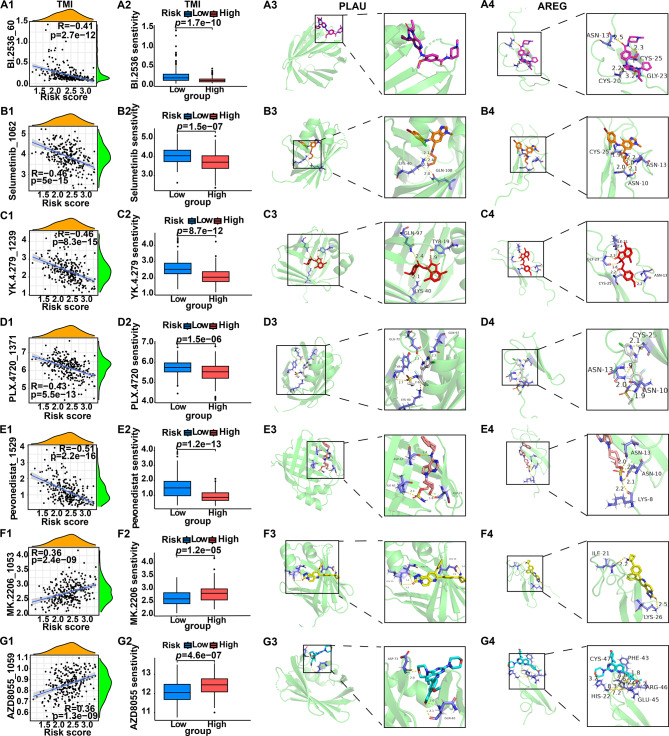 Figure 8
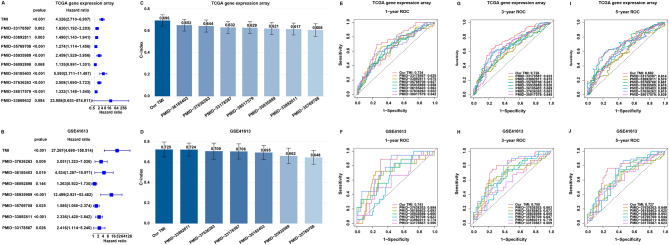 Figure 9
Peer Reviews
No public reviews on file for this paper yet. If you reviewed it on a platform where reviews are public (OpenReview, ICLR, NeurIPS, ICML), you can paste yours below so the community can read it here.
Videos
No videos yet. Explain this paper in a talk, walkthrough, or lecture? Add one.
Taxonomy
TopicsHead and Neck Cancer Studies · Ferroptosis and cancer prognosis · Radiomics and Machine Learning in Medical Imaging