Antibacterial activity of Krameria lappacea root extract against gram-positive and gram-negative bacteria and its cytotoxicity on lung and breast cancer cell lines
Rewaida Abdel-Gaber, Mohammed Albeshr, Mohamed A. Dkhil, Nada Almohawis, Kareem A. Abdelmeguid, Denis Delic, Saleh Al Quraishy, Esam M. Al-Shaebi

TL;DR
This study shows Krameria lappacea root extract can fight certain bacteria and cancer cells, suggesting it may be a useful natural treatment.
Contribution
The study identifies specific bioactive compounds in Krameria lappacea and evaluates its antibacterial and cytotoxic effects for the first time.
Findings
The extract showed strong antibacterial activity against Gram-positive bacteria like Staphylococcus aureus and Listeria monocytogenes.
It demonstrated cytotoxic effects on lung and breast cancer cell lines with measurable IC50 values.
Phytochemical screening revealed the presence of alkaloids, phenolics, and flavonoids in the extract.
Abstract
The rise of antibiotic-resistant microbes has diminished antibiotic effectiveness, leading to the exploration of alternatives. Krameria lappacea has been used traditionally for various ailments. This study evaluates the in vitro antibacterial and cytotoxic potential of its roots and identifies its active constituents. Roots of K. lappacea were acquired from a Riyadh market. They were extracted using methanol and the maceration method, followed by phytochemical screening via Liquid Chromatography-Electrospray Ionization-Mass Spectrometry. Antibacterial properties were assessed using agar well diffusion and broth microdilution methods, while cytotoxicity was tested on human lung A549 and MCF7 breast cancer cell lines via MTT assay. Phytochemical analysis of the extract identified alkaloids, phenolics (including anthraquinones and chlorogenic acids), and flavonoids (such as…
Genes, proteins, chemicals, diseases, species, mutations and cell lines named across the full text — each resolved to its canonical identifier and authoritative record.
Click any figure to enlarge with its caption.
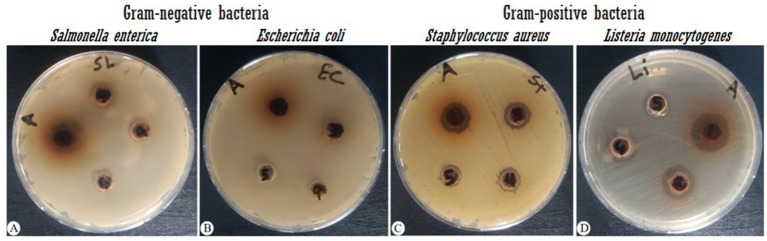 Figure 1
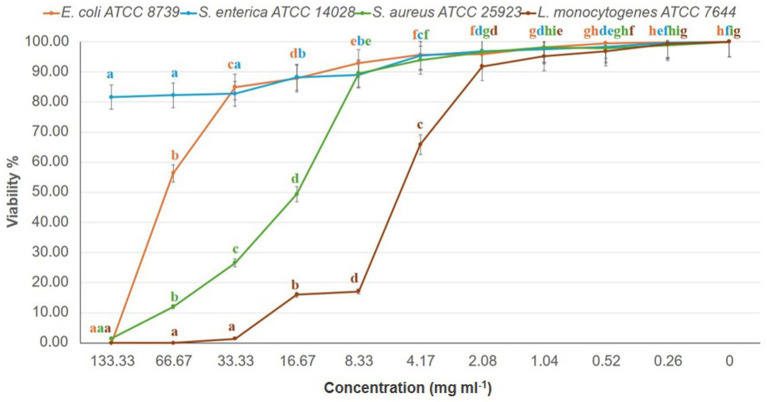 Figure 2
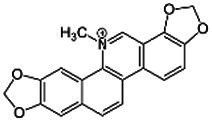 Figure 3
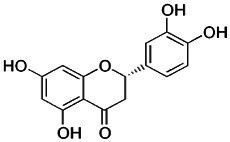 Figure 4
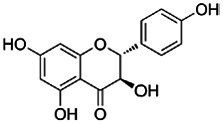 Figure 5
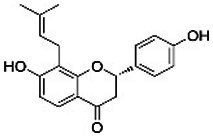 Figure 6
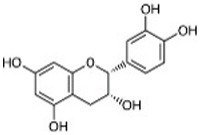 Figure 7
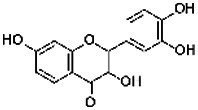 Figure 8
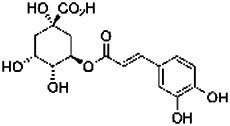 Figure 9
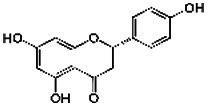 Figure 10
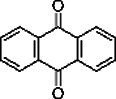 Figure 11
Peer Reviews
No public reviews on file for this paper yet. If you reviewed it on a platform where reviews are public (OpenReview, ICLR, NeurIPS, ICML), you can paste yours below so the community can read it here.
Videos
No videos yet. Explain this paper in a talk, walkthrough, or lecture? Add one.
Taxonomy
TopicsPlant-derived Lignans Synthesis and Bioactivity · Bioactive natural compounds · Traditional and Medicinal Uses of Annonaceae