Peripheral blood gene expression stratifies rate of progression to type 1 diabetes in autoantibody-positive children in the TEDDY study
Jia Yi Hee, Yann Abraham, Ahmed M. Mehdi, Kim-Anh Lê Cao, Ranjeny Thomas

TL;DR
Researchers found that gene expression in blood can predict how quickly children with diabetes antibodies will develop type 1 diabetes.
Contribution
A 20-gene signature was identified to stratify progression rates to type 1 diabetes in autoantibody-positive children.
Findings
Progressors showed gene expression enriched for MHC class II and immune response pathways after seroconversion.
SMARCA4 was identified as a central hub in protein–protein interaction networks linked to diabetes progression.
A 20-gene signature stratified progression rates into fast or slow categories.
Abstract
In type 1 diabetes, autoimmune destruction of pancreatic β cells results in insulin deficiency, leading to hyperglycemia. Islet autoantibodies, which precede autoimmune progression, usually develop years before diabetes onset, although some individuals develop diabetes without them. However, not all children who develop islet antibodies progress to diabetes, and they do not all progress at the same rate. Genomic markers may help identify high-risk children for early intervention. Using gene expression profiles derived from peripheral blood mononuclear cells collected from 62 high-risk, islet autoantibody-positive children in the TEDDY cohort study, of whom 56 progressed to diabetes, we identified differentially expressed genes, pathways, and protein–protein interactions associated with progression from islet autoantibody seropositivity to the clinical onset of diabetes. After…
Genes, proteins, chemicals, diseases, species, mutations and cell lines named across the full text — each resolved to its canonical identifier and authoritative record.
Click any figure to enlarge with its caption.
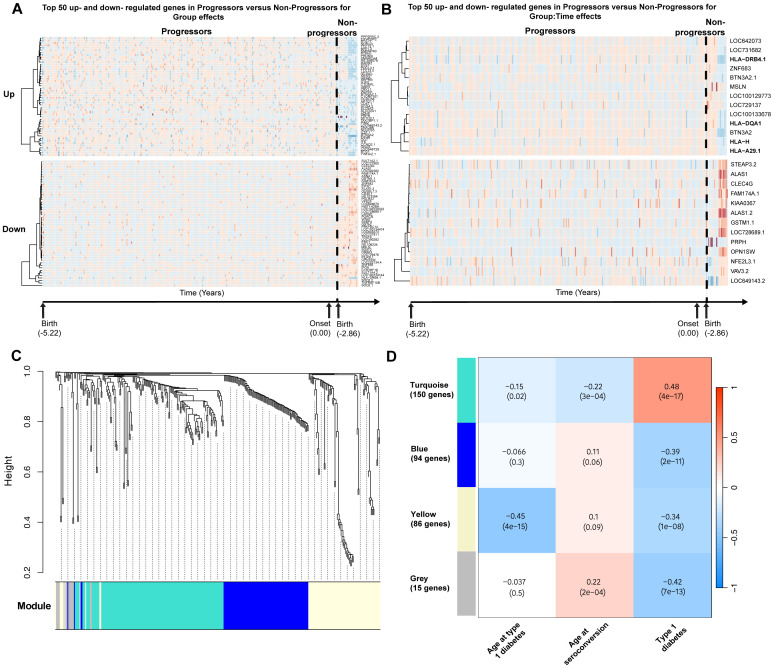 Figure 1
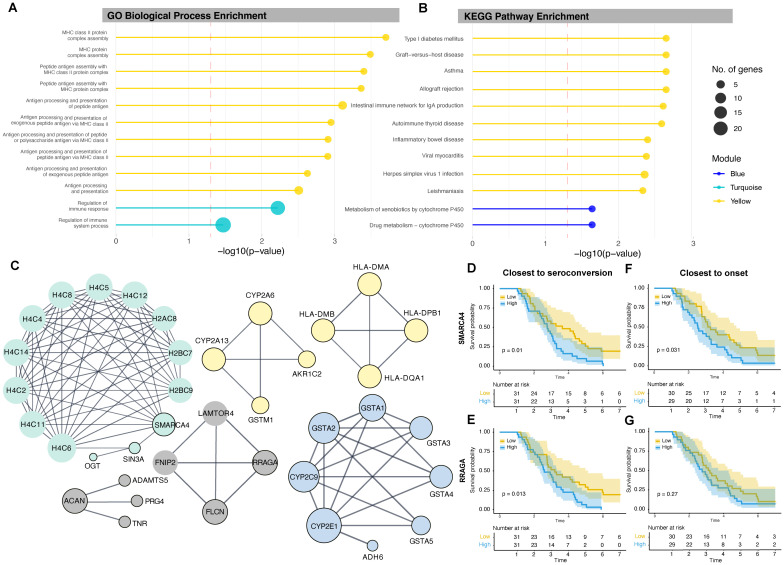 Figure 2
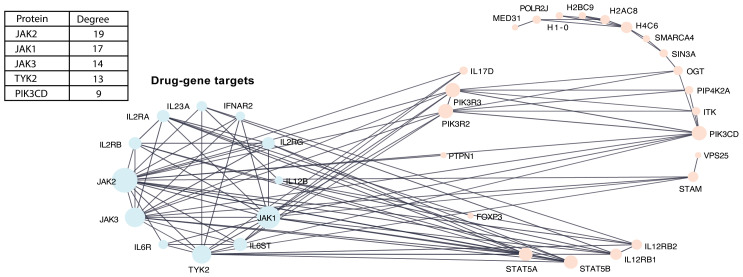 Figure 3
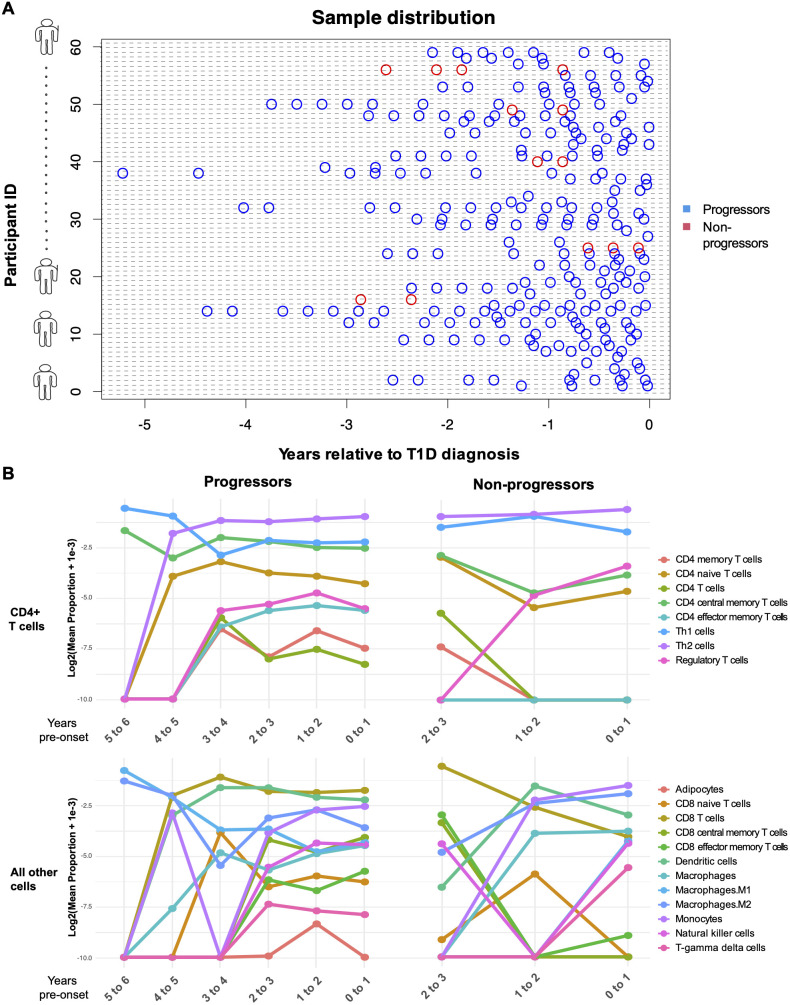 Figure 4
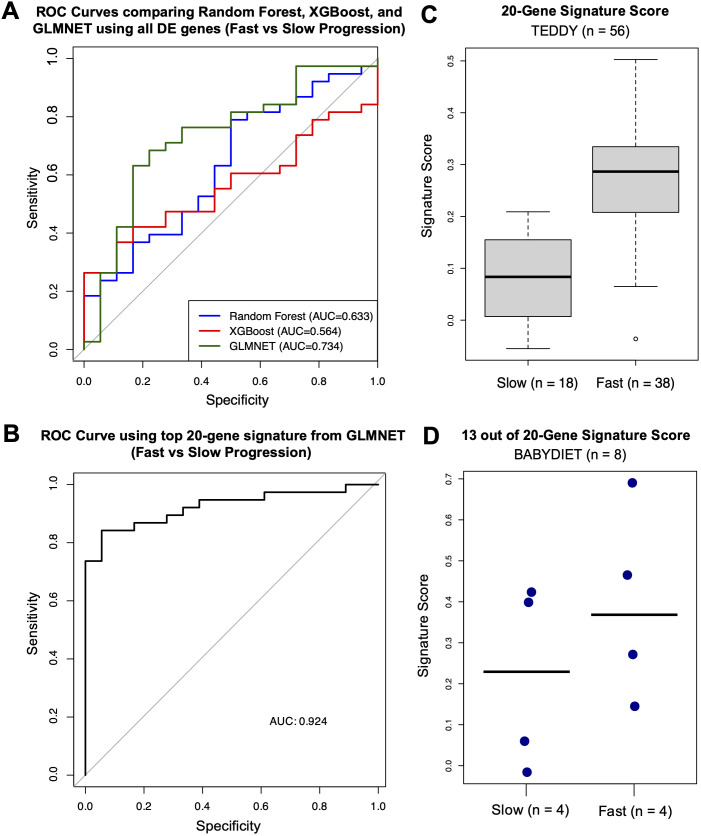 Figure 5
Peer Reviews
No public reviews on file for this paper yet. If you reviewed it on a platform where reviews are public (OpenReview, ICLR, NeurIPS, ICML), you can paste yours below so the community can read it here.
Videos
No videos yet. Explain this paper in a talk, walkthrough, or lecture? Add one.
Taxonomy
TopicsDiabetes and associated disorders · T-cell and B-cell Immunology · Adrenal Hormones and Disorders