Remodelled cholesteryl ester enriched lipid droplets fuel flavivirus morphogenesis
Adrianna Banducci-Karp, Sophie Brixton, Pranav N. M. Shah, Ming-Yuan Li, Georgina Fisher, Joey Riepsaame, Raman Dhaliwal, Katie L. Holden, Edward Drydale, James Bancroft, Charlotte E. Melia, Gathsaurie Neelika Malavige, Sumana Sanyal

TL;DR
The study shows that cholesteryl ester-enriched lipid droplets are crucial for flavivirus infection and could be a new target for treatments.
Contribution
The study identifies cholesteryl ester-enriched lipid droplets as essential host structures for flavivirus morphogenesis.
Findings
Genetic or pharmacological inhibition of SOAT1/SOAT2 reduces viral production by ~100-fold.
CE-LDs have unique proteomic signatures and interact directly with viral proteins.
Disrupting CE-LDs leads to defective replication organelles and absence of immature virions.
Abstract
Flaviviruses such as dengue and Zika viruses extensively remodel host cell membranes to create specialised replication organelles, but the role of lipid metabolism to generate them remain poorly understood. Through systematic screens of fatty acyl transferase enzymes (MBOAT and zDHHC families) and complementary approaches including CRISPR/Cas9 gene deletions, pharmacological inhibition, proteomics, and photo-crosslinkable cholesterol analogues, we identified cholesteryl ester-enriched lipid droplets (CE-LDs) as critical host components required for flavivirus infection. CE-LD formation is mediated by Sterol O-acyltransferases 1 and 2 (SOAT1/SOAT2), whose activities were upregulated early during infection, coinciding with increased CE-LD formation and transition to liquid crystalline phases. Genetic deletion or pharmacological inhibition of either enzyme resulted in a dramatic ~100-fold…
Genes, proteins, chemicals, diseases, species, mutations and cell lines named across the full text — each resolved to its canonical identifier and authoritative record.
Click any figure to enlarge with its caption.
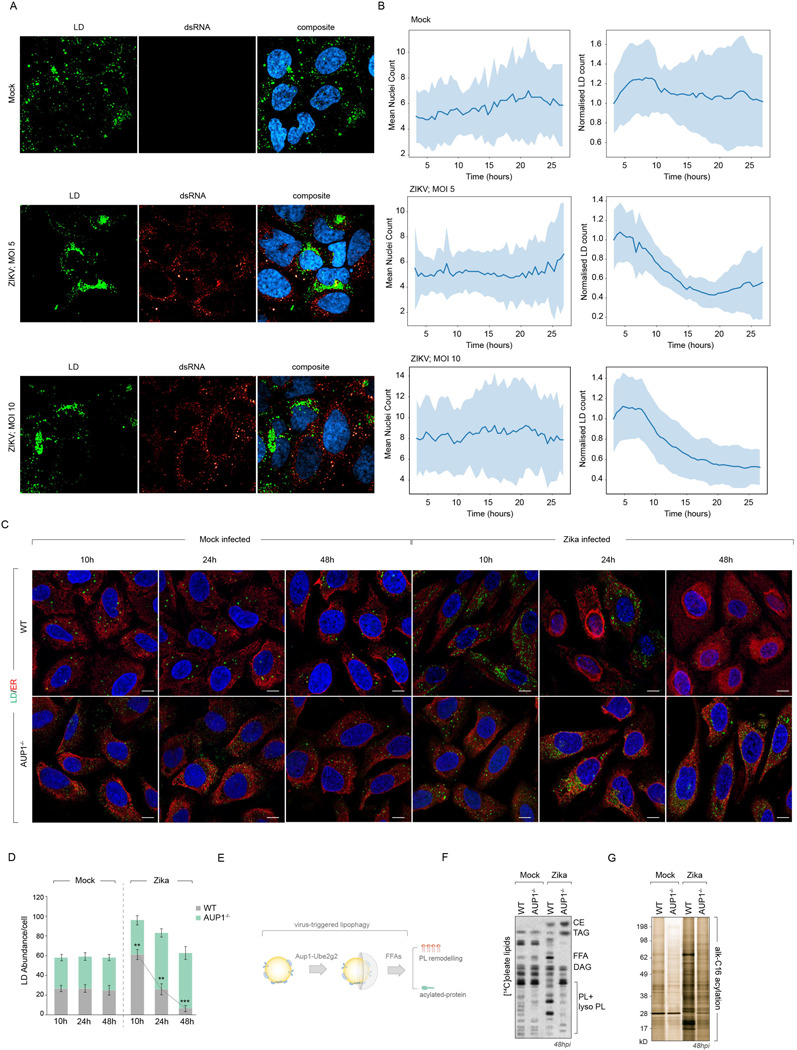 Figure 1
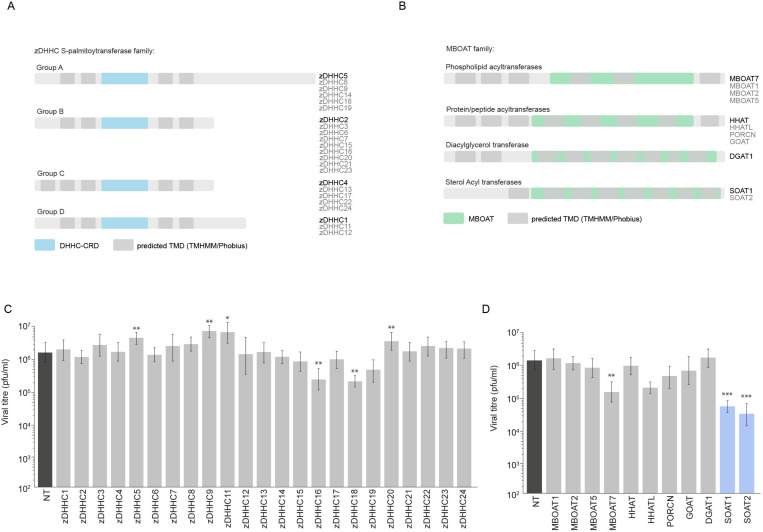 Figure 2
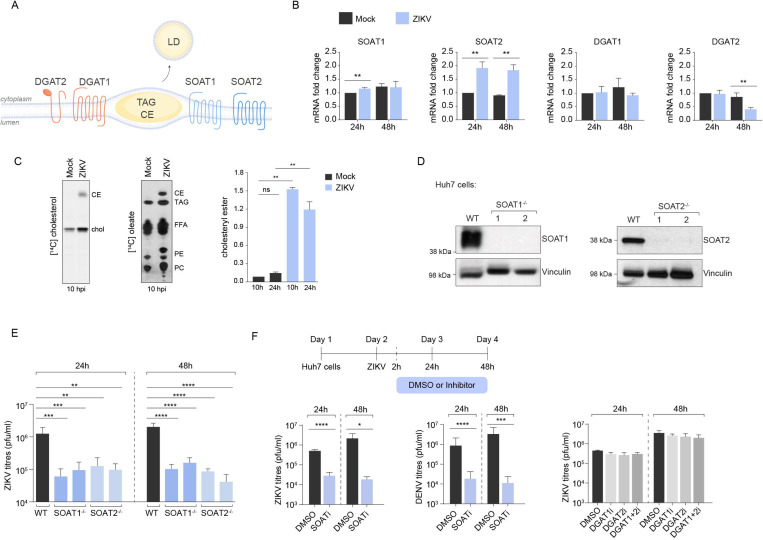 Figure 3
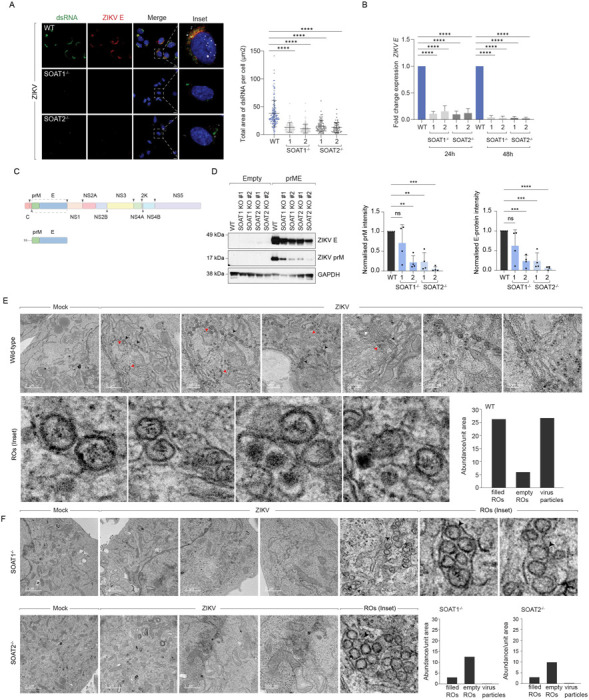 Figure 4
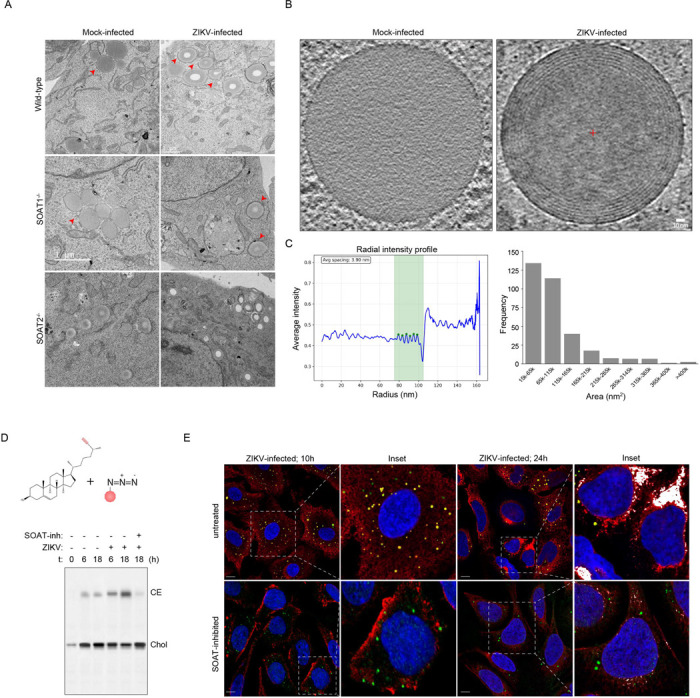 Figure 5
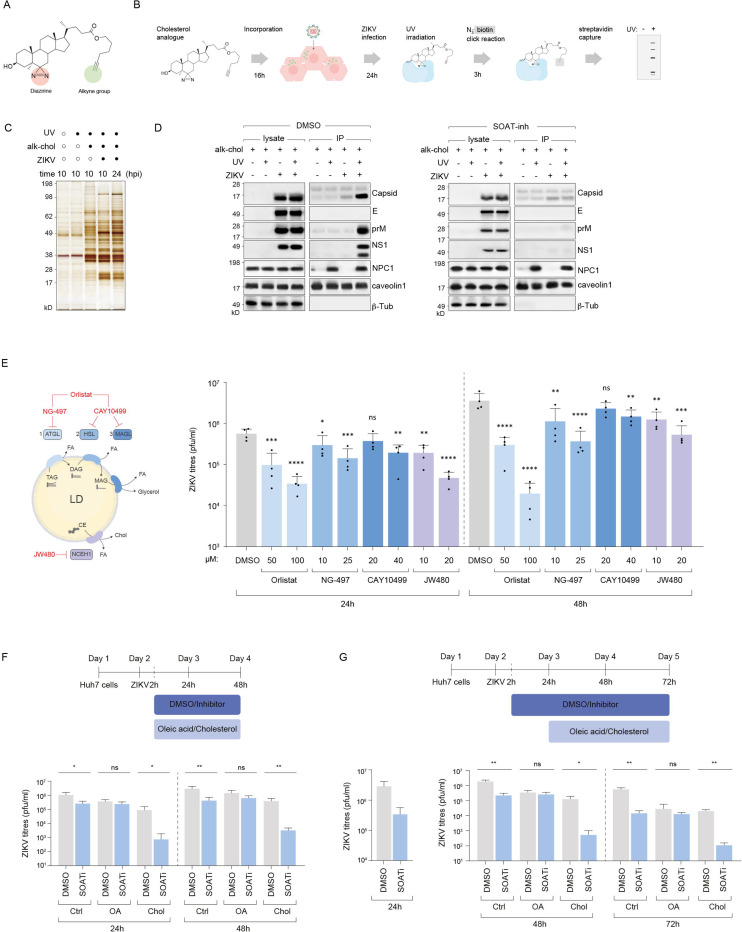 Figure 6
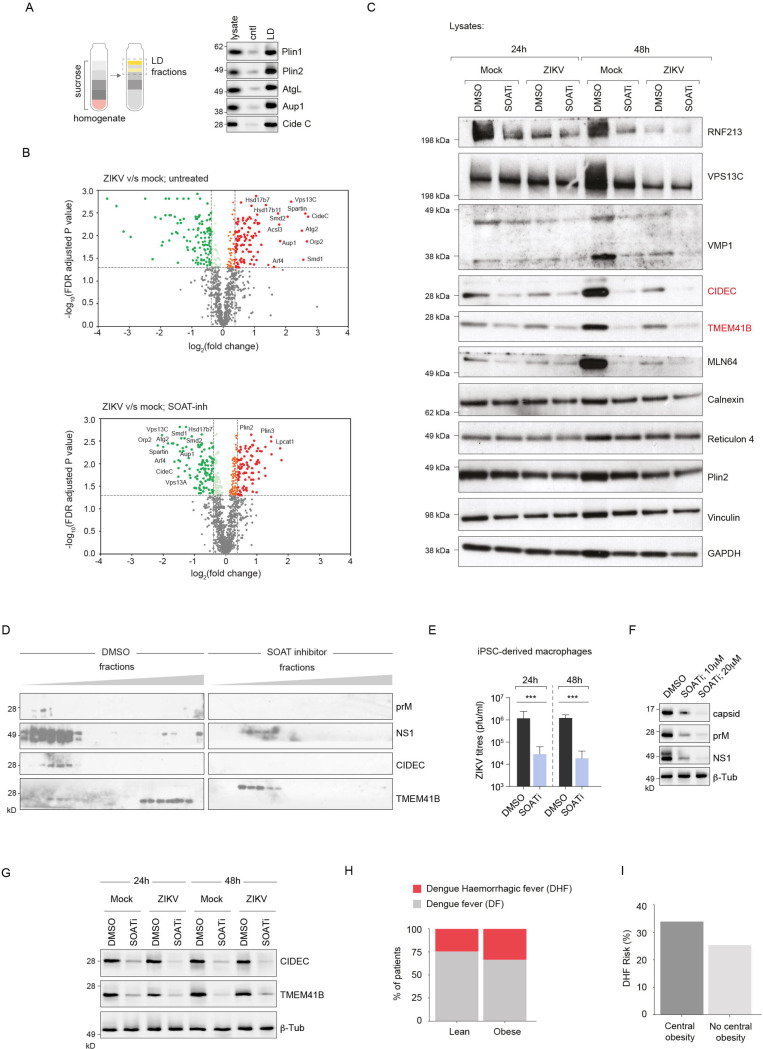 Figure 7
Peer Reviews
No public reviews on file for this paper yet. If you reviewed it on a platform where reviews are public (OpenReview, ICLR, NeurIPS, ICML), you can paste yours below so the community can read it here.
Videos
No videos yet. Explain this paper in a talk, walkthrough, or lecture? Add one.
Taxonomy
TopicsMosquito-borne diseases and control · Lipid metabolism and biosynthesis · Malaria Research and Control