Multi-antigen MVA-vectored SARS-CoV-2 vaccine, GEO-CM04S1, induces cross-protective immune responses to ancestral and Omicron variants
Amany Elsharkawy, Shannon Stone, Anchala Guglani, Felix Wussow, JD Burleson, Mary Hauser, Arban Domi, Pratima Kumari, Todd R. Albrecht, Chinonye Dim, Mark Newman, Don J. Diamond, Sreenivasa Rao Oruganti, Mukesh Kumar

TL;DR
A new MVA-based vaccine, GEO-CM04S1, protects against both ancestral and Omicron variants of SARS-CoV-2, likely through T-cell responses rather than neutralizing antibodies.
Contribution
Demonstrates that a multi-antigen MVA vaccine induces cross-protective immunity against SARS-CoV-2 variants, primarily via CD4+ T-cell responses.
Findings
GEO-CM04S1 protects against weight loss, respiratory infection, and lung injury in mice.
The vaccine maintains full protective efficacy against the Omicron subvariant XBB.1.5.
CD4+ T-cells are a major effector of vaccine protection, while neutralizing antibodies are not detected.
Abstract
The design focus of the first-generation COVID-19 vaccines was on the use of the SARS-CoV-2 spike (S) protein as the primary vaccine immunogen to induce high levels of neutralizing antibodies. Efficacy was repeatedly disrupted due to the diminished neutralizing capacity of vaccine-induced antibodies against emerging variants. Vaccine candidate GEO-CM04S1 is based on the use of a modified vaccinia Ankara vector (MVA) that co-expresses S and nucleocapsid (N) antigens of the Wuhan-Hu-1 reference strain. It is designed to induce both antibody and T-cell responses to both S and N, with the goal of broadening immune response specificity and function. Herein, we characterized GEO-CM04S1 vaccine induced immune responses and efficacy against the ancestral Wuhan strain B.1 and the Omicron subvariant XBB.1.5 in K18-hACE-2 mouse model. We also tested experimental vaccine candidates that encode…
Genes, proteins, chemicals, diseases, species, mutations and cell lines named across the full text — each resolved to its canonical identifier and authoritative record.
Click any figure to enlarge with its caption.
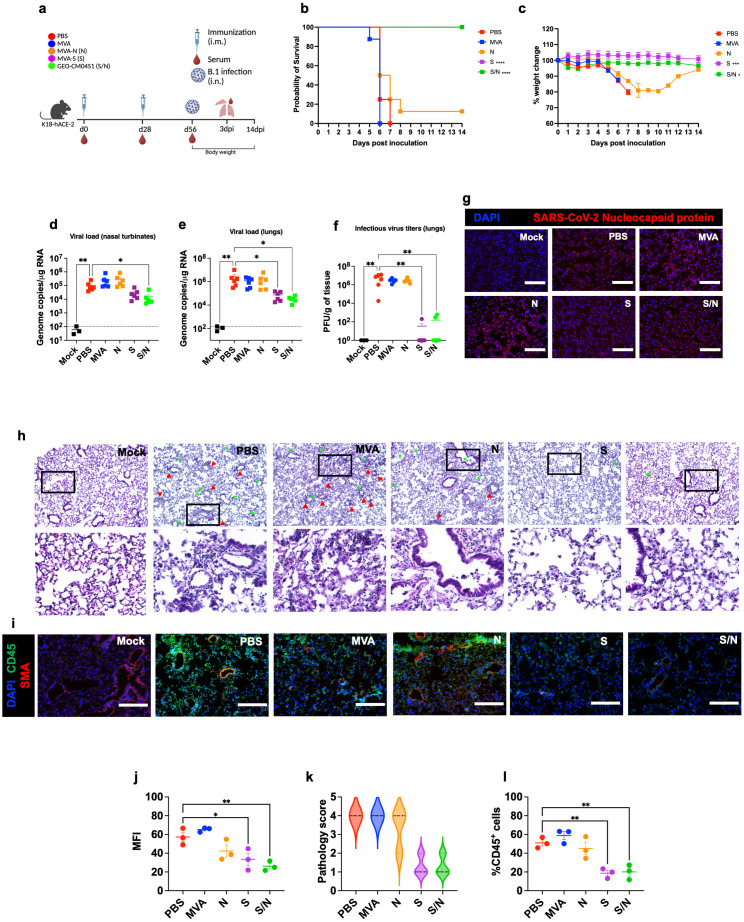 Figure 1
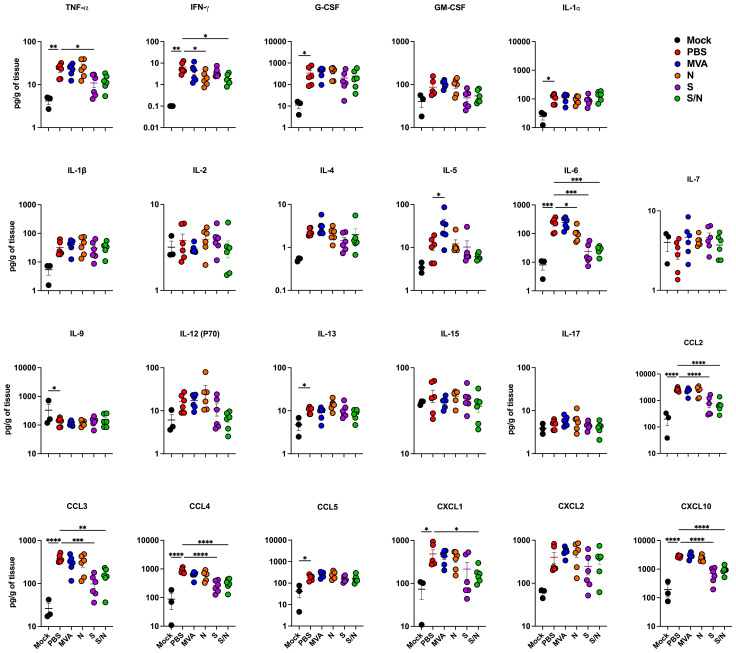 Figure 2
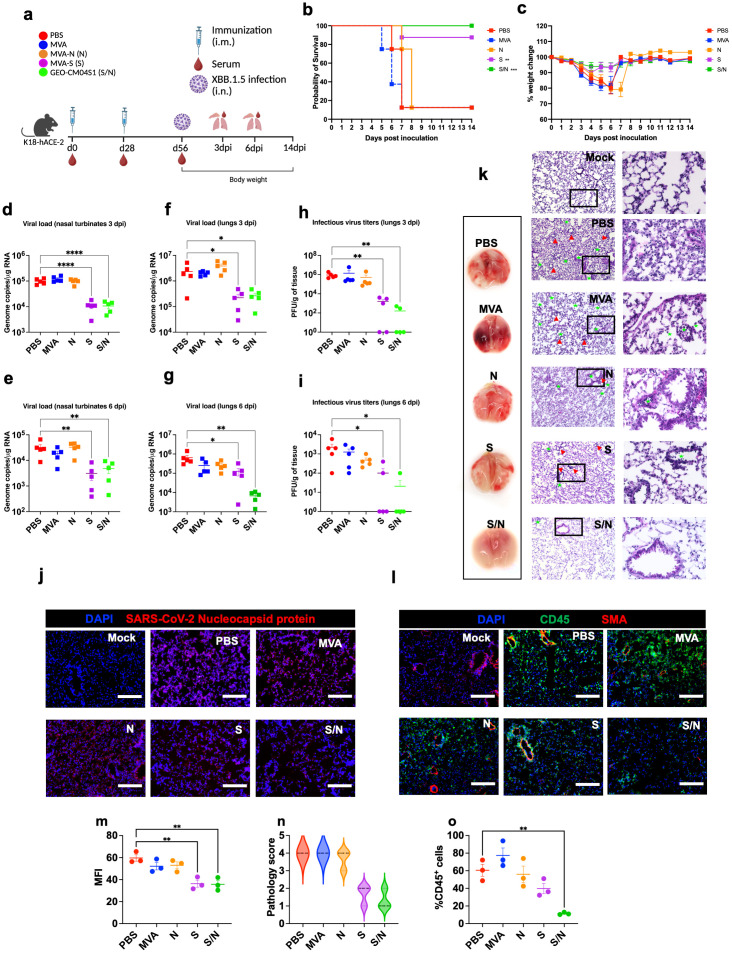 Figure 3
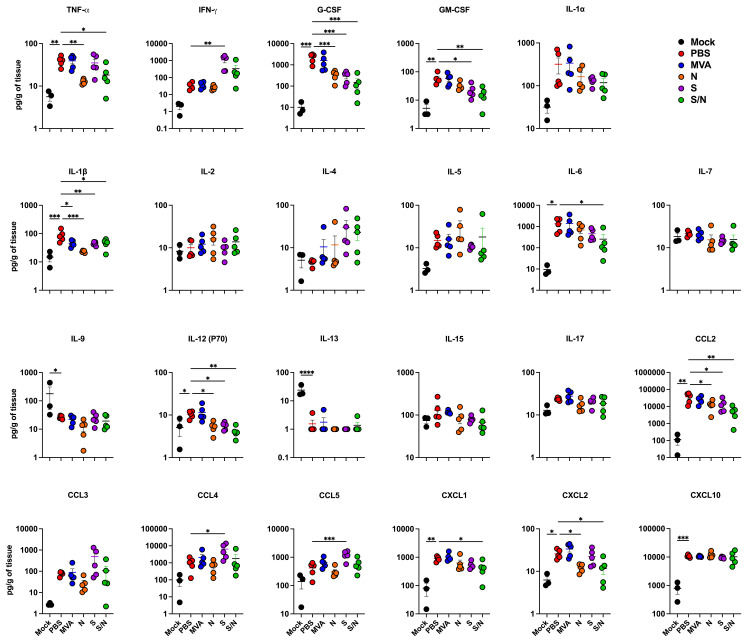 Figure 4
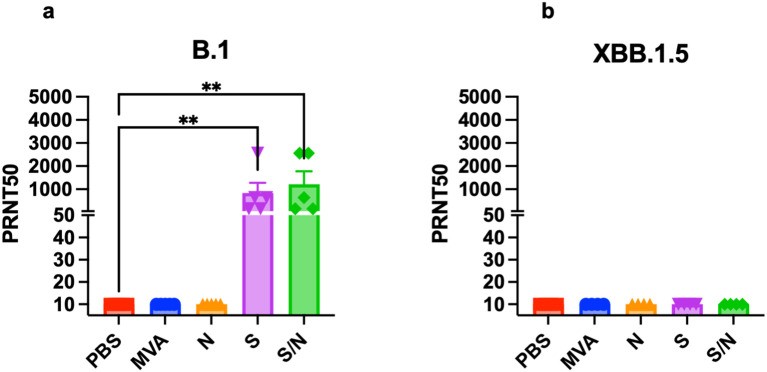 Figure 5
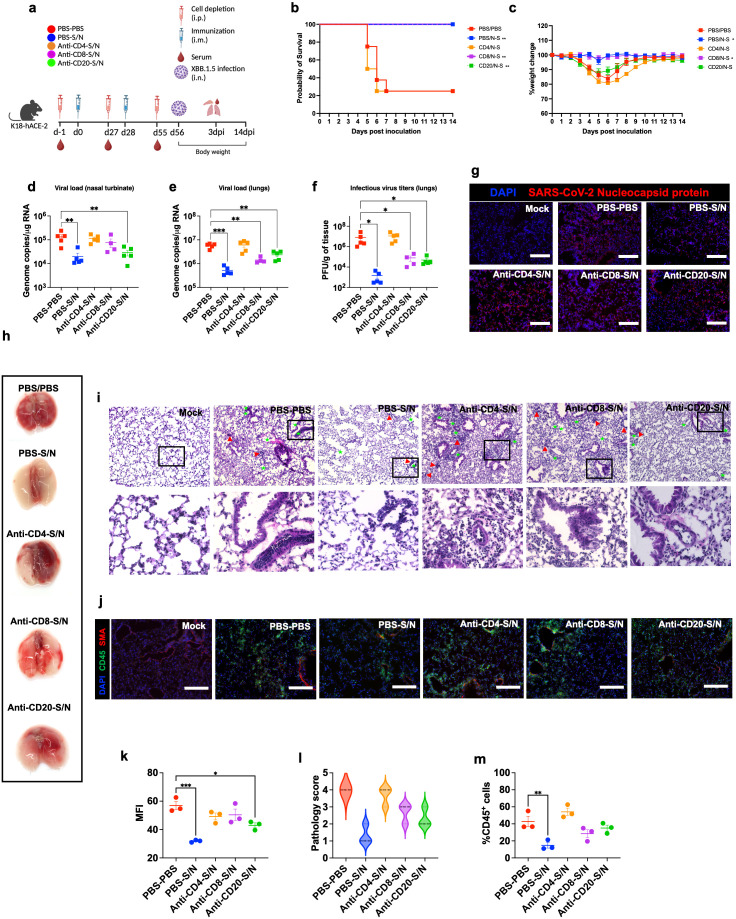 Figure 6
Peer Reviews
No public reviews on file for this paper yet. If you reviewed it on a platform where reviews are public (OpenReview, ICLR, NeurIPS, ICML), you can paste yours below so the community can read it here.
Videos
No videos yet. Explain this paper in a talk, walkthrough, or lecture? Add one.
Taxonomy
TopicsSARS-CoV-2 and COVID-19 Research · vaccines and immunoinformatics approaches · Immune responses and vaccinations