Engineering the Electron Relay in [FeFe]-Hydrogenase Enhances Electrocatalytic H2 Evolution
Tin Pou Lai, William K. Myers, Stephen B. Carr, Miguel A. Ramirez, Kylie A. Vincent, Simone Morra, Patricia Rodríguez-Maciá

TL;DR
Scientists improved a natural enzyme's ability to produce hydrogen gas by modifying its structure, making it easier to use in biotechnology.
Contribution
The study engineered a [FeFe]-hydrogenase to simplify its structure while maintaining high catalytic performance.
Findings
Truncated variants of [FeFe]-hydrogenase retain high electrocatalytic H2 production activity.
Modified enzyme variants are easier to produce and maintain essential properties.
Engineering the F-domain reduces complexity without compromising function.
Abstract
H2 is an ideal energy vector, but catalysts for its clean production from water are inefficient or expensive. [FeFe]-hydrogenases are the most active H2-converting catalysts in nature, using a unique organometallic active site finely tuned by the protein matrix. M3 type [FeFe]-hydrogenases from Clostridium pasteurianum and Clostridium acetobutylicum are exceptionally active for H2 production, and less O2 sensitive than most other types of [FeFe]-hydrogenases, making them attractive targets for biotechnology. However, they are more challenging to work with because of their large size and the number of iron–sulfur clusters. Here, the [FeFe]-hydrogenase from C. acetobutylicum was systematically engineered to truncate each iron–sulfur-containing region of the F-domain, yielding smaller and easier-to-produce catalytic systems. Detailed characterization revealed that these variants retain…
Genes, proteins, chemicals, diseases, species, mutations and cell lines named across the full text — each resolved to its canonical identifier and authoritative record.
Click any figure to enlarge with its caption.
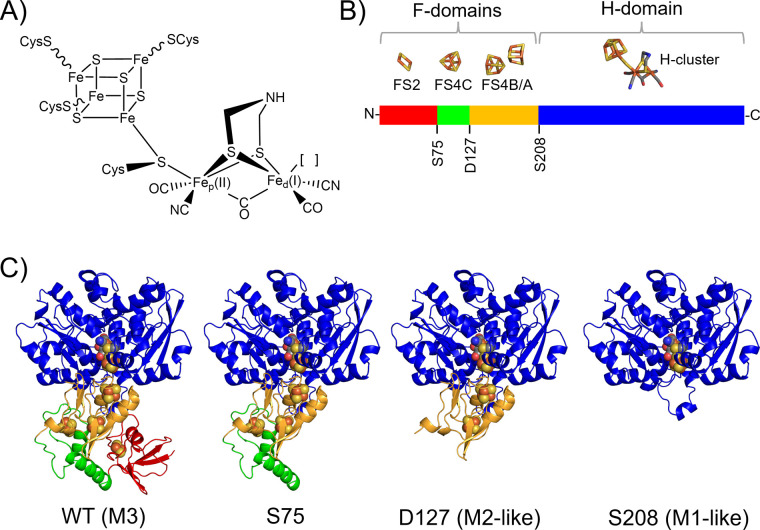 Figure 1
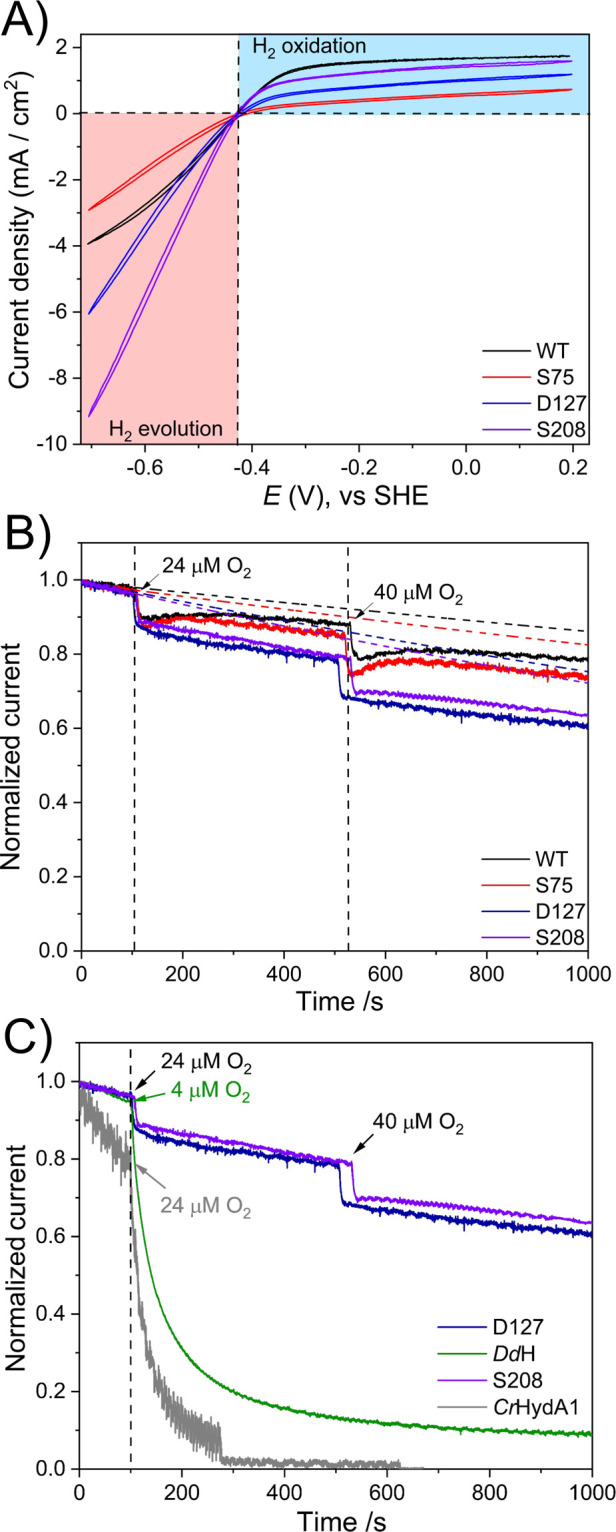 Figure 2
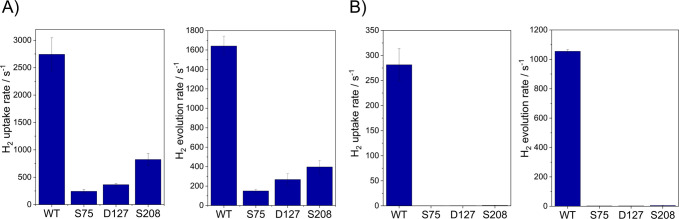 Figure 3
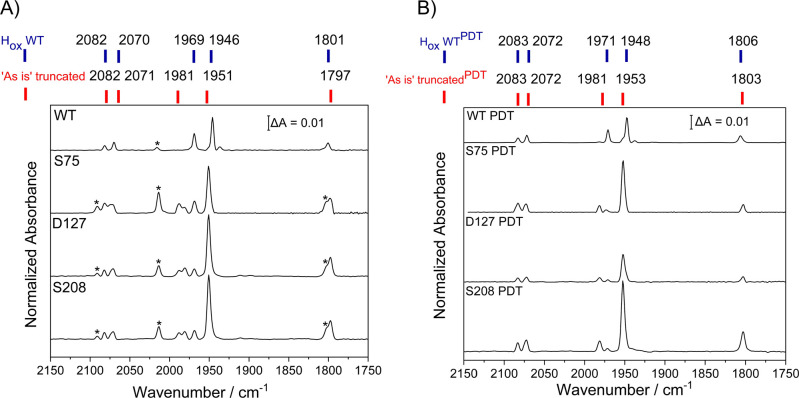 Figure 4
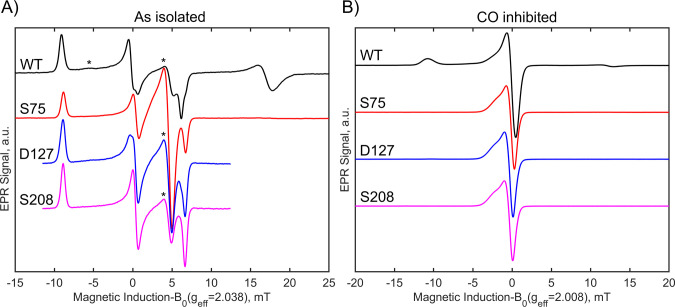 Figure 5
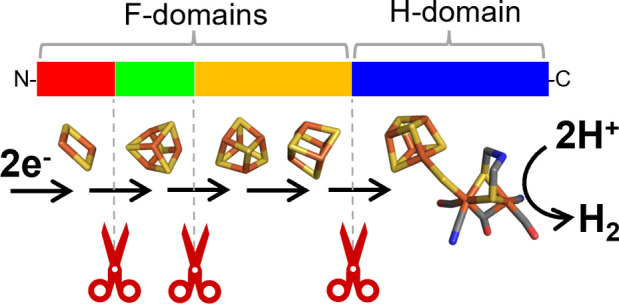 Figure 6
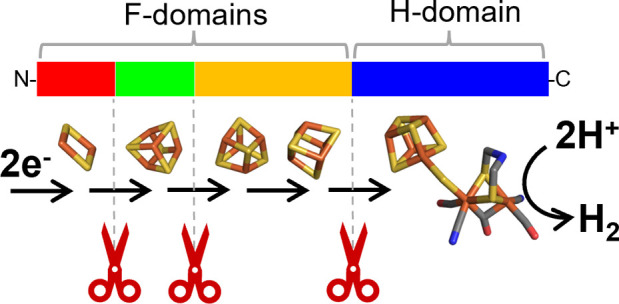 Figure 7
Peer Reviews
No public reviews on file for this paper yet. If you reviewed it on a platform where reviews are public (OpenReview, ICLR, NeurIPS, ICML), you can paste yours below so the community can read it here.
Videos
No videos yet. Explain this paper in a talk, walkthrough, or lecture? Add one.
Taxonomy
TopicsMetalloenzymes and iron-sulfur proteins · Enzyme Catalysis and Immobilization · Electrocatalysts for Energy Conversion