Humanized Mouse Models of Epstein Barr Virus Infection
Saskia Gertrud von Boxberg, Kristin Gehrmann, Svenja Luisa Nopper, Lucas Romann, Svenja Kösegi, Christian Münz

TL;DR
This paper describes a protocol for creating humanized mouse models infected with Epstein Barr Virus (EBV) to study infection and related diseases.
Contribution
A detailed protocol for EBV infection in humanized mice that mimics human infectious mononucleosis and B-cell lymphomas.
Findings
Humanized mice infected with EBV show high viral loads and CD8+ T-cell lymphocytosis resembling human infection.
EBV infection in mice leads to B-cell lymphoproliferations similar to large B-cell lymphomas with latency III EBV infection.
The model has been used to study co-infections with HIV and KSHV, and to test protective antibodies against EBV.
Abstract
The oncogenic Epstein Barr virus (EBV) is an exclusively human pathogen with related lymphocryptoviruses (γ1‐herpesviruses) only present in monkeys. Therefore, experimentation with EBV infection in a small animal model requires reconstitution or adoptive transfer of human lymphocyte populations, primarily EBV's main host cell, the human B cell. In this protocol we describe human immune system reconstitution after neonatal transfer of CD34+ hematopoietic progenitor cells in lymphodeplete immune compromised mouse strains, using NOD‐scid γc –/– (NSG) mice as a commonly used example. Such reconstituted humanized mice allow intraperitoneal and intranasal infection with EBV and we describe injection of 105 infectious particles of the prototypic EBV strain B95‐8 that can be produced from a recombinant bacmid (p2089) in HEK293 cells. Infection with this dose mimics symptomatic primary EBV…
Genes, proteins, chemicals, diseases, species, mutations and cell lines named across the full text — each resolved to its canonical identifier and authoritative record.
Click any figure to enlarge with its caption.
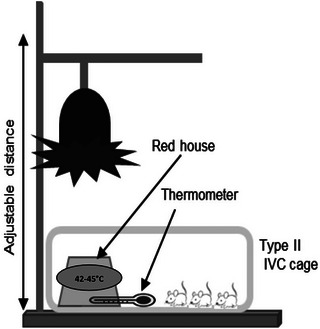 Figure 1
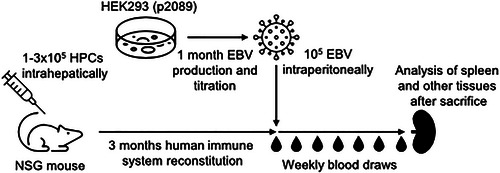 Figure 2
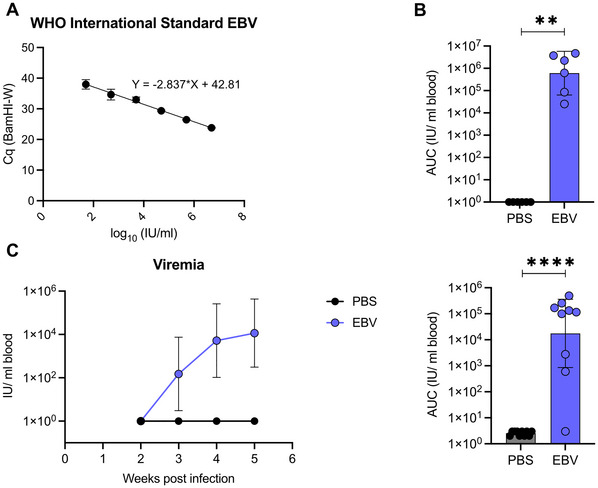 Figure 3
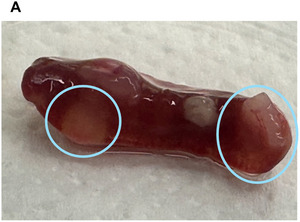 Figure 4
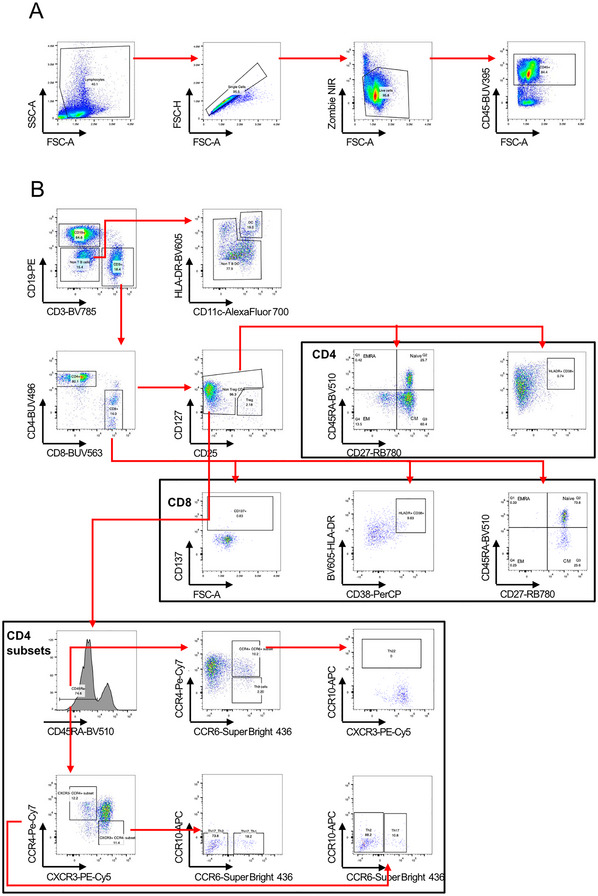 Figure 5
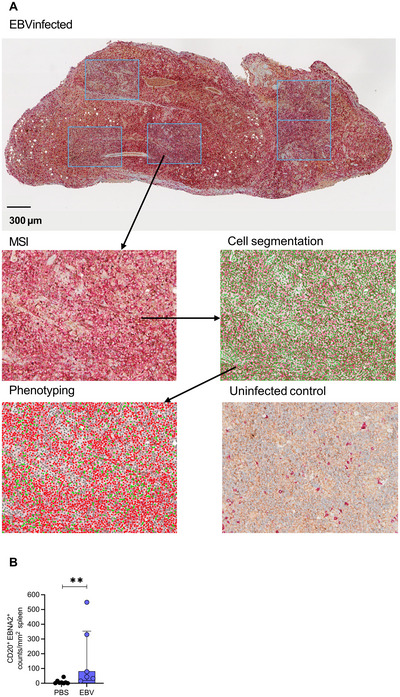 Figure 6
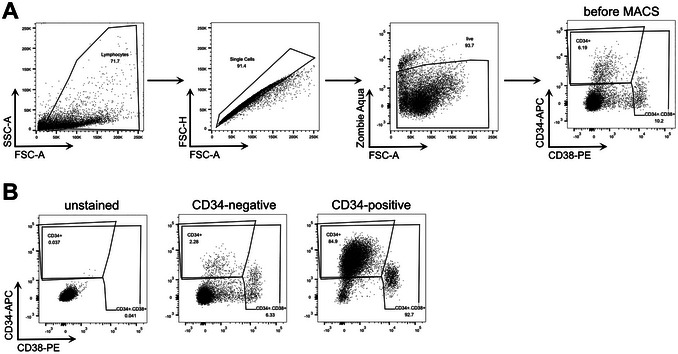 Figure 7
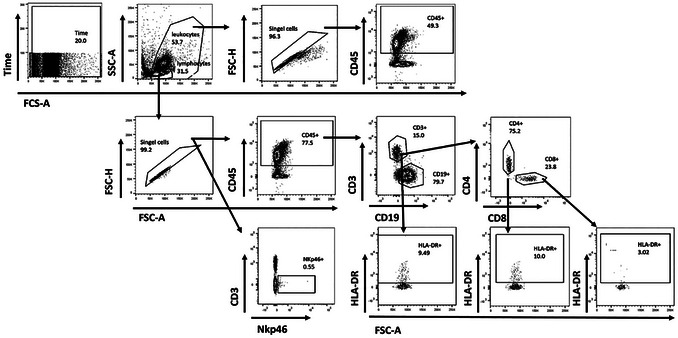 Figure 8
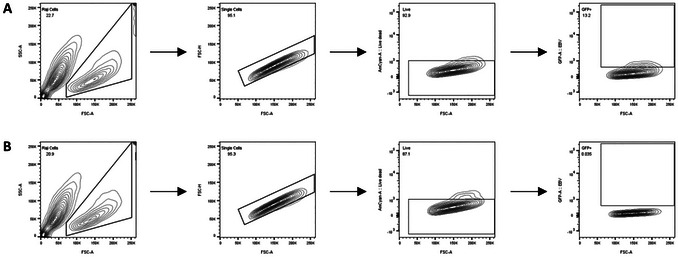 Figure 9
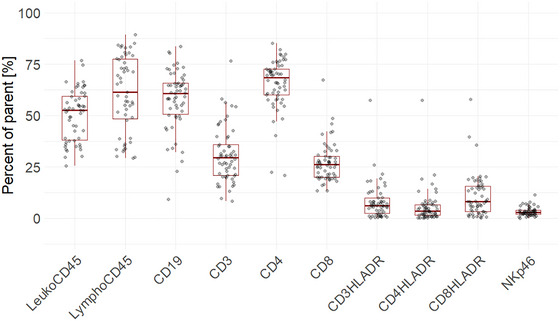 Figure 10
Peer Reviews
No public reviews on file for this paper yet. If you reviewed it on a platform where reviews are public (OpenReview, ICLR, NeurIPS, ICML), you can paste yours below so the community can read it here.
Videos
No videos yet. Explain this paper in a talk, walkthrough, or lecture? Add one.
Taxonomy
TopicsViral-associated cancers and disorders · Lymphoma Diagnosis and Treatment · Head and Neck Cancer Studies