Modification of the existing maximum residue levels in barley, wheat and rye, and evaluation of Art.12 confirmatory data for pinoxaden
Giulia Bellisai, Giovanni Bernasconi, Luis Carrasco Cabrera, Irene Castellan, Monica del Aguila, Lucien Ferreira, Luna Greco, Renata Leuschner, Andrea Mioč, Stefanie Nave, Hermine Reich, Silvia Ruocco, Alessia Pia Scarlato, Marta Szot, Anne Theobald, Manuela Tiramani

TL;DR
This paper discusses the modification of maximum residue levels for pinoxaden in certain cereals and confirms the safety of these levels for consumers.
Contribution
The study provides new confirmatory analytical methods for pinoxaden metabolites in animal matrices.
Findings
Adequate analytical methods for pinoxaden metabolites M4 and M6 were validated at 0.01 mg/kg.
The data gap for animal matrices was satisfactorily addressed with a new confirmatory method.
EFSA concluded that pinoxaden residues pose no significant risk to consumer health.
Abstract
In accordance with Article 6 of Regulation (EC) No 396/2005, the applicant Syngenta Crop Protection AG submitted a request to the competent national authority in Italy to modify the existing maximum residue levels (MRLs) in barley, wheat and rye for pinoxaden. The data submitted in support of the requests were found to be sufficient to derive an MRL proposal. Adequate analytical methods for enforcement are available to control the residues of M4 (SYN 505164) and M6 (SYN 502836), the metabolites of pinoxaden included in the residue definitions in cereal grains, individually at a validated limit of quantification (LOQ) of 0.01 mg/kg. Additionally, in a separate application submitted to Italy as well, the applicant requested the evaluation of the confirmatory data identified during the MRL review conducted under Article 12 of Regulation (EC) No 396/2005 as not available. To address the MRL…
Genes, proteins, chemicals, diseases, species, mutations and cell lines named across the full text — each resolved to its canonical identifier and authoritative record.
Click any figure to enlarge with its caption.
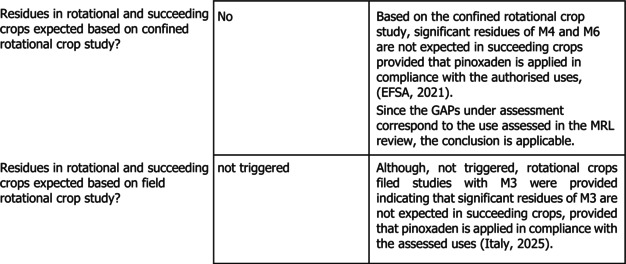 Figure 1
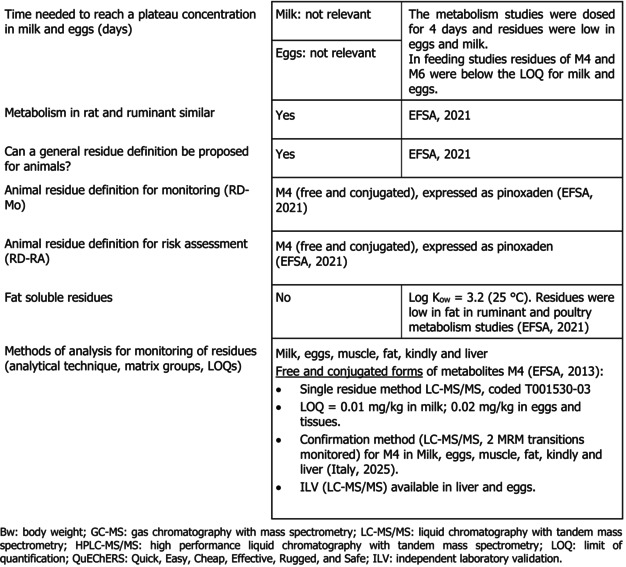 Figure 2
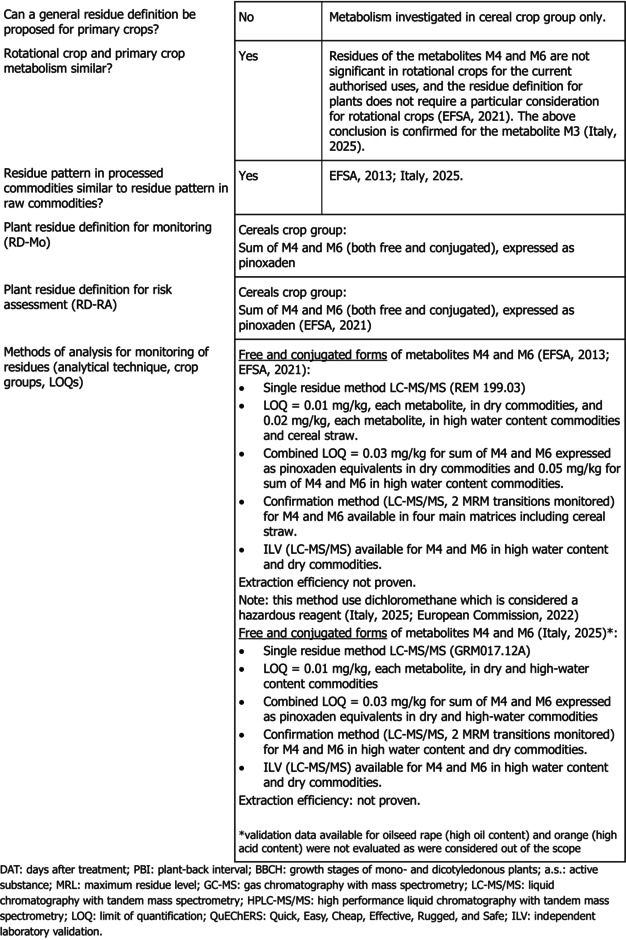 Figure 3
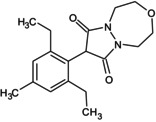 Figure 4
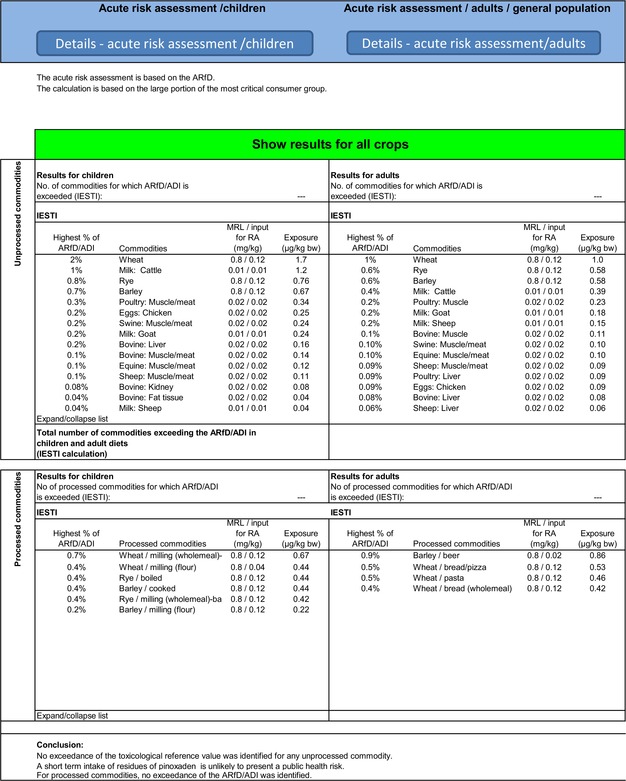 Figure 5
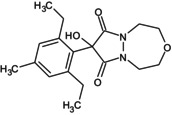 Figure 6
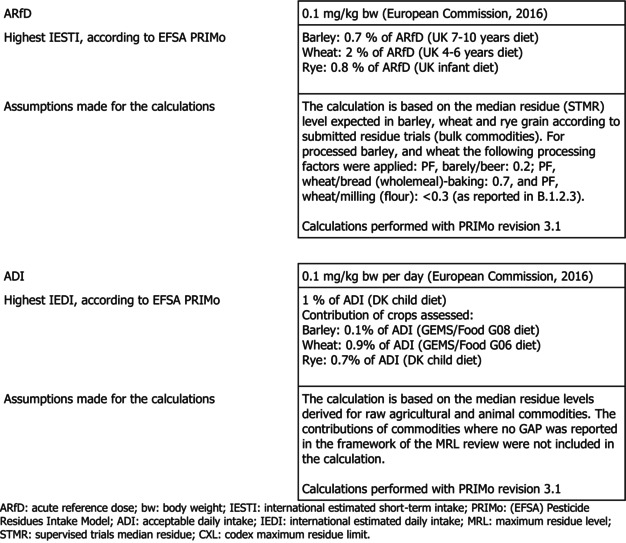 Figure 7
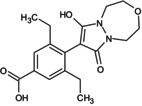 Figure 8
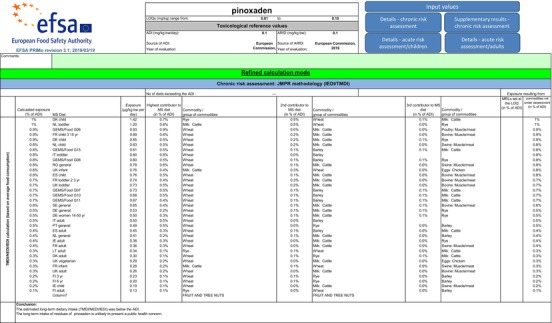 Figure 9
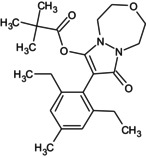 Figure 10
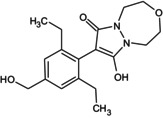 Figure 11
Peer Reviews
No public reviews on file for this paper yet. If you reviewed it on a platform where reviews are public (OpenReview, ICLR, NeurIPS, ICML), you can paste yours below so the community can read it here.
Videos
No videos yet. Explain this paper in a talk, walkthrough, or lecture? Add one.
Taxonomy
TopicsAgricultural safety and regulations · Pesticide Residue Analysis and Safety · Genetically Modified Organisms Research
SUMMARY
In accordance with Article 6 of Regulation (EC) No 396/2005, Syngenta Crop Protection AG submitted an application to the competent national authority in Italy (evaluating Member State, EMS) to modify the existing maximum residue levels (MRLs) for the active substance pinoxaden in barley, wheat and rye. Subsequently, with a second application, the applicant also requested Italy to evaluate the confirmatory data identified in the framework of the MRL review under Article 12 of Regulation (EC) No 396/2005 (MRL review), in accordance with the agreed procedure set out in the working document SANTE/10235/2016.
The MRL review for pinoxaden had identified missing confirmatory method for all livestock commodities and derived tentative MRLs for products of animal origin. These tentative MRLs were established by Commission Regulation (EU) No 2022/1346, including a footnote indicating the type of confirmatory data that should be provided by any party having an interest in maintaining the proposed tentative MRLs by 2 August 2024.
The following EFSA assessment therefore combines and evaluates both the Art.12 confirmatory data request above and the MRL application in barley, wheat and rye, prepared by the applicant under Article 6 of Regulation (EC) No 396/2005.
The two dossiers, containing supporting data in IUCLID format, were submitted through the European Food Safety Authority (EFSA) Central Submission System on 3 August 2023 (MRL application) and 2 August 2024 (Art.12 confirmatory data application). The appointed Evaluating Member State (EMS), Italy, assessed the dossiers and declared them admissible on 12 July 2024 and 27 January 2025, respectively. Following the implementation of EFSA's confidentiality decisions, the non‐confidential versions of the dossiers were published by EFSA and public consultations were launched. These consultations aimed to gather input from stakeholders and the public on the scientific data, studies and other information included in or supporting the submitted applications, in order to identify whether any additional relevant scientific data or studies were available. The consultations ran from 6 August to 27 August 2024 and from 17 February to 10 March 2025. No additional data or comments were submitted during the consultation periods.
At the end of the commenting period, the EMS proceeded to draft a single evaluation report in accordance with Article 8 of Regulation (EC) No 396/2005, addressing both requests. The report was submitted to the European Commission and EFSA on 16 April 2025.
The European Commission sent two mandates to EFSA on 2 May 2025 and 26 May 2025 to assess the applications and the evaluation report as required by Articles 9 and 10 of the MRL regulation and in accordance with the agreed procedure set out in the working document SANTE/10235/2016 for the MRL confirmatory data. For reasons of efficiency, the applications were assessed in one EFSA output.
EFSA identified points which needed further clarification and requested the EMS to address them. On 21 July 2025 the EMS submitted the revised evaluation report, considering the new information provided by the Applicant. This newly submitted evaluation report replaced the previously submitted version.
Based on the conclusions derived by EFSA in the framework of Directive 91/414/EEC, the data evaluated under the MRL review and the additional data provided by the EMS in the framework of these applications, the following conclusions are derived.
The metabolism of pinoxaden following foliar treatment was investigated in three studies conducted on wheat, belonging to the group of cereals. These studies demonstrated that pinoxaden is rapidly metabolised and is not expected to be present in raw agricultural commodities. Instead, its metabolites M4 (SYN 505164) and M6 (SYN 502836) are identified as the major compounds found at harvest. In this view, previously submitted and evaluated hydrolysis studies conducted with pinoxaden are considered supporting information only. Considering the above, in the framework of the MRL application, the applicant submitted two new hydrolysis studies investigating the effect of processing on the nature of M4 and M6 metabolites. Only one radiolabelled form (phenyl ring) was tested. However, the results indicated that both compounds are hydrolytically stable under standard processing conditions and that a cleavage of M4 and M6 molecule rings is not expected through standard hydrolytic conditions.
Based on the available information on the nature of residues, specifically a confined rotational crop study performed on lettuce, radish, spring and winter wheat with pinoxaden, it was concluded that significant residue levels are unlikely to occur in rotational crops, provided that the active substance is used according to the Good Agricultural Practice (GAP) under assessment. Pinoxaden was not detected in any sample of the rotated crops and, among the identified metabolites, only M3 slightly exceeded 0.01 mg/kg in wheat forage at the shortest plant back interval (PBI) only. In the framework of the MRL application the applicant has submitted also the results of two rotational crops field studies with pinoxaden on lettuce, radish, wheat and barley conducted at 1N the application rate of the GAP. These new rotational crop field studies showed that residues of the metabolite M3 are not expected to exceed 0.01 mg/kg in all tested rotated commodities regardless of the PBI tested (26–30 days or longer).
Based on the metabolic pattern identified in metabolism studies, hydrolysis studies and considering the toxicological relevance of metabolites and the capability of the enforcement methods to release conjugated forms of the relevant metabolites, the residue definitions for cereal products were proposed as ‘sum of M4 and M6 (both free and conjugated), expressed as pinoxaden’ for both enforcement and risk assessment. The MRL review proposed to apply these residue definitions to primary crops, rotational crops and processed products.
EFSA concluded that for the crops assessed in the MRL application, metabolism of pinoxaden in primary and in rotational crops, and the possible degradation in processed products has been sufficiently addressed and that the previously derived residue definitions are applicable.
A previously evaluated liquid chromatography with tandem mass spectrometry (HPLC–MS/MS) analytical method was concluded to be sufficiently validated to quantify residues of M4 and M6 metabolites in cereals, in accordance with the enforcement residue definition. This method enables quantification of M4 and M6 residues at or above 0.01 mg/kg limit of quantification (LOQ) in the crops assessed, individually and at or above 0.03 mg/kg as a combined LOQ for residues expressed as pinoxaden equivalents. As part of the MRL application, validation data for a new analytical enforcement method for barley grain and barley forage were submitted. A key advantage of the new method, as compared to the previously evaluated method, is the replacement of dichloromethane with an alternative solvent. It is demonstrated that both methods ensure sufficient hydrolysis of the conjugates, with an acid hydrolysis step included to release the conjugated forms of the metabolites M4 and M6. However, EFSA concludes that extraction efficiency of the subsequent extraction prior to liquid chromatography–tandem mass spectrometry detector (LC–MS/MS) analysis is not sufficiently demonstrated and therefore recommends re‐assessing the extraction efficiency of available methods in the framework of the EU pesticides peer review for the renewal of approval of the active substance. In conclusion, sufficiently validated analytical methods are available to quantify residues in the crops assessed in this application, in accordance with the enforcement residue definition.
The available residue trials on barley and wheat are sufficient to derive by extrapolation an MRL proposal of 0.8 mg/kg based on the more critical results for residues of the SEU GAP for barley, wheat and rye.
Several processing factors (PFs) for the commodities under assessment were already derived in the framework of the MRL review in 2021. Additional processing studies on barley and wheat were provided within the MRL application. The new processing studies covered a wide range of processed products, for which PFs were derived in the present assessment. Old and new processing studies enabled the derivation of more robust PFs for barley (brewing malt, dry brewer's grain, beer, pot/pearl barley) and wheat (white flour, whole‐meal flour, whole‐meal bread).
As the crops under consideration and their by‐products are used as feed products, a potential carry‐over of pinoxaden residues into food of animal origin was assessed. The calculated livestock dietary burden exceeded the trigger value of 0.1 mg/kg dry matter (DM) for all relevant animal species.
The nature and magnitude of pinoxaden residues in livestock has been investigated during the EU pesticides peer review and the MRL review. The MRL review proposed to set the residue definition for enforcement and risk assessment as ‘M4 (free and conjugated), expressed as pinoxaden’. Based on the previously estimated dietary burdens and the results of livestock feeding studies, MRLs for products of animal origin were proposed at the respective achievable LOQ levels. However, the dietary burden calculated within this MRL application was found to be higher than that calculated during the MRL review. Consequently, EFSA recalculated the risk assessment values and MRLs for products of animal origin based on the updated figures and the available feeding studies. The results of this assessment confirmed that, for all animal origin commodities, the currently established MRLs at the LOQ are sufficient to accommodate the updated livestock dietary burdens.
To address the data gap identified during the MRL review and to confirm the currently tentative MRLs for products of animal origin, the applicant submitted additional validation data for the analytical enforcement method assessed in the MRL review, coded T001530‐03. This method was re‐validated using the same sample preparation and extraction procedures, with updated validation data including the required confirmatory mass transitions for the metabolite M4. EFSA supports the conclusions drawn by the EMS and concludes that the data gap concerning the confirmatory method for animal commodities, as identified in the framework of the MRL review, has been addressed and consequently the tentative MRLs for products of animal origin are confirmed. These confirmatory data do not trigger a modification of previous consumer risk assessment performed in the framework of the MRL review for products of animal origin.
The toxicological profile of pinoxaden was assessed in the framework of the EU pesticides peer review under Directive 91/414/EEC and the data were sufficient to derive an acceptable daily intake (ADI) of 0.1 mg/kg bw per day and an acute reference dose (ARfD) of 0.1 mg/kg bw. The toxicological reference values established for the parent compound apply to both metabolites M6 and M4.
The consumer risk assessment was performed with revision 3.1 of the EFSA Pesticide Residues Intake Model (PRIMo). The short‐term exposure did not exceed the ARfD for the commodities assessed in the MRL application. The estimated maximum exposure accounted for 2% of the ARfD for wheat grain, and was more than two times lower for barely and rye: 0.7% of the ARfD and 0.8% of ARfD, respectively. A comprehensive long‐term exposure assessment was performed in the framework of the MRL review, taking into account the existing uses of pinoxaden on barley, wheat and rye at EU level. No other uses in food were reported to be authorised in the EU and the existing Codex MRLs (CXLs) were concluded to be covered by EU MRLs. EFSA updated the calculation with the median residue value for barley, wheat and rye grain derived from the residue trials submitted in support of this MRL application and the LOQ values for animal commodities, to consider transfer of residues in products of animal origin. The highest estimated long‐term dietary intake was 1% of the (DK child diet). The contribution of residues in barley, wheat and rye grains to the overall long‐term exposure accounted for 0.1%, 0.9% and 0.7% of the ADI, respectively.
EFSA concluded that the uses of pinoxaden on barely, wheat and rye under assessment will not result in a consumer exposure exceeding the toxicological reference values and therefore are unlikely to pose a risk to consumers' health.
The peer review of the renewal of the approval of the active substance in accordance with Regulation (EC) No 1107/2009 is not yet started. However, the EMS noted that the new information submitted in the framework of the current assessment is also included in the data package for the renewal for approval. Therefore, the conclusions reported in this reasoned opinion might need to be reconsidered in the light of the outcome of the EU pesticides peer review
EFSA proposes to amend the existing MRLs as reported in the summary table below.
Full details of all end points and the consumer risk assessment can be found in Appendices B to D.Codea CommodityExisting EU MRL (mg/kg)Proposed EU MRL (mg/kg)Comment/justification Enforcement residue definition: Sum of M4 and M6 (both free and conjugated), expressed as pinoxaden0500010Barley0.70.8The submitted data are sufficient to derive an MRL proposal for the NEU/SEU uses. The MRL proposal reflects the more critical residue situation of the SEU residue zone. Risk for consumers unlikely0500070Rye0.70.8The submitted data are sufficient to derive a MRL proposal for the NEU/SEU uses. The MRL proposal reflects the more critical residue situation of the SEU residue zone. Risk for consumers unlikely0500090Wheat0.70.8The submitted data are sufficient to derive a MRL proposal for the NEU/SEU use. The MRL proposal reflects the more critical residue situation of the SEU residue zone. Risk for consumers unlikely Enforcement residue definition: M4 (free and conjugated), expressed as pinoxaden1000000 (except of: 1020000 and 1040000)Products of animal origin0.02* (ft 1)0.02* The data gap identified by EFSA for a confirmatory analytical method is addressed. An increase of the existing MRL resulting from the uses in barley, rye and wheat under assessment is not required. The MRL is confirmed1020000Milk0.01* (ft 1)0.01* The data gap identified by EFSA for a confirmatory analytical method is addressed. An increase of the existing MRL resulting from the uses in barley, rye and wheat under assessment is not required. The MRL is confirmed Note: ft 1: The European Food Safety Authority identified some information on analytical methods as unavailable. When re‐viewing the MRL, the Commission will take into account the information referred to in the first sentence, if it is submitted by 2 August 2024, or, if that information is not submitted by that date, the lack of it.Abbreviations: GAP, Good Agricultural Practice; MRL, maximum residue level; NEU, northern Europe; SEU, southern Europe. ^a^ Commodity code number according to Annex I of Regulation (EC) No 396/2005.*Indicates that the MRL is set at the limit of analytical quantification (LOQ).
ASSESSMENT
The European Food Safety Authority (EFSA) received an application to modify the existing maximum residue levels (MRLs) for pinoxaden in barely, wheat and rye. The detailed description of the uses of pinoxaden under assessment is listed in Appendix A. In a second separate application, the applicant requested as well to evaluate the confirmatory data identified in the framework of the MRL review under Article 12 of Regulation (EC) No 396/2005.
Pinoxaden is the ISO common name for 8‐(2,6‐diethyl‐4‐methylphenyl)‐7‐oxo‐1,2,4,5‐tetrahydro‐7H‐pyrazolo[1,2‐d][1,4,5]oxadiazepin‐9‐yl 2,2‐dimethylpropanoate (IUPAC). The chemical structures of the active substance and its main metabolites are reported in Appendix E.
Pinoxaden was evaluated in the framework of Directive 91/414/EEC1 with United Kingdom, designated as rapporteur Member State (RMS) for the representative uses as a foliar treatment on certain cereals. The draft assessment report (DAR) prepared by the RMS has been peer reviewed by EFSA (EFSA, 2013). Pinoxaden was approved2 for the use as herbicide on 1 July 2016 including certain conditions and restrictions and requiring further confirmatory information. Under the conditions of use and at its overall assessment the Member States shall pay particular attention to the protection of groundwater, when the substance is applied in regions with vulnerable soil and/or climatic conditions. Moreover, the Member States concerned shall carry out monitoring programmes to verify potential groundwater contamination from the metabolite M2 in vulnerable zones, where appropriate. Data on groundwater metabolites and the corresponding groundwater risk assessment were recently assessed (EFSA, 2025).
The EU MRLs for pinoxaden are established in Annex II of Regulation (EC) No 396/2005.3
The review of existing MRLs for pinoxaden according to Article 12 of Regulation (EC) No 396/2005 (MRL review) has been performed in 2021 (EFSA, 2021). EFSA identified some information as unavailable (data gap) and derived tentative MRLs for products of animal origin since not fully supported by data but for which no risk to consumers was identified. Following the review of existing MRLs, the legal limits have been modified by Commission Regulation (EU) No 2022/1346,4 including footnotes for tentative MRLs that specified the type of information that was identified as missing. Any party having an interest in maintaining the proposed tentative MRL was requested to address the confirmatory data by 2 August 2024.
In accordance Article 6 of Regulation (EC) No 396/2005 and following the provisions set by the ‘Transparency Regulation’ (EU) 2019/1381,5 the applicant Syngenta Crop Protection AG submitted two applications to the competent national authority in Italy (evaluating Member State, EMS), in order to modify the existing MRLs for the active substance pinoxaden in barley, wheat and rye and to evaluate the confirmatory data identified in the framework of the MRL review under Article 12 of Regulation (EC) No 396/2005.
The applications, along with the dossiers containing supporting data in IUCLID format, were submitted through the European Food Safety Authority (EFSA) Central Submission System on 3 August 2023 and 2 August 2024. The appointed Evaluating Member State (EMS), Italy, assessed the dossiers and declared them admissible on 12 July 2024 and 27 January 2025, respectively. Following the implementation of EFSA's confidentiality decision, the non‐confidential versions of the dossiers were published by EFSA and public consultations were launched. These consultations aimed to gather input from stakeholders and the public on the scientific data, studies and other information included in or supporting the submitted applications, in order to identify whether any additional relevant scientific data or studies were available. The consultations ran from 6 August to 27 August 2024, and from 17 February to 10 March 2025. No additional data or comments were submitted during the consultation periods.
At the end of the commenting period, the EMS proceeded to draft a single evaluation report in accordance with Article 8 of Regulation (EC) No 396/2005, addressing both requests. The report was submitted to the European Commission and EFSA on 16 April 2025.
The European Commission sent two mandates to EFSA on 2 May 2025 and 26 May 2025 to assess applications and the evaluation report as required by Articles 9 and 10 of the MRL regulation and in accordance with the agreed procedure set out in the working document SANTE/10235/2016 for the MRL confirmatory data. For reasons of efficiency, the applications were assessed in one EFSA output.
EFSA identified points which needed further clarification and requested the EMS to address them. On 21 July 2025 the EMS submitted the revised evaluation report, considering the new information provided by the Applicant.
EFSA based its assessment on the evaluation report submitted by the EMS (Italy, 2025), the draft assessment report (DAR) and its addendum (United Kingdom, 2005, 2013), the Commission review report on pinoxaden (European Commission, 2016), the conclusion on the peer review of the pesticide risk assessment of the active substance pinoxaden (EFSA, 2013), as well as the conclusions from the reasoned opinion on the MRL review according to Article 12 of Regulation No 396/2005 (EFSA, 2021).
For both applications, the data requirements established in Regulation (EU) No 544/20116 and the guidance documents applicable at the date of submission of the IUCLID applications are applicable (European Commission, 1997a, 1997b, 1997c, 1997d, 1997e, 1997f, 1997g, 2010, 2022, 2023a, 2023b; OECD, 2011, 2013). The assessment is performed in accordance with the legal provisions of the Uniform Principles for the Evaluation and the Authorisation of Plant Protection Products adopted by Commission Regulation (EU) No 546/2011.7
The peer review of the renewal of the approval of the active substance in accordance with Regulation (EC) No 1107/2009 is not yet started. However, the EMS noted that the new information submitted in the framework of the current assessment is also included in the data package for the renewal for approval. Therefore, the conclusions reported in this reasoned opinion might need to be reconsidered in the light of the outcome of the EU pesticides peer review.
A selected list of end points of the studies assessed by EFSA in the framework of these applications including the end points of relevant studies assessed previously, is presented in Appendix B.
The evaluation report submitted by the EMS (Italy, 2025) and the exposure calculations using the EFSA Pesticide Residues Intake Model (PRIMo) are made publicly available as background documents to this reasoned opinion.8
RESIDUES IN PLANTS
1
Nature of residues and methods of analysis in plants
1.1
Nature of residues in primary crops
1.1.1
The metabolism of pinoxaden was investigated after foliar treatment in cereals (wheat) (United Kingdom, 2005, 2013) and assessed in the framework of the EU pesticides peer review and the MRL review (EFSA, 2013, 2021). In total three studies were conducted with wheat: in one study pinoxaden was radiolabelled in the pyrazole ring of the molecule, in the second study it was radiolabelled in the phenyl ring, and in the third study, the radiolabelled positions were the phenyl and the oxadiazepine rings.
Parent pinoxaden was rapidly metabolised and it was not found in any sample at harvest. The major components identified in grain were metabolites M4 (SYN 505164) and M6 (SYN 502836), representing (together) up to 30% (0.07 mg eq./kg) of the total radioactive residues (TRR), at harvest. However, 20%–45% TRR (depending on the study and label position) in grain was not extracted with solvents. Subsequent acid hydrolysis of whole grain samples released nearly all remaining radioactivity, indicating that a significant portion was present as conjugated metabolite M4 (up to 50% TRR), and to a lesser extent, as conjugated M6 (up to 8%). Metabolite M4 was the major metabolite identified in forage (up to 30% TRR; 0.13 mg eq./kg) and straw (up to 37% TRR; 0.33 mg eq./kg) at harvest. A number of other metabolites were identified in grain, forage and straw, but they were not found at significant levels (EFSA, 2021).
A new study performed on cereals (wheat) was submitted in the current MRL application and evaluated in the Evaluation Report (Italy, 2025). This study is also included in the dossier for the renewal of the approval of the active substance pinoxaden. The study was performed with pinoxaden radiolabelled in the phenyl ring following a similar use pattern as in the previous studies (single foliar application at BBCH 39 at actual rate of 67 g a.s/ha, about 1N the reported rate in barley, rye and wheat). Samples of immature foliage were taken after 7 days, of hay after 28 days and of grain and straw at normal harvest (48 days) after application.
The solvent extractions with acetonitrile/water (80:20; v/v and 50/50, v/v) presented satisfactory results with 77% of TRR extractable in straw, 87.3% of TRR in grain, 80.4% of TRR in hay and 96% of TRR in forage. After further extraction of the PES (post‐extraction solids) of forage, hay, grain and straw using acid hydrolysis, base hydrolysis and enzyme digestion, the total extracted residues reached the range of 95% to 99% of the TRR. The extracted radioactivity was analysed by liquid chromatography and high‐resolution mass‐spectrometry.
In grain, as well as in the other matrices, parent pinoxaden was totally metabolised (< 0.001 mg eq./kg). In grain, the major identified components were metabolite M4 (free and conjugated) accounting for 77.5% TRR (0.49 mg eq./kg) and metabolite M6 (free and conjugated) accounting for 10.5% of the TRR (0.07 mg eq./kg). In straw, M4 accounted for 42.7% (2.13 mg eq./kg) TRR and M6 for 5.2% (0.26 mg eq./kg) TRR. An extensive metabolism of pinoxaden was anyway characterised with the formation of more than 40 single compounds individualised in grain, none of them being quantified above 5% of the TRR (0.03 mg eq./kg) and around 73 in straw, none above 5.9% TRR (0.29 mg/kg). The identification in foliage, hay and straw revealed the same compounds as identified in grain and in previous metabolism studies performed on cereals ‐metabolites M4 and M6 (free and conjugated)‐ being the major ones.
The new study is considered acceptable, and it confirms the outcome of the assessment from the three studies previously performed on wheat. Parent pinoxaden is rapidly and extensively metabolised in cereals. The metabolism proceeds by ester hydrolysis to form metabolite M2, an intermediate compound subject to hydroxylation to form metabolite M4. The oxidation of metabolite M4 leads to metabolite M6. The major compounds are metabolites M4 and M6, retrieved under their free and conjugated forms. The metabolite M2, being an intermediate compound, remains a very minor component of the residues at harvest.
It is noted that the same new metabolism study is also included in the dossier for the renewal of the approval of the active substance pinoxaden, which is not yet started. Therefore, a peer reviewed assessment will also be conducted under this framework and the conclusions reported in this reasoned opinion might be reconsidered subsequently.
EFSA concludes that regarding the uses under assessment, the metabolic behaviour in cereals grown as primary crops is sufficiently addressed.
Nature of residues in rotational crops
1.1.2
Pinoxaden is for use on cereals, which may be grown in rotation. According to the soil degradation studies performed in the framework of the peer review (EFSA, 2013), parent pinoxaden exhibits low persistence (DT_90_ less than 5 days) in soil. Under aerobic soil conditions, it forms its relevant soil metabolites M2 and M3. Both metabolites exhibit DT_90_ values exceeding 100 days, and therefore metabolism studies in rotational crops are required.
One confined rotational crop study with pinoxaden radiolabelled on the phenyl and oxadiazepine rings was assessed in the framework of the EU pesticides peer review (EFSA, 2013; United Kingdom, 2005) and the MRL review (EFSA, 2021). Lettuces (leafy vegetables), wheat (small grains) and radishes (root crops) were planted in bare soil that had been previously treated with radiolabelled pinoxaden at 60.3 g a.s./ha (phenyl‐labelled) and 65.5 g a.s./ha (oxadiazepine‐labelled). Lettuces and radishes were planted at PBI of 29 and 120 days after treatment (DAT). Spring wheat was drilled 29, 120 and 361 DAT and winter wheat was planted at 168 DAT.
Residues in the three planted crops declined over time. In radish roots and tops (both labels) and lettuce (both labels), total residues at 30 days PBI were very low (max 0.022 mg eq./kg at 30 days in radish tops); no metabolites exceeding 0.01 mg eq./kg were identified in any samples. At 120 days PBI, total residues were too low to allow for further characterisation (≤ 0.001 mg eq./kg) in radish (roots and tops) and lettuce.
In spring wheat, total residues in grain (both labels) were also very low (≤ 0.007 mg eq./kg) at all PBIs and no further characterisation was performed in grain. Similarly, for forage and fodder of spring wheat at PBI 360 and forage and grain of winter wheat, further identification of residues was not performed. Parent pinoxaden and its major plant metabolites M4 and M6 were not found in any sample, and among the identified metabolites only M3 slightly exceeded 0.01 mg eq./kg (49% TRR) in wheat forage at the shortest PBI of 29 days.
The EU pesticides peer review and the MRL review concluded that residues of pinoxaden in rotational crops are not expected to be significant as a result of the representative uses on cereals and the authorised uses assessed in the MRL review (EFSA, 2013, 2021). Since the uses on cereals under assessment in the current MRL application are the same as the representative and authorised ones, the same conclusion is applicable.
Nature of residues in processed commodities
1.1.3
The effect of processing on the nature of pinoxaden was investigated in the framework of the EU pesticides peer review (EFSA, 2013; United Kingdom, 2013). A study was conducted with pinoxaden radiolabelled on the phenyl ring and simulating representative hydrolytic conditions for pasteurisation (20 min at 90°C, pH 4), boiling/brewing/baking (60 min at 100°C, pH 5) and sterilisation (20 min at 120°C, pH 6). Pinoxaden was stable to hydrolysis under standard conditions of pasteurisation, with 86% of applied radioactivity (AR) still present as pinoxaden. Under baking/brewing/boiling it degraded (pinoxaden representing the 72% AR) to form metabolite M2 (20% AR). Degradation increased during sterilisation (which involves higher temperature and pH), pinoxaden representing only 54% of AR and metabolite M2 accounting for 40% AR (see Appendix B.1.1). It is to be noted that the genotoxicity potential of M2 metabolite remains inconclusive (EFSA, 2025). However, pinoxaden is not expected to significantly occur in raw commodities subject to processing (grain), and therefore it can be assumed that this compound won't be subject to processing and no M2 is then expected to be formed from pinoxaden in processed food. In this view, the available hydrolysis study performed with pinoxaden is only considered as supportive to the present assessment.
Metabolite M4 (SYN 505164) and metabolite M6 (SYN 502836) are the major residues expected in raw cereal plants. Although not required during the MRL review (EFSA, 2021), two new specific studies to address the nature of residues of these compounds during representative hydrolytic conditions were submitted in support of the current MRL application (Italy, 2025). This study is also included in the dossier for the renewal of the approval of the active substance pinoxaden. In the study performed with metabolite M4 radiolabelled on the phenyl ring, M4 remained the main component (≥ 96% AR) under the three representative hydrolytic conditions. In the study performed with metabolite M6 radiolabelled on the phenyl ring, M6 remained the main component (≥ 98% AR) under the three representative hydrolytic conditions. Consequently, the two new studies indicate that both compounds (M4 and M6) are hydrolytically stable under standard processing conditions. It is noted that in both studies, only one radiolabelled form (phenyl ring) was tested. However, a cleavage of these molecules during the standard hydrolytic conditions was not observed and no further degradation compounds were identified. Therefore, the absence of further experiments using additional radiolabels is deemed acceptable for the present MRL application.
As the new metabolism studies are also included in the dossier for the renewal of the approval of the active substance pinoxaden, a peer reviewed assessment will also be conducted under this framework and the conclusions reported in this reasoned opinion might be reconsidered subsequently.
Analytical methods for enforcement purposes in plant commodities
1.1.4
Analytical methods for the determination of residues of pinoxaden, metabolites M4 and M6 were assessed during the EU pesticides peer review and re‐evaluated in the MRL review (EFSA, 2013, 2021). Additionally, a new enforcement method validated in high‐water content (barley forage), high‐oil content (oilseed rape), high‐acid content (orange) and dry‐content (barley grain) matrices, and its ILV were submitted in the framework of the present MRL application (Italy, 2025). However, since the currently uses of pinoxaden are limited to barley, wheat and rye, EFSA assessed only the validation data relevant to barley forage and barley grain in this evaluation. These matrices correspond to high‐water and dry matrices, respectively (European Commission, 2023a).
The liquid chromatography with tandem mass spectrometry (LC–MS/MS) method (coded REM 199.03) and its independent laboratory validation (ILV) are sufficiently validated for the determination of the residues of M4 and M6 (free and conjugated) in high‐water, high‐acid, high‐oil content and dry matrices including wheat grain and straw. The method allows quantifying residues for each metabolite at or above the LOQ of 0.01 mg/kg (EFSA, 2013, 2021). The combined LOQ for the sum of the two metabolites expressed as pinoxaden is set at 0.03 mg/kg in grain. Individual LOQs of 0.02 mg/kg and the combined LOQ of 0.05 mg/kg are achieved in straw, even though monitoring of pinoxaden residues in this feed item is not currently required (EFSA, 2021). The above‐described method uses dichloromethane (or methylene chloride), which is considered an hazardous reagent and therefore this method is no longer recommendable (European Commission, 2022; Italy, 2025). In view of this, the Applicant validated this method with use of an alternative solvent system. The validation data for this updated analytical enforcement method were submitted for dry content matrix – wheat grain and high‐water content matrix – heat whole plant. The method allows the quantification of the residues with the same accuracy for individual and combined LOQs (Italy, 2025). Nevertheless, the ILV for this method was not submitted and therefore the updated version of the method is not recommended for enforcement purpose.
In the framework of this MRL application the validation data for a new analytical enforcement method coded GRM017.12A were submitted in dry content matrix – barley grain and high‐water content matrix‐barley forage. Similarly to the enforcement method already in place, this method includes acid hydrolysis de‐conjugation step, where samples are extracted by refluxing with 1N hydrochloric acid for 2 h, prior to solid‐phase extraction (SPE) clean‐up and analysis by LC–MS/MS. An ILV is available for this method for two matrices, forage and grain. According to the assessment by the EMS, the method allows quantifying residues for each metabolite at or above the LOQ of 0.01 mg/kg (Italy, 2025). For the final, post‐extraction, analytes elution step, this method employs ethyl acetate with addition of formic acid and acetonitrile (80/20, v/v) instead of dichloromethane.
The extraction efficiency of the REM 199.03 and the GRM017.12A enforcement methods is not sufficiently demonstrated based on the re‐submitted study previously evaluated in EU pesticides peer review (United Kingdom, 2013). In the available study, the REM 199.03 extraction procedure used during sample preparation was compared with the extraction method applied in the metabolism study, using radiolabelled cross‐validation with incurred residue samples from the metabolism study. The main difference between the analytical procedures applied lies in the duration and conditions of the acid reflux step: the metabolism study used 1M hydrochloric acid for 6 h, whereas the residue method applied a shorter reflux time of 2 h. Based on this comparison, it can be concluded that reducing the reflux duration from 6 to 2 h does not significantly affect the hydrolysis step. However, to draw conclusions regarding extraction efficiency, a comparison of the solvent systems used for the subsequent extraction prior to LC–MS/MS analysis would be necessary. Furthermore, the new enforcement method (GRM017.12A) uses solvents different from dichloromethane – the solvent employed in the metabolism study method and original enforcement method (199.03) – such a comparison of the subsequent extraction step is not feasible based on the available studies.
It is to be noted that for cases where a radiolabelled cross‐validation study is not feasible, the Extraction Efficiency Technical Guideline (European Commission, 2022) recommends the alternative approach for assessing the solvent suitability for extraction of incurred residues. In those cases, it is recommendable to compare the amounts extracted from samples originating from field trials or monitoring using at least three different solvents, ideally those compatible with multi‐residue methods. This approach provides a relative profile of extractability, helping to identify which solvent performs best. However, a limitation of this method is the lack of reference values from samples containing radiolabelled incurred residues, meaning the results can only indicate a comparative ranking rather than absolute extraction efficiency (European Commission, 2022). In conclusion, EFSA notes that the extraction efficiency of the available enforcement analytical methods is not fully demonstrated in line with the requirements of the extraction efficiency guidance SANTE/2017/10632 (European Commission, 2022), and the absence of such data introduces additional uncertainty in the current assessment. To meet the guidance criteria, further investigation would be needed. EFSA therefore recommends re‐assessing extraction efficiency during the EU pesticides peer review of the renewal of the approval of pinoxaden.
Overall, EFSA concludes that sufficiently validated analytical methods are available for enforcing the proposed MRLs for barely, wheat and rye according to the residue definition as set in Regulation (EU) No 396/2005.
Storage stability of residues in plants
1.1.5
The storage stability of metabolites M4 and M6 in wheat whole plant, grain and straw stored under frozen conditions was investigated in the framework of the EU pesticides peer review (EFSA, 2013; United Kingdom, 2013).
In high‐water content commodities (wheat whole plant), dry/high‐starch content commodities (wheat grain) and in the ‘no group’ category (wheat straw), available studies have demonstrated that metabolites M4 and M6 remain stable during storage for up to 28 months at −18°C. Frozen stability data for the metabolites M2 and M3 are also available for the same categories. Metabolites M2 and M3 showed a storage stability of up to 28 months at −18°C and up to 5 months at −20°C, respectively. The information on M2 and M3 is included for completeness only.
No additional storage stability studies are required for the proposed uses submitted in this MRL application.
Proposed residue definitions
1.1.6
The metabolism of pinoxaden in primary crops was investigated through four different studies performed on wheat (cereal crop group). The newly submitted study confirmed the finding obtained in the three studies assessed during the EU peer review process. The metabolites M4 and M6, both under free and conjugated forms, are the predominant residues in cereals. In addition, the available hydrolysis studies performed with parent and with metabolites M4 and M6 (radiolabelled on the phenyl ring only) indicate that degradation under hydrolytic conditions is not expected to form new compounds. Residues in rotational crops are not expected to be significant for the uses under assessment.
In cereals, considering the above and the capabilities of enforcement analytical methods, the following residue definition for enforcement was implemented in the Regulation (EC) No 396/2005 ‘Sum of M4 and M6 (both free and conjugated), expressed as pinoxaden’.
The same residue definition was proposed for dietary risk assessment (EFSA, 2021). The MRL review concluded that the residue definition is also applicable to rotational crops and processed products (EFSA, 2021).
EFSA concludes that the current residue definition is appropriate, and that no modification and no further information is required to support the uses currently under assessment.
Magnitude of residues in plants
1.2
Magnitude of residues in primary crops
1.2.1
Existing EU MRLs for barley, wheat and rye have been established at 0.7 mg/kg, based on residue data assessed in the EU pesticides peer review and the MRL review (EFSA, 2013, 2021). Noteworthy is that the uses assessed in the MRL review, which corresponds to the representative uses assessed for the active substance approval, are also the same as the uses reported in this MRL application (NEU/SEU GAP: 1 x 60 g a.s./ha, BBCH up to 39, PHI not applicable). In support of the present MRL application, the applicant re‐submitted previously evaluated residue trials conducted in the EU (NEU and SEU) on barley and wheat and provided additional trials not previously considered for MRL setting (6 trials conducted in 2001 and 2022, and 32 trials conducted in 2018, 2020 and 2021) (EFSA, 2013, 2021; Italy, 2025).
The EMS reassessed all available residue trials, including those previously assessed by EFSA, for independency and according with current guidance (European Commission, 2023b). After this thorough screening, some trials have been found not to be sufficiently independent according to the current rules. In accordance with this guideline, trials on wheat and barley can be extrapolated to support MRL proposals for wheat, barley, rye when application occurs prior to formation of the consumable part of the plants. Considering the NEU and SEU datasets separately, the EMS concluded that merging old and new trials on barley and wheat shows an exceedance of the existing MRL of 0.7 mg/kg, specifically based on the SEU dataset. As a result, the submission of an application to increase the existing MRL to 0.8 mg/kg was deemed required (Italy, 2025).
Several previously assessed residue trials involved side‐by‐side or co‐located comparison of different dose regimens under comparable experimental conditions. In addition to the reported GAPs, another plot received either two applications instead of a single application as specified by the GAPs or a single application at two different growth stages. The EMS selected the trials fully GAP compliant as independent. In a number of trials, pinoxaden was applied twice to the plant: at 45 g a.s./ha on BBCH 22–25 and 60 g a.s./ha (the GAP rate) on BBCH 39. EFSA previously evaluated the results of these trials as valid since the last application is expected to contribute most significantly to the final residue (EFSA, 2021). The EMS agreed with the approach and concluded that the results of these trials can be relied upon despite the deviation (Italy, 2025). Furthermore, in several trials, an adjuvant was added to the formulation, whereas in others, the formulation contained a built‐in adjuvant. The screening work carried out by the EMS ended up in a reduction of the total number of trials selected for MRL setting and risk assessment compared to the previous assessment conducted in the MRL review.
Additional residue trials conducted on barley (16 trials) and wheat (18 trials) during 2018, 2020 and 2021 growing seasons were assessed in the MRL application (Italy, 2025). The trials on barley were evenly split between the NEU residue zone (Poland, Germany, United Kingdom, France – 2 each) and SEU residue zone (Italy, Spain, Bulgaria, France – 2 each). Wheat trials included 8 in the NEU (same countries as barley) and 10 in the SEU (Spain 2, Italy 3, France 2, Bulgaria 2, Greece 1). In these trials pinoxaden was applied once as a foliar spray using an EC formulation at BBCH stage 39. Except one NEU study (3088/01), each trial included two parallel plots treated using two application regimes i.e. in the first plot, the application was carried out at the nominal rate of 60 g a.s./ha (± 10%) and in the second plot, at the rate of 45 g a.s./ha. In one new trial (code 3088/01), pinoxaden was applied twice: at 45 g a.s./ha at BBCH 31 and at 60 g a.s./ha at BBCH 39 with an adjuvant added to the formulation. In line with the criteria applied for the old studies, the EMS selected the trial fully compliant in application rate and considered valid the trial performed with two applications.
The samples of the additional trials submitted were stored under conditions for which integrity of the samples has been demonstrated (Italy, 2025). Subsequentially, the samples of the residue trials were analysed for the two metabolites M4 and M6. According to the assessment of the EMS, the methods used to analyse residue trial samples, based on LC–MS/MS, were sufficiently validated and fit for purpose (Italy, 2025). All methods are involving the hydrochloric acid reflux extraction procedure in the sample preparation, which results in the extraction of free primary metabolites as well as the hydrolysis of glycoside conjugates of these metabolites (Italy, 2025). (EFSA, 2013; United Kingdom, 2013), (see Section 1.1.4). It is however to be noted that the extraction efficiency of the above analytical methods is not considered demonstrated according to the requirements of SANTE 2017/10632 guidance (European Commission, 2022), which introduces additional uncertainty in the current assessment. To meet the guidance criteria, further investigation would be needed. EFSA therefore recommends re‐assessing extraction efficiency during the peer review of the renewal of the approval of pinoxaden.
As the residue definition for enforcement and risk assessment is expressed as pinoxaden, the EMS has recalculated the individual residue level of the metabolites M4 and M6 of each trial before summing up to express residues as parent compound. The molecular weight conversion factors for M4 and M6 of 1.21 and 1.16 were used, respectively.9
The number of GAP compliant and independent residue trials is sufficient to derive an MRL proposal for NEU of 0.6 mg/kg and for SEU of 0.8 mg/kg. Since the two individual MRL proposals differ from more than one MRL class, merging the residue data of the two residue geographic zones is not recommended according to SANTE/2019/12752 guidance (European Commission, 2023b). The extrapolation of the residue data on barley and wheat to barley, rye and wheat was already accepted (EFSA, 2013, 2021) and it is still foreseen in the most recent guidelines (European Commission, 2023b).
As wheat, barley and rye, can be used as feed items, residue data were also provided on straw (wheat and barley). The data on grain and straw were used to derive input values for the risk assessment and the livestock dietary exposure, as reported in Table B.1.2.1.
Magnitude of residues in rotational crops
1.2.2
The possible transfer of pinoxaden residues to crops that are grown in crop rotation has been assessed in EU pesticides peer review (EFSA, 2013) and MRL review (EFSA, 2021). In the MRL review it was concluded that, based on the available confined rotational crop study, residues of M4 and M6 are not expected to exceed 0.01 mg/kg in succeeding crops, provided that pinoxaden is applied in compliance with the authorised GAPs. It was however, noted that a toxicologically relevant pinoxaden metabolite M3 slightly exceeded 0.01 mg/kg at the shortest PBI in wheat forage.
In this view, in the framework of the MRL application, the applicant has submitted the results of two field rotational crops studies with pinoxaden on lettuce (leafy vegetables), radishes (root and tuber vegetables) and wheat and barley (cereals) in 2020/2021 growing season. These studies are also included in the dossier for the renewal of the approval of the active substance pinoxaden. Since they will be re‐evaluated through peer review in the framework of the renewal of approval, for compliance with new data requirements of Regulation (EU) No 283/201310 and related OECD guidelines, the conclusions reported in this reasoned opinion might be reconsidered subsequently.
One study was conducted in NEU residue zone (Germany, United Kingdom), while the second study was conducted in SEU residue zone (Spain, France). In all studies, pinoxaden was applied once at the nominal rate of 60 g a.s./ha as an EC formulation on bare soil, which corresponds to the uses in cereals (1N). Following the application, lettuce, radishes, wheat and barley were sown at intervals of 26–30, 115–124 and 349–361 days after treatment, lettuce and radishes in the above mentioned four locations, spring wheat in the United Kingdom and Germany and spring barley in France and Spain. For lettuces the samples were taken from immature leaves at BBCH 43 and mature leaves at BBCH 49. For the radishes the samples were taken from roots and tops at BBCH 49. For spring wheat and spring barley, samples were taken from the whole plant at BBCH 41 and from straw and grain at BBCH 89, with two samples collected from each plot. In each case two samples were collected from each plot.
Residue analysis of M3 in all tested crops showed levels consistently below 0.01 mg/kg across all studies and all sampling times. To support the new field rotational crop studies, a new storage stability study has been conducted for the metabolite M3. The storage stability of metabolite M3 in wheat forage, wheat straw, wheat grain and radish tubers is demonstrated for 5 months when stored at −20°C. In this study duplicate recovery samples were fortified with 0.5 mg/kg of M3 and were stored frozen under conditions identical to those used to store residue samples prior to analysis. The stored samples were analysed by analytical method GRM 017.02A, assessed and deemed acceptable by the EMS, at storage intervals of approximately 0, 1, 3 and 5 months (Italy, 2025).
The rotational crop field studies show that residues of M3 are not expected to exceed 0.01 mg/kg in spring wheat or barley (including whole plant, grain and straw), radish (roots and tops) or lettuce (both immature and mature leaves), regardless of the PBI tested (26–30 days or longer).
The conclusion outlined in MRL review is confirmed and it is concluded that no residues of pinoxaden metabolites M4, M6 and M3 are expected, provided that the active substance is applied according to the GAPs under assessment.
Magnitude of residues in processed commodities
1.2.3
The effect of industrial processing and/or household preparation on the levels of metabolites M4 and M6 was assessed in studies conducted on barley and wheat. Individual conversion factors for the different processed products were derived for each compound (EFSA, 2013; United Kingdom, 2013). Subsequently, previously derived processing factors have been recalculated in MRL review according to the enforcement and risk assessment residue definitions: ‘sum of M4 and M6 (both free and conjugated), expressed as pinoxaden’ (EFSA, 2021). In the framework of the present assessment, additional, new studies investigating the magnitude of residues in processed barley (brewing malt, dry brewer's grain, beer, pot/pearl barley) and wheat (white flour, whole‐meal flour, whole‐meal bread) commodities were submitted (Italy, 2025).
In all available studies, raw and processed commodities were analysed using methods involving a hydrolysis step and thus determining total (free and conjugated) fractions of the analytes. Grains were processed into a wide range of products. According to the assessment of the EMS, the methods used to analyse residue trial samples based on LC–MS/MS, were sufficiently validated and are able to quantify residues of pinoxaden metabolites M4 and M6 individually at the LOQs of 0.01 mg/kg in the barley and wheat processed commodities (Italy, 2025).
The new processing studies on wheat and barley submitted within the MRL application, consistent with previously evaluated data when available, demonstrate that processing wheat into fine bran, white flour, whole‐meal bread, wheat germ, dried starch, dried gluten and gluten feed meal leads to a reduction in residue levels. While residue concentrations were observed in coarse bran, shorts (total bran), neither concentration nor dilution was observed in whole‐meal flour, for which derived PF is 1. In barley, residues are reduced through processing into malt sprouts, dry brewer's grain, brewer's yeast, beer, pot barley and pearl barley, while an increase in residue concentration was observed in brewing malt (Italy, 2025).
Based on the data submitted, processing factors (PFs) for both barley and wheat processed products were derived in the present assessment. These, together with previously assessed data, are sufficient to support the dietary exposure assessment for pinoxaden following consumption of processed wheat and barley commodities. An overview of the processing studies and derived processing factors is presented in Appendix B.1.2.3.
Proposed MRLs
1.2.4
The available data are considered sufficient to derive MRL proposals of 0.8 mg/kg for barley, rye and wheat as well as risk assessment values for the commodities under evaluation. The MRL proposal reflects the most critical use for residues observed in the SEU residue zone. In Section 3, EFSA assessed whether residues on these crops resulting from the uses under assessment are likely to pose a consumer health risk.
RESIDUES IN LIVESTOCK
2
Cereals grain and straw may be used for feed purposes. Hence, it was necessary to update the previous dietary burden calculation for livestock calculated during the MRL review (EFSA, 2021) to estimate whether the uses of pinoxaden on barley, wheat and rye under assessment would have an impact on the residues expected in food of animal origin.
The input values for the exposure calculations for livestock are presented in Appendix D.1. To estimate the animal dietary burden, EFSA used STMR and HR values for barley, wheat and rye grain and straw as derived from the residue trials submitted under the current MRL application. The results of the dietary burden calculation are presented in Section B.2 and confirmed that the dietary exposure of cattle, sheep, swine and poultry exceeded the trigger value of 0.1 mg/kg DM. The updated dietary burdens increased as compared to the calculations performed in the MRL review for all livestock. The highest increase its observed for dairy cattle, up to 14%. For the remaining livestock it increased between 8% and 13%.
In the framework of the MRL review a specific GAP for wheat forage in the SEU was also assessed (one foliar treatment of up to 40 g a.s./ha performed at BBCH range 12–39, PHI: 1 day). The residue trials submitted in support of this GAP are overdosed, however were accepted noting that the animal intake of M4 and M6 residues via this commodity is overestimated.11 It is to be further noted that, since wheat forage is found to be the major contributor in swine and poultry, the calculated dietary burden still represents a worst‐case scenario.
Nature of residues and methods of analysis in livestock
2.1
Metabolism studies in livestock (poultry and ruminants) have previously been assessed within the framework of the EU pesticides peer review and in the MRL review (EFSA, 2013, 2021). Two studies were conducted using [phenyl‐^14^C]‐pinoxaden in laying hens and lactating goats, and one study was carried out with [7‐^14^C]‐pyrazol M4 in lactating goats. According to the results of primary metabolism and residue trials in cereals, animals are not expected to be exposed to pinoxaden ‘per‐se*’*, and the livestock metabolism studies conducted with this compound are to be considered as supportive only. In the goat study with radiolabelled M4 (the most relevant study), a limited metabolism was observed. This compound was rapidly excreted in faeces and urine unchanged and represented the major metabolite in liver (40.8% TRR; 0.01 mg eq/kg) and kidney (55.0% TRR, 0.024 mg eq/kg). In fat, muscle and milk, total radioactivity was too low and not further investigated. Regrettably, this study was carried out with M4 labelled in one ring structure only and metabolism studies in poultry with M4 are not available. Furthermore, farmed animals are exposed to residues of M6 as well. Bering in mind that transfer of residues into products of animal origin is expected to be limited at the reported uses in cereals, EFSA concluded that the information available was sufficient to propose residue definitions in livestock and further investigations were not requested. Based on the authorised uses and the results of the residue trials in cereals, animal dietary exposure is expected primarily to the metabolite M4 (EFSA, 2013, 2021).
Consequently, the following residue definitions were established: ‘M4 (free and conjugated), expressed as pinoxaden’ for both monitoring and risk assessment. It was also noted that if additional uses are authorised in the future, the inclusion of metabolite M6 in the residue definition for risk assessment should be reconsidered.
The residue definition for enforcement set in Regulation (EC) No 396/2005 is identical with the above‐mentioned residue definition, except for honey products.
MRL review confirmatory data application
An enforcement analytical method, coded T001530‐03, which includes a hydrolysis step followed by LC–MS/MS, was assessed by EFSA during both the EU pesticides peer review and the MRL review (EFSA, 2013, 2021). During the MRL review, a data gap was identified regarding a confirmatory method for all livestock commodities. As a result, this requirement was implemented into EU legislation as a footnote to all products of animal origin.12
To address the data gap, the applicant submitted two new study reports for the method T001530‐03. The method was re‐validated using the same sample preparation and extraction procedures, including a confirmatory mass transition for the metabolite M4 and, additionally, for M6 (which is currently not included in the residue definition for monitoring or risk assessment). The method was fully re‐validated for muscle, kidney, liver, fat, milk and eggs. Quantitation was performed using mass transitions m/z 333 > 303 and confirmation with m/z 333 > 117. The LOQ is 0.02 mg/kg for muscle, kidney, liver, fat and eggs, and 0.01 mg/kg for milk expressed as M4. Once again, this method was independently validated in liver and eggs at the LOQ of 0.02 mg/kg. The EMS concluded that the method is fit for purpose and that regulatory data gap is sufficiently addressed (Italy, 2025).
The efficiency of the sample extraction procedure used in method T001530‐03 i.e. 2 h reflux with 1 M HCl, to release conjugated form of M4 is acceptable. Since MRLs in products of animal origin are set below the established LOQs, demonstration of extraction efficiency of the analytical method is not needed (EFSA, 2021).
The storage stability of metabolites M4 and M6 in commodities of animal origin was investigated in the framework of the EU pesticides peer review and it is demonstrated for a period of 3 months (for each compound separately) at −20°C in muscle, liver, milk and eggs (EFSA, 2013).
EFSA concludes that the data gap on confirmatory method for animal commodities identified in the framework of the MRL review is addressed. The submitted confirmatory data did not trigger a modification of the existing MRL values and of the previous consumer risk assessment for products of animal origin performed in the framework of the MRL review.
Magnitude of residues in livestock
2.2
Feeding studies with lactating cows and laying hens were submitted in the framework of the EU pesticides peer review, and were previously assessed (EFSA, 2013, 2021). In these studies, metabolite M4 was administered at three dose levels: 1, 3 and 10 mg/kg of feed for dairy cows, and 0.5, 1.5 and 5 mg/kg of feed for laying hens. These corresponded to daily intake levels of 0.04, 0.12 and 0.4 mg/kg body weight (bw) of M4 in both studies. Subsequentially, the samples were analysed for residues of free and conjugated M4 and M6. Storage conditions were adequate, and no degradation of residues during storage is expected. In both studies, no M4 or M6 residues above the quantification limits (0.01 mg/kg for milk; 0.02 mg/kg for tissues and eggs) were detected at the highest dose group: 0.4 mg/kg bw/day (equivalent to about 15N in cattle, 8N in sheep, 23N in swine and 1N in hens with respect to the maximum dietary burdens). Therefore, the analyses of the samples from the lower dose groups were not performed and are not required. Since the metabolic pathway in rats and ruminants showed to be comparable, the results from the ruminant feeding study are extrapolated to pigs.
It should be noted that the feeding studies were conducted using M4 as the test material. However, the residue definition for risk assessment in cereals includes both M4 and M6 metabolites, in their free and conjugated forms. Therefore, the levels used in the feeding studies do not fully represent the residue definition in plants. Nonetheless, the acceptability of the available feeding studies was assessed during the MRL review and remains valid. Further data were not requested (EFSA, 2021).
In order to assess whether there is a need to modify the existing MRLs for pinoxaden in animal commodities (all set at the LOQ), EFSA calculated the risk assessment values and MRL proposals for products of animal origin based on the available results from the livestock feeding studies and on the updated dietary burdens (see Section B.2.2.1). The feeding studies assessed in the MRL review showed that M4 is not found at the lowest tested level to which the updated dietary burden is the closest to. This suggests that the previously proposed MRLs could remain at the LOQ (no increase needed).
Considering that a confirmatory method is now available for all livestock commodities for enforcement purposes, the tentative MRLs in livestock are confirmed.
CONSUMER RISK ASSESSMENT
3
EFSA performed a dietary risk assessment using revision 3.1 of the EFSA PRIMo (EFSA, 2018, 2019). This exposure assessment model contains food consumption data for different sub‐groups of the EU population and allows the acute and chronic exposure assessment to be performed in accordance with the internationally agreed methodology for pesticide residues (FAO, 2016).
The toxicological reference values for pinoxaden used in the risk assessment (i.e. ADI and ARfD values) were derived in the framework of the EU pesticides peer review (European Commission, 2016). The parent compound pinoxaden is not included in the risk assessment residue definition (RD‐RA) because it is not detected in residue trials at harvest and primarily breaks down into the M4 and M6 metabolites, which are included in the RD‐RA for cereals. The metabolite M4 is the residue of concern for risk assessment in products of animal origin. The metabolite M6 is considered less toxic than the parent compound, while metabolite M4, which was found at levels up to 13% of the administered dose in a rat metabolism study, is structurally very similar to M6. The EU pesticides peer review concluded that the toxicological reference values (TRVs) established for the parent compound also apply to both M6 and M4 (EFSA, 2013).
Short‐term (acute) dietary risk assessment
The short‐term exposure assessment was performed on the commodities assessed in the MRL application, in accordance with the internationally agreed methodology. The calculations were based on the median residue (STMR) values derived from supervised field trials on barley and wheat. The complete list of input values can be found in Appendix D.2.
The short‐term exposure did not exceed the ARfD for the plant commodities under assessment. The estimated maximum exposure accounted for 2% of the ARfD for wheat grain, and was more than two times lower for barely and rye: 0.7% of the ARfD and 0.8% of ARfD, respectively. Among the processed commodities the highest exposure is attributed to barley/beer with 0.9% of ARfD (see Appendix B.3).
Long‐term (chronic) dietary risk assessment
A comprehensive long‐term exposure assessment was performed in the framework of the MRL review, taking into account the uses of pinoxaden on barley, wheat and rye authorised at EU level and the potential transfer of residues in products of animal origin. Currently, no other uses in food are registered in the EU and the existing Codex MRLs (CXLs) were concluded to be covered by EU MRLs (EFSA, 2021). EFSA updated the calculation with the STMR value for barley, wheat and rye grain derived from the residue trials submitted in support of this MRL application.
The input values used in the exposure calculations are summarised in Appendix D.2.
The highest estimated long‐term dietary intake was 1% of the (DK child diet). The contribution of residues in barley, wheat and rye grains to the overall long‐term exposure accounted for 0.1%, 0.9% and 0.7% of the ADI, respectively. The results of the long‐term dietary risk assessment are presented in Appendix B.3.
EFSA concluded that the long‐term intake of residues of pinoxaden residues resulting from the uses under assessment is unlikely to present a risk to consumer health.
For further details on the exposure calculations, a screenshot of the Report sheet of the PRIMo is presented in Appendix C.
CONCLUSION AND RECOMMENDATIONS
4
The data submitted in support of this MRL application were found to be sufficient to derive an MRL proposal for barley, wheat and rye of 0.8 mg/kg.
EFSA concluded that the uses of pinoxaden on barely, wheat and rye under assessment will not result in a consumer exposure exceeding the toxicological reference values and therefore are unlikely to pose a risk to consumers' health.
Moreover, regarding the evaluation of the confirmatory data identified during the MRL review, EFSA concludes that the data gap identified in MRL review on analytical method for products of animal origin (confirmatory method) is addressed. The analytical method is sufficiently validated for quantifying M4 residues at the LOQ of 0.02 mg/kg for products of animal origin and at the LOQ of 0.01 mg/kg in milk. The tentative MRLs in animal products are therefore confirmed.
It is further noted that new information submitted in the framework of the current assessment is also included in the data package for the renewal for approval. Since the peer review of the renewal of the approval of pinoxaden in accordance with Regulation (EC) No 1107/2009 is not yet started, the conclusions reported in this reasoned opinion might need to be reconsidered in the light of the outcome of the EU pesticides peer review.
The MRL recommendations are summarised in Appendix B.4.
ABBREVIATIONSADIacceptable daily intakeARapplied radioactivityARfDacute reference dosea.s.active substanceBBCHgrowth stages of mono‐ and dicotyledonous plantsbwbody weightCFconversion factor for enforcement to risk assessment residue definitionCXLCodex maximum residue limitDARdraft assessment reportDATdays after treatmentDMdry matterDT_90_ period required for 90% dissipation (define method of estimation)ECemulsifiable concentrateEMSevaluating Member StateEURLEU Reference Laboratory (former Community Reference Laboratory (CRL))FAOFood and Agriculture Organization of the United NationsGAPGood Agricultural PracticeGC–MS/MSgas chromatography with tandem mass spectrometryHPLC‐MS/MShigh performance liquid chromatography with tandem mass spectrometryHRhighest residueIEDIinternational estimated daily intakeIESTIinternational estimated short‐term intakeILVindependent laboratory validationISOInternational Organisation for StandardisationIUPACInternational Union of Pure and Applied ChemistryLCliquid chromatographyLOQlimit of quantificationMRLmaximum residue levelMSMember StatesMS/MStandem mass spectrometry detectorNEUnorthern EuropeOECDOrganisation for Economic Co‐operation and DevelopmentPBIplant back intervalPESpost extraction solidsPFprocessing factorPHIpre‐harvest intervalPRIMo(EFSA) Pesticide Residues Intake ModelQuEChERSQuick, Easy, Cheap, Effective, Rugged, and Safe (analytical method)RArisk assessmentRACraw agricultural commodityRDresidue definitionRMSrapporteur Member StateSANCODirectorate‐General for Health and ConsumersSEUsouthern EuropeSTMRsupervised trials median residueTARtotal applied radioactivityTRRtotal radioactive residueTRVstoxicological reference valuesWHOWorld Health Organization
REQUESTOR
European Commission
QUESTION NUMBER
EFSA‐Q‐2023‐00802; EFSA‐Q‐2024‐00515
COPYRIGHT FOR NON‐EFSA CONTENT
EFSA may include images or other content for which it does not hold copyright. In such cases, EFSA indicates the copyright holder and users should seek permission to reproduce the content from the original source.
The reference list from the paper itself. Each links out to its DOI / PubMed record.
- 1EFSA (European Food Safety Authority) . (2013). Conclusion on the peer review of the pesticide risk assessment of the active substance pinoxaden. EFSA Journal, 11(8), 3269. 10.2903/j.efsa.2013.3269 · doi ↗
- 2EFSA (European Food Safety Authority) , Anastassiadou, M. , Bellisai, G. , Bernasconi, G. , Brancato, A. , Carrasco Cabrera, L. , Ferreira, L. , Greco, L. , Jarrah, S. , Kazocina, A. , Leuschner, R. , Magrans, J. O. , Miron, I. , Nave, S. , Pedersen, R. , Reich, H. , Santos, M. , Scarlato, A. P. , Theobald, A. , … Verani, A. (2021). Reasoned opinion on the review eview of the existing maximum residue levels for pinoxaden according to article 12 of regulation (EC) No 396/2005. · doi ↗ · pubmed ↗
- 3EFSA (European Food Safety Authority) , Anastassiadou, M. , Brancato, A. , Carrasco Cabrera, L. , Ferreira, L. , Greco, L. , Jarrah, S. , Kazocina, A. , Leuschner, R. , Magrans, J. O. , Miron, I. , Pedersen, R. , Raczyk, M. , Reich, H. , Ruocco, S. , Sacchi, A. , Santos, M. , Stanek, A. , Tarazona, J. , … Verani, A. (2019). Pesticide residue intake model‐ EFSA PRI Mo revision 3.1 (update of EFSA PRI Mo revision 3). EFSA Supporting Publications, 2019, EN‐1605. 10.2903/sp.efsa.20 · doi ↗
- 4EFSA (European Food Safety Authority) , Brancato, A. , Brocca, D. , Ferreira, L. , Greco, L. , Jarrah, S. , Leuschner, R. , Medina, P. , Miron, I. , Nougadere, A. , Pedersen, R. , Reich, H. , Santos, M. , Stanek, A. , Tarazona, J. , Theobald, A. , & Villamar‐Bouza, L. (2018). Guidance on use of EFSA Pesticide Residue Intake Model (EFSA PRI Mo revision 3). EFSA Journal, 16(1), 5147. 10.2903/j.efsa.2018.5147 PMC 700936132625691 · doi ↗ · pubmed ↗
- 5EFSA (European Food Safety Authority) , Álvarez, F. , Arena, M. , Auteri, D. , Batista Leite, S. , Binaglia, M. , Castoldi, A. , Chiusolo, A. , Colagiorgi, A. , Colas, M. , Crivellente, F. , De Lentdecker, C. , De Magistris, I. , Egsmose, M. , Fait, G. , Ferilli, F. , Fittipaldi Broussard, M. , Giner Santonja, G. , Gouliarmou, V. , … Villamar‐Bouza, L. (2025). Conclusion on the peer review of the pesticide risk assessment for the active substance pinoxaden in light of confirm · doi ↗ · pubmed ↗
- 6European Commission . (1997 a). Appendix A. Metabolism and distribution in plants . 7028/VI/95‐rev.3, 22 July 1997.
- 7European Commission . (1997 b). Appendix B. General recommendations for the design, preparation and realization of residue trials. Annex 2 . Classification of (minor) crops not listed in the Appendix of Council Directive 90/642/EEC. 7029/VI/95‐rev. 6, 22 July 1997.
- 8European Commission . (1997 c). Appendix C. Testing of plant protection products in rotational crops . 7524/VI/95‐rev. 2, 22 July 1997.