Correction: Correlates of Vocal Tract Evolution in Late Pliocene and Pleistocene Hominins
Axel G. Ekström, Peter Gärdenfors, William D. Snyder, Daniel Friedrichs, Robert C. McCarthy, Melina Tsapos, Claudio Tennie, David S. Strait, Jens Edlund, Steven Moran

Abstract
Genes, proteins, chemicals, diseases, species, mutations and cell lines named across the full text — each resolved to its canonical identifier and authoritative record.
Click any figure to enlarge with its caption.
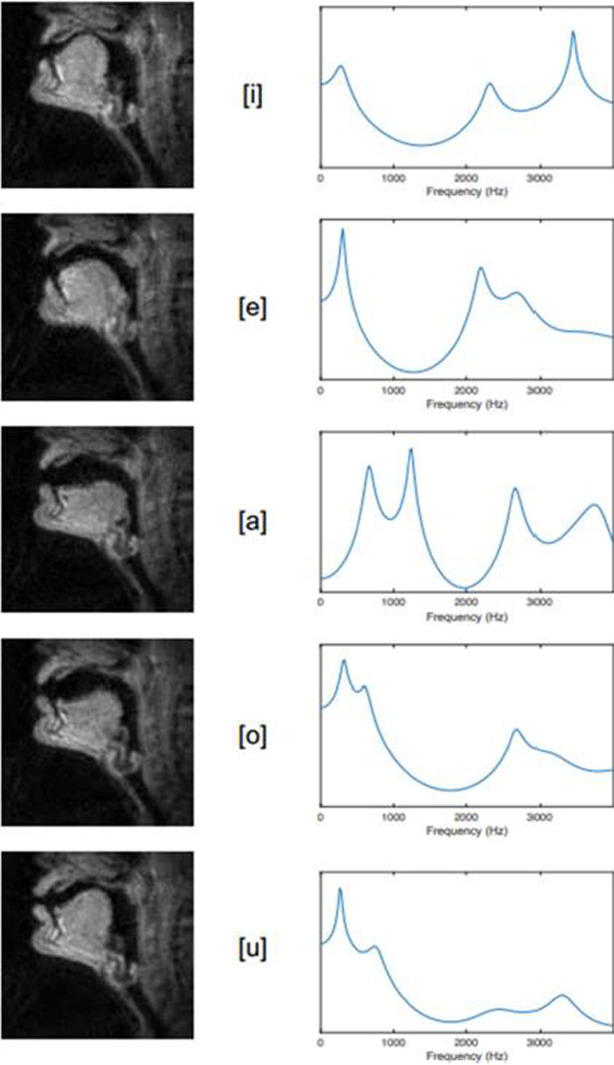 Figure 1
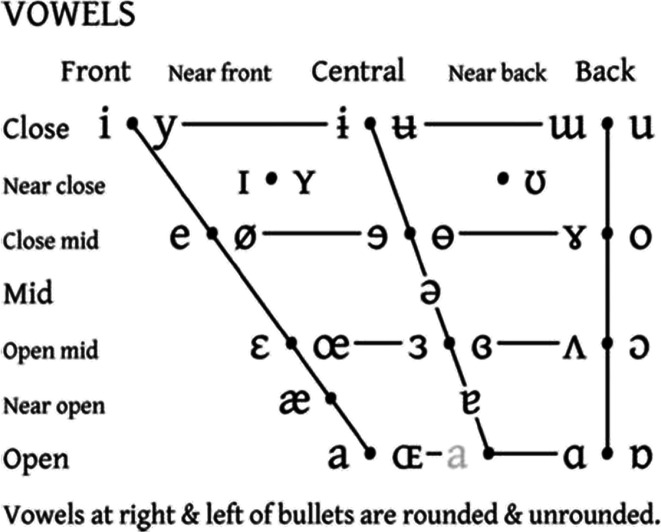 Figure 2
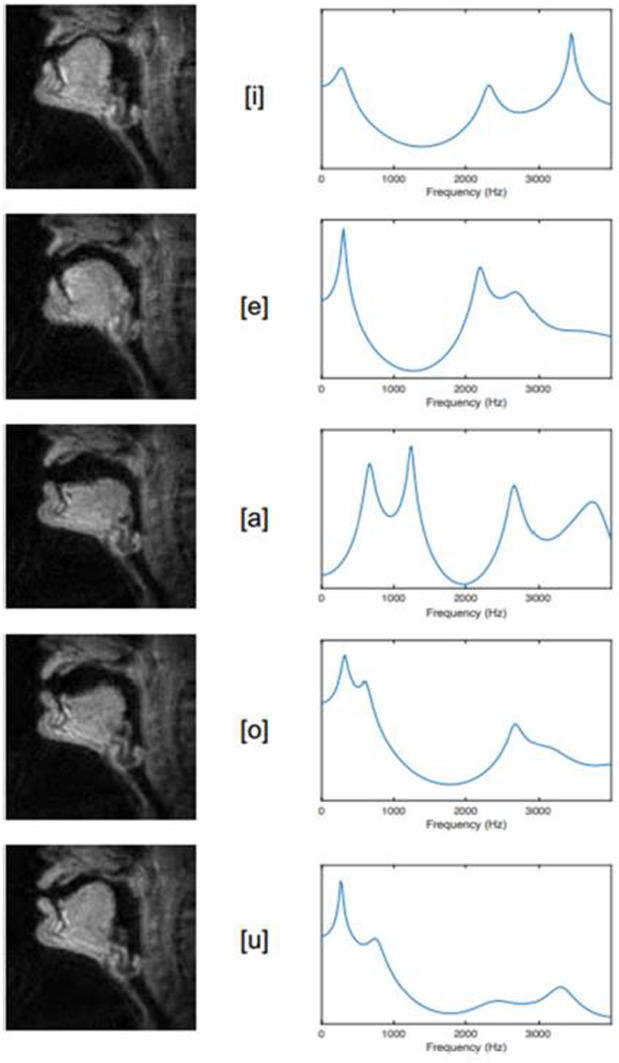 Figure 3
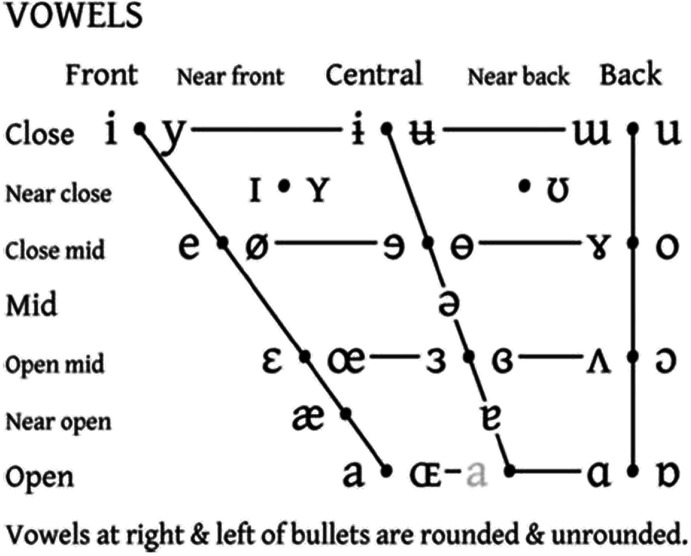 Figure 4
Peer Reviews
No public reviews on file for this paper yet. If you reviewed it on a platform where reviews are public (OpenReview, ICLR, NeurIPS, ICML), you can paste yours below so the community can read it here.
Videos
No videos yet. Explain this paper in a talk, walkthrough, or lecture? Add one.
Taxonomy
TopicsAnimal Vocal Communication and Behavior · Indigenous Studies and Ecology
Correction to: Human Nature (2025) 36:22–69
10.1007/s12110-025-09487-9
In this article the figure captions for Figs. 1 and 2 were inadvertently switched.
Fig. 1 IPA Vowel chart. The front-to-back and close-to-open dimensions denote stereotyped tongue position and degree of stricture, respectively
Fig. 2 Articulatory configurations (left), and filter functions (right) for vowel tokens /i e a o u/ as produced by an adult male German speaker
The figures should have appeared as shown below.
Fig. 1 Articulatory configurations (left), and filter functions (right) for vowel tokens /i e a o u/ as produced by an adult male German speaker
Fig. 2 IPA Vowel chart. The front-to-back and close-to-open dimensions denote stereotyped tongue position and degree of stricture, respectively