Evaluating “Conmigo, Contigo, Con Todo”: Effects of a community mental health initiative on Afro-Colombian teachers
Lina Maria Gonzalez-Ballesteros, Oscar Eduardo Gómez Cárdenas, Camila Andrea Castellanos Roncancio, Carlos Gomez-Restrepo, Mariana Vásquez-Ponce, Sebastian Fernández de Castro-González, Laura Sofia Restrepo-Escudero, Liliana Angélica Ponguta, Ana Maria Guerra

TL;DR
A mental health program for Afro-Colombian teachers in a conflict zone showed some improvement in resilience and trauma symptoms, but results are limited by small sample size.
Contribution
The study evaluates a culturally adapted mental health intervention for teachers in conflict-affected regions using mixed methods.
Findings
PTSD symptoms decreased significantly post-intervention but partially relapsed at follow-up.
Resilience improved slightly from baseline to follow-up with a small effect size.
Qualitative data showed perceived improvements in emotion regulation and compassion among participants.
Abstract
Teachers in conflict-affected regions face chronic stress and trauma exposure, compromising their mental health and professional identity. This study evaluates the effectiveness of the “Conmigo, Contigo, Con Todo” (3Cs) programme in improving resilience, compassion and prosocial behaviours among Afro-Colombian teachers in Tumaco, Colombia, through a mixed-methods cluster-randomised controlled trial. Thirty-two teachers from eight schools were randomised into intervention (n = 28) and control (n = 4) groups. Quantitative outcomes were assessed at baseline, post-intervention and follow-up using validated scales for resilience (CD-RISC), PTSD symptoms (PCL-C), anxiety, depression, compassion (ECOM) and prosocial behaviour (PPB). Qualitative data were collected through focus groups and analysed thematically. Resilience improved from baseline to follow-up (Hedges’ g = 0.23, small effect).…
Genes, proteins, chemicals, diseases, species, mutations and cell lines named across the full text — each resolved to its canonical identifier and authoritative record.
Click any figure to enlarge with its caption.
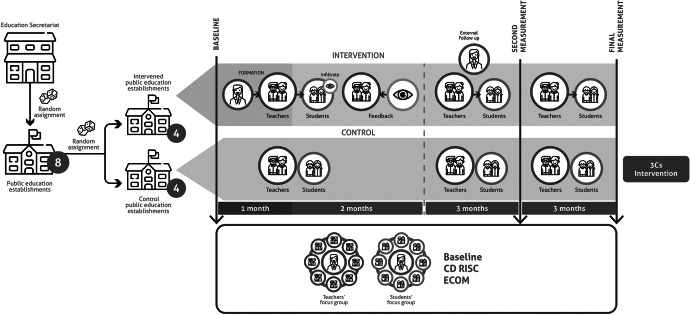 Figure 1
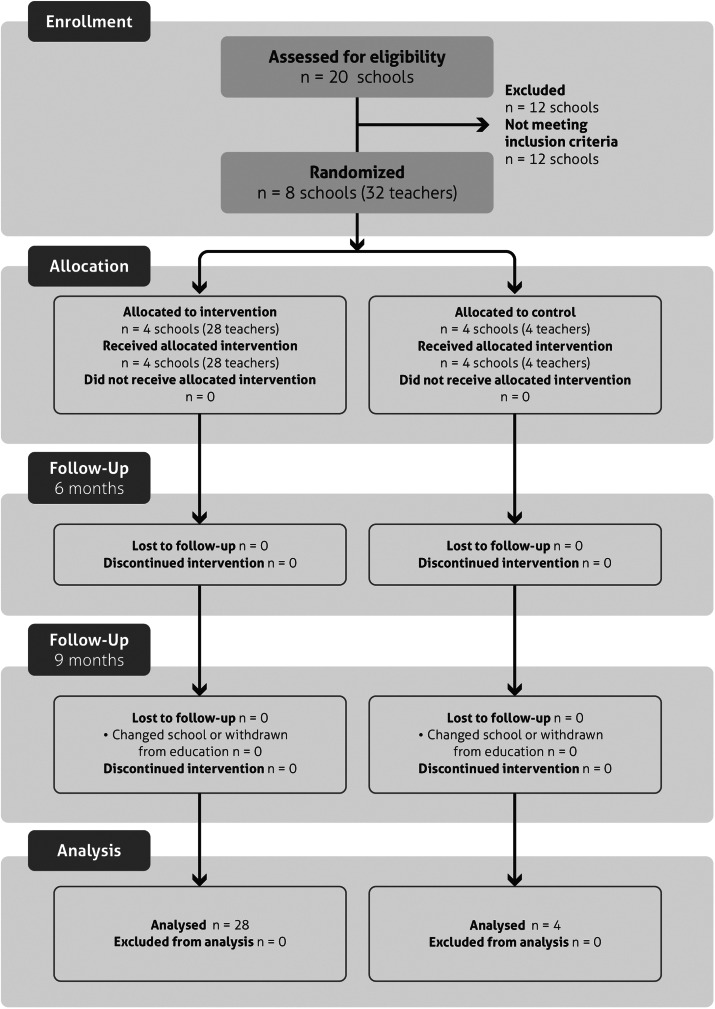 Figure 2
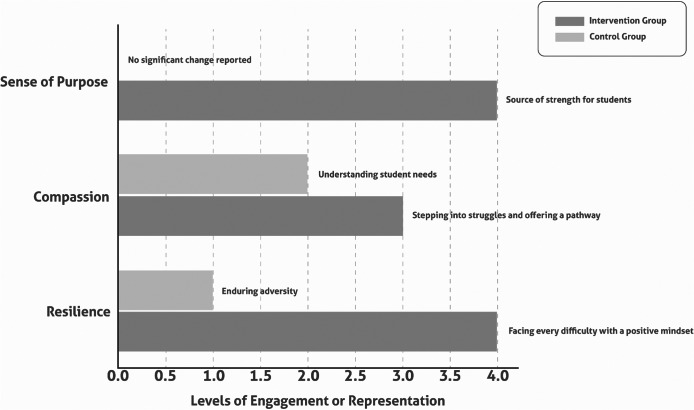 Figure 3
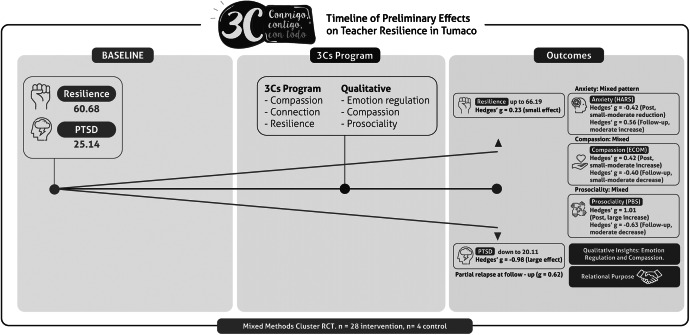 Figure 4
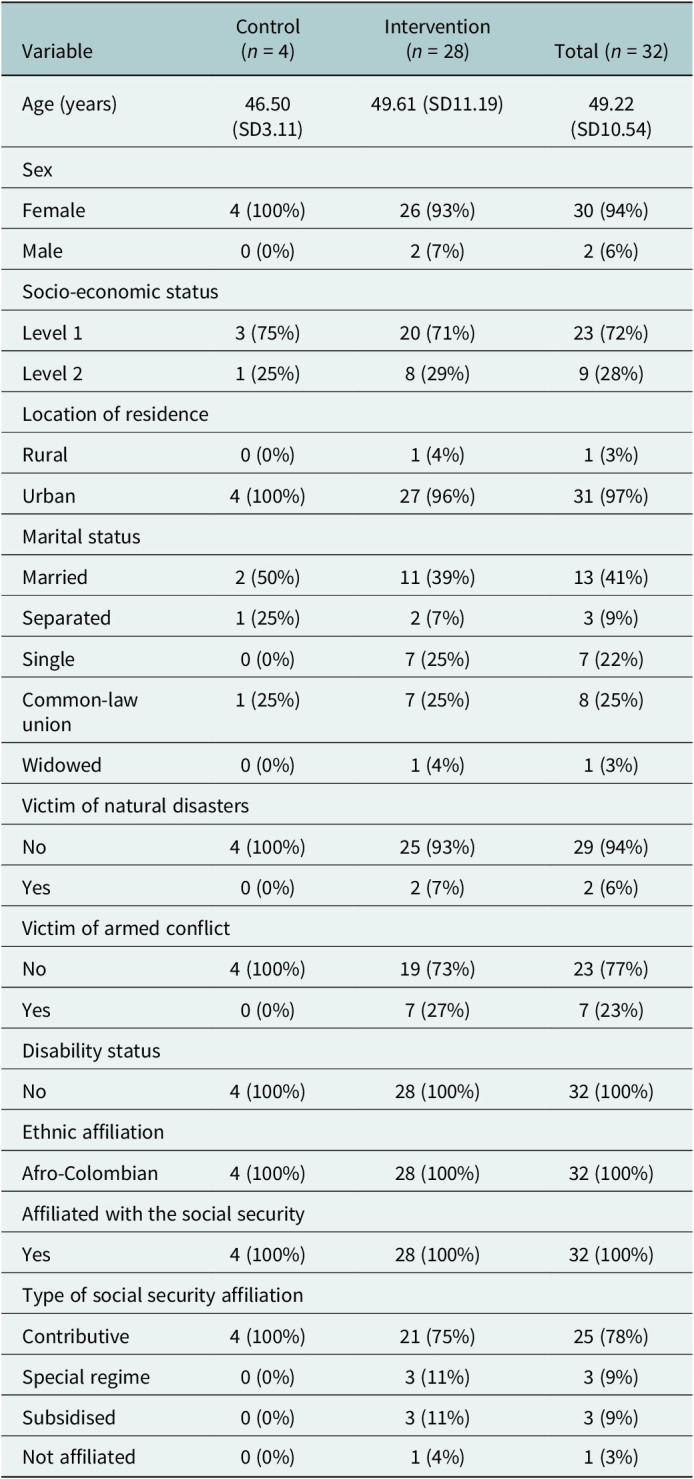 Figure 5
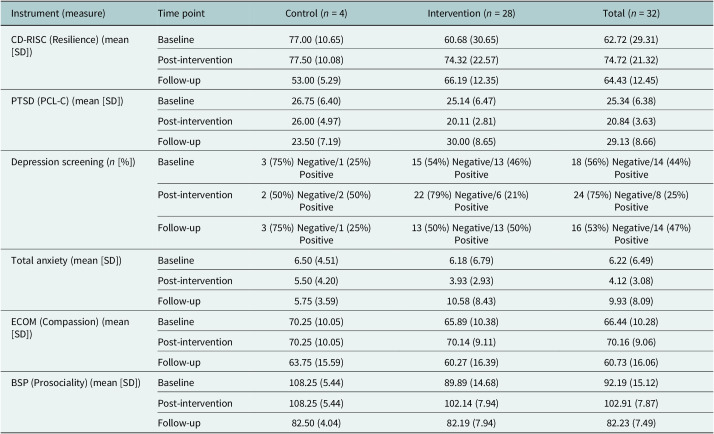 Figure 6
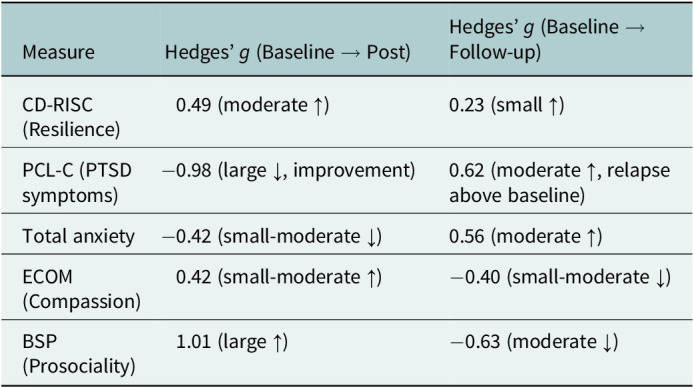 Figure 7
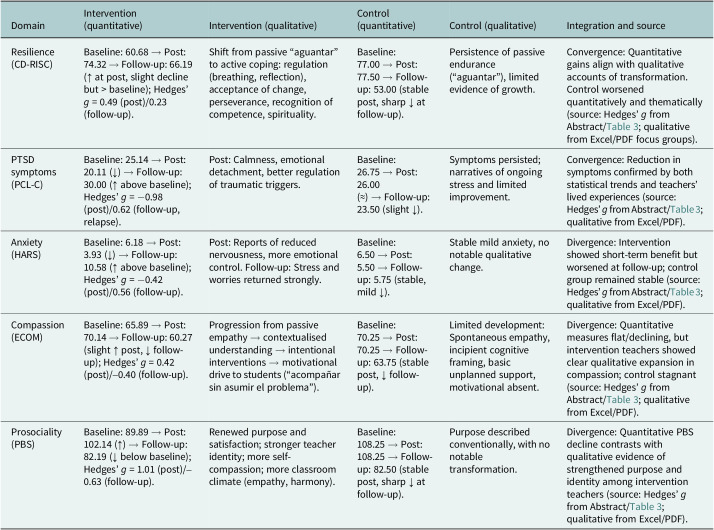 Figure 8
- —Fundación Saldarriaga Concha
Peer Reviews
No public reviews on file for this paper yet. If you reviewed it on a platform where reviews are public (OpenReview, ICLR, NeurIPS, ICML), you can paste yours below so the community can read it here.
Videos
No videos yet. Explain this paper in a talk, walkthrough, or lecture? Add one.
Taxonomy
TopicsImmigration and Intercultural Education
Impact statement
This preliminary research addresses a critical gap in mental health support for educators in conflict-affected environments, demonstrating the preliminary potential of the “Conmigo, Contigo, Con Todo” (3Cs) programme to enhance resilience and reduce trauma symptoms among Afro-Colombian teachers in Tumaco, Colombia. The findings contribute evidence for culturally adapted, school-based interventions that strengthen psychological resources and professional identity, with implications for global educational policy and humanitarian responses in low-resource settings.
The study’s mixed-methods approach shows the feasibility of rigorous evaluations in challenging contexts, providing a replicable framework for future research. This is particularly relevant for international aid organisations, educational ministries and non-governmental organisations, who can use such models to support teachers’ well-being, thereby improving student outcomes and community resilience.
From a public health perspective, the research highlights the need for integrated psychosocial interventions in crisis settings, where educators face chronic stress. Early resilience-building could prevent educational disruptions. The emphasis on compassion and task-shifting aligns with evidence-based approaches for scarce specialist care, although findings may be influenced by the 94% female sample, establishing a foundation for larger-scale studies and policies to protect educators in high-adversity environments.
Key messages
What is already known on this topic
⇒ Teachers in conflict-affected and high-adversity settings face chronic stress, trauma exposure and limited access to mental health support. Although resilience is recognised as critical for well-being and professional retention, few randomised controlled trials have rigorously evaluated interventions designed to support both teachers’ own mental health and their capacity to care for students.
What this study adds
⇒ This cluster-randomised controlled trial among Afro-Colombian teachers in Tumaco explored the preliminary potential of the “Conmigo, Contigo, Con Todo” (3Cs) programme to improve resilience and reduce post-traumatic stress disorder symptoms. Qualitative data revealed improved professional identity and compassion after the intervention. These dimensions were not fully captured by quantitative metrics.
How this study might affect research, practice or policy
⇒ The 3Cs programme offers a preliminary, scalable, culturally relevant model for strengthening teacher resilience in conflict-affected settings. These findings underscore the need for ongoing psychosocial support for teachers, reinforcing both their professional purpose and emotional well-being and informing future interventions, educational policy and mental health strategies in high-risk contexts.
Introduction
Teachers in conflict-affected settings face chronic stress, exposure to violence and institutional instability, all of which undermine their mental health and professional performance (Adebayo, 2019; Luthar and Mendes, 2020; WHO, 2022; Alarcón Garavito et al., 2023 ; Sharifian et al., 2023). In Colombia, Afro-Colombian educators in regions such as Tumaco often operate under extreme conditions of structural and interpersonal violence, racism and historical marginalisation (Mackenzie and Williams, 2018; Marroquín Rivera et al., 2020; Monsalve et al., 2020; Matos et al., 2022; Delgado Reyes et al., 2023; Rocha-Buelvas et al., 2024). Addressing teachers’ psychosocial well-being is essential to improving both education and mental health outcomes in these communities (Gómez-Restrepo et al., 2015; Sandilos et al., 2023a; Ballesteros et al., 2024).
The “Conmigo, Contigo, Con Todo” (3Cs) programme was developed as a school-based, community-informed intervention to support teachers’ resilience and compassionate practices. Grounded in cognitive-behavioural therapy, social learning theory and culturally rooted strength-based models, the programme targets personal well-being, relational skills and professional identity (León-Giraldo et al., 2023; Sandilos et al., 2023b). A prior quasi-experimental study showed positive effects on resilience and mental health indicators among parents and educators (González Ballesteros et al., 2021). The present study evaluated the impact of 3Cs on teachers’ resilience, compassion and prosocial behaviour using a mixed-methods approach. We hypothesised that the programme would enhance teachers’ psychological well-being and interpersonal skills, while also equipping them to better support students.
Methods
Study design and participants
A parallel-group cluster randomised controlled trial was conducted in Tumaco, Nariño, with eight schools assigned to intervention or control conditions. Eligible participants were teachers working full-time at the selected schools. A total of 32 teachers participated (28 in the intervention group and 4 in the control group). All participants identified as Afro-Colombian, and 23% identified as victims of armed conflict (Figures 1 and 2).Figure 1.Flowchart of the 3Cs intervention study design in schools affected by armed conflict. Eight public schools were selected and randomised into intervention (n = 4) and control (n = 4) groups. Assessments were administered to teachers and students from both groups at three time points: baseline, post-intervention (at 6 months when the intervention ended), and follow-up (at 9 months after baseline, 3 months after intervention completion). Figure 2.Consolidated Standards of Reporting Trials (CONSORT) flow diagram – mental health promotion for teachers in the Tumaco study. The diagram details the recruitment and retention of participants throughout the trial phases. All 32 teachers completed the study, with no dropouts. Detailed information on the reasons for eligibility and inclusion can be found in the online Supplementary File.
The initial sample consisted of 64 participants, of whom the following were excluded: 8 who did not meet inclusion criteria, 8 who participation declined due to institutional decisions (curricular overload) and 15 who declined due to personal workload. A total of 33 participants were randomised (n = 28 intervention, n = 4 control). The resulting imbalance in group sizes reduces power for between-group comparisons, potentially introducing selection bias.
Intervention
The 3Cs programme consisted of 10-weekly 90-min sessions led by trained facilitators, and it was designed to build individual and collective resilience. Core modules addressed emotional regulation, compassionate communication, trauma-informed pedagogy and purpose-driven teaching (Fundación Saldarriaga Concha, 2023).
Quantitative procedures
Participants completed validated scales at baseline, post-intervention and at 6- and 9-9-month follow-ups. Measures included the Connor-Davidson Resilience Scale (CD-RISC), Post-traumatic Stress Disorder Checklist-Civilian Version (PCL-C), ECOM Compassion Scale, Hamilton Anxiety Rating Scale and Prosocial Personality Battery (BSP) for prosociality (Hamilton, 1959; Weathers et al., 1993; Penner et al., 1995; Whooley et al., 1997; Connor and Davidson, 2003; López Tello and Moreno Coutiño, 2018). Quantitative analysis used descriptive statistics and standardised effect sizes to estimate changes in teacher outcomes at three timepoints: baseline, post-intervention and follow-up.
Hedges’ g was used to determine effect size, applying the J correction factor to account for small sample bias. Hedges’ g was calculated for within-group changes in the intervention arm only, due to the small control group size (n = 4), using STATA 18 (Lu et al., 2024). All analyses were conducted using STATA 18 (StataCorp, 2024).
Qualitative procedures
Focus groups were conducted with intervention and control participants at follow-up. Data were transcribed and analysed using thematic analysis via NVivo 14 (Lumivero, 2023). Saturation was assessed using the model developed by Guest et al. (2020). Thematic analysis involved mixed inductive-deductive coding by three researchers (L.G.-B., C.C.-R. and M.V.-P.), with disagreements resolved through consensus meetings. Saturation was confirmed as per Guest et al. (2020), ensuring comprehensive theme coverage. Triangulation followed a multiple integration design, aligning qualitative themes (e.g., emotional regulation and compassion) with quantitative trends (e.g., Hedges’ g values) as detailed in Supplementary Table S1.
Results
Sociodemographic characteristics
Participants were predominantly female (94%, n = 30) with a mean age of 49.22 years (standard deviation [SD] = 10.54). All participants identified as Afro-Colombian and urban-based (97%). Most participants reported low socio-economic status, and 23% self-identified as victims of armed conflict (Table 1). The sample imbalance (n = 28 intervention, n = 4 control) reflects a reduction from an initial pool of 64 teachers, with exclusions due to 8 non-focalized participants, 8 declines from institutional decisions (curricular overload) and 15 rejections due to workload, limiting statistical power for between-group comparisons and potentially introducing selection bias. Additionally, the 94% female composition may influence findings, particularly compassion-related outcomes, warranting caution in generalising to male teachers.Table 1.Sociodemographic characteristics of participants (n = 32)VariableControl (n = 4)Intervention (n = 28)Total (n = 32)Age (years)46.50 (SD3.11)49.61 (SD11.19)49.22 (SD10.54)SexFemale4 (100%)26 (93%)30 (94%)Male0 (0%)2 (7%)2 (6%)Socio-economic statusLevel 13 (75%)20 (71%)23 (72%)Level 21 (25%)8 (29%)9 (28%)Location of residenceRural0 (0%)1 (4%)1 (3%)Urban4 (100%)27 (96%)31 (97%)Marital statusMarried2 (50%)11 (39%)13 (41%)Separated1 (25%)2 (7%)3 (9%)Single0 (0%)7 (25%)7 (22%)Common-law union1 (25%)7 (25%)8 (25%)Widowed0 (0%)1 (4%)1 (3%)Victim of natural disastersNo4 (100%)25 (93%)29 (94%)Yes0 (0%)2 (7%)2 (6%)Victim of armed conflictNo4 (100%)19 (73%)23 (77%)Yes0 (0%)7 (27%)7 (23%)Disability statusNo4 (100%)28 (100%)32 (100%)Ethnic affiliationAfro-Colombian4 (100%)28 (100%)32 (100%)Affiliated with the social securityYes4 (100%)28 (100%)32 (100%)Type of social security affiliationContributive4 (100%)21 (75%)25 (78%)Special regime0 (0%)3 (11%)3 (9%)Subsidised0 (0%)3 (11%)3 (9%)Not affiliated0 (0%)1 (4%)1 (3%) Note: Values are presented as mean (SD) for continuous variables and frequency (%) for categorical variables. Due to the small size of the control group, no formal significance testing was applied. Percentages are rounded to the nearest whole number.
Quantitative findings
At follow-up, resilience improved in the intervention group (66.19 [12.35]) and declined in controls (53.00 [5.29]), with no formal statistical testing due to the small control group size (n = 4). PTSD symptoms were lower in the intervention group both post-intervention (20.11 [2.81]) and at follow-up, compared to controls (post: 26.00 [4.97]; follow-up: 30.00 [8.65]), with a very large effect size (Hedges’ g = −0.98) within the intervention group (baseline: 25.14 [6.47] to post: 20.11 [2.81]). A partial relapse was observed at follow-up (g = 0.62 from post to follow-up).
Anxiety scores declined post-intervention (6.18 [6.79] to 3.93 [2.93]) but increased at follow-up (10.58 [8.43]) within the intervention group, with Hedges’ g = −0.42 (baseline to post, small-moderate reduction) and g = 0.56 (baseline to follow-up, moderate increase). Compassion (ECOM) and prosociality (BSP) scores remained relatively stable within the intervention group, with Hedges’ g = 0.42 (baseline to post, small-moderate increase) and −0.40 (baseline to follow-up, small-moderate decrease) for compassion and g = 1.01 (baseline to post, large increase) and −0.63 (baseline to follow-up, moderate decrease) for prosociality. No formal between-group comparisons were conducted due to the small control group, but trends are discussed narratively. The full results across all time points are presented in Tables 2 and 3. The full results across all time points are presented in Tables 2 and 3.Table 2.Results of measurement instruments by group and total for baseline, post-intervention and follow-up (6 and 9 months)Instrument (measure)Time pointControl (n = 4)Intervention (n = 28)Total (n = 32)CD-RISC (Resilience) (mean [SD])Baseline77.00 (10.65)60.68 (30.65)62.72 (29.31)Post-intervention77.50 (10.08)74.32 (22.57)74.72 (21.32)Follow-up53.00 (5.29)66.19 (12.35)64.43 (12.45)PTSD (PCL-C) (mean [SD])Baseline26.75 (6.40)25.14 (6.47)25.34 (6.38)Post-intervention26.00 (4.97)20.11 (2.81)20.84 (3.63)Follow-up23.50 (7.19)30.00 (8.65)29.13 (8.66)Depression screening (n [%])Baseline3 (75%) Negative/1 (25%) Positive15 (54%) Negative/13 (46%) Positive18 (56%) Negative/14 (44%) PositivePost-intervention2 (50%) Negative/2 (50%) Positive22 (79%) Negative/6 (21%) Positive24 (75%) Negative/8 (25%) PositiveFollow-up3 (75%) Negative/1 (25%) Positive13 (50%) Negative/13 (50%) Positive16 (53%) Negative/14 (47%) PositiveTotal anxiety (mean [SD])Baseline6.50 (4.51)6.18 (6.79)6.22 (6.49)Post-intervention5.50 (4.20)3.93 (2.93)4.12 (3.08)Follow-up5.75 (3.59)10.58 (8.43)9.93 (8.09)ECOM (Compassion) (mean [SD])Baseline70.25 (10.05)65.89 (10.38)66.44 (10.28)Post-intervention70.25 (10.05)70.14 (9.11)70.16 (9.06)Follow-up63.75 (15.59)60.27 (16.39)60.73 (16.06)BSP (Prosociality) (mean [SD])Baseline108.25 (5.44)89.89 (14.68)92.19 (15.12)Post-intervention108.25 (5.44)102.14 (7.94)102.91 (7.87)Follow-up82.50 (4.04)82.19 (7.94)82.23 (7.49) Note: The results are presented as mean (SD) for continuous variables and frequency (percentage) for categorical variables. Because of the small sample size in the control group and the cluster-randomised design, statistical significance testing (p-values) was not conducted. Trends and group comparisons are discussed narratively in the Results section. Table 3.Estimated impact of the 3Cs programme: standardised effects (Hedges’ g)MeasureHedges’ g (Baseline → Post)Hedges’ g (Baseline → Follow-up)CD-RISC (Resilience)0.49 (moderate ↑)0.23 (small ↑)PCL-C (PTSD symptoms)−0.98 (large ↓, improvement)0.62 (moderate ↑, relapse above baseline)Total anxiety−0.42 (small-moderate ↓)0.56 (moderate ↑)ECOM (Compassion)0.42 (small-moderate ↑)−0.40 (small-moderate ↓)BSP (Prosociality)1.01 (large ↑)−0.63 (moderate ↓)
In Table 3, Hedges’ g was calculated using the pooled SD at follow-up and corrected for small sample bias. No difference-in-differences analysis was applied due to non-parallel pre-trends.
Qualitative findings
Teachers described resilience as an active, transformative skill enabling them to model strength for students. Intervention participants expressed compassion as action, not sentiment, framing it as offering pathways through students’ challenges. The programme also appeared to enhance professional purpose: participants reported feeling reconnected to their role as educators and mentors.
Control group participants described resilience more passively and showed little change in their sense of role or purpose (Figure 3).Figure 3.Thematic comparison of resilience, compassion and purpose between intervention and control groups. This chart compares qualitative themes of resilience, compassion and sense of purpose across intervention (n = 28) and control (n = 4) groups, categorising engagement levels as passive, neutral, active and transformative. Representative quotes highlight differences: Resilience – Intervention: “Facing every difficulty with a positive mindset” versus Control: “Enduring adversity”; Compassion – Intervention: “Stepping into struggles and offering a pathway” versus Control: “Understanding student needs”; Sense of purpose – Intervention: “Source of strength for students” versus Control: “Little change in role.” Note: Qualitative data from the intervention reflect higher engagement due to programme impact, limited by small control size.
Triangulated summary
Convergences included improved resilience and PTSD symptoms across both data types (Table 4). In the case of compassion and purpose, qualitative data suggested growth that was not detected by the quantitative measures. These findings underscore the value of combining methods in high-adversity research. Divergences were noted: quantitative stability in compassion (ECOM) and prosociality (BSP) contrasted with qualitative reports of enhanced purpose and action-based compassion, likely due to the small sample size (n = 32) and group imbalance (n = 4 control), limiting statistical power. This highlights the need for larger studies to validate findings.Table 4.Joint display of mixed-methods findings: triangulation of resilience, PTSD, compassion and purposeDomainIntervention (quantitative)Intervention (qualitative)Control (quantitative)Control (qualitative)Integration and sourceResilience (CD-RISC)Baseline: 60.68 → Post: 74.32 → Follow-up: 66.19 (↑ at post, slight decline but > baseline); Hedges’ g = 0.49 (post)/0.23 (follow-up).Shift from passive “aguantar” to active coping: regulation (breathing, reflection), acceptance of change, perseverance, recognition of competence, spirituality.Baseline: 77.00 → Post: 77.50 → Follow-up: 53.00 (stable post, sharp ↓ at follow-up).Persistence of passive endurance (“aguantar”), limited evidence of growth.Convergence: Quantitative gains align with qualitative accounts of transformation. Control worsened quantitatively and thematically (source: Hedges’ g from Abstract/Table 3; qualitative from Excel/PDF focus groups).PTSD symptoms (PCL-C)Baseline: 25.14 → Post: 20.11 (↓) → Follow-up: 30.00 (↑ above baseline); Hedges’ g = −0.98 (post)/0.62 (follow-up, relapse).Post: Calmness, emotional detachment, better regulation of traumatic triggers.Baseline: 26.75 → Post: 26.00 (≈) → Follow-up: 23.50 (slight ↓).Symptoms persisted; narratives of ongoing stress and limited improvement.Convergence: Reduction in symptoms confirmed by both statistical trends and teachers’ lived experiences (source: Hedges’ g from Abstract/Table 3; qualitative from Excel/PDF).Anxiety (HARS)Baseline: 6.18 → Post: 3.93 (↓) → Follow-up: 10.58 (↑ above baseline); Hedges’ g = −0.42 (post)/0.56 (follow-up).Post: Reports of reduced nervousness, more emotional control. Follow-up: Stress and worries returned strongly.Baseline: 6.50 → Post: 5.50 → Follow-up: 5.75 (stable, mild ↓).Stable mild anxiety, no notable qualitative change.Divergence: Intervention showed short-term benefit but worsened at follow-up; control group remained stable (source: Hedges’ g from Abstract/Table 3; qualitative from Excel/PDF).Compassion (ECOM)Baseline: 65.89 → Post: 70.14 → Follow-up: 60.27 (slight ↑ post, ↓ follow-up); Hedges’ g = 0.42 (post)/–0.40 (follow-up).Progression from passive empathy → contextualised understanding → intentional interventions → motivational drive to students (“acompañar sin asumir el problema”).Baseline: 70.25 → Post: 70.25 → Follow-up: 63.75 (stable post, ↓ follow-up).Limited development: Spontaneous empathy, incipient cognitive framing, basic unplanned support, motivational absent.Divergence: Quantitative measures flat/declining, but intervention teachers showed clear qualitative expansion in compassion; control stagnant (source: Hedges’ g from Abstract/Table 3; qualitative from Excel/PDF).Prosociality (PBS)Baseline: 89.89 → Post: 102.14 (↑) → Follow-up: 82.19 (↓ below baseline); Hedges’ g = 1.01 (post)/–0.63 (follow-up).Renewed purpose and satisfaction; stronger teacher identity; more self-compassion; more classroom climate (empathy, harmony).Baseline: 108.25 → Post: 108.25 → Follow-up: 82.50 (stable post, sharp ↓ at follow-up).Purpose described conventionally, with no notable transformation.Divergence: Quantitative PBS decline contrasts with qualitative evidence of strengthened purpose and identity among intervention teachers (source: Hedges’ g from Abstract/Table 3; qualitative from Excel/PDF).
Table 4 presents quantitative and qualitative findings for intervention and control groups across resilience, PTSD, anxiety, compassion and prosociality. Convergence occurred for resilience (intervention gains and control decline) and PTSD at post-programme (intervention relief and control stable). Divergence was marked for compassion and prosociality: quantitative scores declined, while qualitative narratives highlighted significant growth in intervention teachers. Anxiety improved post-intervention but worsened at follow-up, while the control group remained stable. Given the imbalance in group sizes (intervention n = 28; control n = 4), between-group contrasts are illustrative only and should be interpreted with caution. The table compares quantitative results and qualitative themes across four outcome domains, highlighting areas of convergence and instances where limited quantitative evidence may reflect sample size constraints. Qualitative insights enrich the interpretation of changes not fully captured by standardised measures. This table presents quantitative findings (Hedges’ g from Tables 2 and 3 at follow-up) and qualitative themes (from Excel/PDF focus groups) across resilience, PTSD, anxiety, compassion and prosociality, highlighting convergences (e.g., resilience gains at follow-up, g = 0.23; PTSD relief at post, g = −0.98) and divergences (e.g., compassion and prosociality: qualitative growth vs. quantitative decline at follow-up, g = −0.40, −0.63). The small control group size (n = 4) and imbalance with the intervention group (n = 28) limit between-group comparisons, reducing statistical power and internal validity. Qualitative data enhance understanding of changes not fully detected by standardised measures, underscoring the need for larger studies to validate findings.
Discussion
The findings of the current study highlight the preliminary potential of the 3Cs programme to enhance teachers’ well-being in high-adversity contexts. Quantitative results showed a tendency to an increase in resilience and a reduction in PTSD symptoms following the intervention, as supported by mixed-effects regression models showing a significant group-time interaction for resilience at follow-up (p = 0.018). The patterns observed were supported by qualitative accounts in which teachers described resilience as a proactive skill, tied to modelling and mentoring behaviour in their classrooms. These findings are consistent with resilience frameworks and prior evaluations of psychosocial interventions in conflict-affected settings (Matos et al., 2022; Lu et al., 2024).
The absence of quantitative change in compassion and prosociality may reflect methodological constraints. The small sample size and unbalanced group allocation limited the statistical power of our analysis, rendering many quantitative comparisons anecdotal. Qualitative narratives, however, provided rich descriptions of compassionate action and renewed purpose among teachers following the intervention, providing indicators of psychosocial growth that were not fully captured by existing instruments (Requejo-Fraile, 2019; Liao et al., 2023).
Teachers described compassion as stepping into students’ struggles and purpose as a reaffirmed identity as supportive educators, both of which may manifest as behavioural changes that standardised tools are not calibrated to detect. These insights highlight the need for culturally sensitive instruments that reflect context-specific expressions of affect and behaviour (Kutcher et al., 2015; Liao et al., 2023).
The observed shifts in identity and relational engagement align with a theory of change that is grounded in emotional safety, cognitive reframing and relational repair (Hart and Colo, 2014; Glumbíková and Gojová, 2020). Educators who are exposed to chronic adversity often experience erosion of purpose and burnout (Matos et al., 2022; Lu et al., 2024). The 3Cs programme addressed these challenges by fostering resilience and compassionate agency – both protective factors for educators and their communities.
Previous evidence suggests that booster sessions may be essential to sustaining programme effects. Studies on educator resilience training in conflict zones have reported that ongoing support strengthens coping and prevents decay of gains over time (Kangas-Dick and O’Shaughnessy, 2020; Ungar and Jefferies, 2021). This is particularly relevant in Tumaco, where prolonged violence continues to affect teacher stability and student well-being (3, 5, 26).
Strengths and limitations
The small control group and imbalance in cluster randomisation may have introduced bias and limited the internal validity and generalisability of the study. Self-reported data may be influenced by social desirability bias, and the gender imbalance in the sample may also have affected outcomes. Nevertheless, integration of qualitative findings strengthened interpretation and provided insight into mechanisms of change. Future studies should include larger samples and longer-term follow-up. Additionally, the initial sample of 64 was reduced to 32 due to exclusions (8 non-focalized, 8 institutional declines and 15 workload rejections), further constraining statistical power. Hedges’ g values are preliminary pending raw data validation, and the 94% female sample may amplify compassion outcomes.
Conclusions
The 3Cs programme demonstrated preliminary promising effects in strengthening resilience and reducing PTSD symptoms among Afro-Colombian teachers in Tumaco. Qualitative results further revealed growth in compassion and professional identity. These outcomes point to the value of culturally adapted, resilience-focused interventions for educators in high-stress settings. Future research should investigate sustainability, preliminary scalability and the development of appropriate assessment tools to capture contextually grounded change.
Supporting information
10.1017/gmh.2025.10074.sm001Gonzalez-Ballesteros et al. supplementary materialGonzalez-Ballesteros et al. supplementary material
The reference list from the paper itself. Each links out to its DOI / PubMed record.
- 1Adebayo SB (2019) Emerging perspectives of teacher agency in a post-conflict setting: The case of Liberia. Teaching and Teacher Education 86, 102928. 10.1016/j.tate.2019.102928. · doi ↗
- 2Alarcón Garavito GA, Burgess R, Dedios Sanguinetti MC, Peters LER and Vera San Juan N (2023) Mental health services implementation in Colombia: A systematic review. PLOS Global Public Health 3(12), e 0001565. 10.1371/journal.pgph.0001565.38055705 PMC 10699609 · doi ↗ · pubmed ↗
- 3Ballesteros LMG, Mojica LE, Marín JC, Ortiz AF, Ponce MV, Pérez-Lalinde S, Sanabria NL, Silva LMC and Álvarez AC (2024) Mental health promotion in victims of Colombian armed conflict: A scoping review. med Rxiv 2024-10. 10.1101/2024.10.17.24315704. · doi ↗
- 4Connor KM and Davidson JRT (2003) Development of a new resilience scale: The Connor-Davidson resilience scale (CD-RISC). Depression and Anxiety 18(2), 76–82. 10.1002/da.10113.12964174 · doi ↗ · pubmed ↗
- 5Delgado Reyes AC, González Carreño V and Carreño Bustamante MT (2023) Atención en salud mental en víctimas del conflicto armado: Una reflexión crítica entre lo escrito y lo realizado [mental health care for victims of armed conflict: Aa critical reflection between what is written and what is done]. Psicoespacios 17(31). 10.25057/21452776.1573. · doi ↗
- 6Fundación Saldarriaga Concha (2023) Conmigo, Contigo, Con Todo – 3C Modelo de Resiliencia Y Compasión Como Camino a la Inclusión. Bogotá: Fundación Saldarriaga Concha.
- 7Glumbíková K and Gojová A (2020) Transformation of the identity of homeless women with an experience of domestic violence: Changing from a victim to a survivor: An example from shelters for mothers in the Czech Republic. Journal of Social Work Practice 34(2), 151–162. 10.1080/02650533.2019.1567479. · doi ↗
- 8Gómez-Restrepo C, Escudero C, González L, Matallana D, Rodríguez M and Bohórquez A (2015) Encuesta Nacional de Salud Mental. Bogotá: Ministerio de Salud y Protección Social.