The Biella paradox: the resilience of plant foraging in a post-industrial pre-alpine area of Northern Italy
Mousaab Alrhmoun, Naji Sulaiman, Sofia Villa, Michele Filippo Fontefrancesco, Andrea Pieroni

TL;DR
This study examines how wild plant foraging in Biella, Italy, has changed over 55 years, showing resilience and adaptation despite cultural and economic shifts.
Contribution
The study reveals how socio-economic and environmental changes have influenced ethnobotanical practices in a post-industrial pre-alpine region.
Findings
Certain traditionally foraged plants have disappeared due to socio-economic changes, not ecological absence.
New foraging practices have emerged involving species near settlements due to lifestyle and land use changes.
Traditional ecological knowledge in Biella is relatively well-preserved compared to other Alpine areas.
Abstract
This study explores the continuity and transformation of wild plant foraging practices in Biella, Piedmont (northwestern Italy), over the past 55 years. The aim was to assess how cultural, economic, and environmental shifts have shaped local ethnobotanical knowledge and practices, using a 1970 survey as a baseline for comparison. Ethnobotanical fieldwork was conducted with 15 local informants to document current wild plant uses for food and herbal teas. The resulting dataset of 82 species was compared with a historical record of 93 species to identify patterns of continuity, loss, and innovation. Three main patterns emerged: (1) the disappearance of certain traditionally foraged plants, not due to ecological absence but largely because of socio-economic changes like the decline of pastoralism and the loss of daily interaction with mountain environments (2) the emergence of new foraging…
Genes, proteins, chemicals, diseases, species, mutations and cell lines named across the full text — each resolved to its canonical identifier and authoritative record.
Click any figure to enlarge with its caption.
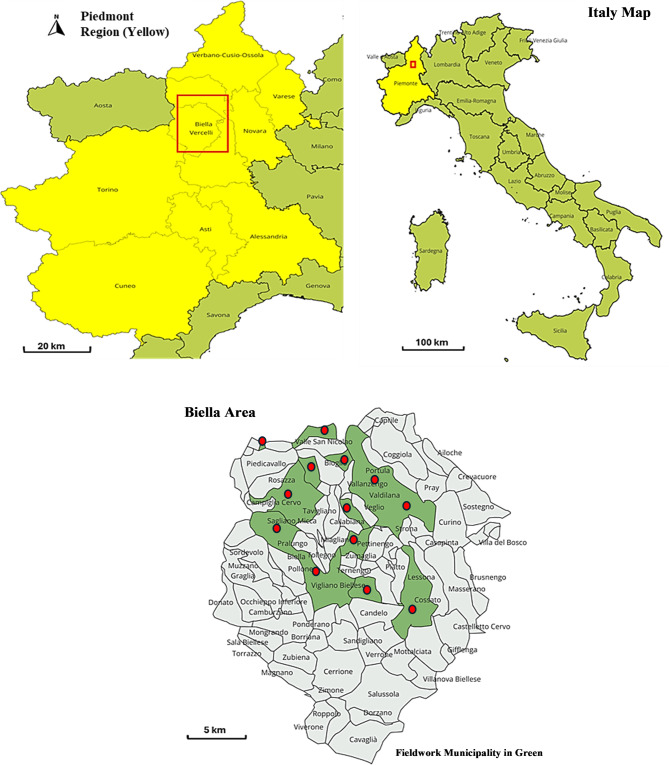 Figure 1
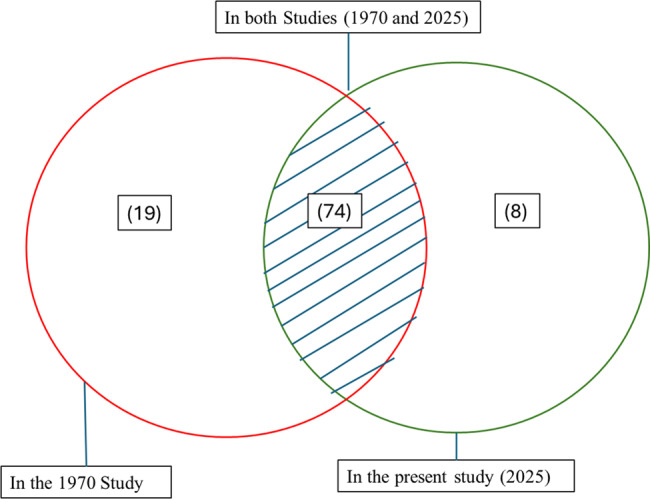 Figure 2
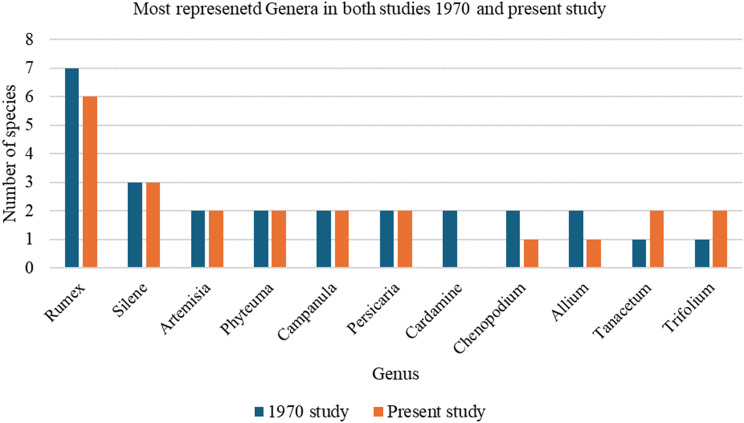 Figure 3
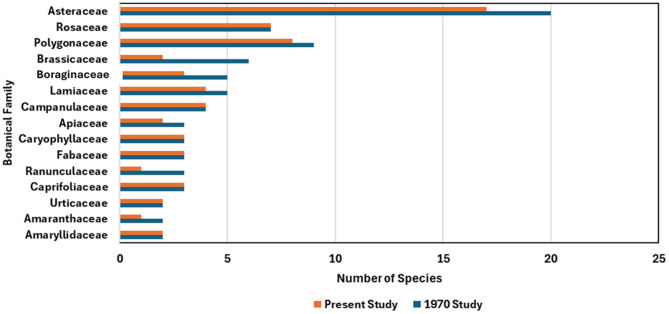 Figure 4
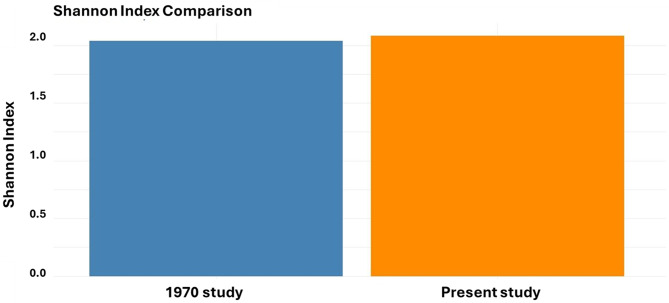 Figure 5
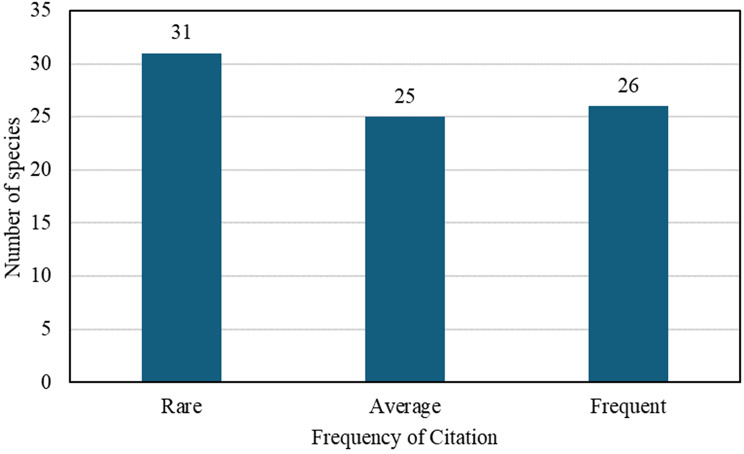 Figure 6
Peer Reviews
No public reviews on file for this paper yet. If you reviewed it on a platform where reviews are public (OpenReview, ICLR, NeurIPS, ICML), you can paste yours below so the community can read it here.
Videos
No videos yet. Explain this paper in a talk, walkthrough, or lecture? Add one.
Taxonomy
TopicsLand Use and Ecosystem Services · Landscape and Cultural Studies · Environmental and Cultural Studies in Latin America and Beyond
Background
Traditional Ecological Knowledge (TEK) plays a crucial role in the resilience of mountain communities, where human–nature relationships are often shaped by ecological constraints, remoteness, and socio-political marginalization. In such regions, traditional ecological knowledge is not merely a cultural remnant but a living system that adapts to change while anchoring communities to their environments (Alrhmoun et al. 2025a, b; Collantes and Pinilla 2004; Mattalia et al. 2023). In mountain contexts, this knowledge has often been transmitted orally and practiced through necessity, particularly during times of scarcity. Beyond survival, the foraging, preparation, and use of wild plants reveal intricate connections between ecosystems, memory, and community practices (Pieroni and Giusti 2009; Ladio 2017).
However, this knowledge is not static. It evolves or sometimes erodes in response to broader socio-economic transformations such as migration, land use changes, and shifting dietary habits (Sulaiman et al. 2023; 2024). In some cases, marginality itself has paradoxically helped preserve traditional ecological knowledge, as demonstrated in the Sangone Valley of the Italian Alps, where traditional ecological knowledge has endured despite being commodified through tourism (Fontefrancesco and Pieroni 2020). Migration, changes in land use, and shifts in dietary habits have all contributed to the discontinuation or reinvention of plant use (Mattalia et al. 2023). Yet, this erosion is uneven. In some contexts, traditional ecological knowledge is actively maintained or even revitalized, influenced by factors such as community cohesion, local pride, or new forms of valuation like culinary tourism and wellness trends.
Motivations for wild plant gathering also play a role in shaping knowledge continuity. People may forage for food security, medicinal purposes, cultural heritage, or simply for recreational and aesthetic enjoyment. These drivers reflect different levels of knowledge depth and types of engagement with the landscape. In Europe, wild food plants are often gathered by women, and gathering practices are frequently embedded in broader household economies and values.
The Biella province in Northern Italy presents a compelling setting to explore these dynamics. Nestled in the Alps, Biella is known for both its rich natural landscapes and its industrial textile history. The area has experienced significant socio-economic shifts over the past decades, from industrial prosperity to economic restructuring and demographic changes. Despite this, foraging traditions have remained a part of local identity, particularly in mountainous areas of the province (Vinai and Sulis 2017). This dual identity of Biella as both an industrial and mountain territory offers a unique lens for examining the persistence and transformation of plant knowledge (Sella, 1970s).
In the 1970s, a local scholar, Professor Ezio Sella, conducted a detailed ethnobotanical study documenting the wild food plants used in the Biella area. Building on Sella’s work, this study explores the evolution of wild plant knowledge in Biella by comparing past and present data. Through a combination of historical records, ethnobotanical interviews, and participatory research, we aim to understand which plants are still known and used, how preparation and gathering practices have changed, and what these reveal about cultural resilience, innovation, and memory in a rapidly transforming socio-ecological landscape.
Materials and methods
Fieldwork and data collection
This study employs a qualitative ethnobotanical approach to investigate the persistence and transmission of wild plant knowledge in the Biellese area (Piedmont, NW Italy) (Fig. 1). Fieldwork was carried out from December 2024 to February 2025 in many municipalities chosen to reflect the province’s varied ecological and cultural landscapes. These sites span a spectrum from lowland and foothill towns such as Biella, Cossato, and Pettinengo to mid-mountain settlements like Mosso and Camandona, and extend to high-altitude or Walser-rooted villages, including Rassa, Rimella, and Campiglia Cervo (Fig. 1).Fig. 1. Study area map showing fieldwork sites (in green) and the municipalities of the biellese area, Italy. The first author created this map using QGIS version 3.40.6
This study builds on Sella’s study: Flora Popolare Biellese, which documented local wild plants used for culinary and medicinal purposes. The ethnobotanical prospection in the Biella area was conducted in the 1970s, with the results subsequently published by Sella (1992).
We focused specifically on plants with gastronomic significance, reflecting the cultural value of wild flora in Biella. Informants were selected through snowball sampling, starting with those known for their foraging or subsistence knowledge.
A total of 15 participants (11 women and 4 men), ranging from 30 to 85 years old, were interviewed. Thirteen participants were long-term residents of rural or mountainous areas, while two urban dwellers maintained strong familial links to foraging traditions.
Participants exhibited diverse educational backgrounds, from primary to upper secondary levels. Most older informants (born before 1960) recalled periods of rural hardship or post-war subsistence, thus preserving rich, experiential plant knowledge, a profile that included retired farmers, shepherds, and housewives. Meanwhile, a few younger informants (aged 30–50) displayed a revivalist interest in wild plants, frequently motivated by personal hobbies, ecological activism, or affiliations with local botanical and cultural associations.
Data were collected through semi-structured interviews, allowing for an in-depth exploration of informants’ knowledge, experiences, and cultural practices related to wild plant foraging. Interviews were open-ended and encouraged participants to share details about plant names primarily folk names, while scientific names were assigned by the research team based on these folk identifications, along with harvesting practices, preparation methods, and the social contexts in which this knowledge was acquired and transmitted. Particular attention was given to sources of knowledge transmission, including intergenerational learning, local literature, and community-based initiatives. As the study progressed, interviews were complemented by participant observation. Informants were invited to lead foraging walks in their local environments, offering direct insights into plant identification, gathering habits, and ecological awareness in situ. All interviews were conducted in Italian and subsequently transcribed for thematic and comparative analysis.
To ensure taxonomic accuracy, scientific names of wild plants cited in both historical and contemporary sources were verified using authoritative databases such as Flora Europaea, along with standard floristic guides. Plant identification was further supported by specimens previously collected, classified, and deposited in regional herbaria during prior ethnobotanical fieldwork conducted in the Western Alps (Fontefrancesco and Pieroni 2020; Fontefrancesco et al. 2022).
Data analysis
Thematic analysis was performed to analyze the collected data by focusing on key themes such as the persistence of plant knowledge, generational transmission, and the socio-cultural and ecological factors influencing foraging practices.
The statistical analysis aimed to explore the continuity and change in local herbal knowledge regarding wild plant species in Biella. The analysis compared the presence and use of plants between the 1970 study by Sella and the present study, using descriptive and inferential statistical methods implemented in SAS 9.4 and R version 4.4.3.
Descriptive statistics were calculated to summarize the frequency of species reported in both the 1970 and current studies, as well as the local uses and the corresponding local names. The frequency of plant species presence across the two time periods was summarized using PROC FREQ in SAS 9.4, while the diversity of knowledge was explored using the Shannon Index in R. These indices helped quantify the diversity of plants known and used in the Biellese region, considering the variety of local uses and species richness. A Venn diagram was used to visualize the overlap between the 1970 and current studies, showing the plants that were consistently reported, lost, or newly introduced. The diagram emphasized the species consistently reported in both periods, indicating strong retention of traditional herbal knowledge. This approach highlighted how some species reported by Sella were no longer recognized, while others had been newly added by informants or recent sources.
Hierarchical cluster analysis was used to identify groups of plants that were similarly used across the two study periods. The analysis helped reveal whether any new patterns of plant parts use had emerged or if traditional plant knowledge had remained consistent over time.
Special attention was paid to how the informants’ recollections and current practices related to the plants identified in Sella’s 1970s survey. Comparisons were drawn between past and present plant knowledge, considering the extent to which traditional foraging has been maintained or eroded over the decades.
Results
Botanical diversity
A total of 39 botanical families were recorded in the study, with the most represented families being Asteraceae, Rosaceae, Polygonaceae, Brassicaceae, Lamiaceae, Boraginaceae, Apiaceae, and Campanulaceae. Across these families, 101 botanical species were documented. Of these, 93 species were already reported in the 1970 study, while 8 species, Reynoutria japonica Houtt., Equisetum arvense L., Robinia pseudoacacia L., Rosa canina L., Salvia pratensis L., Tanacetum parthenium(L.) Sch.Bip., Trifolium pratense L., and Valeriana locusta L., were newly observed in the present 2025 survey for gastronomic uses (Table 1, Fig. 2).Fig. 2. Venn diagram of the recorded speciesTable 1Species recorded in “flora popolare biellese” and compared with the data collected in the present studyScientific NameFamily1970 StudyPresent StudyLocal NamePartsUsedPreparation/UseElevation Range (m a.s.l)HabitatEcologicalcategoriesFrequency of Citation)(Present studyAchillea erba-rotta All.AsteraceaeYesNoArtemisiLeavesLiquor2000–2800Alpine meadows, rocky slopes, scree on calcareous soilsMountain/Alpine/SubalpineAchillea millefolium L.AsteraceaeYesYesMillafó, MüfelLeavesLiqueurs; frittatas; mixed herb soups; herbal tea0–1800Subalpine grasslands, montane meadows, open forestsMountain/Alpine/Subalpine+Alchemilla xanthochlora Rothm.RosaceaeYesNoErba stellaLeavesRaw or cooked leaves600–2700Moist alpine and subalpine woods, shaded forest understoryMountain/Alpine/SubalpineAllium ursinum L.AmaryllidaceaeYesYesAi dal bissi, Ai salvejLeaves, bulbs, flowers (for decoration)Pesto for fresh tomatoes0–1500Moist deciduous woodlands in lowlands and valleysMoist/Wetland+++Allium vineale L.AmaryllidaceaeYesYesAi salvejLeaves, bulbPesto for tomini; chopped like chives0–1000Marshy fields, wet meadows, streamside vegetationMoist/Wetland+Anchusa officinalis L.BorraginaceaeYesNoBigulossaLeaves -0–1500Dry, sunny slopes, roadsides, and disturbed soilsDry/CalcareousArnica montana L.AsteraceaeYesYesArnicaFlowersAroma for grappa500–2500Heaths and moors in nutrient-poor alpine soilsMountain/Alpine/Subalpine++Artemisia absinthium L.AsteraceaeYesYesIncensLeavesAroma for grappa0–1100Rocky outcrops, screes, stony wastelands (low to mid-elevation)Dry/Calcareous++Artemisia indica Willd.AsteraceaeYesYesGrisantem salvejFlowers, leavesAroma for grappa (less refined), soups with mixed herbs0–2000Road verges, forest edges, scrubland (broad elevation range)Urban/Ruderal++Aruncus dioicus (Walter) FernaldRosaceaeYesYesAspar salvejYoung shootsCooked like asparagus, blanched in vinegar, and preserved in oil200–1800Mountainous moist forests, rich woodland edgesMountain/Alpine/Subalpine+++Bellis perennis L.AsteraceaeYesYesMargaritaRaw or cooked leaves, flowersMixed herb soups, raw in salads0–2000Urban and rural lawns, grassy roadsidesUrban/Ruderal+Borago officinalis L.BorraginaceaeYesYesBurasuLeavesBreaded, fried, soups (Friday steaks)0–1400Ruderal areas, fallow fields, disturbed grasslandsUrban/Ruderal+Bunias erucago L.BrassicaceaeYesNo -- -0–2000Disturbed areas across elevation zonesUrban/RuderalCaltha palustris L.RanunculaceaeYesNoArmèjLeaves and budsPickled flower buds, cooked0–2000Wetlands, fens, moist woodlandsMoist/WetlandCampanula rapunculus L.CampanulaceaeYesYesRampùnLeaves, flowers, rootCooked0–1500Dry limestone grasslands, calcareous roadsidesDry/Calcareous+Campanula trachelium L.CampanulaceaeYesYesArbëte salvèieLeaves, flowers, rootCooked0–1500Humus-rich hedgerows and low forestsMoist/Wetland+Cardamine hirsuta L.BrassicaceaeYesNoGrasùn salvejLeavesSalads (raw)0–1400Urban cracks, walls, damp disturbed placesUrban/RuderalCardamine pratensis L.BrassicaceaeYesNoGrasùn di praLeavesSalads (pungent flavor)0–1500Moist submontane meadows, streambanksMoist/WetlandCarlina acaulis L.AsteraceaeYesYesCardùnReceptaclesRaw or cooked like artichokes0–2000Dry calcareous pastures and chalk slopesDry/Calcareous++Carum carvi L.ApiaceaeYesYesSciriel, ciréSeedsFlavoring grappa, soups200–2000Moist arable lands, montane meadowsMoist/Wetland++Chenopodium album L.AmaranthaceaeYesNoFarinëtLeaves, sprouts, seedsRaw or cooked0–2000Fields and ruderal roadsidesUrban/RuderalChenopodium bonus-henricus L.AmaranthaceaeYesYesBarcùi, spinaci di montagnLeaves, shootsCooked like spinach; gnocchi500–2000Productive pastures, farm edges, rural roadsidesUrban/Ruderal+++Cichorium intybus L.AsteraceaeYesYesSicorja salvejaLeavesSalads0–1200Low-elevation waste land and rocky marginsUrban/Ruderal+Cirsium erisithales Scop.AsteraceaeYesNoCardùn, lacètLeavesCooked in soups400–1800Montane woods, stony slopes, stream edgesMountain/Alpine/SubalpineClematis vitalba L.RanunculaceaeYesNoVialbraYoung shootsCooked (soups, frittata, risotto)0–1200Warm, moist climates on alkaline soilsMoist/WetlandCornus mas L.CornaceaeYesYesCurnàl, CurnàlinBerriesJam (after pit removal)0–1400Well-drained soils from lowland to uplandDry/Calcareous+Crocus vernus (L.) HillIridaceaeYesYesGalëtFlowersUsed in spring salads0–1500Submontane grassy habitats and foothillsMountain/Alpine/Subalpine++Daucus carota L.ApiaceaeYesNoPastanaLeaves, flowersLeaves cooked; flowers fried in batter0–1400Dry fields and ruderal zonesUrban/RuderalEpilobium montanum L.OnagraceaeYesYesLacëtLeaves (raw)Raw leaves in salad with watercress0–1500Moist gravel banks, disturbed woodlandsMoist/Wetland+Equisetum arvense L.EquisetaceaeNoYesCua d cavàlFertile shoots (cooked)Cooked like asparagus; infusion with sterile stems0–2000Damp woods, lowland pastures, stream edgesMoist/Wetland+++Eruca vesicaria subsp. sativa (Mill.) HegiBrassicaceaeYesNoRìcula - -0–400Mediterranean ruderal land, olive groves, tracksUrban/RuderalFagus sylvatica L.FagaceaeYesYesFóBeech nutsPreviously used for oil extraction0–1500Moist, humid lowland to upland habitats with well-drained soilsMoist/Wetland++Fragaria vesca L.RosaceaeYesYesFreiaFruitsJam0–2000Trails, rural roadsides, hillsides, stone walls (broad range)Urban/Ruderal+Gentiana acaulis L.GenzianaceaeYesYesRootsDigestive liquor (infusion)2000–2700High alpine pastures, rocky alpine slopesMountain/Alpine/Subalpine++Geum montanum L.RosaceaeYesYesFiur dal cucuRoots, flowersDigestive liquor (infusion)500–2500Subalpine to alpine meadows and rocky terrainMountain/Alpine/Subalpine++Helianthus tuberosus L.AsteraceaeYesYesTupinabòTuberCultivated and eaten, e.g., with bagna cauda0–500Disturbed lowland fields, roadsidesUrban/Ruderal++Humulus lupulus L.CannabaceaeYesYesLavartìn, vartis, aspar salvejSproutsCooked like asparagus, marinated in vinegar (carpione)0–1200Riparian woods, moist hedgerows, riverbanksMoist/Wetland+++Hypochaeris glabra L. and Hypochaeris radicata L.AsteraceaeYesYesPatasciùn, patassunLeavesCooked or raw in salads0–1200Dry grasslands and sandy lowlandsDry/Calcareous+++Juglans regia L.JuglandaceaeYesYesNósUnripe fruitsMaking Nocino liquor0–1200Cultivated zones and deciduous forests with fertile soilsUrban/Ruderal+++Juniperus communis L.CupressaceaeYesYesSnévroBerriesLiquors, sausages, as an aroma0–3500Dry, sandy or rocky soils in open clearings and uplandsDry/Calcareous+++Knautia arvensis (L.) Coult.CaprifoliaceaeYesYesSpinas salvèj, ScabiosaLeaves, cookedIn a pan with oil or butter, after blanching them. Served sprinkled with Parmesan0–2000Limestone-based meadows, hills, and pasturesDry/Calcareous+++Lapsana communis L.AsteraceaeYesYesGalinëtte, Galine GrasseLeaves, raw or cooked -0–1400Disturbed shady places in rural or urban areasUrban/Ruderal+Laurus nobilis L.LauraceaeYesNoLauroLeavesAs an aroma0–400Coastal Mediterranean zones, warm lowlandsDry/CalcareousLeucanthemum vulgare Lam.AsteraceaeYesNoMaragarita müfelLeaves, cookedMainly used as decoration0–2000Moist fields, meadows, riparian lake and river edgesMoist/WetlandLunaria annua L.BrassicaceaeYesYesMidaje del papaLeaves, cooked or raw; seedsCooked like peas0–400Urban and rural ruderal areas, waste sites, thicketsUrban/Ruderal+Malva neglecta Wallr.MalvaceaeYesYesRiundèla, malvaLeavesSoup (risotto around, with a potato as well), laxative. It is said that drunkards used to eat it the day after to recover from the aftereffects. It is dried to make an herbal tea, with a slice of lemon.0–1800Anthropogenic grasslands, cultivated fields, mountain slopesUrban/Ruderal+++Matricaria chamomilla L.AsteraceaeYesYesCamamilaHerbal teas Infusion0–1500Ruderal fields, roadsides, low to montane habitatsUrban/Ruderal++Melissa officinalis L.LamiaceaeYesYesMelisaRefreshing infusion Infusion0–1000Gardens, urban edges, lowland roadsidesUrban/Ruderal++Mentha spp.LamiaceaeYesYesMènta salvejaLeavesRefreshing infusion0–1200Moist soils in wetlands and shaded sitesMoist/Wetland+++Myosotis scorpioides L.BorraginaceaeYesYesFior dal bambinYoung shootsMixed herbs soups0–2000Fens, marshes, and wet field edges to subalpine zonesMoist/Wetland+Nasturtium officinale R. Br.BrassicaceaeYesYesCarsùn, grasùnLeaves, rawIn salads, a mayonnaise can be made with it0–2000Streams, springs, riparian corridorsMoist/Wetland+++Ornithogalum pyrenaicum L.AsparagaceaeYesYesAspar salvejYoung shoots, immature inflorescencesCooked like asparagus, boiled and eaten with butter and a sprinkle of Parmesan0–1500Woodland margins, hedgerows, and road vergesMoist/Wetland+++Oxalis acetosella L.OxalidaceaeYesYesPamblinLeaves, raw or cookedIn salads100–2000Moist shady habitats, montane moors and rocksMoist/Wetland+++Papaver rhoeas L.PapaveraceaeYesNoPapavër - -0–2000Fields, disturbed grounds, roadsides across elevationsUrban/RuderalParietaria officinalis L.UrticaceaeYesYesMurajolaYoung plants, leavesIn soups, with potatoes, and frittata0–400Urban walls, rocky lowland waste placesUrban/Ruderal+Persicaria bistorta Samp.PolygonaceaeYesYesBargùj, biavëttaLeaves, cooked or raw; rootsSoup with potatoes and rice, biavëtta e sausissa (salsiccia)800–2000Damp grasslands, streambanks in montane zonesMoist/Wetland+++Persicaria maculosa GrayPolygonaceaeYesYesSabiasc Leaves -0–1200Wet ditches, lowland wetlands, riparian areasMoist/Wetland+Phyteuma betonicifolium Vill.CampanulaceaeYesYesInflorescenceLeaves, immature inflorescenceCooked like spinach, used in risottos, soups, and paired with cooked salami (erbëtte grasse)600–2700Montane to alpine meadows and rocky slopesMountain/Alpine/Subalpine+++Phyteuma ovatum Honck.CampanulaceaeYesYesMasuchët, ErbëteLeaves, inflorescenceSoup with potatoes, carrots, celery, and pieces of lean cheese800–2000Alpine meadows and rocky grasslands; prefers alkaline soilsMountain/Alpine/Subalpine+++Phytolacca americana L.PhytolaccaceaeYesYesUva dal mèrloKnown for its toxic saponins -0–400Lowland pastures, woodland edges, wastelands, and clearingsUrban/Ruderal++Pilosella portae (Willk. ex T.Durand & B.D.Jacks.) Mateo & GreuterAsteraceaeYesYesMasciuch ad la MadonnaLeavesMixed salad with other herbs200–2000Alpine grasslands and rocky slopes with sparse woody plantsMountain/Alpine/Subalpine+Pimpinella major Huds.ApiaceaeYesYesScalëtaLeaves, cookedUsed in mixed salads0–2200Burned forests, montane meadows, waysides; calcareous soilsMountain/Alpine/Subalpine++Plantago lanceolata L.PlantaginaceaeYesNoLengui d’canLeaves, cookedUsed in mixed herb soups0–2200Fields, meadows, lawns, roadsides, woodland edgesUrban/RuderalPolypodium vulgare L.PolypodiaceaeYesYes -RhizomeChewed raw, tastes like licorice100–3000Moist and shaded areas; woodlands, rocky crevicesMoist/Wetland+Portulaca oleracea L.PortulaceaeYesYesPursclana, Erba GrasaLeavesUsed in salads and sour soups0–1500Fields, gardens, disturbed areas, rural roadsidesUrban/Ruderal++Primula vulgaris Huds.PrimulaceaeYesYesViólaLeaves, flowersUsed in frittatas and soups0–2000Moist woodlands, hedgerows, and upland grasslandsMoist/Wetland+Prunus laurocerasus L.RosaceaeYesNoLauruDrupesInfused in alcohol for aroma0–400Forest edges, scrublands, ornamental in parks and gardensUrban/RuderalPulmonaria officinalis L.BorraginaceaeYesYesSpinas salvejLeavesCooked100–1500Humus-rich soils in shaded woodlandsMoist/Wetland+ +Ranunculus repens L.RanunculaceaeYesYesArmèi LeavesToxic, sometimes consumed0–2000Meadows and fields on rich, damp soils, including gravelly areasMoist/Wetland++Reynoutria japonica Houtt.PolygonaceaeNoYes - - -0–1200Riparian zones, wetlands, ditches, and fencelinesMoist/Wetland++Robinia pseudoacacia L.FabaceaeNoYesGasiiaFlowersBatter-dipped or candied flowers, used in cakes0–1000Forests, disturbed rural and urban areasUrban/Ruderal++Rosa canina L.RosaceaeNoYesRösa dal cucuBerriesRosehip berry jam0–2000Hedges, woodland margins, scrublands, and grasslandsUrban/Ruderal+Rubus ulmifolius SchottRosaceaeYesYesRuèiYoung shootsEaten with mozzarella, in frittatas, or soups0–1200Calcareous soils in hedgerows and woodland marginsDry/Calcareous+Rumex acetosa L.PolygonaceaeYesYesPancuccu, PamplüchLeavesFrichj del marghé; frittatas; soup; flavoured butter0–2000Open meadows, roadsides, and grasslandsUrban/Ruderal+++Rumex acetosella L.PolygonaceaeYesYesErba cucca Leaves Frittatas; soup0–2000Dry acidic grasslands and heathlandsDry/Calcareous+++Rumex alpinus L.PolygonaceaeYesYesLavassaCentral veins of the leaves, cookedWild rhubarb jam; frichj del marghé800–2000Mountain pastures, alpine meadows, and subalpine zonesMountain/Alpine/Subalpine+Rumex crispus L.PolygonaceaeYesYes - - -0–1500Disturbed lowland and upland soils, roadsides, fieldsUrban/Ruderal+Rumex obtusifolius L.PolygonaceaeYesYesLavaza - -0–2000Moist, nutrient-rich meadows and pasturesMoist/Wetland+Rumex pulcher L.PolygonaceaeYesNoCôi marìn - -0–1800Sandy and dry soils in grasslands and roadsidesDry/CalcareousRumex scutatus L.PolygonaceaeYesYesPanchicco salvaj - -100–2800Alpine meadows and rocky high slopesMountain/Alpine/Subalpine+Salvia pratensis L.LamiaceaeNoYesSavia salvejaLeaves, cooked“You can dry sage, make herbal tea with a slice of lemon, rosemary, or fresh sage.”0–1500Grasslands, meadows, rural roadsidesUrban/Ruderal++Sambucus nigra L.ViburnaceaeYesYesSambürFlowers, fruitsFried in batter, wine, or syrup with elderflowers; jams with fruit0–1400Moist hedgerows, woodland edges, and forest soilsMoist/Wetland++Sanguisorba minor Scop.RosaceaeYesYesPimpinela, ScalëtteLeavesAromatic herb for salads, soups, cheese, and vegetables0–2000Calcareous grasslands and dry open fieldsDry/Calcareous+Scabiosa columbaria L.CaprifoliaceaeYesYes -Spring soups: stewed with salame, baked with bread soup -0–2000Calcareous meadows and dry grasslandsDry/Calcareous+Silene dioica (L.) Clairv.CaryophyllaceaeYesYes -Young shoots, raw or cooked -0–2000Moist streambanks, woodlands, and hedgerowsMoist/Wetland+Silene flos-cuculi (L.) Greuter & BurdetCaryophyllaceaeYesYesErba dal marmotiLeaves, cookedThey are edible and grow near streams.0–2000Wetlands, bogs, irrigation channels, and wet meadowsMoist/Wetland++Silene vulgaris (Moench) GarckeCaryophyllaceaeYesYesVarsólaLeaves and flowers; young shoots, raw or cookedFrittata, panfried, in pulenta grisa, vegetarian meatballs0–2000Disturbed meadows, open woods, and fieldsUrban/Ruderal+++Sonchus oleraceus L.AsteraceaeYesYesLacëtLeaves, basal rosettes, shoots (before flowering), cooked -0–1500Disturbed soils, roadside verges, and waste areasUrban/Ruderal+Sorbus aucuparia L.RosaceaeYesYesJumélBerriesGrappa, rowanberry, and pear marmalade0–2000Mountain woods, rocks, and scrublands at high elevationsMountain/Alpine/Subalpine+Symphytum tuberosum L.BorraginaceaeYesNoBurasu salvejYoung leavesMixed herbs soups0–2000Semi-shaded riverbanks, woods, and fieldsMoist/WetlandTanacetum parthenium (L.) Sch.Bip.AsteraceaeNoYes -Leaves, flowersInfusion for digestion0–1000Mountain scrub, walls, rocky areas; avoids acidic soilsMountain/Alpine/Subalpine+Tanacetum vulgare L.AsteraceaeYesYesTanèiaLeavesDigestive herbal tea, fried leaves, flavoring for salads or frittata, fruit salads or desserts0–2800Waste ground, hedgerows across altitudinal gradientsUrban/Ruderal++Taraxacum sect. Taraxacum F.H.Wigg.AsteraceaeYesYesSicóriaEvery part of the plantBuds preserved in oil like capers; jam (apples and lemon added)0–1800Cultivated fields, gardens, crop edges, rural roadsidesUrban/Ruderal+++Thymus pulegioides L.LamiaceaeYesYesPulescRaw leaves, dried leaves, cooked leavesUsed as an aroma in dishes0–2000Anthropogenic meadows, fields, disturbed landsUrban/Ruderal+++Tragopogon pratensis L.AsteraceaeYesYesBarbabùchLeaves, young shootsBarbabuc in sauce with béchamel and Parmesan; cooked like asparagus; used in savory pies or frittatas0–2000Meadows, pastures, dunes, and waste habitatsUrban/Ruderal+Trifolium alpinum L.FabaceaeYesYesErba dal büruFlowersRisottos, fried in batter, soups1600–2200Alpine and subalpine acidic grasslandsMountain/Alpine/Subalpine+++Trifolium pratense L.FabaceaeNoYesTriföi viulètWhole plantsFlower heads fried in batter; sangria can be made with it0–2000Riverbanks, meadows, and field marginsMoist/Wetland+Urtica dioica L.UrticaceaeYesYesUrtiaYoung shootsCooked for preparations like gnocchi, rice, and soups0–2000Riverbanks, floodplains, forest edges, and shoresMoist/Wetland+++Vaccinium myrtillus L.EricaceaeYesYes - - -500–2800Acidic woodlands, heaths, and moorlandsDry/Calcareous++Valeriana locusta L.CaprifoliaceaeNoYesLacëtLeaves, rawSalad with hard-boiled egg, pesto, pan-fried with garlic and oil, and in soups with rice0–1400Dry soils in cultivated fields, dunes, hedgerowsDry/Calcareous+++Viola spp.ViolaceaeYesYesViola, ViuletaLeaves, flowersAromatic violet tea, violet grappa; risotto and malastre with Viola tricolor0–2000Woodlands, meadows, grasslands; species-dependent habitatsGeneralist (could apply to multiple categories depending on species)+++Whereas No means the plant is absent from his work. The frequency of citations is categorized as follows: +++Most frequent – widely known and commonly collected. ++Not frequent – known but rarely collected. + Rare – recognized but not gathered. Local names are reported in Piedmontese dialect unless otherwise indicated; a few names are in Italian
In the two studies, a total of 83 genera were identified. The genus Rumex was the most diverse, with seven species. The genera Silene and Hypochaeris each contained three species, while the following genera each included two species: Persicaria, Artemisia, Geum, Campanula, Achillea, Cardamine, Allium, Phyteuma, Chenopodium, Tanacetum, and Trifolium. The remaining genera each contained only one species. In a 1970 study, a total of 72 genera were recorded. Among these, the most represented were Rumex (7 species), Silene (3 species), and Cardamine, Persicaria, Chenopodium, Artemisia, Phyteuma, Campanula, and Allium, each with 2 species (Fig. 3).Fig. 3. Comparison of the most represented genera in the 1970 and 2025 studies based on the number of species documented
In comparison, the present study, conducted in 2025, documented 67 genera. The most represented genera in this dataset were Rumex (6 species), Silene (3 species), Artemisia, Phyteuma, Tanacetum, Campanula, Persicaria, and Trifolium, each with 2 species.
A comparative analysis reveals that 66 genera were common to both studies, indicating a substantial overlap in the botanical diversity recorded across the two periods. Notably, the most represented shared genera include Rumex (6 species), Silene (3 species), and Artemisia, Trifolium, Tanacetum, Campanula, Phyteuma, and Persicaria (each with 2 species) (Fig. 3). Interestingly, eleven genera (Salvia, Equisetum, Trifolium, Erythronium, Rosa, Galium, Tanacetum, Geum, Valeriana, Peucedanum, and Robinia) were recorded exclusively in the 1970 study. Each was represented by a single species and was noted for uses other than gastronomic purposes, as specified in that study.
In the 1970 study, a total of 36 botanical families were recorded, with the most represented being Asteraceae (20 species), Polygonaceae (9), and Rosaceae (7) (Fig. 4). In the present study (2025), 34 families were identified, with the most prominent being Asteraceae (17 species), Polygonaceae (8), and Rosaceae (7). While Asteraceae, Polygonaceae, and Rosaceae remained the most dominant families in both studies, a general decrease in the number of recorded families and species per family was observed in 2025, particularly within Brassicaceae and *Rosaceae.*Fig. 4. Comparison of the most represented botanical families in the 1970 and 2025 studies updated
The Shannon Index for the 1970 study was 2.04, while the present study yielded a slightly higher value of 2.09 (Fig. 5). This small increase in the Shannon Index suggests a modest rise in the diversity of foraged species over the past 40–50 years. Although the difference is minimal, it indicates that the diversity of wild food plant knowledge has remained relatively stable in the Biella. area.Fig. 5. Comparison of the shannon diversity index of foraged plant species between the 1970 study and the present study
The evolution of culinary traditions through time
In the 1970s, most wild plant species in the Biella area were closely tied to local gastronomy. They were used in traditional liqueurs, digestive infusions, and as aromatic herbs in frittatas, mixed soups, and herbal teas. Leaves were eaten raw in salads or cooked in main dishes, while some plants featured in pesto were served with tomatoes or local cheeses like tomini. Some species were used to flavor local spirits like grappa, including less refined types. Wild plants also helped preserve food, with blanched and pickled shoots stored for later use. The cuisine included wild jams and herb-based dishes such as breaded or fried leaves. These traditions reflect a rich gastronomic heritage rooted in necessity and culture. Notably, some plants featured in local recipes like “Friday steaks” (breaded fried herbs), herbal soups with potatoes and rice, or fillings for vegetarian meatballs (Table 1).
In the 2025 data, 82 botanical species continued to be used for gastronomic purposes (Table 1), while 19 species previously employed for food or drink in 1970 were no longer used in such a way today. These species include Achillea erba-rotta, Ajuga reptans, Alchemilla xanthochlora, Anchusa officinalis, and Bunias erucago, among others (see Table 1 and Fig. 2).
The study reveals both continuity and adaptation in wild plant use. Traditional liqueurs like Nocino and herbal infusions persist, alongside wild plants in pesto, soups, salads, and fried dishes such as battered flowers. Some plants are cooked similarly to spinach or asparagus. Wild plants flavor spirits like grappa and savory dishes. The making of wild jams, especially from rosehips and wild rhubarb, remains important. Unique dishes like “barbabuc” in béchamel sauce, wild herb risottos, and vegetarian meatballs showcase their culinary versatility today. Aromatic species like Salvia officinalis and Rosmarinus officinalis are used fresh and dried to make flavorful lemon infusions. Wildflowers such as Viola tricolor are used for aromatic teas and flavored liqueurs, highlighting the ongoing importance of wild plants in traditional and modern cuisine (Table 1).
Although the 1970 dataset lacks citation frequencies, the number of species in each category reveals shifts in plant knowledge. In this study, 31 species were classified as rare, occasionally cited, and potentially fading from local memory, such as Achillea millefolium, Allium vineale, and Fragaria vesca. Twenty-five species were categorized as average, showing moderate recognition and use, including Arnica montana, Artemisia absinthium, and Matricaria chamomilla. Interestingly, Robinia pseudoacacia, recorded in the 1970s study, was not encountered in our current survey. Its absence may reflect changes in land use, forestry management, or local vegetation succession, despite the species’ high visibility and invasive potential.(Fig. 6)Fig. 6. Frequency of citation of plant species in the present study: comparison of rare, average, and frequent species
Twenty-five species were classified as frequent, showing they remain widely recognized and used locally. Examples include Allium ursinum, Equisetum arvense, Juniperus communis, Mentha spp., and Nasturtium officinale. For the full list of species, uses, and classifications, see Table 1. Although direct comparisons with the 1970s are unavailable, this distribution suggests that while some knowledge has declined, a strong core of ethnobotanical tradition persists.
Ecological distribution and elevational trends in wild edible plant species
The data on wild edible plants in the Biella area (Table 2) reveal distinct ecological and elevational trends in species distribution, highlighting the adaptability of these plants to varying environmental conditions. These species were categorized into four main ecological groups: Urban/Ruderal, Moist/Wetland, Dry/Calcareous, and Mountain/Alpine/Subalpine, each of which corresponds to specific elevation ranges and habitat types.Table 2. Ecological categories and botanical species across different elevation zonesEcological CategoryNumber of SpeciesBotanical SpeciesElevation (m a.s.l.)Urban/Ruderal31Artemisia indica, Bellis perennis, Borago officinalis, Bunias erucago, Cardamine hirsuta, Chenopodium album, Chenopodium bonushenricus, Cichorium intybus, Daucus carota, Eruca vesicaria subsp. sativa, Fragaria vesca, Helianthus tuberosus, Juglans regia, Lapsana communis, Lunaria annua, Malva neglecta, Matricaria chamomilla, Melissa officinalis, Papaver rhoeas, Parietaria officinalis, Phytolacca americana, Plantago lanceolata, Portulaca oleracea, Prunus laurocerasus, Robinia pseudoacacia, Rosa canina, Rumex acetosa, Rumex crispus, Salvia pratensis, Silene vulgaris, Sonchus oleraceus, Tanacetum vulgare, Taraxacum sect. Taraxacum, Thymus pulegioides, Tragopogon pratensis0-800Moist/Wetland33Allium ursinum, Allium vineale, Caltha palustris, Campanula trachelium, Cardamine pratensis, Carum carvi, Clematis vitalba, Epilobium montanum, Equisetum arvense, Fagus sylvatica, Geum urbanum, Humulus lupulus, Leucanthemum vulgare, Mentha spp., Myosotis scorpioides, Nasturtium officinale, Ornithogalum pyrenaicum, Oxalis acetosella, Persicaria bistorta, Persicaria maculosa, Polypodium vulgare, Primula vulgaris, Pulmonaria officinalis, Ranunculus repens, Reynoutria japonica, Rumex obtusifolius, Sambucus nigra, Silene dioica, Silene flos-cuculi, Symphytum tuberosum, Trifolium pratense, Urtica dioica0-1500Dry/Calcareous16Anchusa officinalis, Artemisia absinthium, Campanula rapunculus, Carlina acaulis, Cornus mas, Hypochaeris glabra, Hypochaeris radicata, Juniperus communis, Knautia arvensis, Laurus nobilis, Rubus ulmifolius, Rumex acetosella, Rumex pulcher, Sanguisorba minor, Scabiosa columbaria, Vaccinium myrtillus, Valeriana locusta200-1800Mountain/Alpine/Subalpine19Achillea erba-rotta, Achillea millefolium, Alchemilla xanthochlora, Arnica montana, Aruncus dioicus, Cirsium erisithales, Crocus vernus, Gentiana acaulis, Geum montanum, Phyteuma betonicifolium, Phyteuma ovatum, Pilosella portae, Pimpinella major, Rumex alpinus, Rumex scutatus, Sorbus aucuparia, Tanacetum parthenium, Trifolium alpinum, Viola spp.1000-3000
Thirty-one Plant species from the Urban/Ruderal category, including species such as Artemisia indica and Bellis perennis (Table 2), are commonly found in lowland areas. These species thrive in the 0–800-meter elevation range, where human activity and land disturbance are more prevalent. However, the presence of these species significantly decreases with elevation.
Thirty-three species recorded in the Moist/Wetland plants, such as Allium ursinum, Caltha palustris, and Nasturtium officinale, are predominantly found in areas with consistent water availability, including wetlands and riparian zones. These species occupy a broader elevational range, from 0 to 1500 meters. Their presence in mid-altitude regions is tied to the abundance of wetland habitats, which are more common in these elevations.
Sixteen Species in the Dry/Calcareous category, such as Artemisia absinthium, Juniperus communis, and Vaccinium myrtillus, are adapted to well-drained, nutrient-poor soils found in calcareous and rocky environments. These species are distributed across a broad range of elevations, from 200 to 1800 meters, and are particularly common in lowland and mid-mountain areas.
In the Mountain/Alpine/Subalpine, nineteen plants were recorded, such as Achillea millefolium, Arnica montana, and Gentiana acaulis (Table 2), which are specially adapted to survive in cold, high-altitude environments. These species are found in the 1000 to 3000 meters elevation range, where the growing season is shorter, and environmental conditions are more extreme.
Discussion
The present study aims to provide a comprehensive longitudinal comparison of wild edible plant knowledge and use in the Biella area, highlighting both the persistence and evolution of botanical diversity and culinary traditions across five decades. The findings point to a remarkable stability in foraged plant biodiversity, despite modest shifts in species composition and culinary applications, underscoring the resilience of traditional ecological knowledge in this mountain area.
The documentation of 82 botanical species in 2025, nearly the 93 species recorded in 1970, indicates a high degree of continuity in local ecological knowledge. The near-unchanged Shannon Index (2.04 in 1970 and 2.09 in 2025) reinforces this impression of biodiversity stability. This is particularly significant in the context of broader reports of biodiversity loss and erosion of ethnobotanical knowledge across Europe (Łuczaj 2012).
The slight decline in families such as Brassicaceae and Rosaceae could reflect environmental or socio-cultural shifts affecting the availability or desirability of certain taxa. For instance, changes in land management, reduced pasture areas, and abandonment of agricultural terraces in the Alps have been linked to shifts in plant composition (Dibari et al. 2021; Pignatti et al. 2021). Furthermore, the appearance of Reynoutria japonica, a known invasive species, aligns with regional ecological concerns, as this plant is rapidly expanding in many parts of Europe, often displacing native flora (Gerber et al. 2008).
Despite some turnover in species used gastronomically, with 11 species lost and 8 gained, the culinary repertoire remains robust. This pattern supports the idea of “selective resilience” in traditional ecological knowledge systems (Berkes et al. 2000), where core knowledge persists while peripheral practices may shift. The sustained use of flagship taxa such as Rumex spp. and Silene vulgaris suggests cultural attachment to key species embedded in local identity and taste preferences (Pieroni et al. 2002).
Interestingly, several plants not previously used for food (e.g., Salvia pratensis, Viola tricolor) have gained culinary relevance. This may be influenced by the revival of wild food trends, spurred by gastronomic innovation and local food movements (Menendez-Baceta et al. 2017). The emerging interest in herbal infusions, wild jams, and foraged flowers reflects a blend of tradition and novelty, a phenomenon often described as the “reinvention of tradition” (Johns 1999).
The decline in usage of some traditional plants (e.g., Chenopodium album, Papaver rhoeas) may reflect a combination of stigmatization of weedy or formerly “poor man’s” foods, changes in taste preferences, or concerns about toxicity and foraging safety, especially among younger generations. On the other hand, the revaluation of certain aromatic and edible wild species now dried, infused, or integrated into fine cuisine echoes trends seen in rural revitalization efforts in Italy and beyond (Redžić 2006; Guarrera and Leporatti 2007).
Overall, the findings support the notion of biocultural resilience, where both biodiversity and cultural practices mutually reinforce each other in sustaining place-based food systems (Barthel et al. 2013).
Continuity and change in foraging practices in the Biella area
In comparing the current study with that conducted in the 1970s, a relatively modest decline in wild plant foraging is evident. This reduction, although noticeable, is far less dramatic.
A key factor is the geographic marginality of the Biella area, situated on the periphery of Piedmont’s industrial and agricultural hubs. This location has historically insulated the area from the full impact of modernization and intensive agricultural development, helping to preserve traditional rural livelihoods, including the collection and use of wild plants. Another crucial dynamic was the collapse of the textile industry, which had once dominated Biella’s economy. The economic downturn that followed in the latter half of the twentieth century may have contributed to a revitalization of foraging practices, as economically stressed households turned back to land for supplementary resources (Fontefrancesco and Pieroni 2020). Similar trends where economic hardship leads to the revalorization of traditional ecological knowledge have been noted in other parts of Europe (Reyes-García et al. 2013).
Shared traditions with the neighboring Canavese area, where wild food heritage is strong, have supported a local appreciation for foraged plants. Canavese notably became a center of the modern foraging movement in the 1980s, through initiatives such as the Associazione Club Amici Valchiusella, which promoted wild plant knowledge and appreciation. This cultural momentum likely influenced Biella as well, encouraging ongoing engagement with foraging (Fontefrancesco et al. 2023). Local land-use traditions continue to strengthen community ties to nature. Home gardening is still common in Biella, offering both food and ecological awareness. Communal land institutions also play a key role by supporting and regulating sustainable foraging, maintaining it as a culturally and institutionally rooted practice (Pieroni and Giusti 2009). Additionally, the revitalization of traditional food knowledge across Alpine areas of northern Piedmont over the past two decades has influenced wild plant use. In nearby valleys like Valsesia and Ossola, efforts to revive local cultivars and recipes, such as the patata di Otro, reflect a broader cultural shift toward ancestral food practices. Given Biella’s proximity, these trends likely shaped local foraging attitudes, encouraging both the renewed use and culinary reinterpretation of certain species. This highlights the adaptive nature of ethnobotanical practices, shaped by changing cultural contexts.
While the present study focuses primarily on species diversity and usage continuity, detailed culinary knowledge, particularly specific recipes, was only minimally documented. However, understanding how plants are prepared and consumed is crucial to assess whether contemporary traditional ecological knowledge in Biella reflects direct transmission or is instead being reshaped by gastronomic trends, media influences, or cultural revival initiatives, as observed in other post-industrial Alpine communities like Val Sangone (Fontefrancesco and Pieroni 2020). In Biella, anecdotal evidence suggests that traditional preparations using local Silene vulgaris (bladder campion) were commonly consumed; frittata di luppolo selvatico (hop shoots omelet), and minestra con ortiche (nettle soup) remain in use, especially among older generations. Meanwhile, new forms of use, such as wildflower jams or herbal liqueurs, indicate processes of recontextualization, often inspired by gastronomic tourism or media-promoted “wild food” movements.
The persistence of foraging practices in Biella can be considered paradoxical when compared with other post-industrial or industrializing regions, where traditional ecological knowledge has often eroded under the pressure of modernization. For instance, studies in various Alpine valleys of France and Spain (Pardo-de-Santayana et al. 2010) have documented significant declines in plant foraging and knowledge transmission during the second half of the twentieth century, largely attributed to urban migration, agricultural mechanization, and the rise of globalized food systems. Similarly, research in the Balkans has highlighted how industrial development and socio-political transformations often coincided with a weakening of folk plant knowledge (Nedelcheva and Dogan 2015). In contrast, Biella appears to have preserved and, in some respects, revitalized its ethnobotanical heritage despite undergoing intense industrialization. This divergence highlights the resilience of traditional ecological knowledge in Biella and suggests that specific local dynamics such as the strong cultural attachment to the mountainous landscape, the symbolic role of wild plants in regional identity, and the persistence of community-based networks of knowledge exchange may have buffered against the expected erosion. It is precisely this resistance to loss that we frame as the “Biella paradox.”
In sum, the comparison of past and present wild plant use in Biella reveals both continuity and change. While the number of foraged species has slightly declined, the practice remains culturally vital. Foraging traditions persist thanks to a resilient local knowledge system, shaped by geographic marginality, cultural identity, and supportive institutions.
Limitations and future research
A limitation of this study concerns the legal status of some wild plants that have fallen out of use since 1970. While detailed legislative data is scarce, species like Caltha palustris, Cardamine pratensis, and Clematis vitalba may now be protected or occur in areas where foraging is restricted, such as regional or national parks (Regione Piemonte 2007; Legge 394/1991egione). For instance, Caltha palustris grows in protected wetlands, and although not formally safeguarded, species like Achillea erba-rotta are of conservation concern in Alpine zones. This study is limited by its reliance on historical ethnobotanical data from a single prior source, which may have underrepresented some uses or taxa. The non-systematic nature of the sampling, along with a limited timeframe, also restricted the diversity of voices and seasonal variation captured.
Conclusions
The Biella area demonstrates a notable persistence of wild plant foraging practices despite socio-economic transformations and the general decline of ethnobotanical knowledge in Europe. On the side, while ecological and elevational factors may influence the distribution of wild edible plants, the most significant drivers of change in foraging practices are social transformations. Factors such as the decline of pastoralism, reduced time spent in natural environments, and increased urbanization have profoundly affected how plant knowledge is transmitted and practiced. Even when plants remain available in the environment, shifting habits and disconnection from traditional land-based activities mean that many species are no longer sought or used regularly.
This underscores that preserving biocultural heritage requires active efforts to support local traditions, ensure land access, and promote the intergenerational transmission of knowledge. Understanding and addressing these social factors alongside ecological realities is essential for fostering sustainable and adaptive relationships between communities and their natural environments.
The reference list from the paper itself. Each links out to its DOI / PubMed record.
- 1Nedelcheva A, Dogan Y (2015 2015) An ethnobotanical study on wild medicinal plants sold in the local markets at both sides of the Bulgarian–Turkish border. Planta Med 81–PW_13. 10.1055/s-0035-1565637%96292
- 2Regione Piemonte (2007) “Pianificazione aree protette.” Regione Piemonte. https://www.regione.piemonte.it/web/temi/ambiente-territorio/biodiversita-aree-naturali/parchi/pianificazione-aree-protette. Accessed 16 Nov 2025