A symphony of functioning: Assessing the interplay of cognition, movement, and visual processing in adolescents on the autism spectrum using mobile brain-body imaging (MoBI)
Paige Nicklas, Lisa Cruz, Carole Tirelli, Erin Bojanek, Pierfilippo De Sanctis, Edward Freedman, Sophie Molholm, John Foxe

TL;DR
This study explores how cognitive, motor, and sensory functions interact in adolescents with and without autism using mobile brain-body imaging, revealing differences in how these domains integrate.
Contribution
The study introduces a novel use of MoBI to investigate cross-domain integration in ASD adolescents, highlighting differences in task performance and neural responses.
Findings
Typically developing adolescents showed increased task accuracy when walking, while the ASD group did not.
ASD adolescents exhibited weaker neural responses to added motor and sensory demands compared to typically developing peers.
Optical flow had no significant impact on task performance in either group.
Abstract
Autism Spectrum Disorder (ASD) is characterized by differences across multiple functional domains: cognitive, sensory, motor, etc. There is a need to understand how concurrent demands in different domains can impact performances in one another, as the simultaneous processing and execution of tasks from different domains is how most normal daily tasks and activities are completed. Differences in integration are thought to underly many characters of ASD, and therefore understanding how these domains interact in typically and neurodivergently developing populations is vital for identifying more nuanced and precise markers for supporting diagnosis and treatment decisions. We used Mobile Brain-Body Imaging (MoBI) to simultaneously record 64 channel electroencephalography (EEG), motion-tracking, and response inhibition task performance in adolescents (ages 13–23, mean 16.96 years) with…
Genes, proteins, chemicals, diseases, species, mutations and cell lines named across the full text — each resolved to its canonical identifier and authoritative record.
Click any figure to enlarge with its caption.
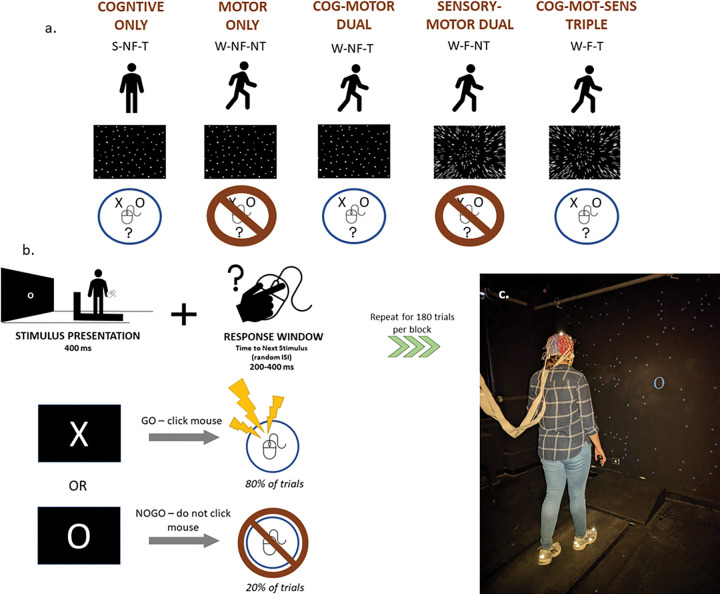 Figure 1
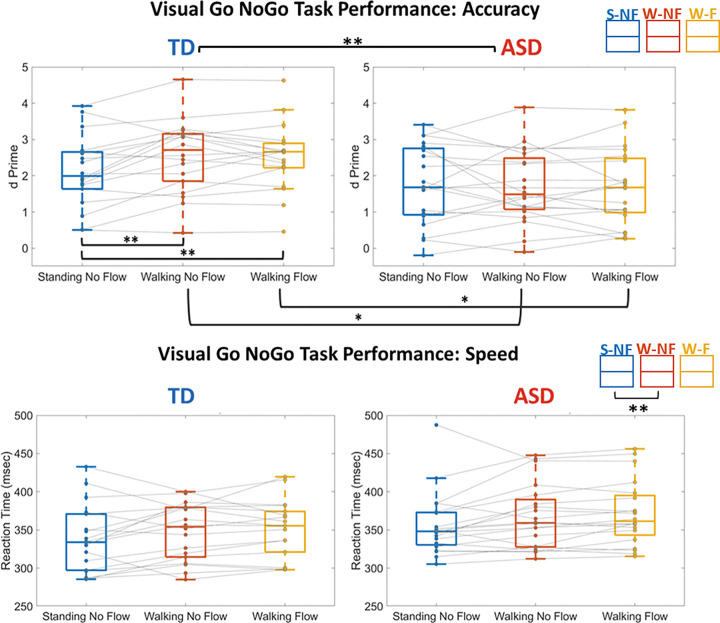 Figure 2
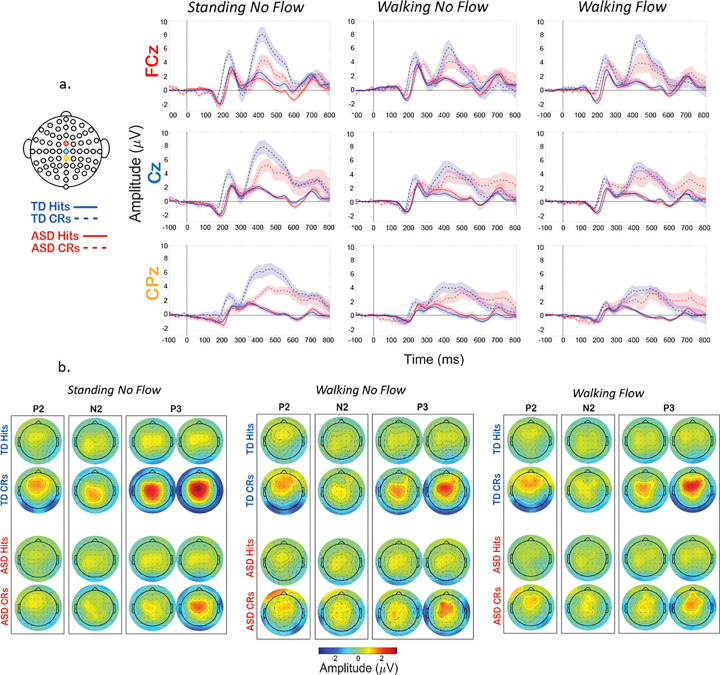 Figure 3
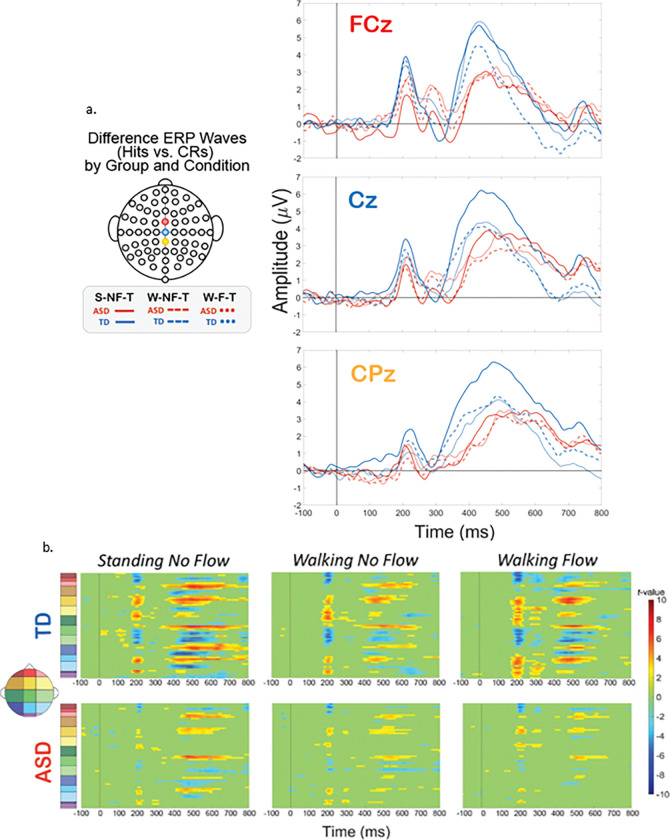 Figure 4
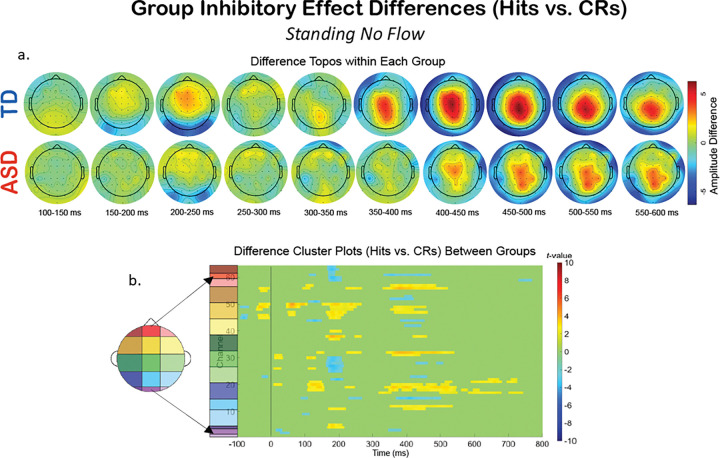 Figure 5
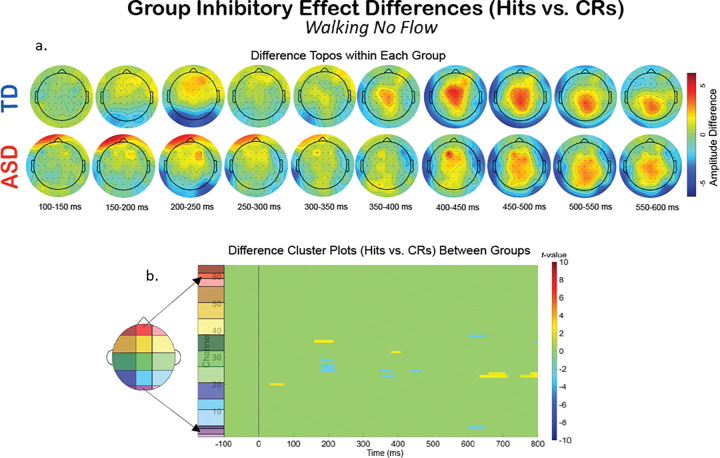 Figure 6
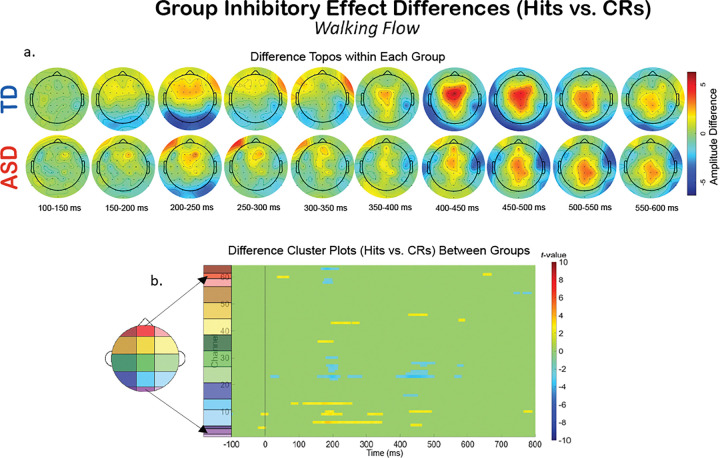 Figure 7
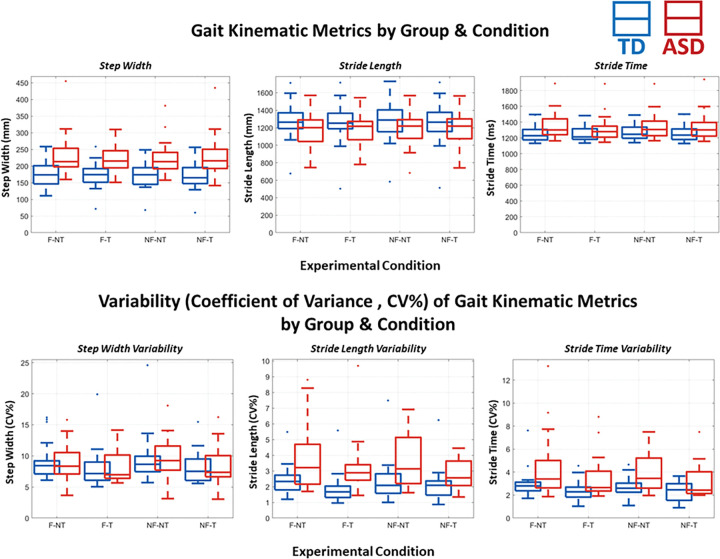 Figure 8
Peer Reviews
No public reviews on file for this paper yet. If you reviewed it on a platform where reviews are public (OpenReview, ICLR, NeurIPS, ICML), you can paste yours below so the community can read it here.
Videos
No videos yet. Explain this paper in a talk, walkthrough, or lecture? Add one.
Taxonomy
TopicsAutism Spectrum Disorder Research · Attention Deficit Hyperactivity Disorder · Child Development and Digital Technology