Rats Exposed to a Low Resource Environment in Early Life Display Sex Differences in Blood Pressure, Autonomic Activity, and Brain and Kidney Pro-inflammatory Markers During Adulthood
Jonna Smith, Savanna Smith, Kylie Jones, Angie Castillo, Jessica L. Bolton, Ahfiya Howard, Luis Colon-Perez, Faith Femi-Ogunyemi, Allison Burkes, Mark Cunningham

TL;DR
Rats exposed to a low-resource environment early in life show sex-specific changes in blood pressure and inflammation in adulthood, offering insights into how childhood poverty may affect adult health differently in males and females.
Contribution
This study reveals sex-specific physiological and inflammatory mechanisms linking early life poverty to adult hypertension.
Findings
LBN males had elevated blood pressure and increased sympathetic nerve activity compared to controls.
LBN females showed balanced increases in both sympathetic and parasympathetic nerve activity without changes in blood pressure.
LBN males had reduced pro-inflammatory cytokines in the brain, possibly as a compensatory mechanism.
Abstract
Poverty, a low resource state, is a common adverse childhood experience (ACE) and early life stress (ELS). People who experienced childhood poverty are at greater risk for developing hypertension during adulthood, with sex differences. To determine the possible mechanisms of these sex differences, we investigated the alterations in blood pressure (BP), autonomic activity, and inflammation in the brain and kidneys of rats exposed to an impoverished environment during the early postnatal period, by using the limited bedding and nesting (LBN) model. The LBN model mimics childhood poverty by creating a low resource environment on postnatal days 2–9. After weaning, offspring were separated by sex and LBN exposure and were evaluated at 16–18 weeks of age (Adulthood). LBN males displayed an increase in BP compared to the control (CON), whereas LBN females showed no changes. Sympathetic nerve…
Genes, proteins, chemicals, diseases, species, mutations and cell lines named across the full text — each resolved to its canonical identifier and authoritative record.
Click any figure to enlarge with its caption.
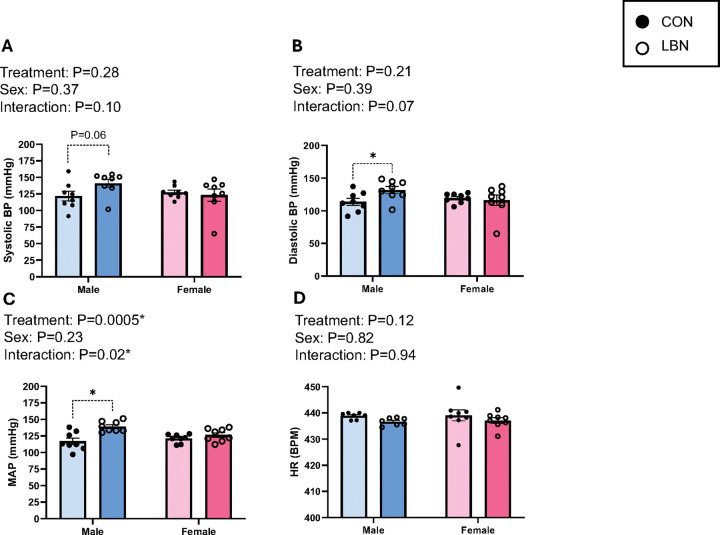 Figure 1
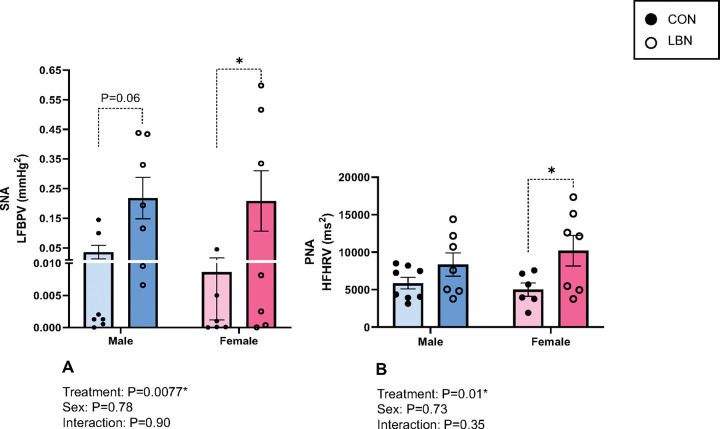 Figure 2
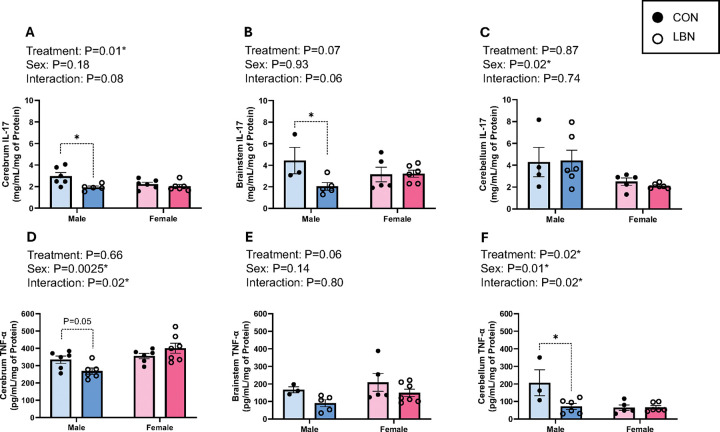 Figure 3
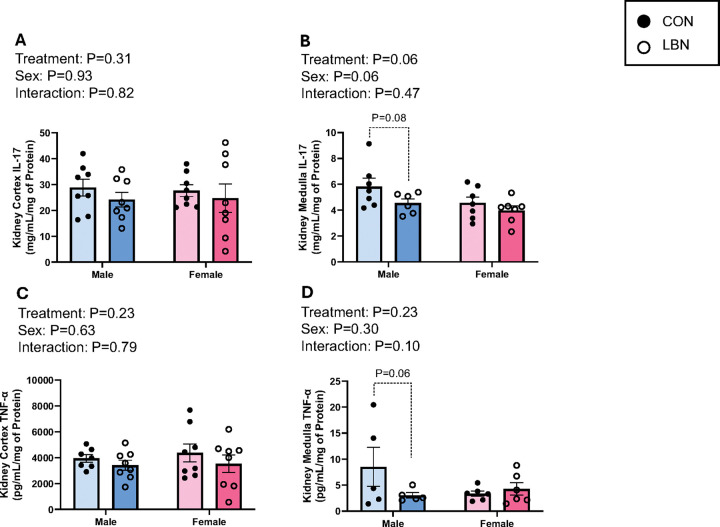 Figure 4
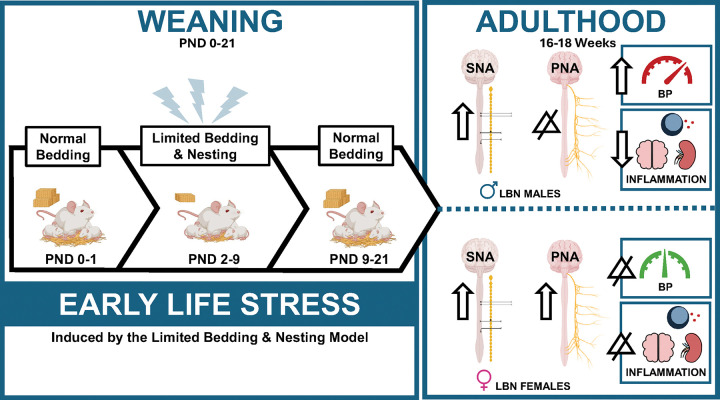 Figure 5
Peer Reviews
No public reviews on file for this paper yet. If you reviewed it on a platform where reviews are public (OpenReview, ICLR, NeurIPS, ICML), you can paste yours below so the community can read it here.
Videos
No videos yet. Explain this paper in a talk, walkthrough, or lecture? Add one.
Taxonomy
TopicsStress Responses and Cortisol · Birth, Development, and Health · Neuroendocrine regulation and behavior