Sex Specific Effects of a High Fat Diet on Metabolism, Cognition, and Pathology in the Tg-SwDI Mouse Model of Alzheimer’s Disease
Shelby Sabourin, Christina Thrasher, Rachel Smith, Kasey Belanger-Mayer, Bryce Thibodeau, Richard Kelly, Riane Richard, Abigail Salinero, Charly Abi-Ghanem, Molly Batchelder, Emily Groom, Sally Temple, Kevin Pumiglia, Kristen Zuloaga

TL;DR
This study shows that high-fat diets worsen Alzheimer's disease symptoms in female mice more than in males, affecting metabolism, memory, and brain pathology.
Contribution
The study reveals sex-specific effects of high-fat diets on Alzheimer's pathology and cognition in a mouse model.
Findings
HFD-fed AD female mice showed greater weight gain, glucose intolerance, and cognitive deficits compared to males.
HFD-fed AD females had increased amyloid plaques and cerebral amyloid angiopathy in the thalamus.
Neuroinflammation metrics correlated strongly with CAA pathology in HFD-fed AD females.
Abstract
Alzheimer’s disease (AD) is the leading cause of dementia in the US, with over 80% of affected individuals experiencing comorbid metabolic disease. Along with age and sex, metabolic syndrome and prediabetes are known risk factors for developing dementia and AD, highlighting the complex nature of the disease. How these risk factors affect cerebral amyloid angiopathy (CAA) is less well studied. As such, we examined the effect of diet-induced metabolic syndrome and sex on cognition, neuroinflammation, and pathology in the Tg-SwDI mouse model of AD and CAA. Male and female Tg-SwDI and WT mice were fed a low fat (LFD; 10% fat) or high fat (HFD; 60% fat) diet from 3 to 10 months of age. Metabolic, cognitive, and neuropathology outcomes were assessed. All HFD-fed mice gained weight and exhibited impaired glucose tolerance. Metabolic disturbances were most severe in AD females receiving HFD.…
Genes, proteins, chemicals, diseases, species, mutations and cell lines named across the full text — each resolved to its canonical identifier and authoritative record.
Click any figure to enlarge with its caption.
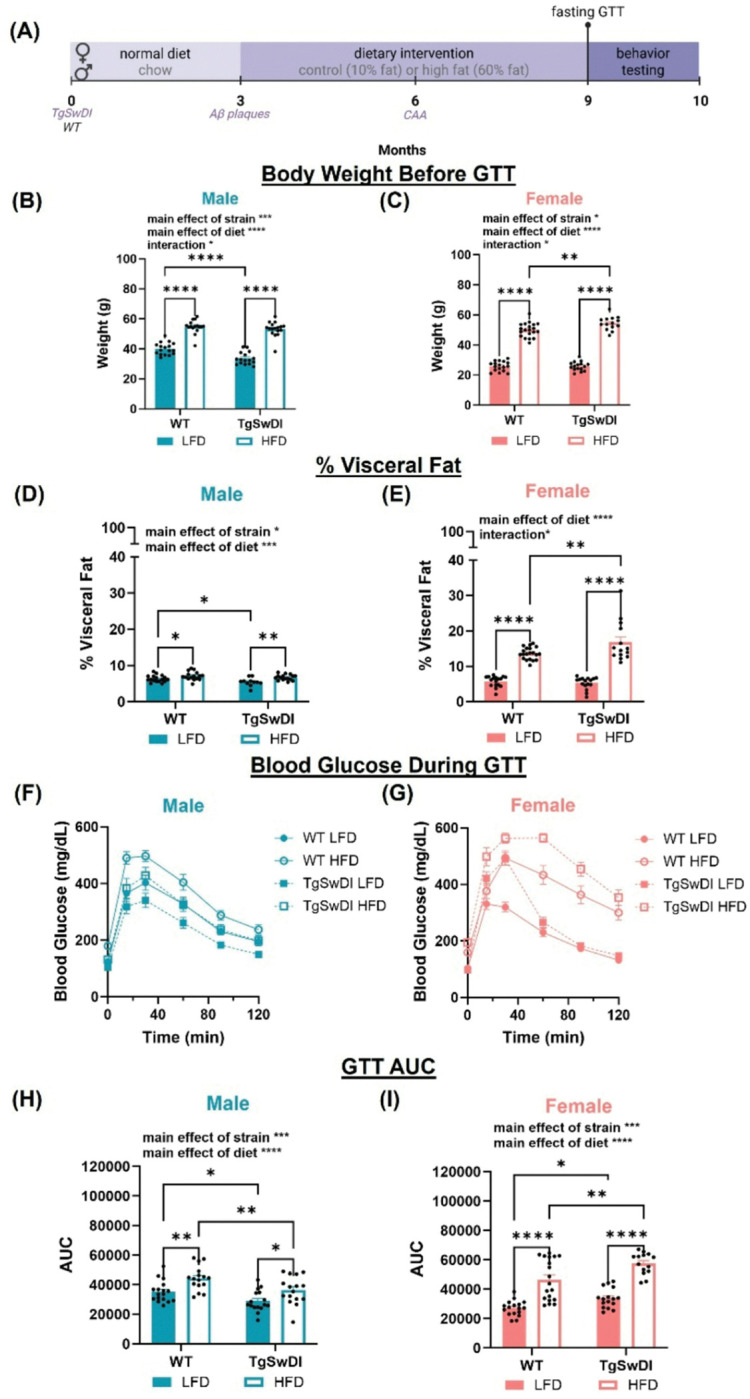 Figure 1
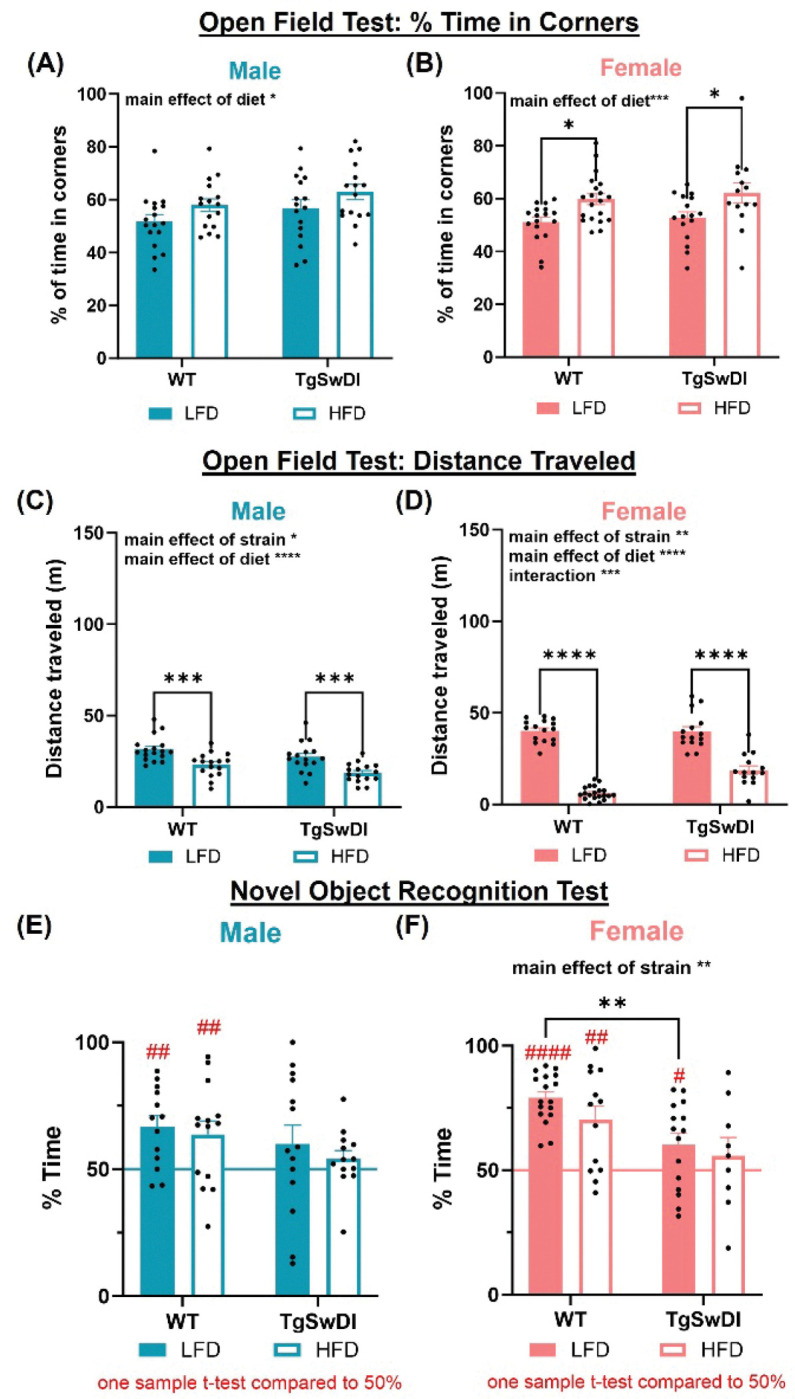 Figure 2
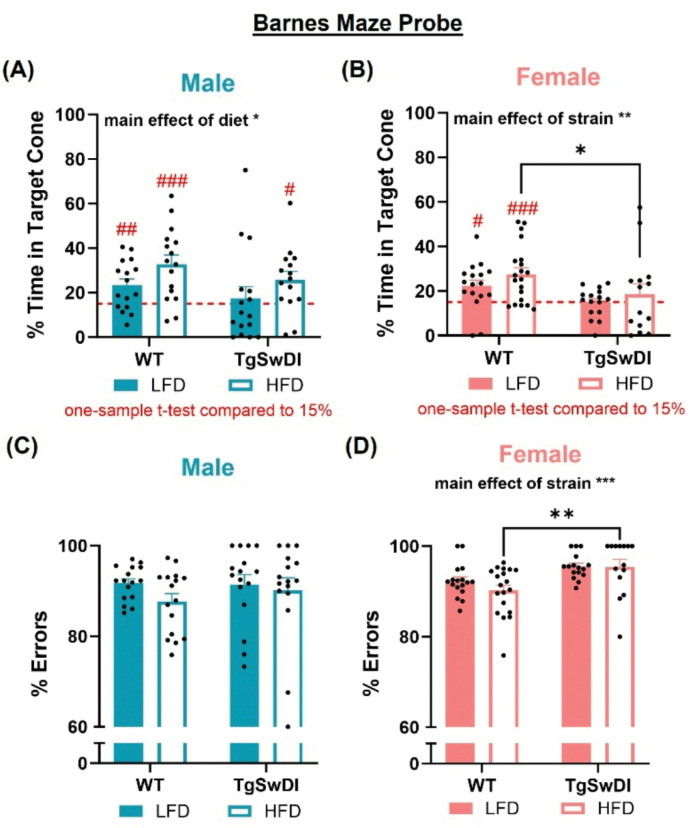 Figure 3
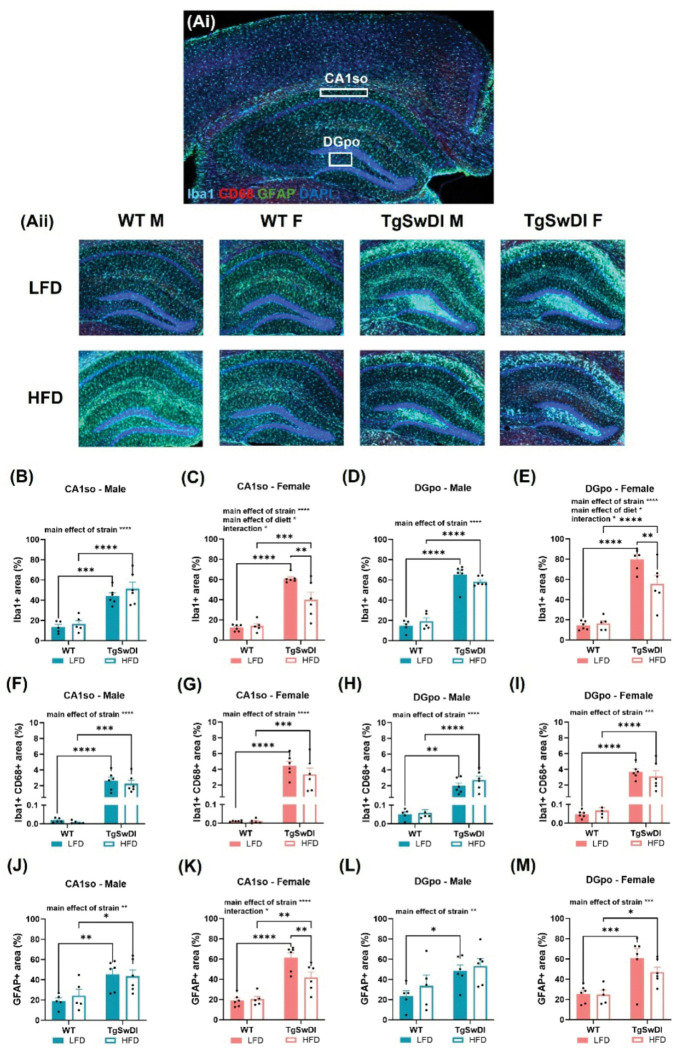 Figure 4
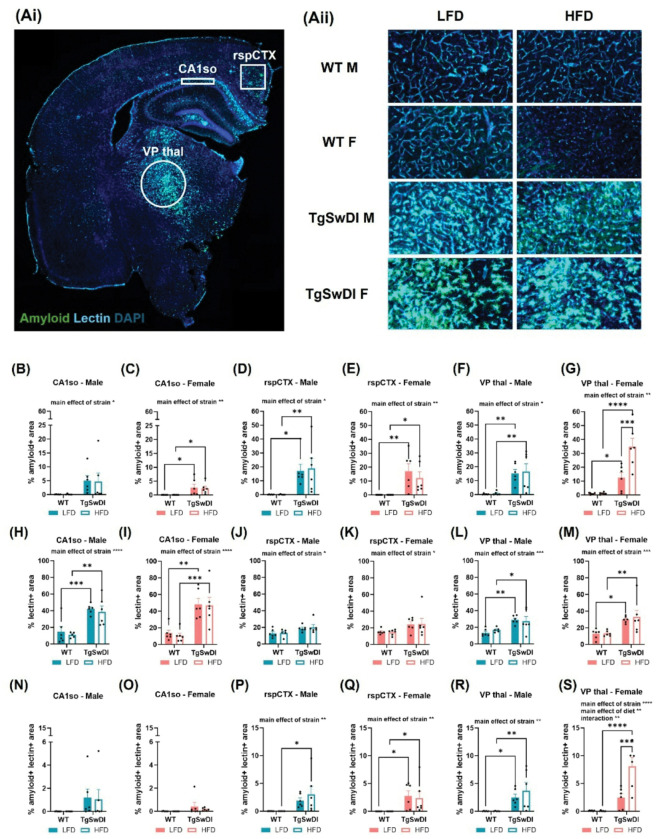 Figure 5
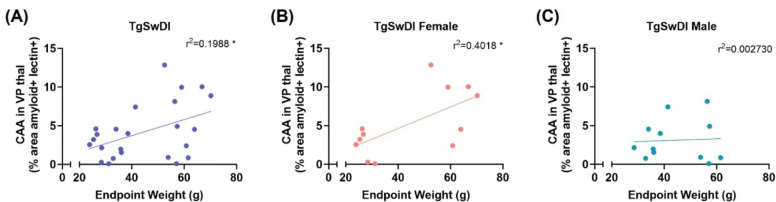 Figure 6
Peer Reviews
No public reviews on file for this paper yet. If you reviewed it on a platform where reviews are public (OpenReview, ICLR, NeurIPS, ICML), you can paste yours below so the community can read it here.
Videos
No videos yet. Explain this paper in a talk, walkthrough, or lecture? Add one.
Taxonomy
TopicsTryptophan and brain disorders · Adipose Tissue and Metabolism · Diet and metabolism studies