Tank-Binding Kinase 1 protects against MASH progression via mitochondrial quality control
Jin Young Huh, Sung-Min An, Jun Hee Jang, Jin Hyun Sung, Ji Won Myung, Yong Geun Jeon, Won Taek Lee, Jin Won Jeon, Kyung Min Yim, Jae-Ho Lee, Bichen Zhang, Jong Bae Seo, Seung Soon Im, Jae Bum Kim, Alan Saltiel

TL;DR
This study shows that TBK1 helps prevent liver disease progression by maintaining healthy mitochondria and lysosomes in liver cells.
Contribution
The study identifies TBK1 as a novel regulator of mitophagy and lysosomal activity in MASH progression.
Findings
TBK1 deficiency causes accumulation of damaged mitochondria and increased ROS production.
TBK1 modulates p62 phosphorylation and mTOR signaling to maintain lysosomal function.
Restoring TBK1 via AAV8 delivery reduces liver fibrosis and mitochondrial burden in MASH models.
Abstract
Mitochondrial dysfunction is a critical driver of metabolic dysfunction–associated steatotic liver disease (MASLD) progression to steatohepatitis (MASH), yet the mechanisms governing mitochondrial quality control in hepatocytes remain poorly defined. Here, we identify TANK-binding kinase 1 (TBK1) as an essential regulator of hepatic mitophagy and lysosomal activity. Using TBK1-deficient hepatocytes and liver-specific TBK1 knockout (LTKO) mice, we show that TBK1 loss leads to the accumulation of depolarized, ROS-producing mitochondria due to impaired mitophagy flux, including defective lysosomal degradation. Mechanistically, TBK1 is required for p62 phosphorylation at Ser403 and partially modulates mTOR signaling to preserve lysosomal acidification. Therapeutic restoration of TBK1 expression via AAV8 delivery enhanced mitophagy, reduced mitochondrial burden, and ameliorated liver…
Genes, proteins, chemicals, diseases, species, mutations and cell lines named across the full text — each resolved to its canonical identifier and authoritative record.
Click any figure to enlarge with its caption.
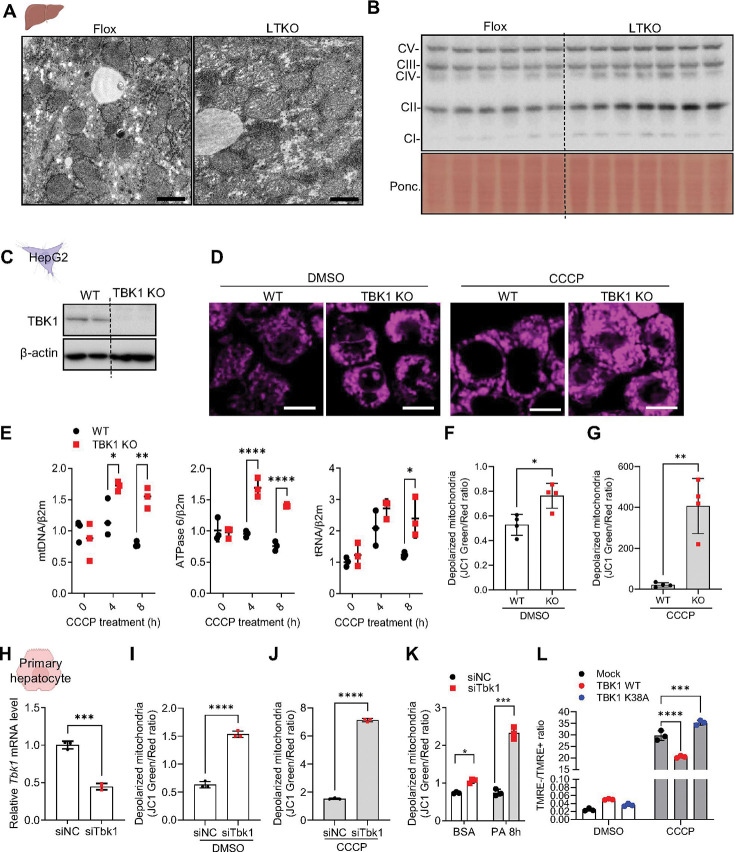 Figure 1
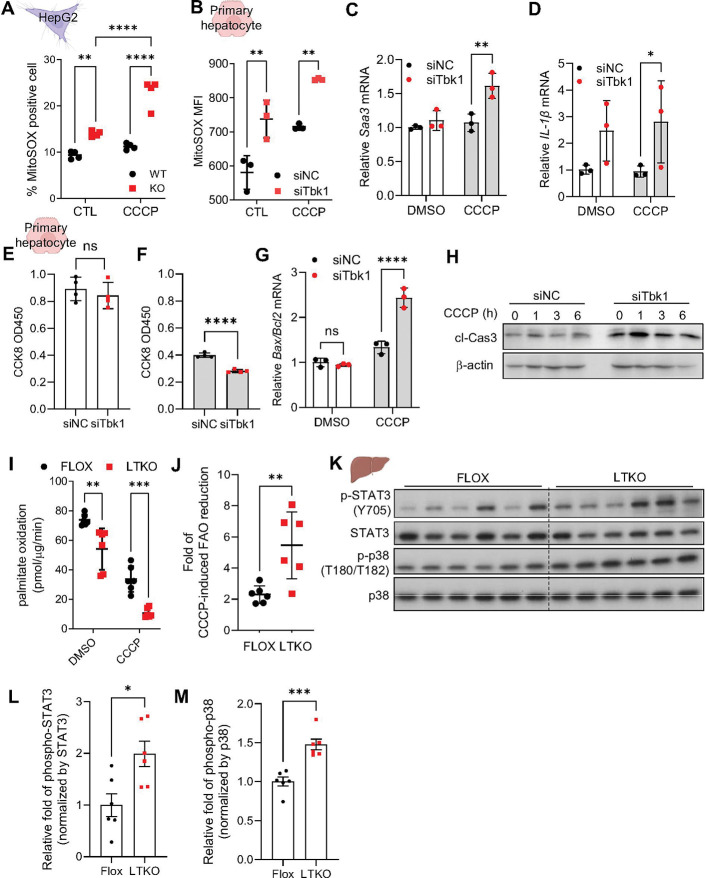 Figure 2
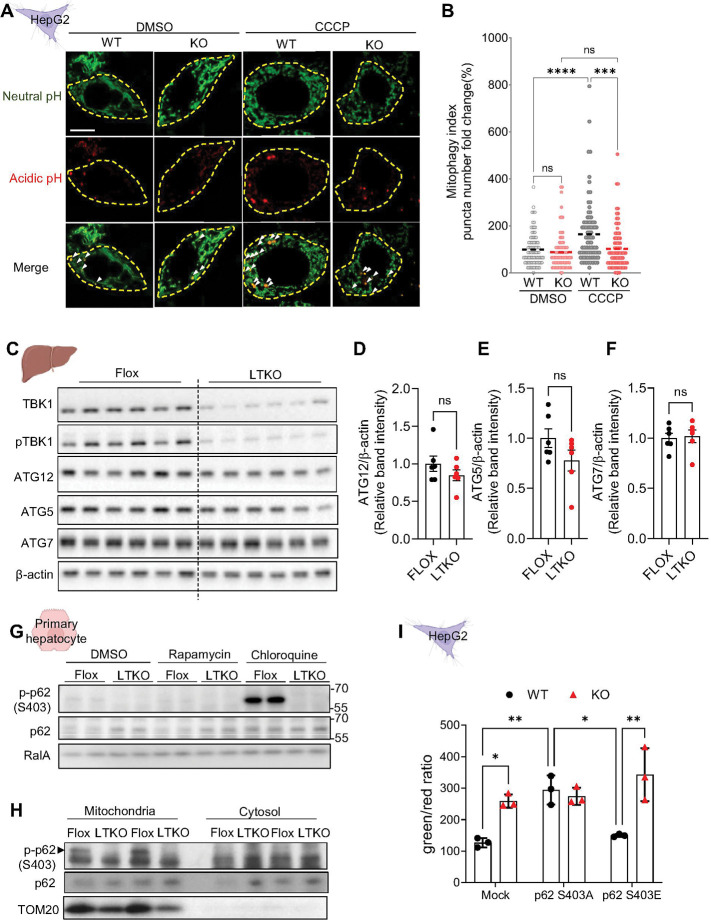 Figure 3
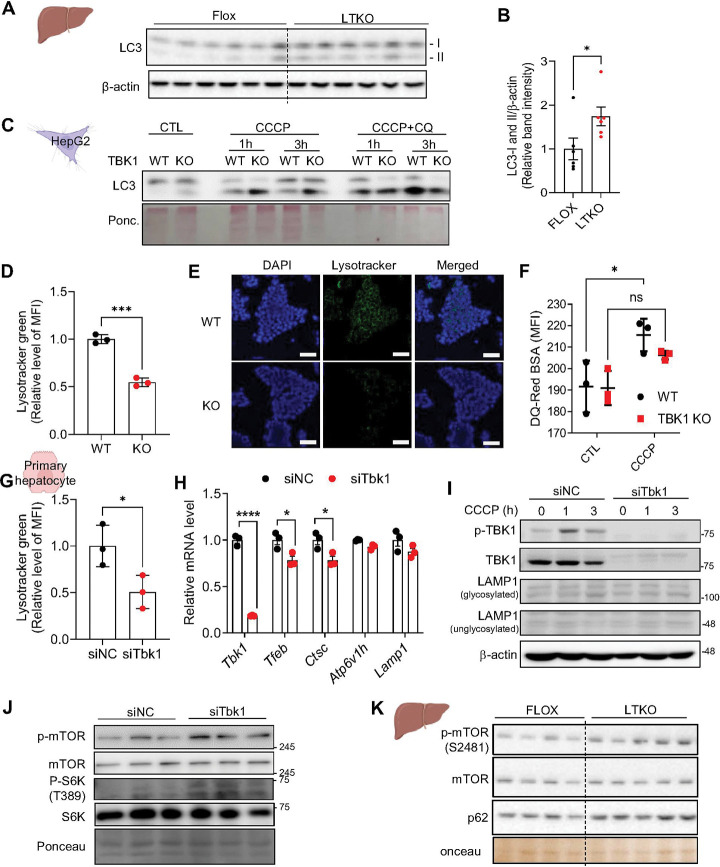 Figure 4
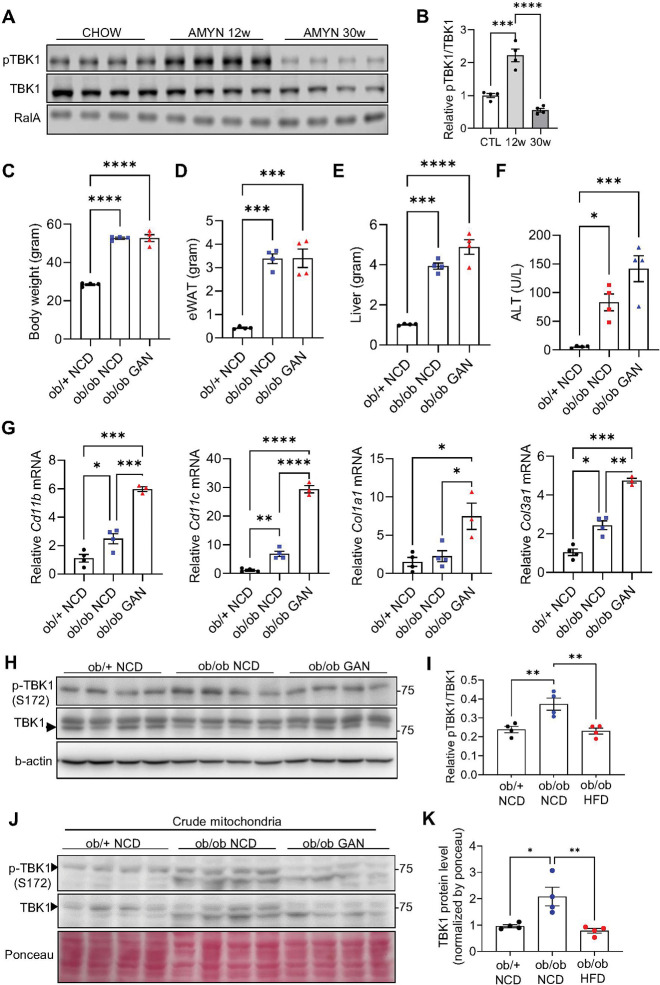 Figure 5
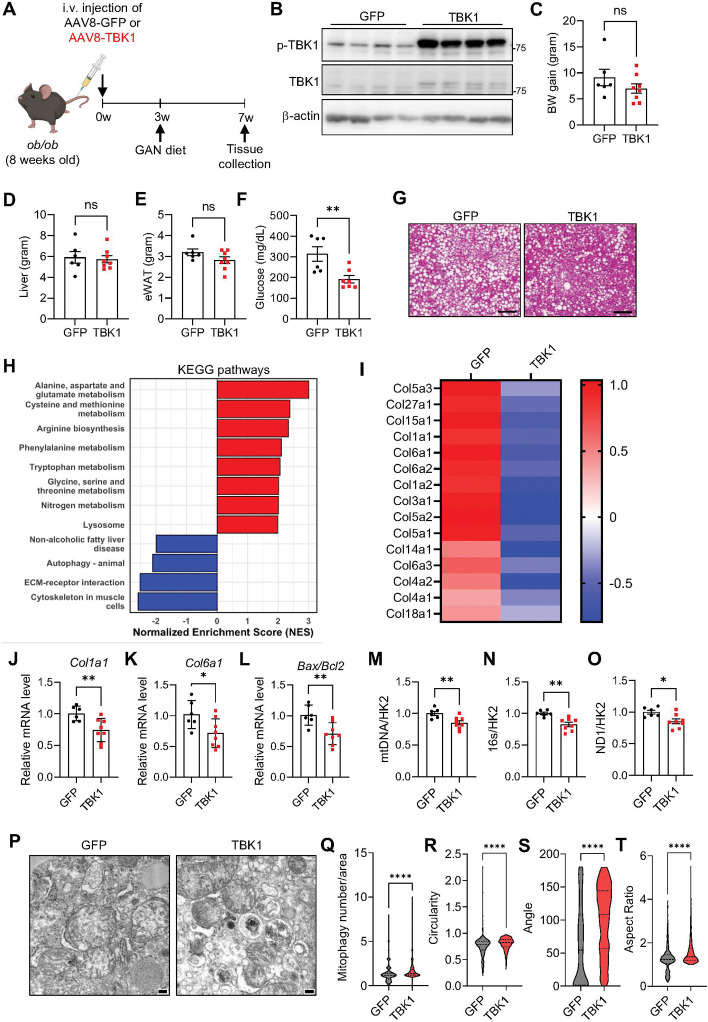 Figure 6
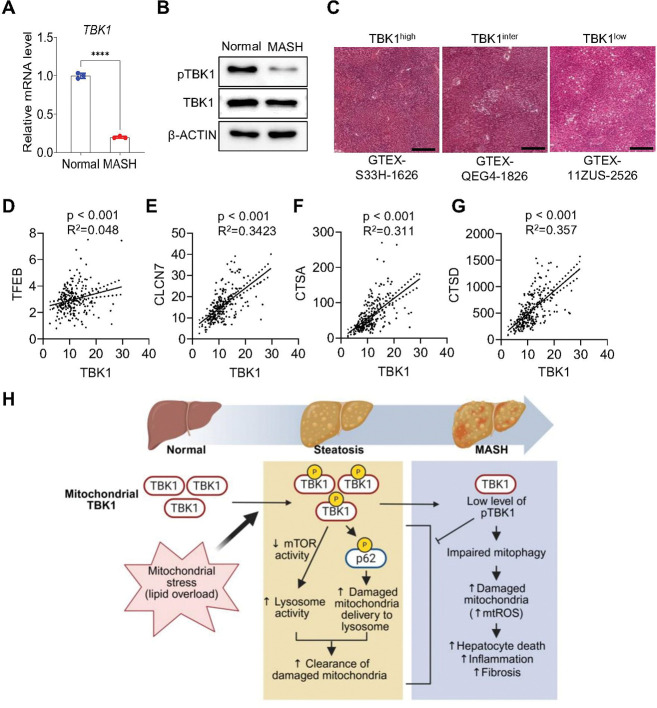 Figure 7
Peer Reviews
No public reviews on file for this paper yet. If you reviewed it on a platform where reviews are public (OpenReview, ICLR, NeurIPS, ICML), you can paste yours below so the community can read it here.
Videos
No videos yet. Explain this paper in a talk, walkthrough, or lecture? Add one.
Taxonomy
TopicsEndoplasmic Reticulum Stress and Disease · Cancer-related Molecular Pathways · Cancer, Hypoxia, and Metabolism