Brain wide engraftment of human monocytes induces neurodegeneration and cognitive dysfunction
Mathew Blurton-Jones, Hayk Davtyan, Jean Paul Chadarevian, Anita Lakatos, Sherry Lin, Jonathan Hasselmann, Jasmine Nguyen, Duc Duong, Joia Capocchi, Alina Lahian, Kimiya Mansour, Ghazaleh Eskandari-Sedighi, Christina Tu, Sepideh Kiani Shabestari, Fang Wu

TL;DR
Replacing mouse microglia with human monocytes causes brain inflammation and cognitive issues, suggesting risks in using human myeloid cells for brain therapies.
Contribution
Demonstrates that human monocyte engraftment, unlike microglia, causes neurodegeneration and cognitive dysfunction in mice.
Findings
Human monocyte engraftment leads to chronic inflammation, astrogliosis, demyelination, and neuronal loss.
Cognitive impairments are observed in mice with human monocyte engraftment.
Microglia replacement does not induce these harmful effects.
Abstract
Transplantation of peripherally derived myeloid cells in combination with microglia depletion is increasingly being examined as a potential therapy for various neurological disorders.1–9 However, primitive yolk sac derived microglia and definitive bone marrow derived monocytes and macrophages exhibit distinct developmental ontogenies.10–12 Important differences between murine and human myeloid cells further obscure the translational potential of this approach.8,13–16 To understand the impact of peripherally derived human myeloid cells on brain function and health we utilized a xenotolerant mouse model that lacks endogenous microglia. Using a combination of spatial sequencing, proteomics, histological, biochemical, and machine learning behavioral approaches we then examined the impact of brain wide engraftment of human induced pluripotent stem cell-derived microglia, which mimic the…
Genes, proteins, chemicals, diseases, species, mutations and cell lines named across the full text — each resolved to its canonical identifier and authoritative record.
Click any figure to enlarge with its caption.
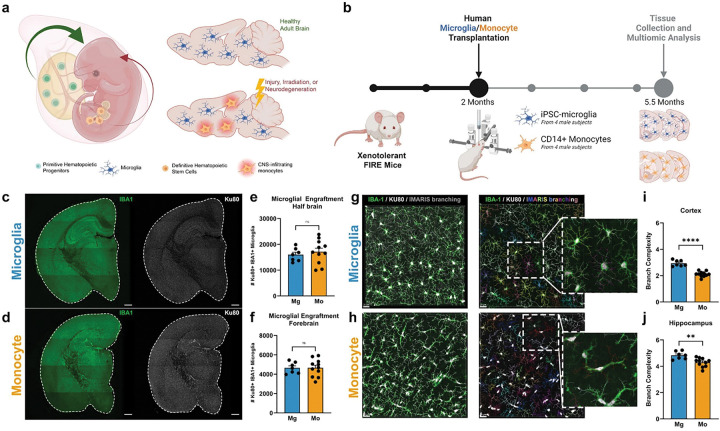 Figure 1
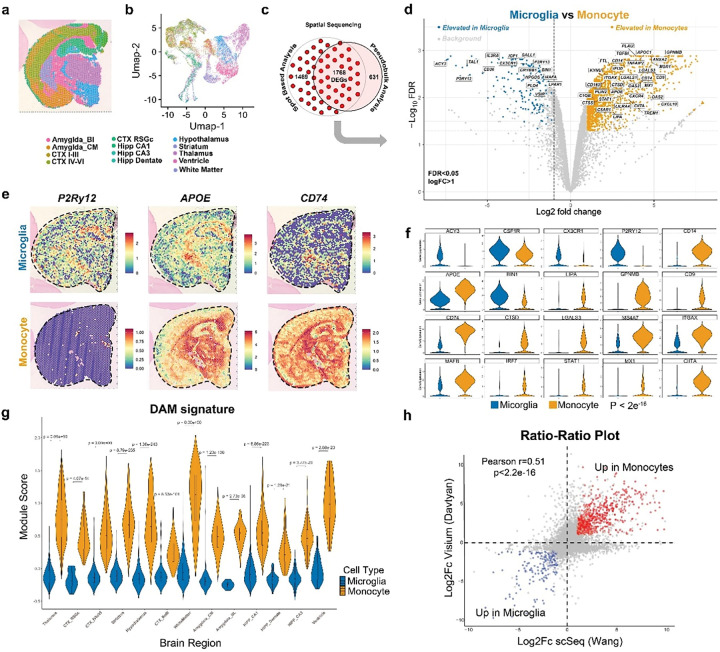 Figure 2
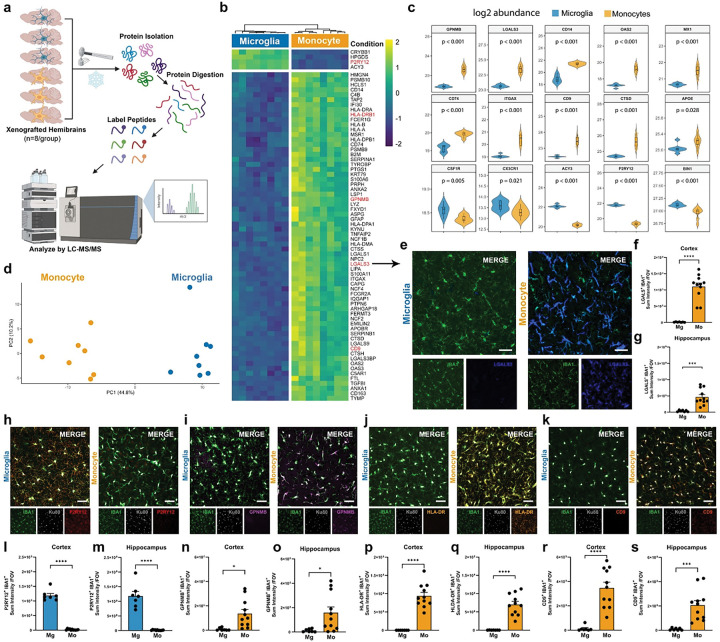 Figure 3
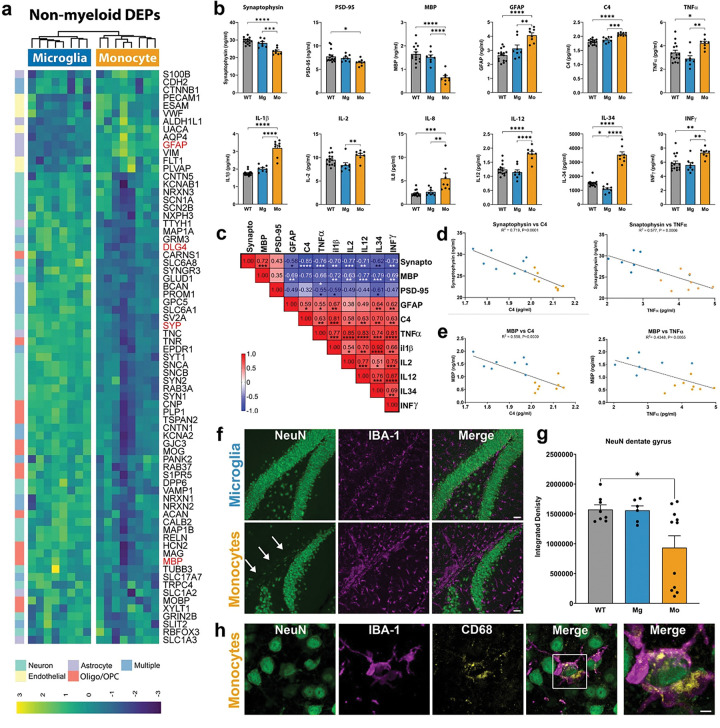 Figure 4
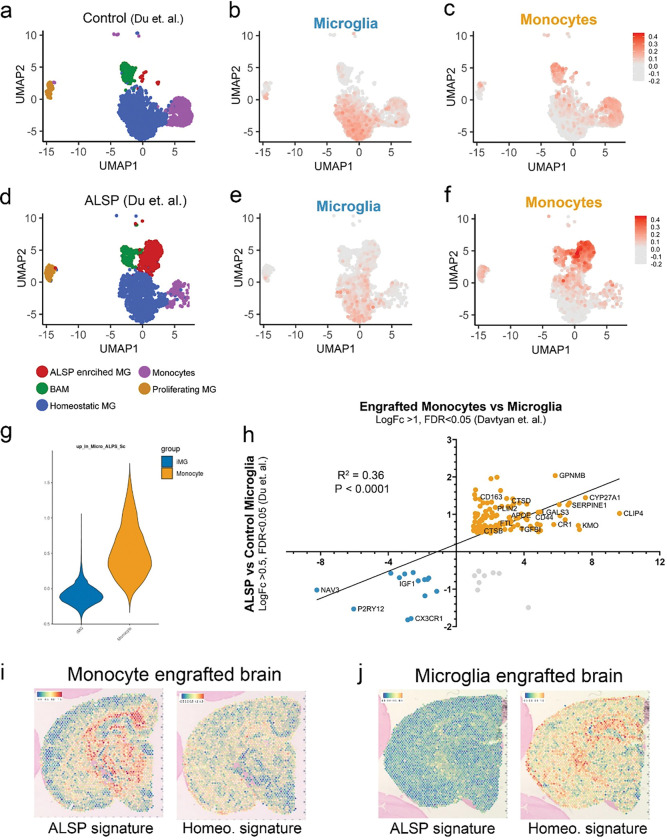 Figure 5
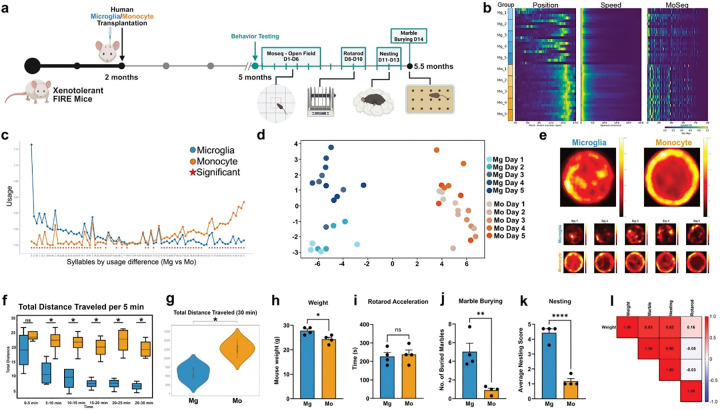 Figure 6
Peer Reviews
No public reviews on file for this paper yet. If you reviewed it on a platform where reviews are public (OpenReview, ICLR, NeurIPS, ICML), you can paste yours below so the community can read it here.
Videos
No videos yet. Explain this paper in a talk, walkthrough, or lecture? Add one.
Taxonomy
TopicsNeuroinflammation and Neurodegeneration Mechanisms · Neurogenesis and neuroplasticity mechanisms · Immune cells in cancer