Halogenated N-phenylpiperazine and 2-(piperazin-1-yl)pyrimidine as novel cucurbit[7]uril guests: experimental and computational insights into supramolecular binding
David A. Rincón, Ewelina Zaorska, Maura Malinska

TL;DR
This paper explores how halogen atoms in specific positions affect the binding of new compounds to cucurbit[7]uril, offering insights for designing better supramolecular interactions.
Contribution
The study introduces novel halogenated derivatives as CB[7] guests and identifies position-specific effects of halogens on binding affinity.
Findings
Halogenation at the ortho position enhances dispersion and reduces entropic penalties through pre-organization.
Ligands with ortho-F exhibit the lowest binding free energies due to entropy reduction.
Para-substituents with larger halogens (Br, I) improve enthalpic stabilization via portal engagement.
Abstract
This study presents a new class of halogenated N-phenylpiperazine and 2-(piperazin-1-yl)pyrimidine derivatives as guests for cucurbit[7]uril (CB[7]), expanding the space of CB[7]-binding ligands. Combining isothermal titration calorimetry (ITC), X-ray crystallography, and computation (attach–pull–release, APR; symmetry-adapted perturbation theory, SAPT), we quantify how halogen identity and position modulate host–guest binding. We find that halogenation provides two position-specific levers for tuning affinity. At the ortho position, both F and Cl enhance dispersion (Cl more strongly), while ortho-F additionally confers pre-organization (intramolecular C–H⋯F) that reduces the entropic penalty. Across the series, the lowest free energies of binding (ΔG) are observed for ligands with ortho-F, consistent with entropy reduction via pre-organization. By contrast, para-substituent effects…
Genes, proteins, chemicals, diseases, species, mutations and cell lines named across the full text — each resolved to its canonical identifier and authoritative record.
Click any figure to enlarge with its caption.
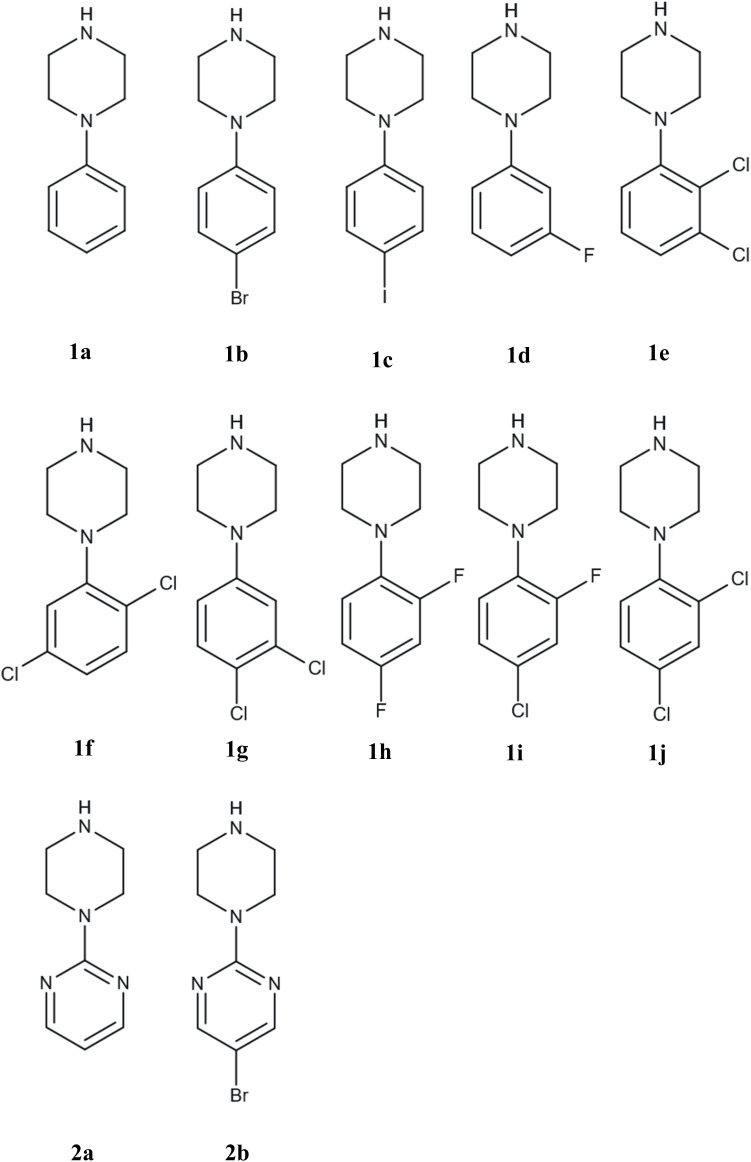 Figure 1
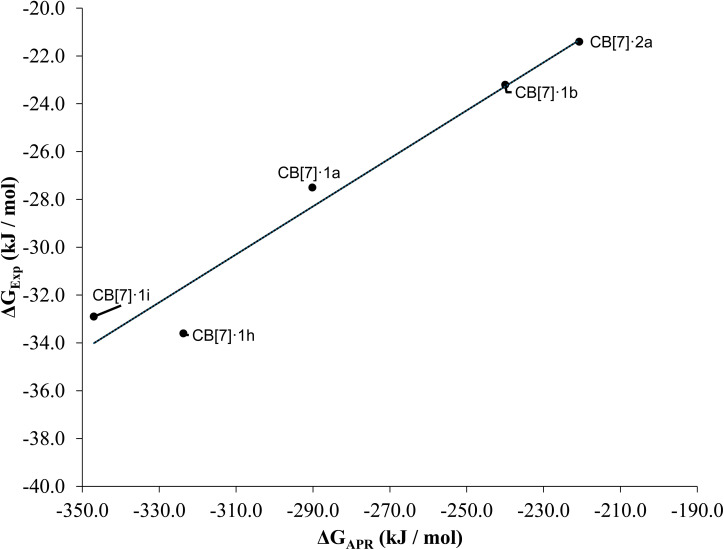 Figure 2
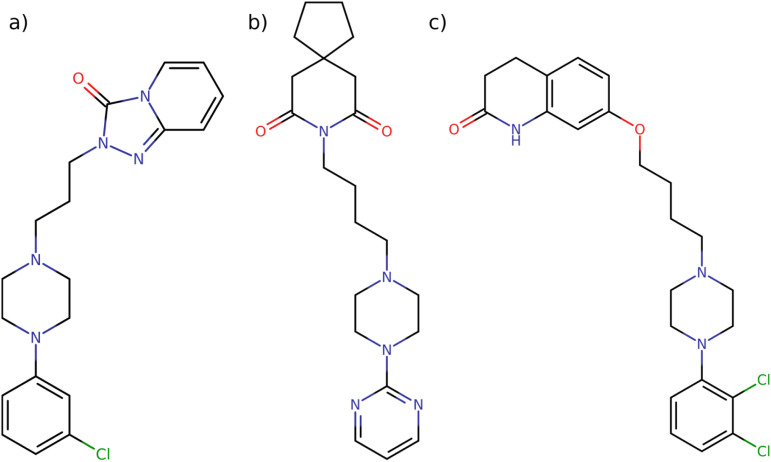 Figure 3
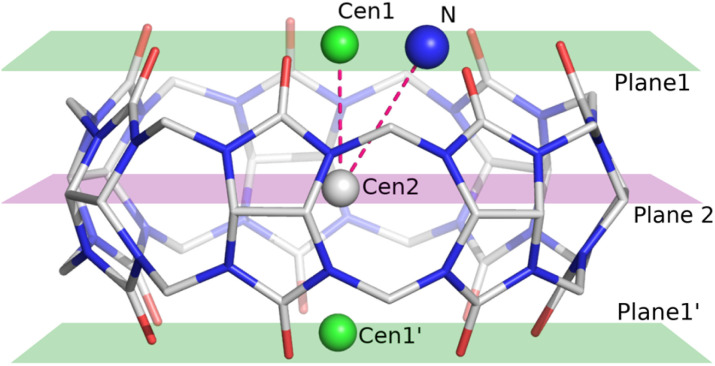 Figure 4
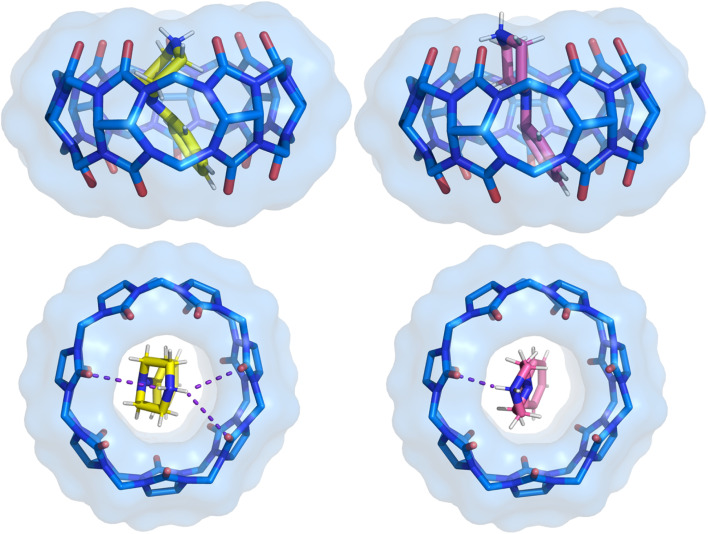 Figure 5
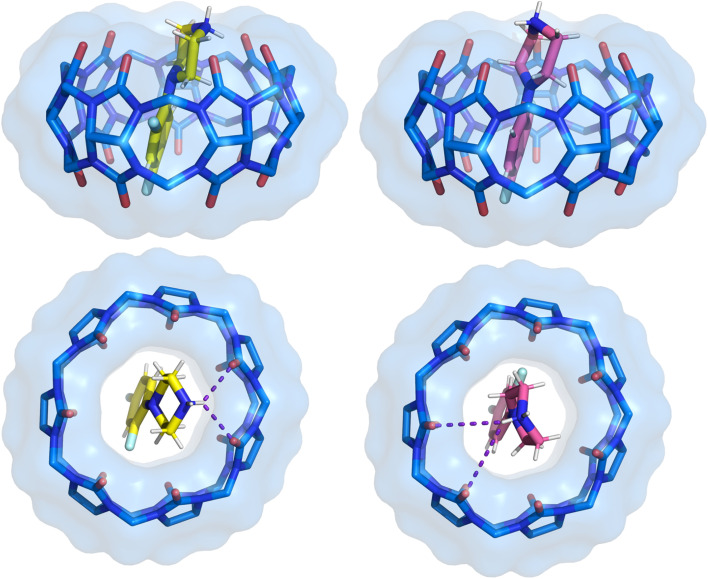 Figure 6
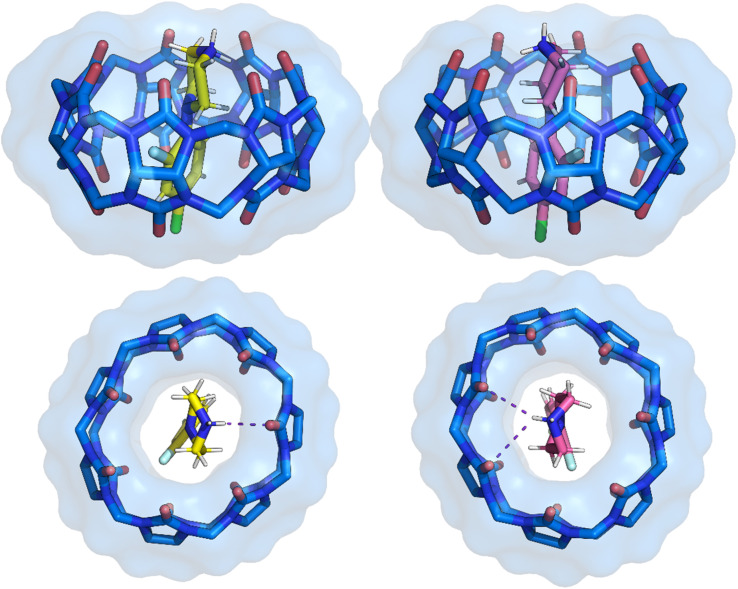 Figure 7
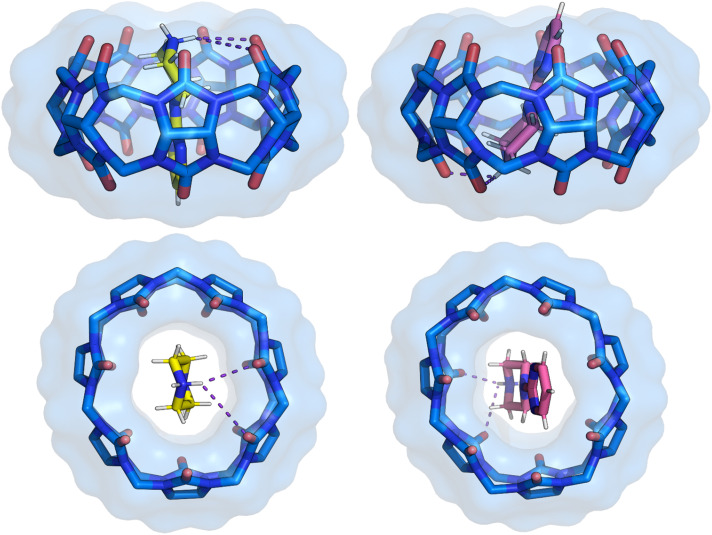 Figure 8
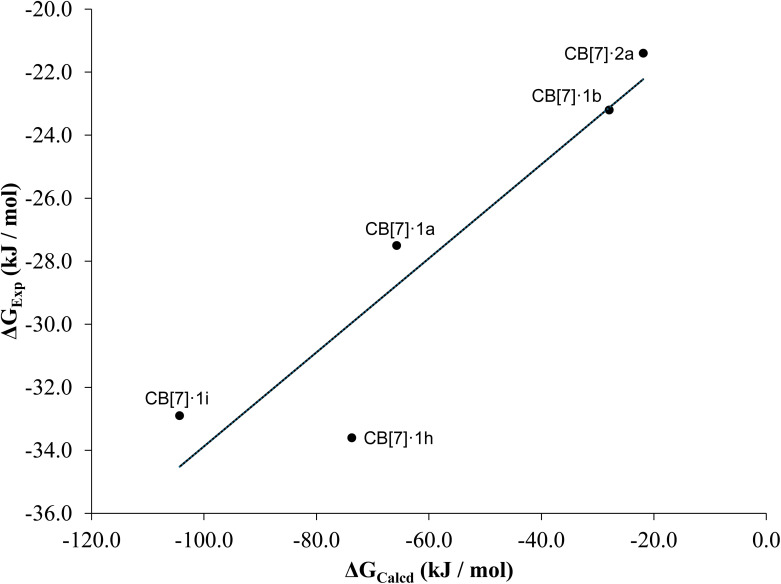 Figure 9
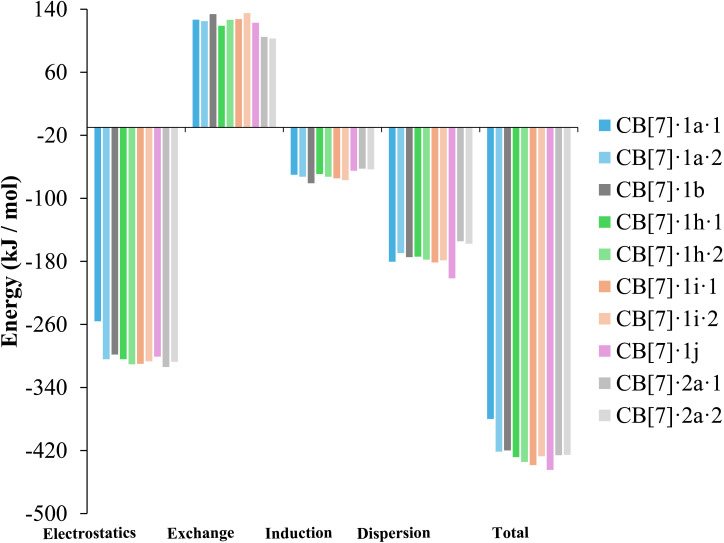 Figure 10
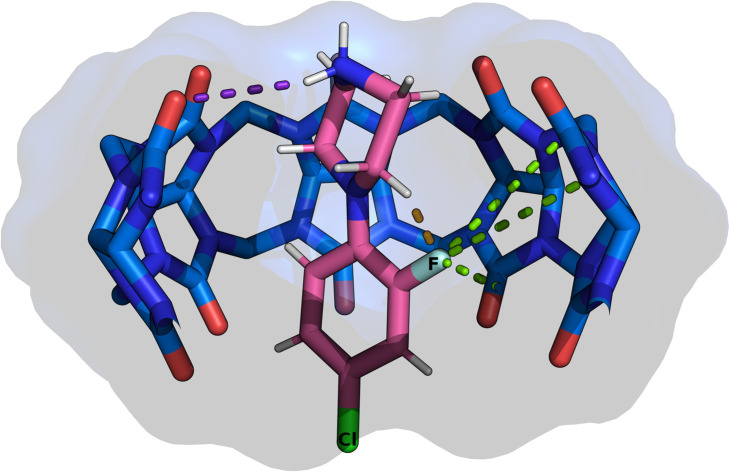 Figure 11
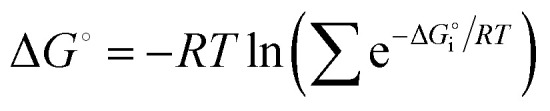 Figure 12
 Figure 13
Peer Reviews
No public reviews on file for this paper yet. If you reviewed it on a platform where reviews are public (OpenReview, ICLR, NeurIPS, ICML), you can paste yours below so the community can read it here.
Videos
No videos yet. Explain this paper in a talk, walkthrough, or lecture? Add one.
Taxonomy
TopicsSupramolecular Chemistry and Complexes · Crystallography and molecular interactions · Molecular Sensors and Ion Detection