Ancestry-specific genetic effects on urinary 6-sulfatoxymelatonin: a multi-ancestry GWAS meta-analysis
Magdalena Żebrowska, Ziwei Zhang, Gwo-Tsann Chuang, Daniel S. Evans, Jesse Valliere, Matthew Maher, Jie Hu, Rebecca Richmond, Constance Turman, Jaime E. Hart, Jacqueline Lane, Loic Le Marchand, Lynne Wilkens, Matthias Wielscher, Christopher Haiman, Iona Cheng

TL;DR
This study explores how genetic factors influence melatonin metabolism across different ancestral groups, revealing ancestry-specific genetic effects and their links to diabetes and sleep.
Contribution
The first multi-ancestry GWAS of urinary 6-sulfatoxymelatonin, highlighting ancestry-specific genetic effects and their metabolic and circadian implications.
Findings
No genome-wide significant loci were identified, but 23 loci showed suggestive significance.
Two loci (SLIT3 rs1875972 and C12orf55 rs7137724) showed ancestry-specific heterogeneity.
Polygenic risk scores linked aMT6s genetics to type 2 diabetes and sleep duration.
Abstract
Melatonin regulates circadian rhythms, metabolism, and immunity. Its primary metabolite, 6-sulfatoxymelatonin (aMT6s), is a biomarker linked to cancer risk and metabolic disorders. However, genetic determinants of aMT6s remain poorly understood, with only one prior GWAS limited to an East Asian cohort. We conducted the first multi-ancestry genome-wide association meta-analysis of urinary aMT6s, integrating 11,744 participants from five cohorts: East Asians (Taiwan Biobank), European women (Nurses’ Health Studies), European men (MrOS), and multiethnic participants (MEC). aMT6s was measured from overnight or first-morning urine samples. Analyses used MR-MEGA and fixed-effects models in METAL. Polygenic risk scores (PRS) were constructed with PRS-CSx and tested for phenome-wide associations in the Mass General Brigham Biobank and UK Biobank. No genome-wide significant loci were…
Genes, proteins, chemicals, diseases, species, mutations and cell lines named across the full text — each resolved to its canonical identifier and authoritative record.
Click any figure to enlarge with its caption.
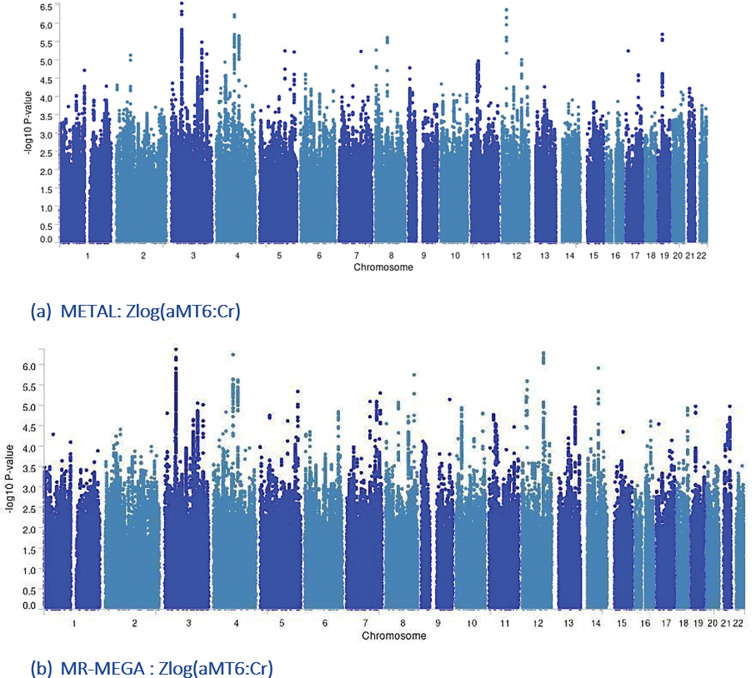 Figure 1
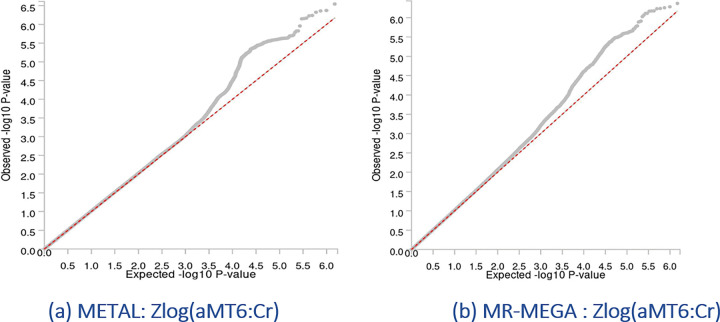 Figure 2
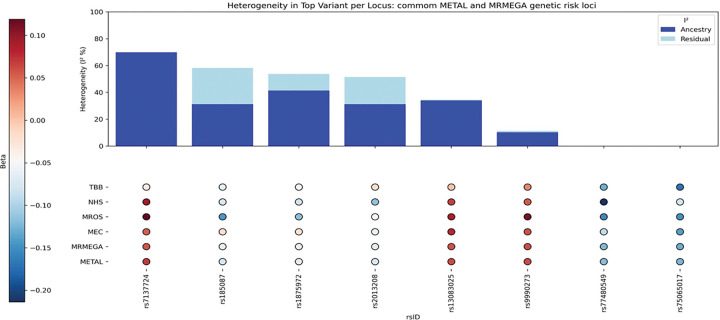 Figure 3
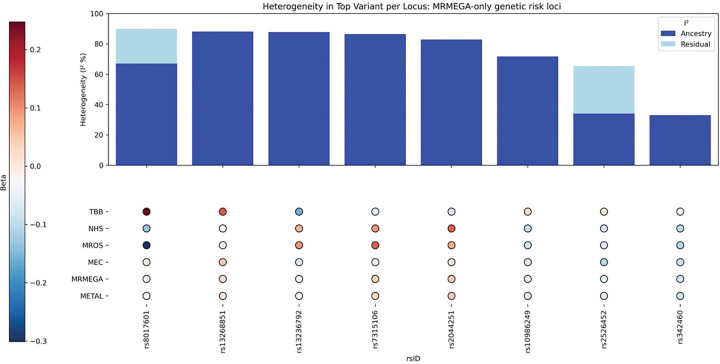 Figure 4
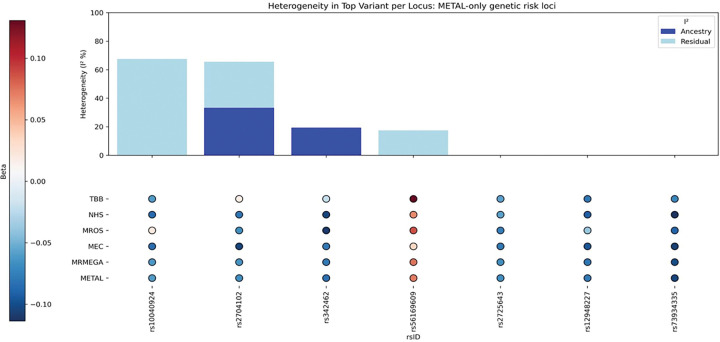 Figure 5
Peer Reviews
No public reviews on file for this paper yet. If you reviewed it on a platform where reviews are public (OpenReview, ICLR, NeurIPS, ICML), you can paste yours below so the community can read it here.
Videos
No videos yet. Explain this paper in a talk, walkthrough, or lecture? Add one.
Taxonomy
TopicsCircadian rhythm and melatonin · Paranormal Experiences and Beliefs