IFN-I-Mediated Transcriptional Reprogramming Drives Myeloid-skewed Hematopoiesis in Sickle Cell Anemia
Marion Serra, Marine Aglave, Mohammad Salma, Steven Akkaya, Patricia Hermand, Carine Lefevre, Romain Duval, Jade Merrer, Fallou Leye, Joelle Magne, Isabelle Plo, Lionel Blanc, Eric Soler, Slim Azouzi, Berengere Koehl

TL;DR
This study reveals that type I interferon signaling causes abnormal myeloid cell production in sickle cell anemia, contributing to chronic inflammation.
Contribution
The study identifies IFN-I-mediated transcriptional reprogramming as a novel driver of myeloid-skewed hematopoiesis in sickle cell anemia.
Findings
Hematopoietic stem cells in SCA show transcriptional reprogramming toward myeloid differentiation.
IFN-I signaling promotes premature myeloid commitment and monocytic skewing via CSF3R upregulation.
Hydroxyurea reduces IFN-I signaling, aligning with its anti-inflammatory effects in SCA.
Abstract
Neutrophils and monocytes are persistently elevated in sickle cell anemia (SCA), yet the intrinsic mechanisms driving pathological myelopoiesis and inflammation remain poorly defined. Through single-cell RNA sequencing and functional assays, we demonstrate that hematopoietic stem and multipotent progenitor cells (HSPCs) in SCA are transcriptionally reprogrammed toward myeloid differentiation. This process is orchestrated by aberrant activation of type I interferon (IFN-I) signaling, which promotes premature myeloid commitment of hematopoietic stem cells. SCA progenitors further exhibit unexpected responsiveness to granulocyte colony-stimulating factor (G-CSF) through upregulation of CSF3R, resulting in skewed myelopoiesis toward the monocytic lineage. Importantly, hydroxyurea treatment attenuates IFN-I signaling in neutrophils, consistent with its therapeutic role in reducing excessive…
Genes, proteins, chemicals, diseases, species, mutations and cell lines named across the full text — each resolved to its canonical identifier and authoritative record.
Click any figure to enlarge with its caption.
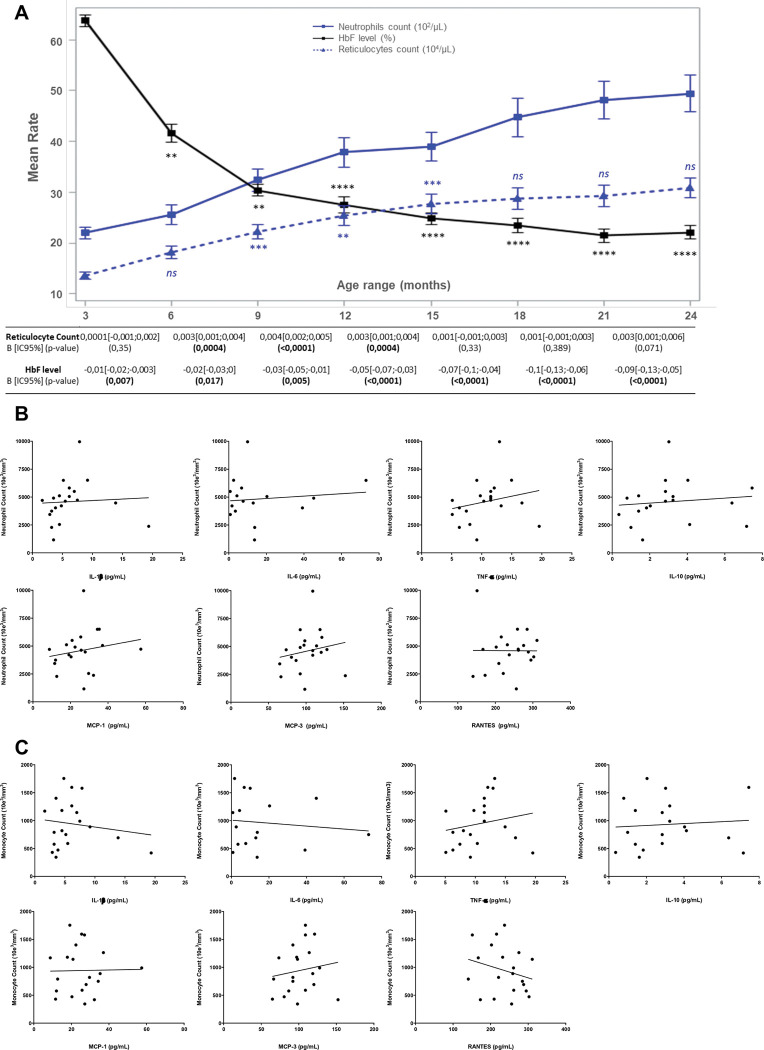 Figure 1
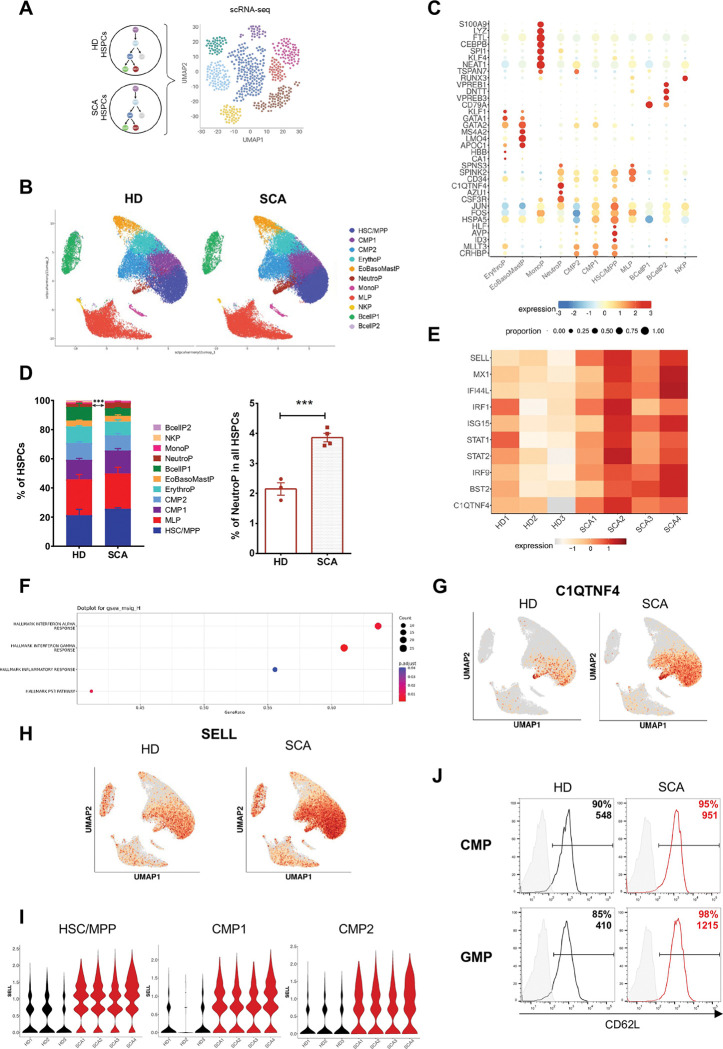 Figure 2
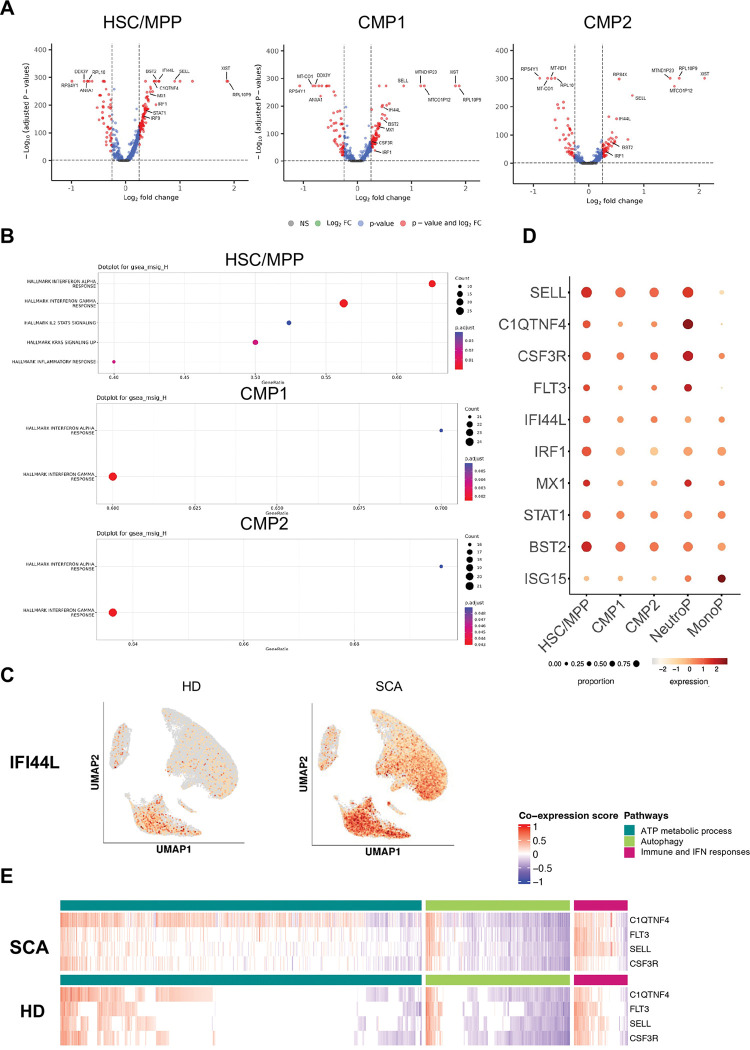 Figure 3
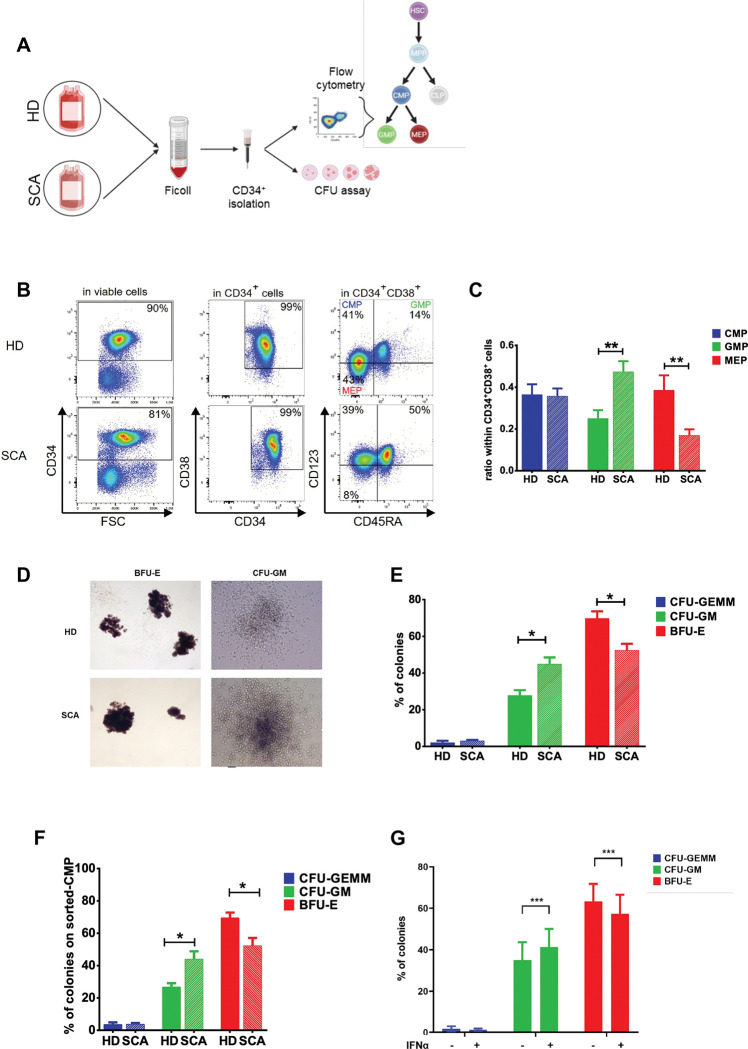 Figure 4
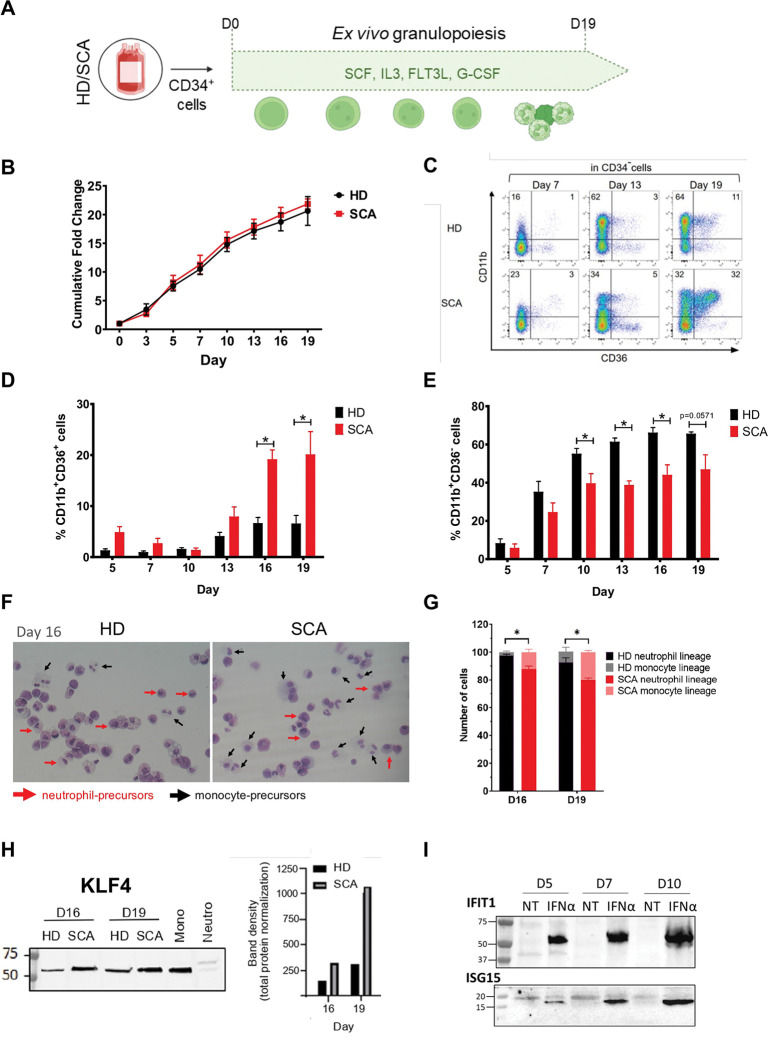 Figure 5
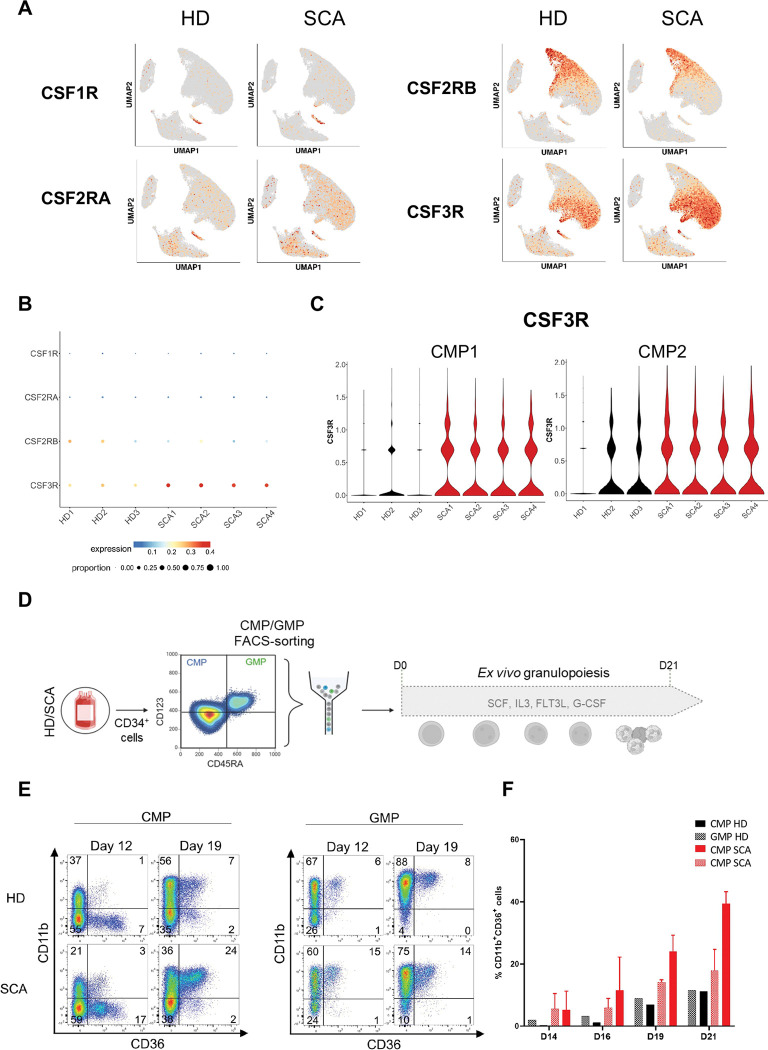 Figure 6
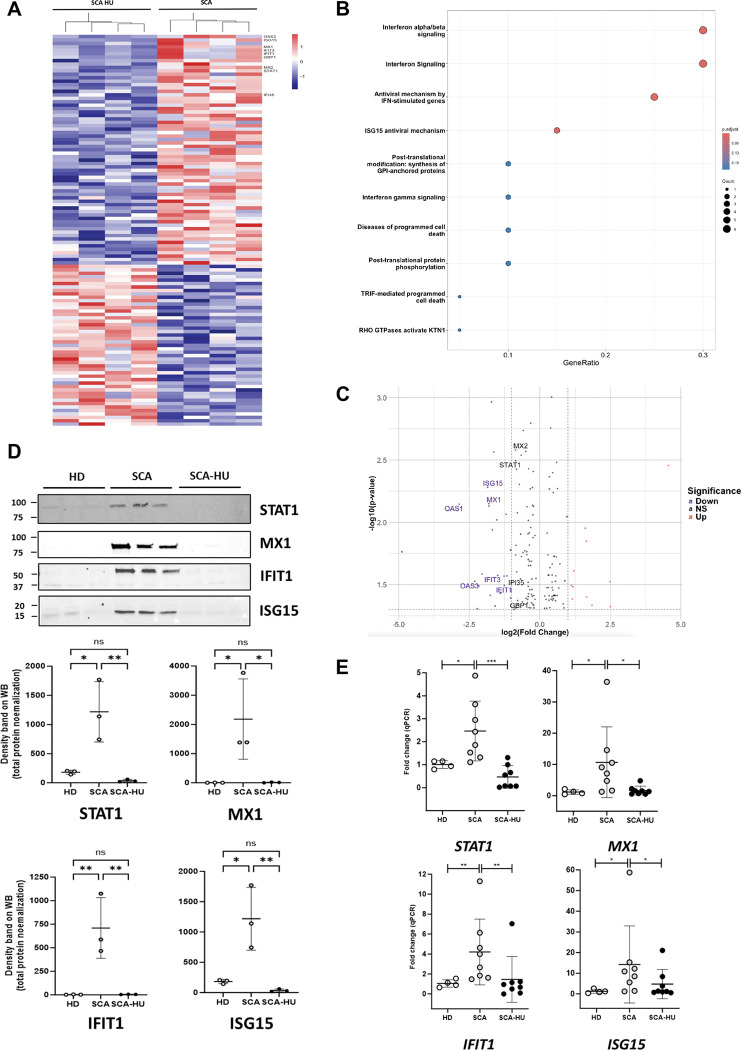 Figure 7
Peer Reviews
No public reviews on file for this paper yet. If you reviewed it on a platform where reviews are public (OpenReview, ICLR, NeurIPS, ICML), you can paste yours below so the community can read it here.
Videos
No videos yet. Explain this paper in a talk, walkthrough, or lecture? Add one.
Taxonomy
TopicsHemoglobinopathies and Related Disorders · Acute Myeloid Leukemia Research · Erythrocyte Function and Pathophysiology