Escherichia coli is poised to grow using 5′-deoxynucleosides via MtnR and CRP regulation of DHAP shunt gene expression
Katherine A. Huening, Caitlin C. Wingerd, Joshua T. Groves, Katelyn T. Kapusta, Laiba Khan, F. Robert Tabita, Justin A. North

TL;DR
This study reveals how Escherichia coli can use certain sugars and nucleosides for growth when glucose is scarce, through a pathway called the DHAP shunt.
Contribution
The study identifies MtnR and CRP as regulators of the DHAP shunt, revealing its role as a functional carbon metabolism pathway in E. coli.
Findings
The DHAP shunt operon is regulated by MtnR and CRP, depending on substrate and glucose availability.
The DHAP shunt allows E. coli to use 5′-deoxynucleosides and 5-deoxypentose sugars as carbon sources.
The regulatory mechanism is conserved in pathogenic E. coli lineages like ST131.
Abstract
The dihydroxyacetone phosphate (DHAP) shunt is a multifunctional pathway for the metabolism of 5′-deoxynucleosides and 5-deoxypentose sugars, such as 5′-methylthioadenosine (MTA) and 5′-deoxyadenosine (5dAdo), into DHAP and an aldehyde species depending on the substrate. Previous work revealed that Escherichia coli strains with the DHAP shunt can utilize exogenous MTA, 5dAdo, and derivatives thereof as sole carbon and energy sources for growth. However, if and how the DHAP shunt was regulated for 5′-deoxynucleoside and 5-deoxypentose sugar metabolism remained unknown. In the present work, the DHAP shunt genes (mtnK, mtnA, and ald2) and a putative transporter gene of E. coli ATCC 25922 are observed to form an operon, which can be expressed from two separate transcription start sites (TSSs). The distal, low-activity TSS appears to be constitutive, while the proximal primary TSS is…
Genes, proteins, chemicals, diseases, species, mutations and cell lines named across the full text — each resolved to its canonical identifier and authoritative record.
Click any figure to enlarge with its caption.
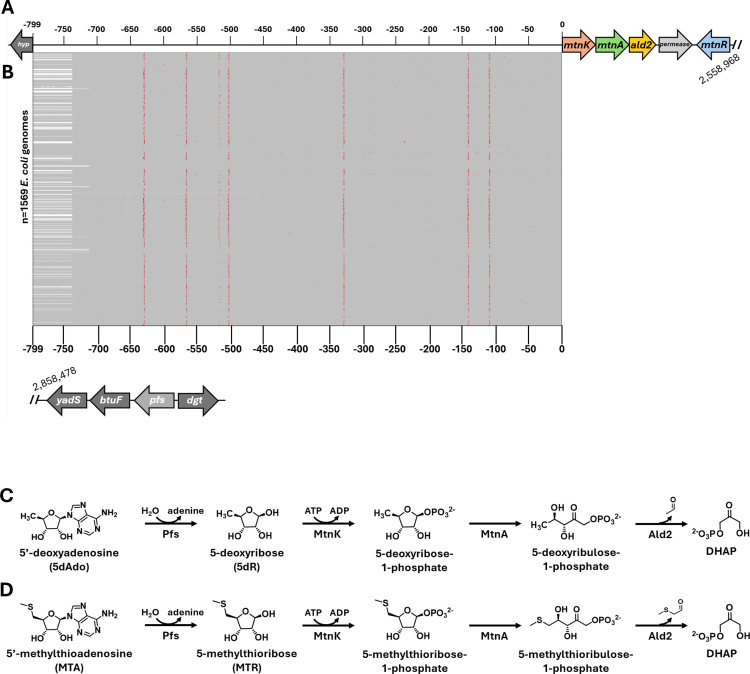 Figure 1
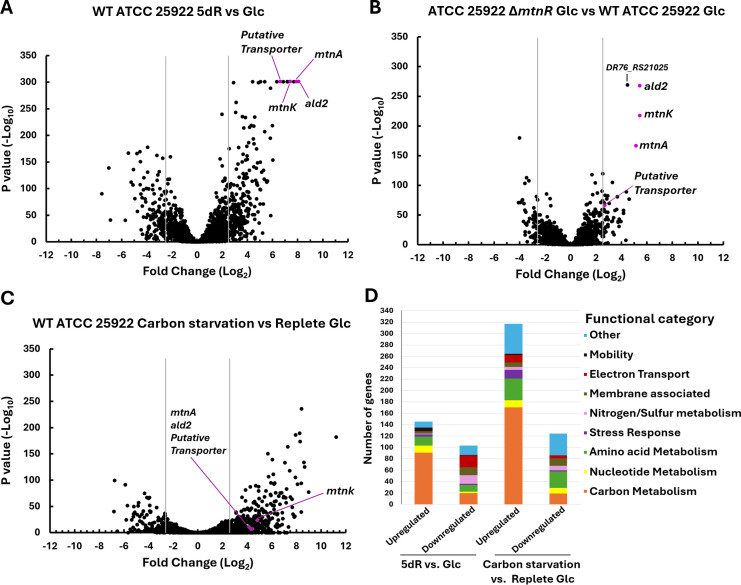 Figure 2
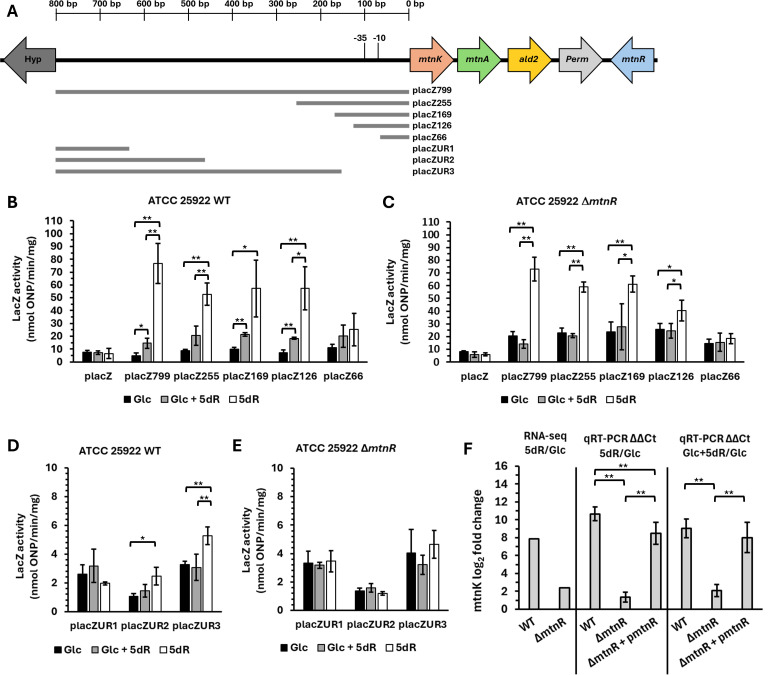 Figure 3
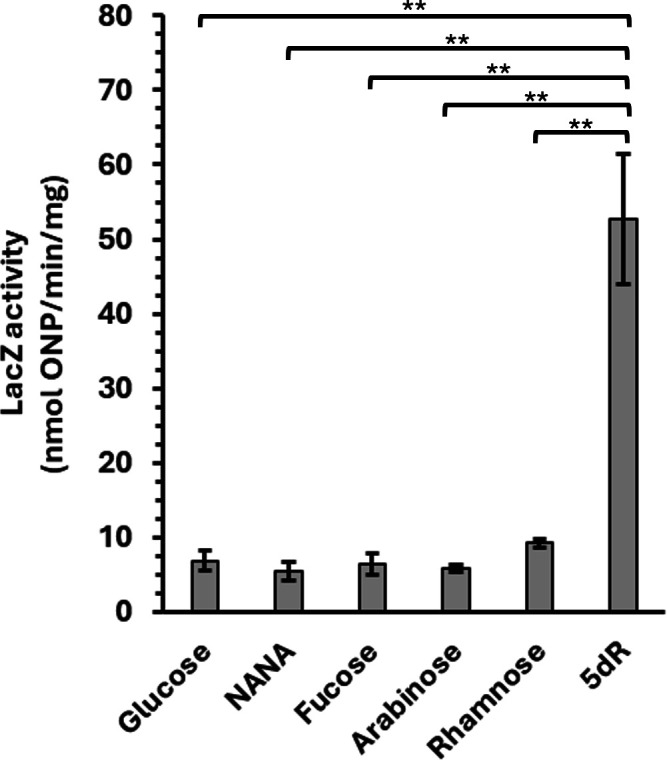 Figure 4
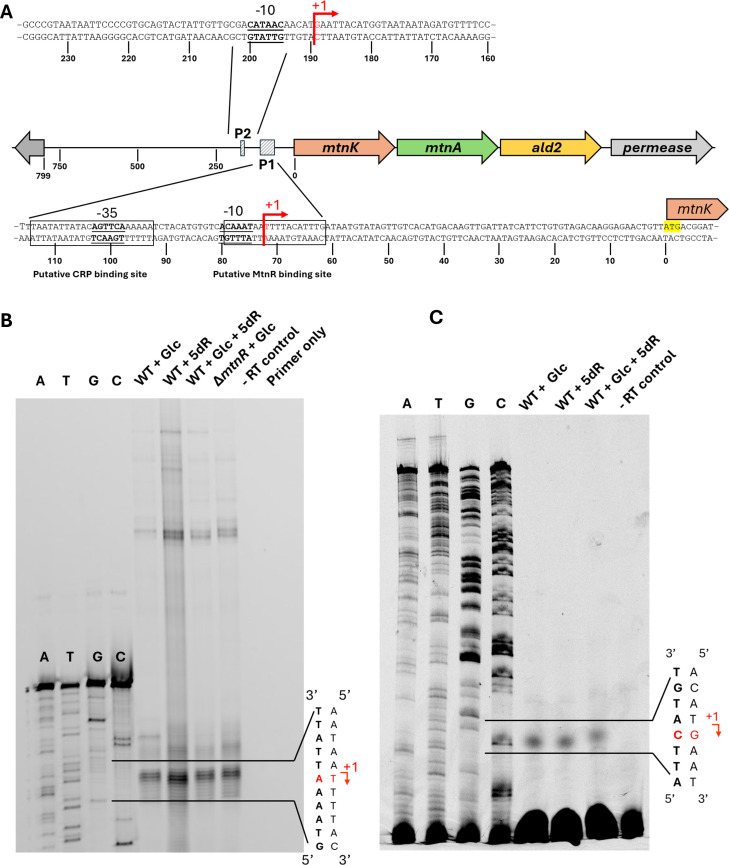 Figure 5
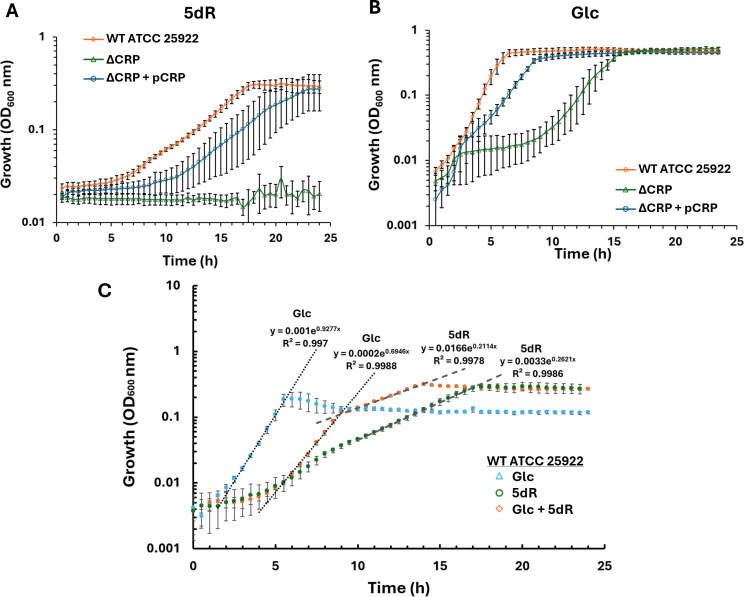 Figure 6
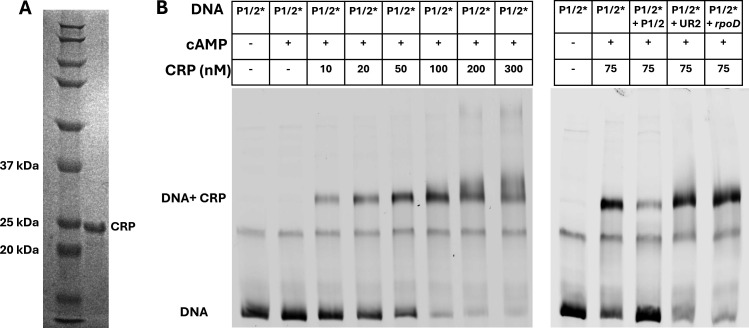 Figure 7
Peer Reviews
No public reviews on file for this paper yet. If you reviewed it on a platform where reviews are public (OpenReview, ICLR, NeurIPS, ICML), you can paste yours below so the community can read it here.
Videos
No videos yet. Explain this paper in a talk, walkthrough, or lecture? Add one.
Taxonomy
TopicsBacterial Genetics and Biotechnology · DNA Repair Mechanisms · Metabolism and Genetic Disorders