Effect of membrane vesicles produced under different pH conditions on the ability of Enterococcus faecalis to tolerate stressful environments and macrophages’ inflammatory response
Poukei Chan, Wenling Huang, Jingheng Liang, Zijian Yuan, Lihong Guo

TL;DR
This study shows how membrane vesicles from Enterococcus faecalis help the bacteria survive harsh conditions and influence immune responses in macrophages.
Contribution
The study reveals how pH-specific membrane vesicles enhance bacterial stress tolerance and modulate macrophage inflammation.
Findings
MVs at pH 7.0 and 9.0 increase E. faecalis tolerance to alkaline, hyperosmotic, and chlorhexidine environments.
MVs induce M1 macrophage polarization and ROS production, affecting inflammatory pathways.
Transcriptomic analysis identified DEGs involved in cytokine and immune signaling pathways after MV exposure.
Abstract
Enterococcus faecalis is frequently identified in persistent apical periodontitis lesions and possesses the ability to survive within the alkaline environment of the root canal system after treatment. Previously, we found that the secretion of pro-inflammatory cytokines by macrophages is stimulated by membrane vesicles (MVs) produced by E. faecalis at pH levels of 7.0 and 9.0. However, the influence of MVs on the survival of E. faecalis under stress conditions and the regulatory impact on macrophage-mediated inflammation require further elucidation. The present study demonstrated that the incorporation of pH 7.0 and 9.0 E. faecalis MVs enhances the bacterium’s tolerance to alkaline conditions, hyperosmolarity, oligotrophic environments, and chlorhexidine gluconate. Furthermore, the findings revealed that E. faecalis MVs at these pH levels induce M1 polarization of macrophages and…
Genes, proteins, chemicals, diseases, species, mutations and cell lines named across the full text — each resolved to its canonical identifier and authoritative record.
Click any figure to enlarge with its caption.
 Figure 1
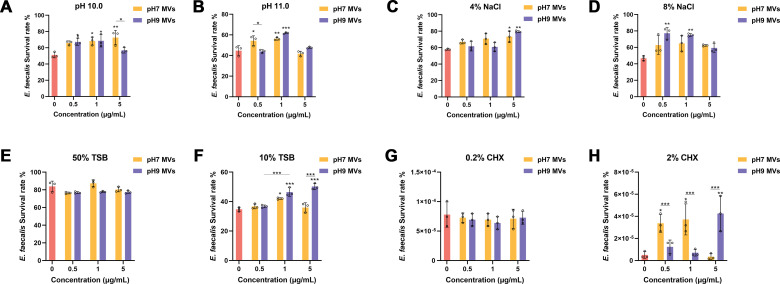 Figure 2
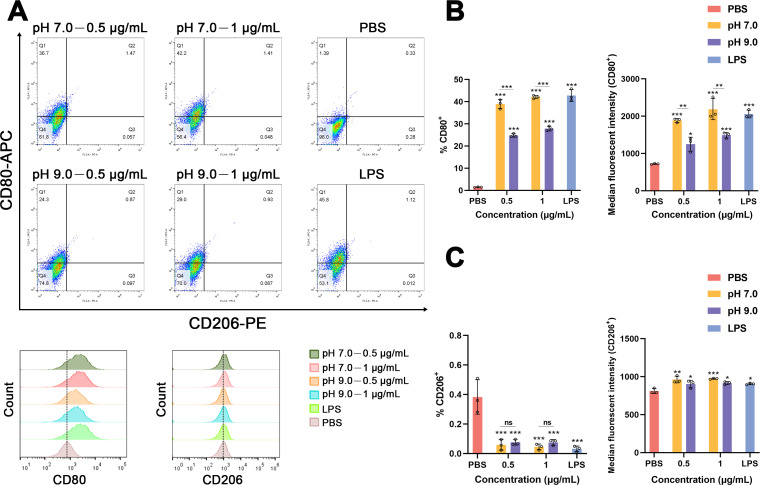 Figure 3
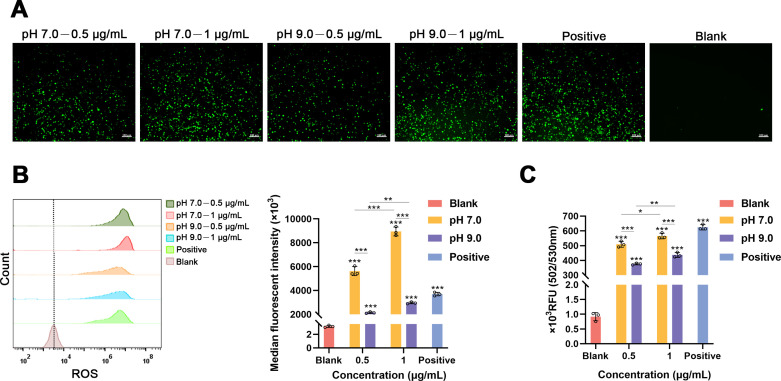 Figure 4
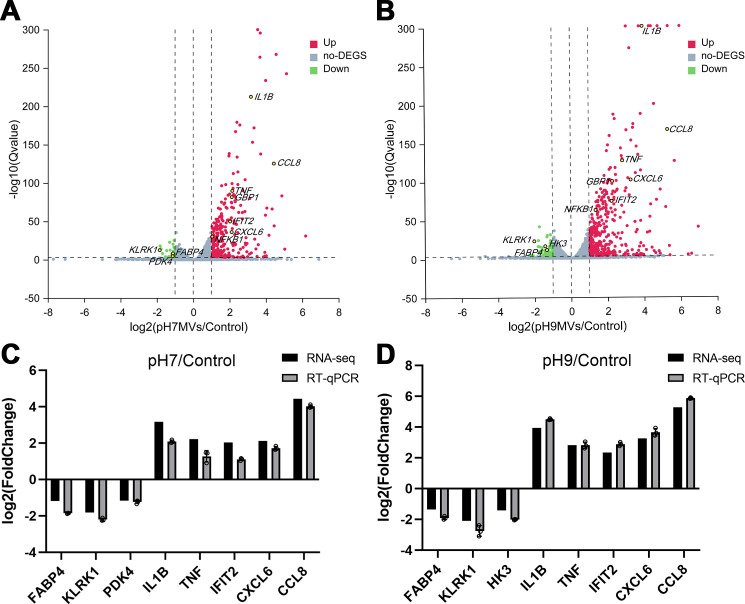 Figure 5
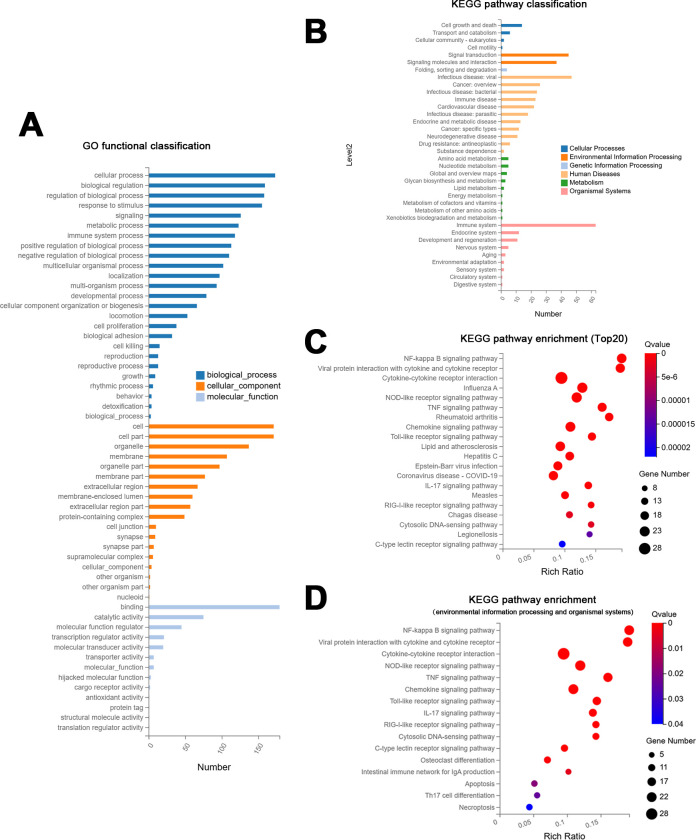 Figure 6
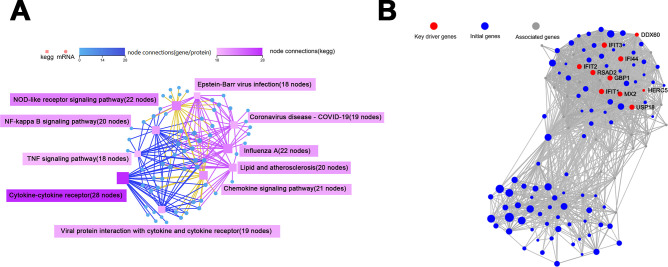 Figure 7
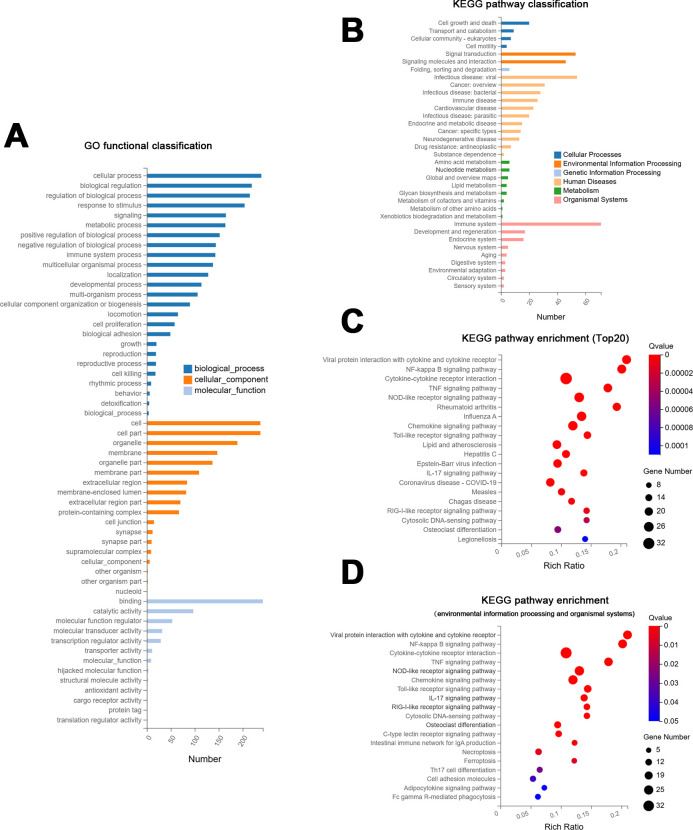 Figure 8
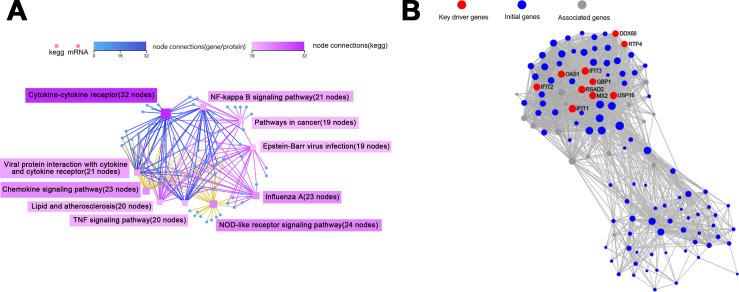 Figure 9
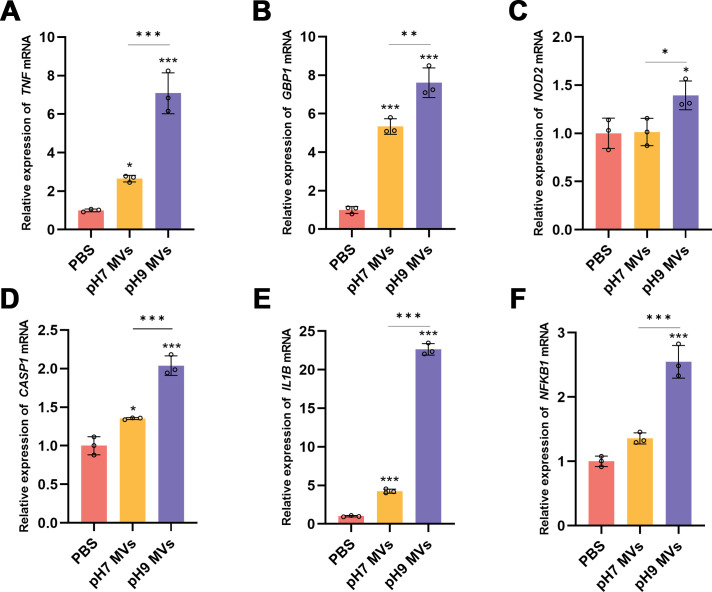 Figure 10
Peer Reviews
No public reviews on file for this paper yet. If you reviewed it on a platform where reviews are public (OpenReview, ICLR, NeurIPS, ICML), you can paste yours below so the community can read it here.
Videos
No videos yet. Explain this paper in a talk, walkthrough, or lecture? Add one.
Taxonomy
TopicsOral microbiology and periodontitis research · Streptococcal Infections and Treatments · Osteomyelitis and Bone Disorders Research