Enterococcus faecium sagA mutants have cell envelope defects influencing antibiotic resistance and bacteriophage susceptibility
Garima Arya, Pavan Kumar Chodisetti, Juliel Espinosa, Brian C. Russo, Howard C. Hang, Breck A. Duerkop

TL;DR
This study shows that phage-resistant Enterococcus faecium bacteria have weakened cell walls, making them more vulnerable to antibiotics.
Contribution
The study identifies the SagA peptidoglycan hydrolase as a key factor linking phage resistance and antibiotic sensitivity in E. faecium.
Findings
Phage-resistant E. faecium mutants have mutations in the SagA gene, leading to cell envelope defects.
SagA mutations increase β-lactam antibiotic sensitivity due to altered peptidoglycan remodeling.
Phage resistance in E. faecium is linked to reduced bacterial fitness and altered cell division.
Abstract
Enterococcus faecium is a gram-positive bacterium that is resident to the intestines of animals including humans. E. faecium is also an opportunistic pathogen that causes multidrug-resistant (MDR) infections. Bacteriophages (phages) have been proposed as therapeutics for the treatment of MDR infections; however, an obstacle for phage therapy is the emergence of phage resistance. Despite this, the development of phage resistance can impact bacterial fitness. Thus, understanding the molecular basis of fitness costs associated with phage resistance can likely be leveraged as an antimicrobial strategy. We discovered that phage-resistant E. faecium harbor mutations in the cell wall hydrolase gene sagA. SagA cleaves crosslinked peptidoglycan (PG) involved in PG remodeling. We show that mutations in sagA compromised E. faecium PG hydrolysis. One sagA mutant, with a defect in cell envelope…
Genes, proteins, chemicals, diseases, species, mutations and cell lines named across the full text — each resolved to its canonical identifier and authoritative record.
Click any figure to enlarge with its caption.
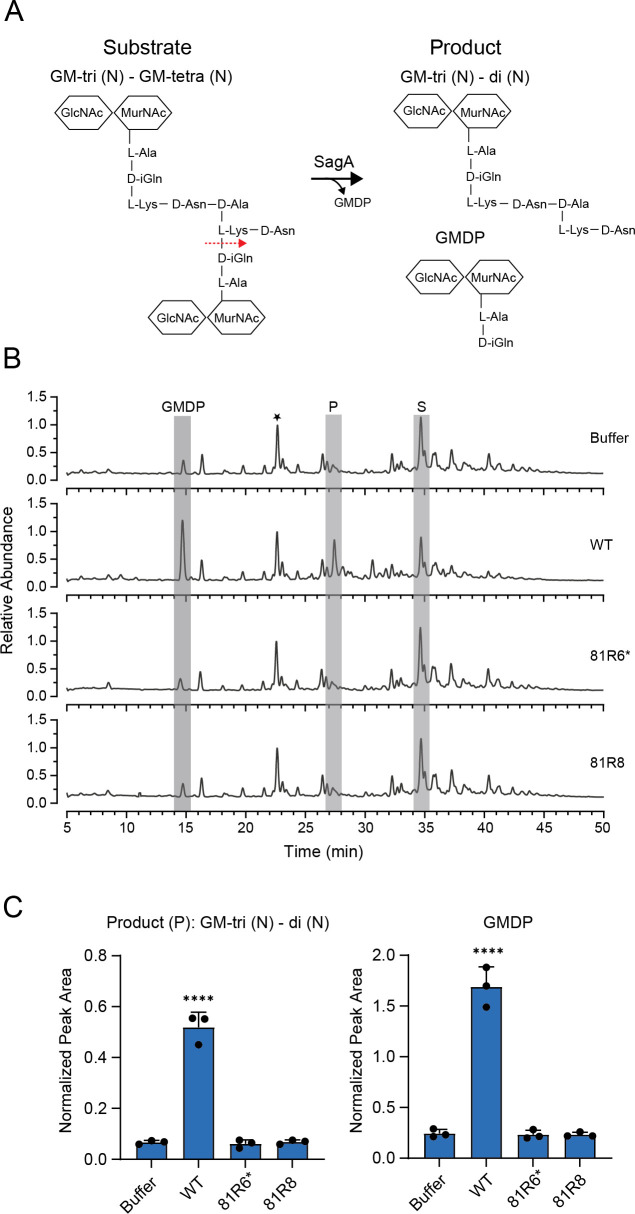 Figure 1
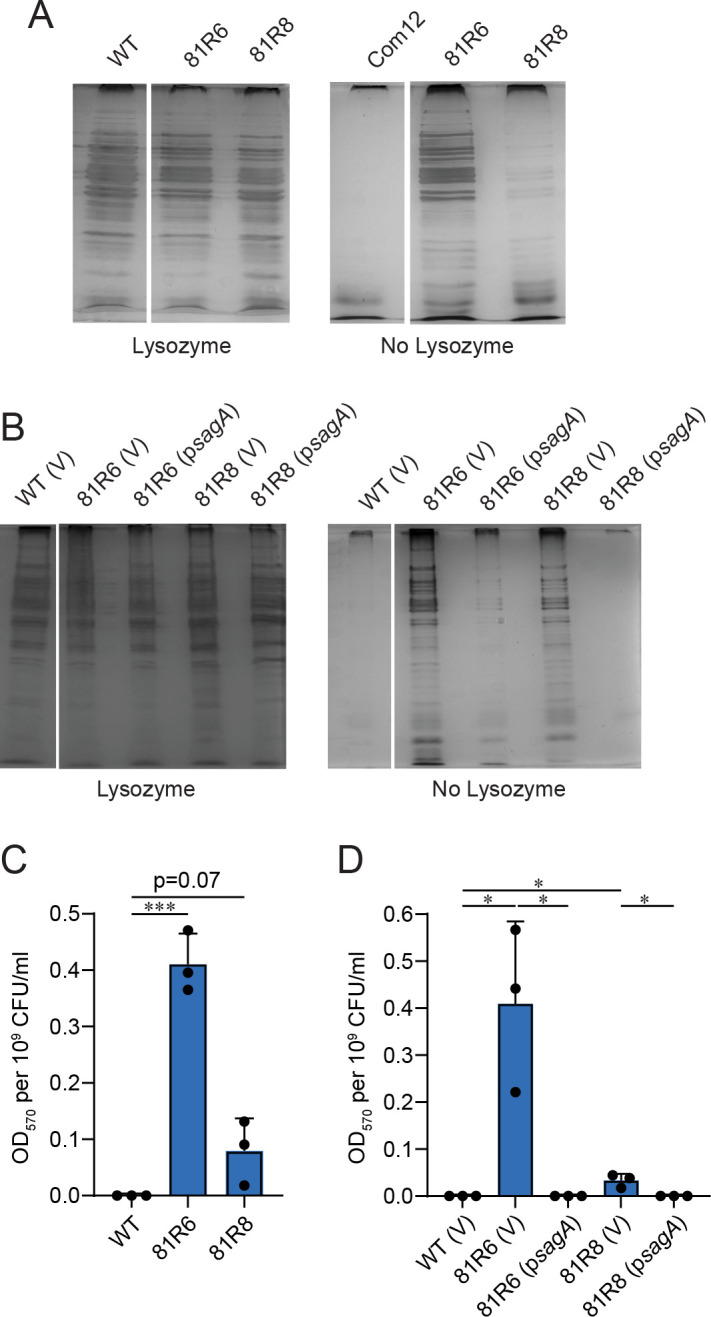 Figure 2
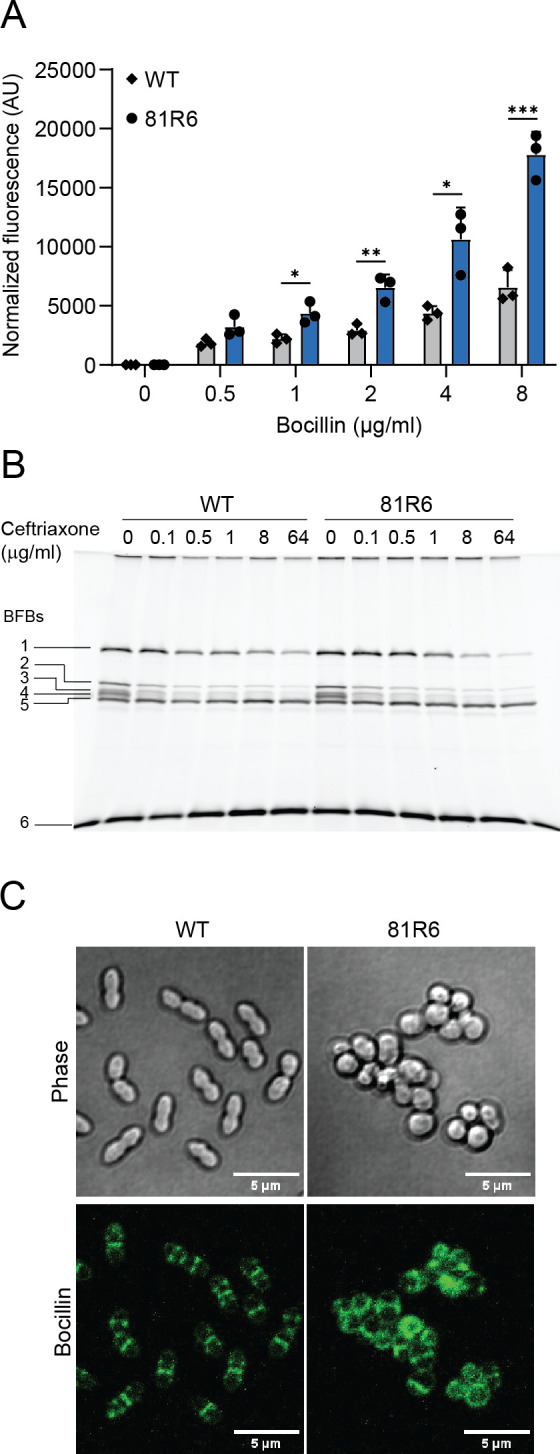 Figure 3
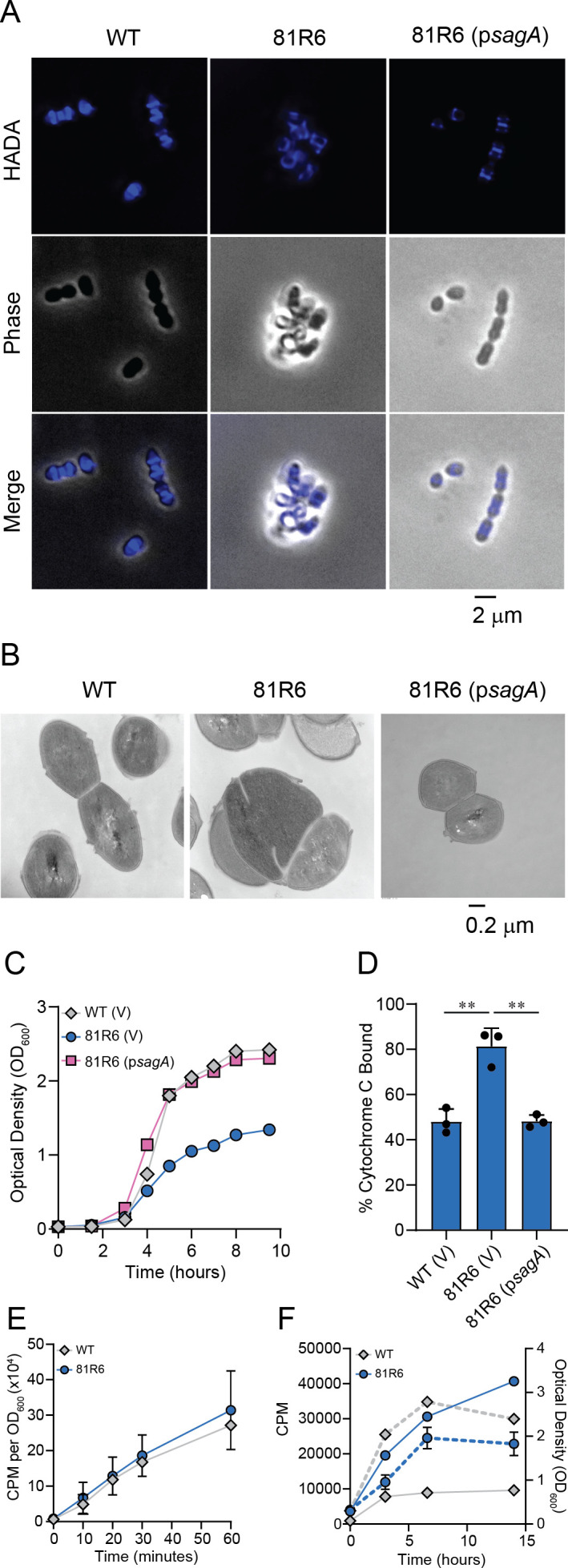 Figure 4
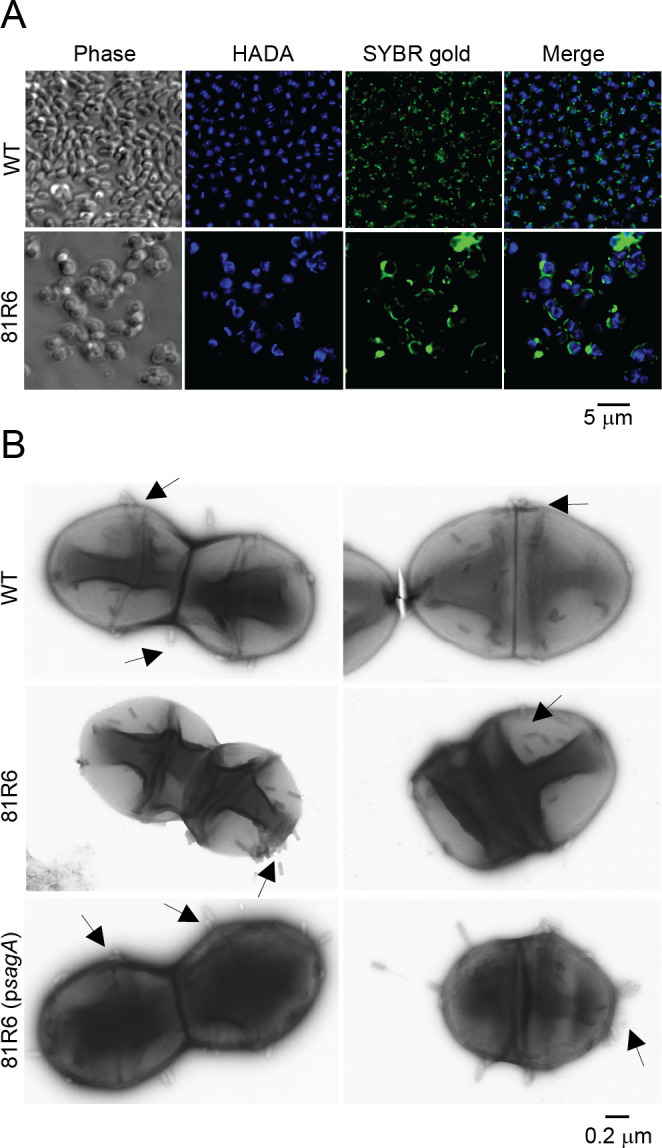 Figure 5
Peer Reviews
No public reviews on file for this paper yet. If you reviewed it on a platform where reviews are public (OpenReview, ICLR, NeurIPS, ICML), you can paste yours below so the community can read it here.
Videos
No videos yet. Explain this paper in a talk, walkthrough, or lecture? Add one.
Taxonomy
TopicsBacteriophages and microbial interactions · Microbial infections and disease research · Bacterial Genetics and Biotechnology