The role of the first interpersonal trauma exposure’s developmental period on fear regulation processes among adult women
Emilie Rudd, Christine Truong, Alexe Bilodeau-Houle, Myriam Beaudin, Valérie Bouchard, Marie-France Marin

TL;DR
The study shows that the age at which women first experience trauma affects how they regulate fear in adulthood, with childhood trauma leading to better fear regulation.
Contribution
The study identifies developmental windows of vulnerability for trauma exposure and their impact on fear regulation processes in adulthood.
Findings
Women first exposed to trauma in childhood showed lower electrodermal responses during extinction memory recall.
Adolescent or adult trauma exposure was linked to higher fear responses during early extinction memory retrieval.
Tailoring interventions to trauma exposure timing could improve treatment outcomes for PTSD.
Abstract
Background: Interpersonal trauma is associated with a higher risk of developing symptoms of post-traumatic stress disorder (PTSD) following trauma exposure. PTSD, which is more prevalent among women, is characterised by heightened fear and difficulties regulating it. Although fear regulation deficits in PTSD are well documented, considerable variability exists in how individuals learn and regulate fear. Brain regions involved in fear learning and regulation follow distinct developmental trajectories and are more sensitive to stress at certain timepoints. As exposure to severe stress (e.g. trauma) could influence the development and/or functioning of brain regions involved in fear learning and regulation, the timing of such exposure may potentially induce differential effects. Objective: This study explores the association between the developmental period – childhood (0–11 years),…
Genes, proteins, chemicals, diseases, species, mutations and cell lines named across the full text — each resolved to its canonical identifier and authoritative record.
Click any figure to enlarge with its caption.
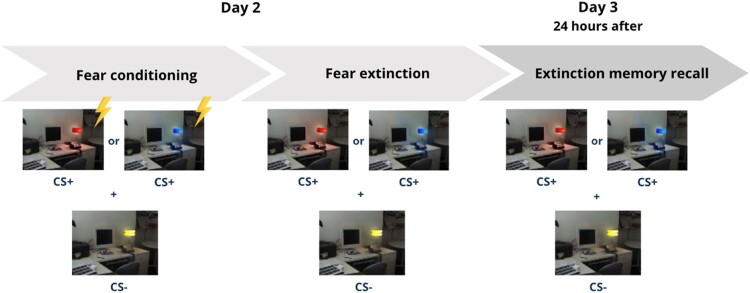 Figure 1
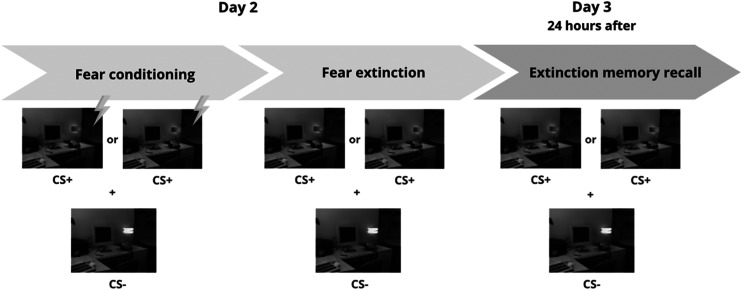 Figure 2
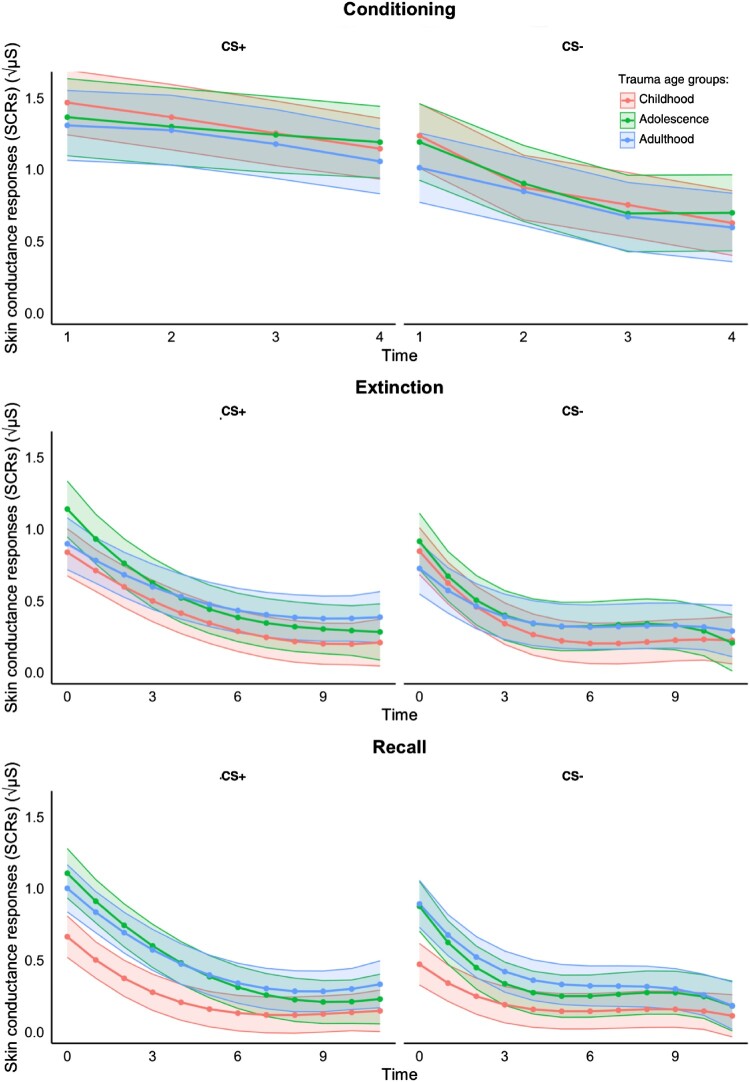 Figure 3
 Figure 4
Peer Reviews
No public reviews on file for this paper yet. If you reviewed it on a platform where reviews are public (OpenReview, ICLR, NeurIPS, ICML), you can paste yours below so the community can read it here.
Videos
No videos yet. Explain this paper in a talk, walkthrough, or lecture? Add one.
Taxonomy
TopicsMemory and Neural Mechanisms · Posttraumatic Stress Disorder Research · Anxiety, Depression, Psychometrics, Treatment, Cognitive Processes