Pre‐existing CD95‐based Temra immunity in patients with recurrent/metastatic nasopharyngeal carcinoma predicts response and hyperprogression to dual PD‐L1 and TGFβ inhibition
Ngar Woon Kam, Jeffrey Yan Ho Lau, Cho Yiu Lau, Tai Chung Lam, Kenneth Sik Kwan Chan, Wei Dai, Victor Lee Ho Fun, Chi Leung Chiang, Dora Lai Wan Kwong

TL;DR
This study shows that pre-existing CD95-based Temra immunity in nasopharyngeal cancer patients can predict treatment response and hyperprogression when using dual PD-L1 and TGFβ inhibition.
Contribution
The novel contribution is identifying CD95 and CD57 Temra markers as predictors of treatment outcomes and hyperprogression risk in nasopharyngeal carcinoma patients.
Findings
Lower baseline CD95⁺ Temra levels correlate with treatment response and longer survival.
Higher CD57⁺ Temra frequencies are linked to improved overall survival.
Post-treatment CD95/CD57 expression shifts correlate with survival outcomes.
Abstract
None. • Lower baseline CD95⁺ Temra levels were associated with treatment response and longer survival. • Higher CD57⁺ Temra frequencies predicted improved overall survival, independent of response. • Post‐treatment shifts in CD95/CD57 expression correlated with survival outcomes. • TGFβlow/CD95⁺ Temra high profile identified non‐responders with hyperprogression risk.
Genes, proteins, chemicals, diseases, species, mutations and cell lines named across the full text — each resolved to its canonical identifier and authoritative record.
Click any figure to enlarge with its caption.
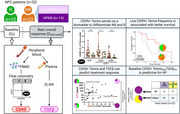 Figure 1
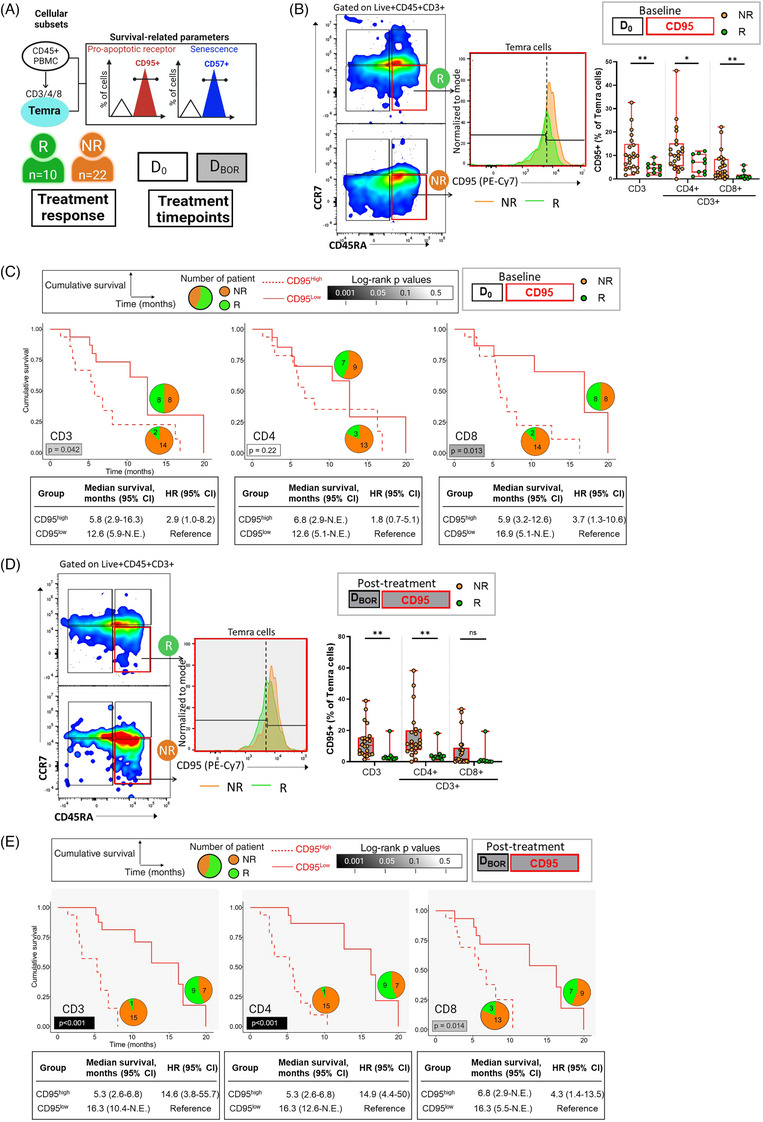 Figure 2
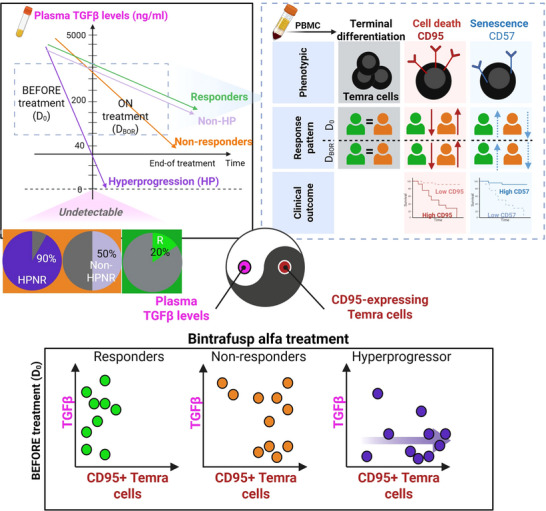 Figure 3
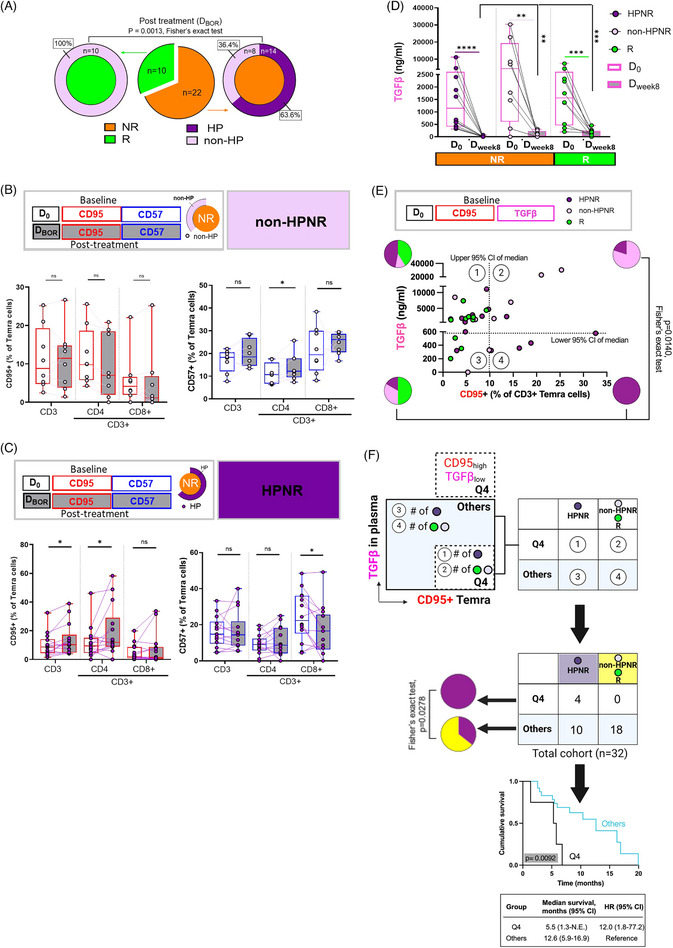 Figure 4
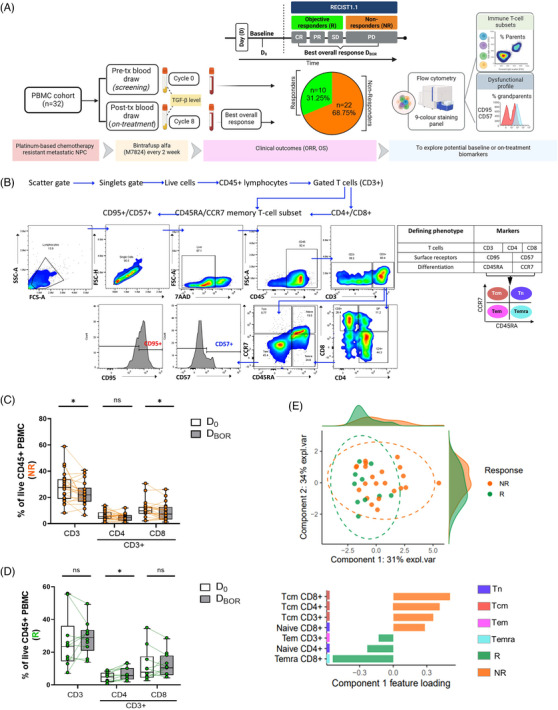 Figure 5
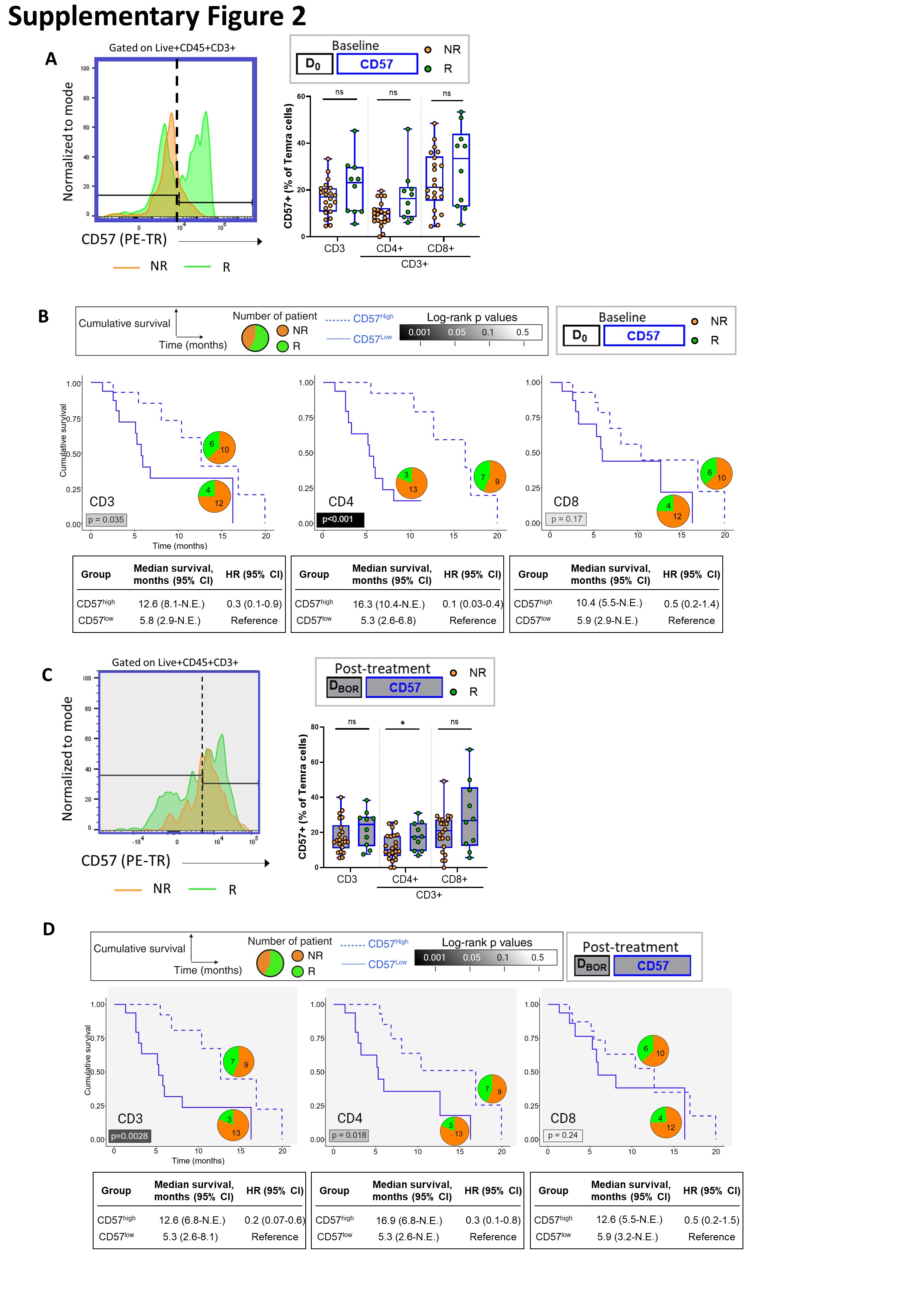 Figure 6
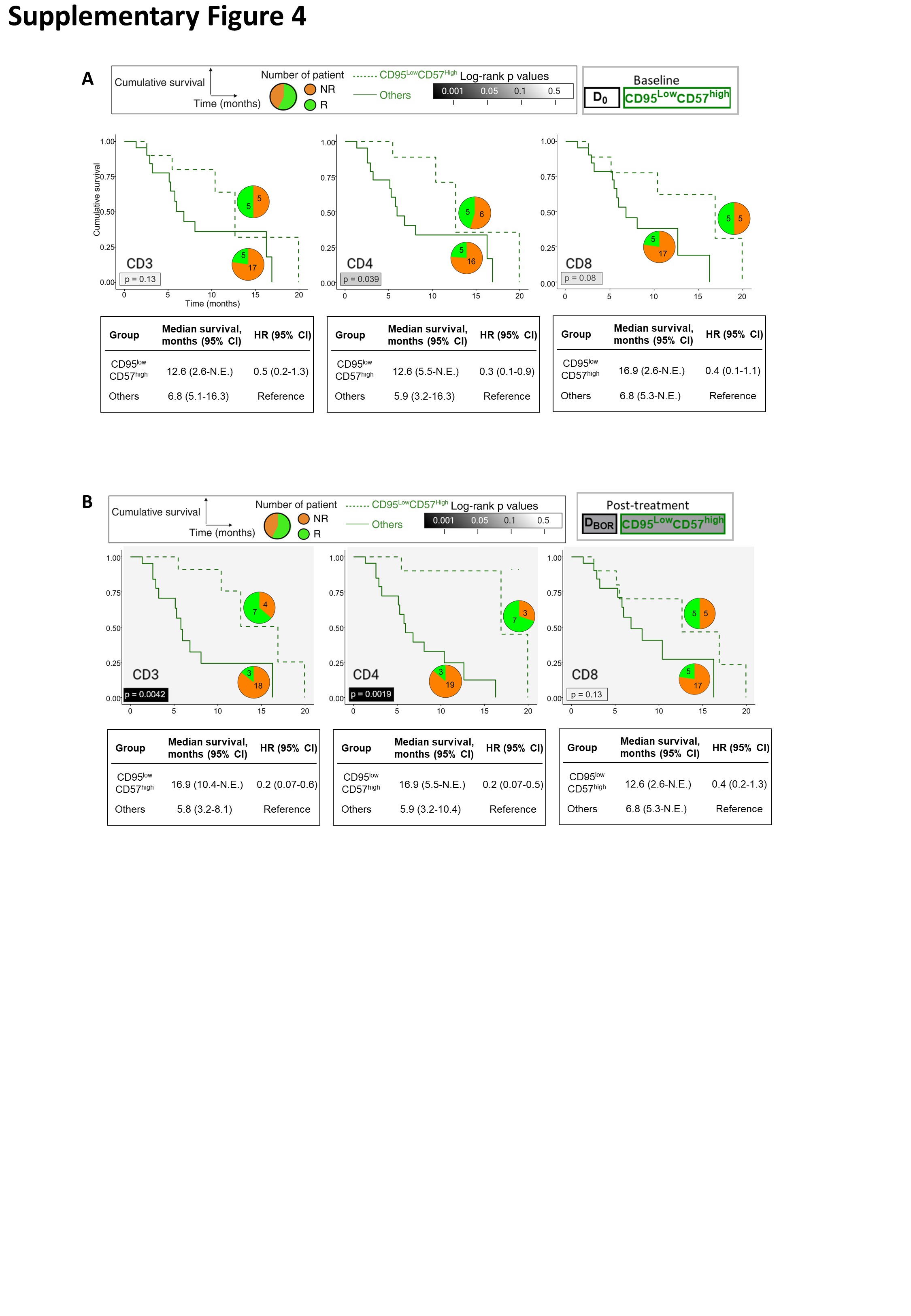 Figure 7
 Figure 8
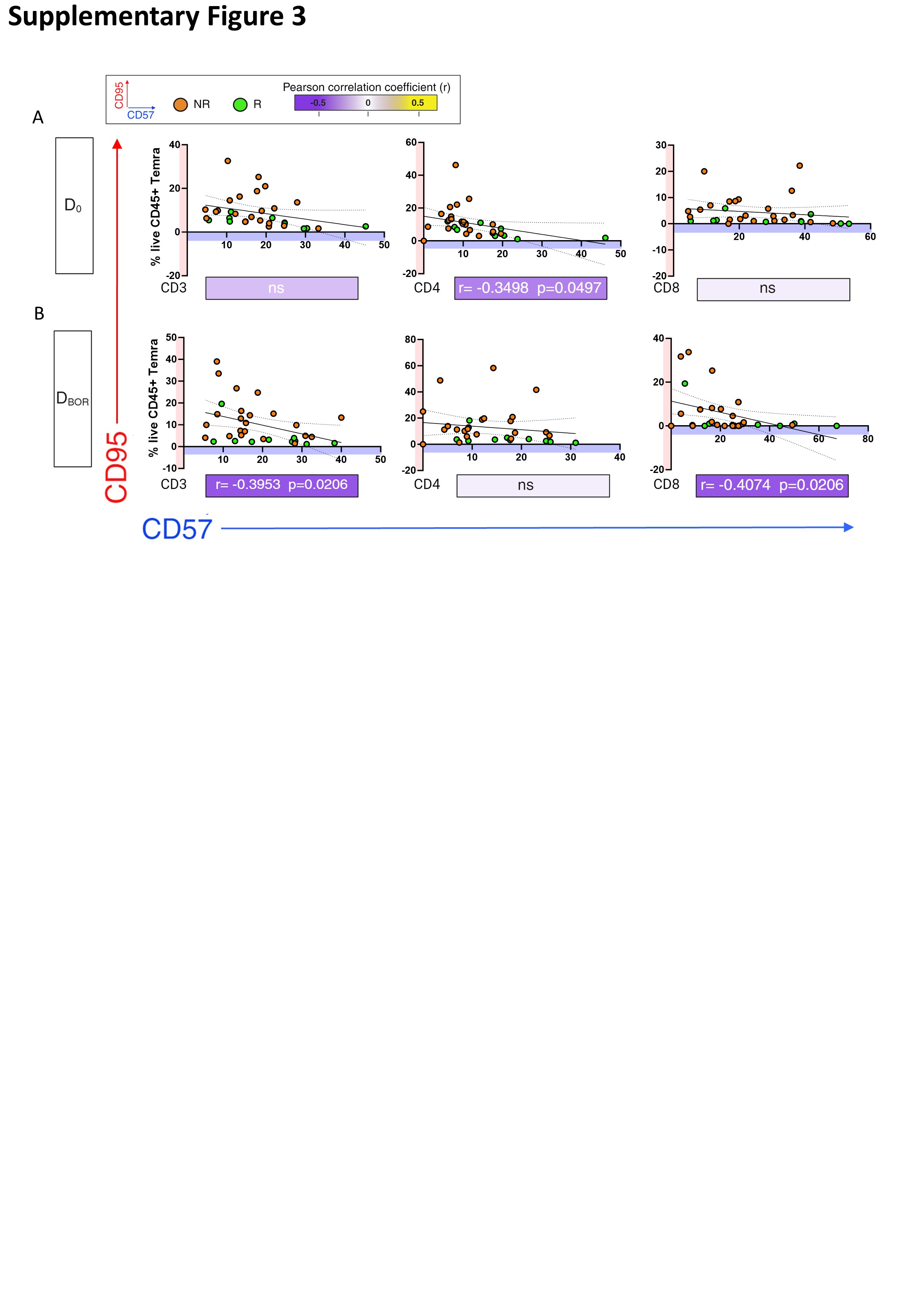 Figure 9
Peer Reviews
No public reviews on file for this paper yet. If you reviewed it on a platform where reviews are public (OpenReview, ICLR, NeurIPS, ICML), you can paste yours below so the community can read it here.
Videos
No videos yet. Explain this paper in a talk, walkthrough, or lecture? Add one.
Taxonomy
TopicsImmunotherapy and Immune Responses · TGF-β signaling in diseases · Cancer Immunotherapy and Biomarkers