Host stress proteins shape hemorrhagic shock via gut microbiota: evidence from Mendelian randomization and animal models
Gaorong Deng, Liping Wu, Shui Xiong, Junxin Zhou, Zongfang Li

TL;DR
This study shows that host stress proteins influence hemorrhagic shock through changes in gut microbiota, suggesting new therapeutic strategies targeting the microbiome.
Contribution
The paper introduces a novel integrative framework linking host stress proteins, gut microbiota, and hemorrhagic shock using MR and animal models.
Findings
HSPB1 and HIF1A are protective proteins, while APAF1, F7, and F10 increase susceptibility to HS.
Gut microbiota diversity decreases after HS but partially recovers, with shifts in dominant genera like Lactobacillus, Blautia, and Romboutsia.
Microbial metabolism, especially amino acid and protein synthesis, is enriched during recovery, suggesting a role in stress adaptation.
Abstract
Hemorrhagic shock (HS) is a severe condition involving stress proteins, inflammation, and gut microbiota dysbiosis. Understanding whether regulatory proteins influence HS through microbial pathways is crucial for improving therapeutic strategies. We used Mendelian randomization (MR) combined with animal experiments to investigate the role of regulatory proteins in HS. Two-sample MR was performed to assess the impact of various stress-related proteins. Additionally, 16 S rRNA sequencing was conducted in a rat HS model to analyze gut microbiota diversity and composition at baseline, 24 h, and 72 h after hemorrhage. Two-sample MR identified HSPB1 and HIF1A as protective proteins, while APAF1, F7, and F10 increased susceptibility to HS. In the rat model, microbiota alpha diversity decreased at 24 h but partially recovered by 72 h, with significant shifts in beta diversity. Genus-level…
Genes, proteins, chemicals, diseases, species, mutations and cell lines named across the full text — each resolved to its canonical identifier and authoritative record.
Click any figure to enlarge with its caption.
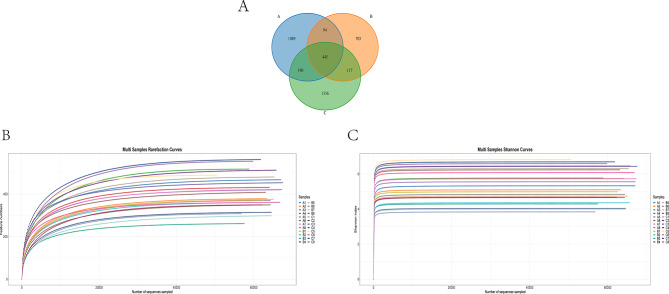 Figure 1
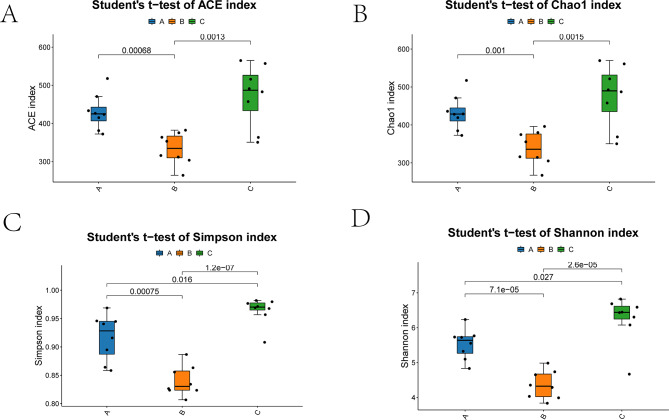 Figure 2
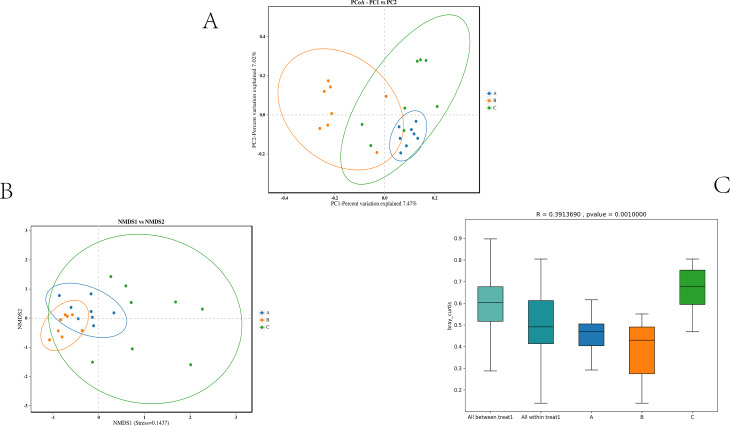 Figure 3
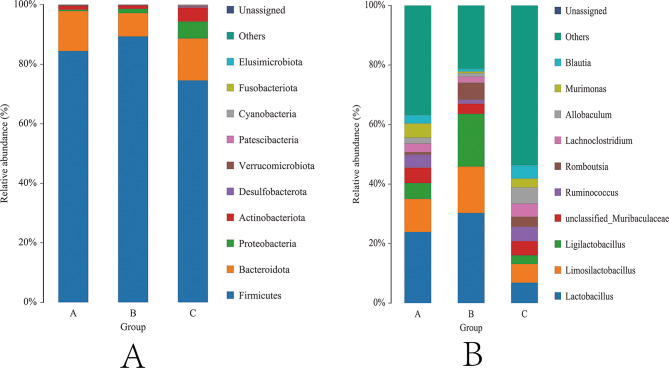 Figure 4
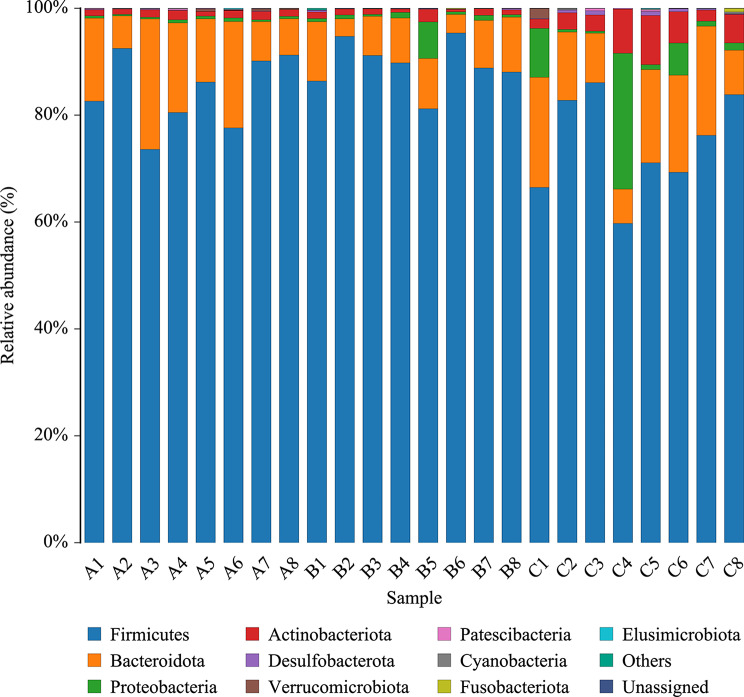 Figure 5
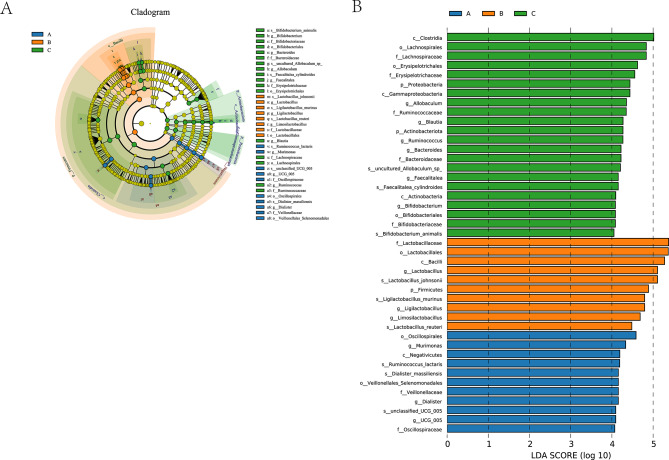 Figure 6
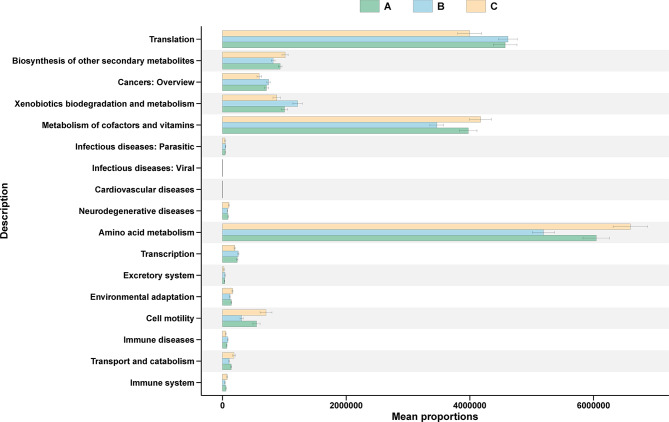 Figure 7
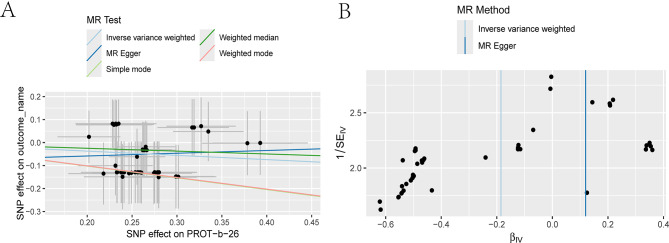 Figure 8
Peer Reviews
No public reviews on file for this paper yet. If you reviewed it on a platform where reviews are public (OpenReview, ICLR, NeurIPS, ICML), you can paste yours below so the community can read it here.
Videos
No videos yet. Explain this paper in a talk, walkthrough, or lecture? Add one.
Taxonomy
TopicsGut microbiota and health · Vibrio bacteria research studies · Invertebrate Immune Response Mechanisms