Effects of environment and globalization on the double and triple burdens of infection symptoms among under-five children across low-middle income countries using machine learning algorithms
Haile Mekonnen Fenta, A. Kofi Amegah, Aino K. Rantala, Inês Paciência, Jouni J. K. Jaakkola

TL;DR
This study uses machine learning to analyze how environment and globalization affect infection symptoms in children under five in low- and middle-income countries.
Contribution
The study introduces a novel integration of environmental and sociodemographic data with machine learning to predict childhood infection burdens.
Findings
11.9% of children under five had double or triple burdens of infection symptoms like fever, cough, and diarrhea.
Random Forest machine learning achieved 94% and 99% accuracy in predicting these symptoms.
Environmental factors and sociodemographic variables significantly influence infection symptom burdens.
Abstract
Childhood infectious diseases and related symptoms, such as fever, cough, and diarrhea among children constitute the leading cause of death in low and middle-income countries (LMICs). We examined the environmental predictors of double and triple burden (D/TB) of infection symptoms among under-five children using multilevel machine learning (ML) methods. We used Demographic and Health Surveys (DHS) data from 58 LMICs between 2000 and 2023. These data were merged with cluster-level particulate matter and nitrogen dioxide from the National Aeronautics and Space Administration and country-level data on political, social, and economic globalization from the World Bank report. We applied multilevel models to screen out the most important predictors of D/TB symptoms and applied machine learning algorithms to predict these symptoms among children across LMICs. We trained and validated ML…
Genes, proteins, chemicals, diseases, species, mutations and cell lines named across the full text — each resolved to its canonical identifier and authoritative record.
Click any figure to enlarge with its caption.
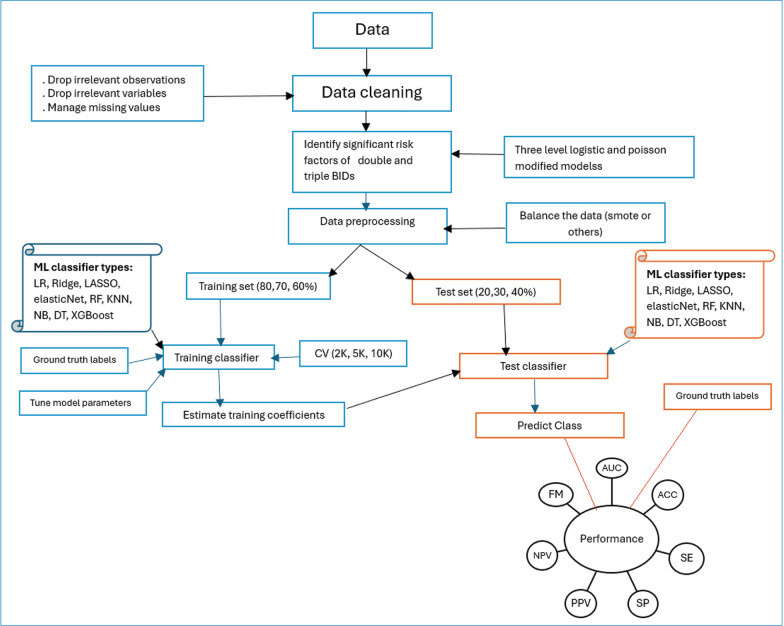 Figure 1
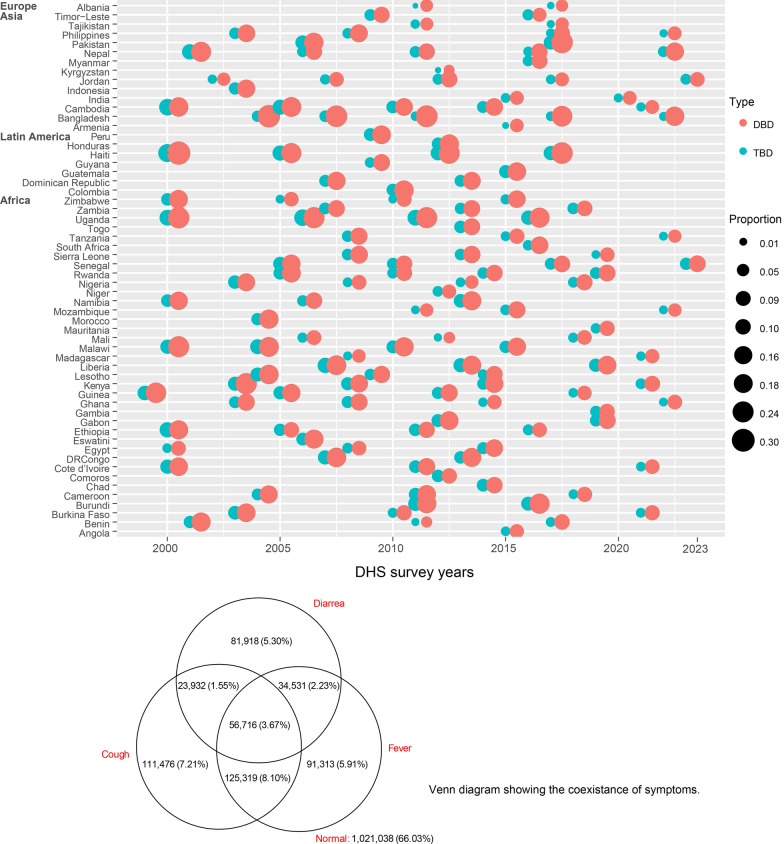 Figure 2
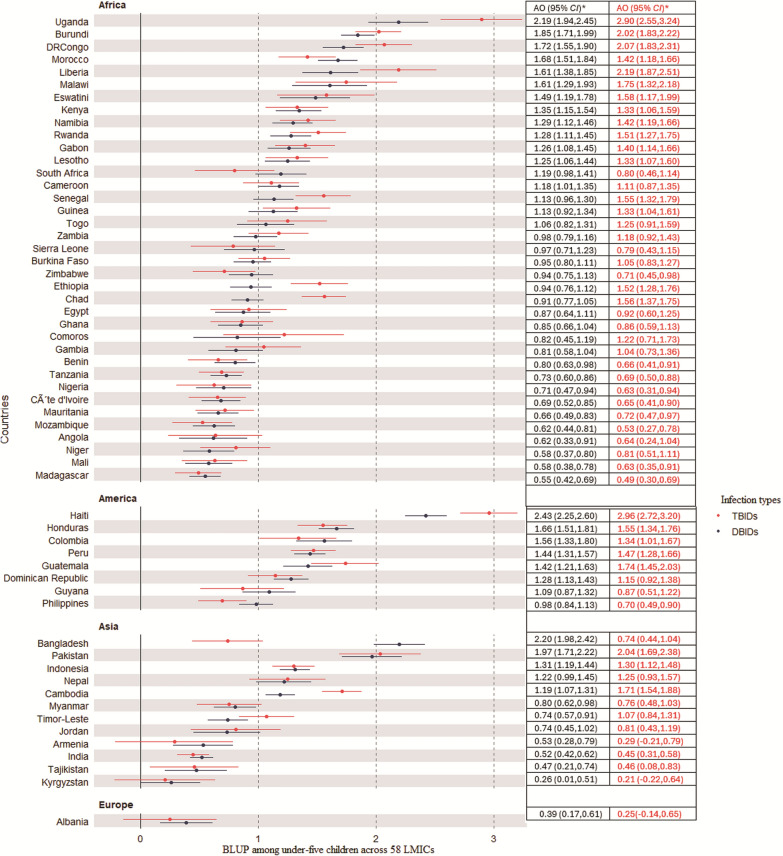 Figure 3
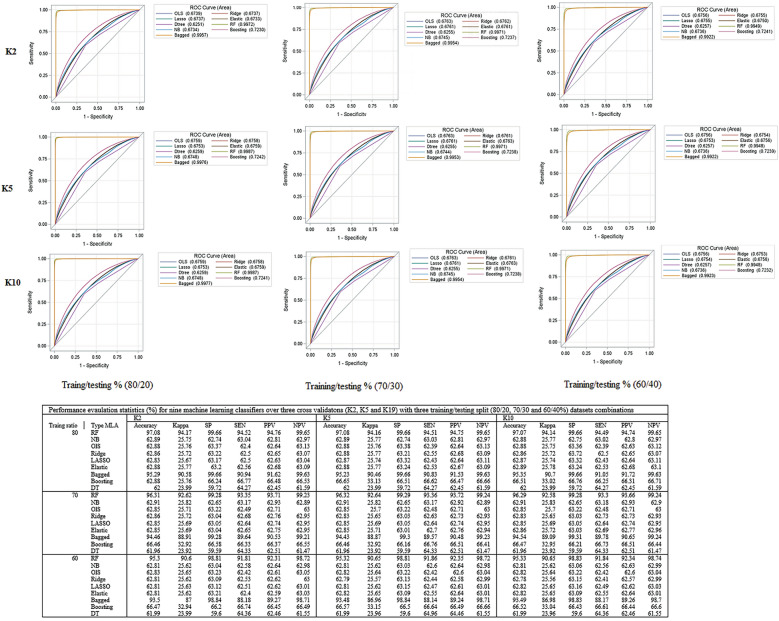 Figure 4
Peer Reviews
No public reviews on file for this paper yet. If you reviewed it on a platform where reviews are public (OpenReview, ICLR, NeurIPS, ICML), you can paste yours below so the community can read it here.
Videos
No videos yet. Explain this paper in a talk, walkthrough, or lecture? Add one.
Taxonomy
TopicsImmune responses and vaccinations · Tuberculosis Research and Epidemiology · HIV/AIDS Research and Interventions